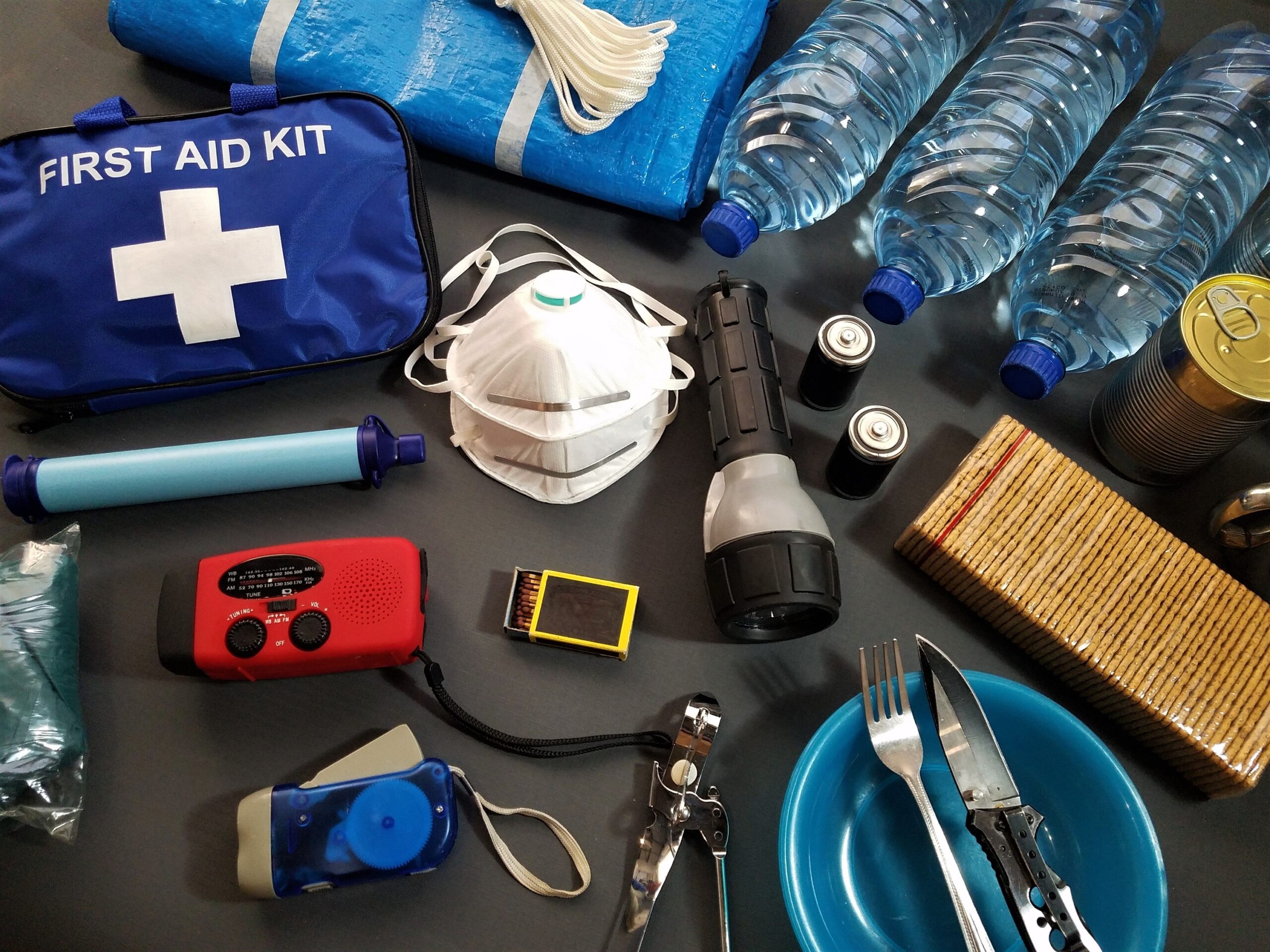

1. Prescription Medications: The Overlooked Lifeline
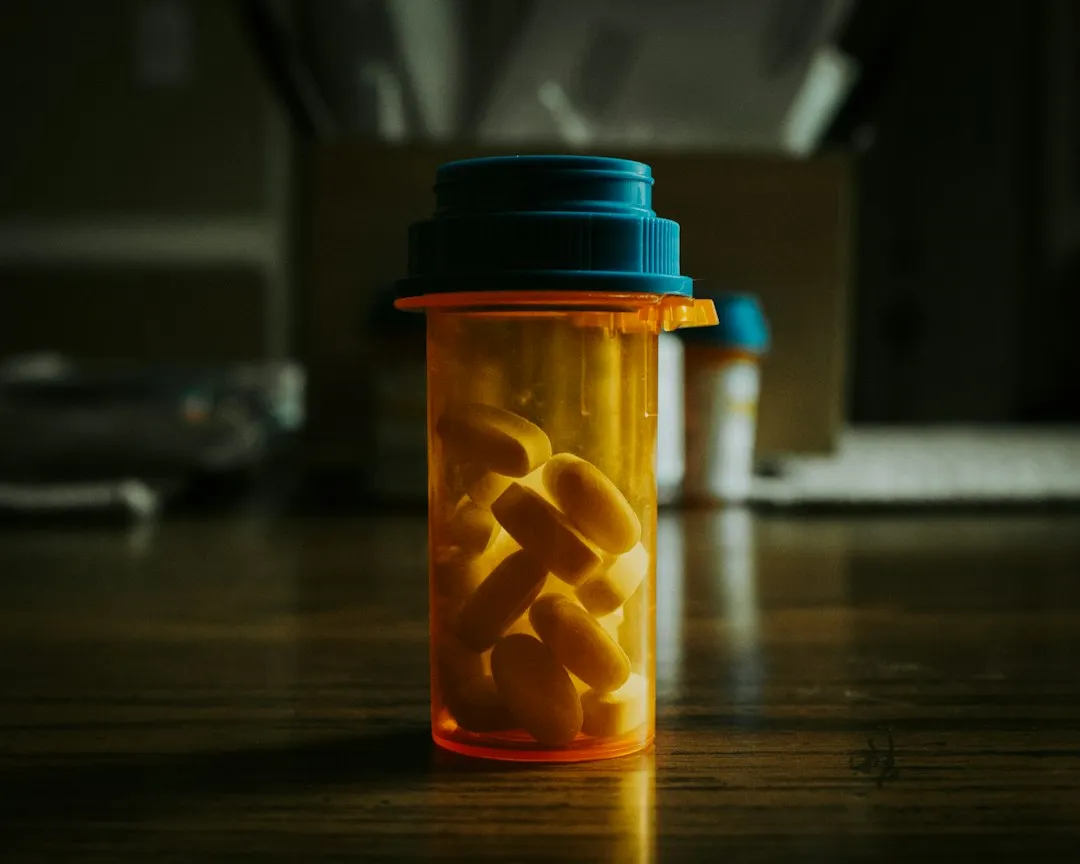
About half of all Americans take a prescription medicine every day, yet an emergency can make it extremely difficult to refill a prescription or find an open pharmacy. This is one of the most quietly dangerous gaps in household preparedness, because the consequences can emerge within hours, not days.
Standard emergency checklists often fail to account for prescription medications, dosage details, and medical records. FEMA actively flags this on its official guidance page, recommending that people keep written and digital copies of all prescriptions with their kit at all times. A list of all medications, equipment, and supplies, including over-the-counter items, should be maintained alongside an electronic copy on a flash drive.
2. Physical Cash in Small Bills

In a widespread emergency, ATMs go offline, card readers stop working, and mobile payment systems become useless, yet almost no one keeps physical cash in their emergency kit. It’s an easy item to dismiss until it’s the only thing standing between you and a tank of gas.
When the power grid goes down, so do credit card terminals and ATMs. Stores that remain open during an emergency often revert to cash-only transactions, and having small bills means you can actually purchase what you need without being turned away entirely. The solution is not to store hundreds of dollars but to store practical denominations, fives, tens, and twenties, because small bills matter when commerce is improvised.
3. Copies of Important Personal Documents
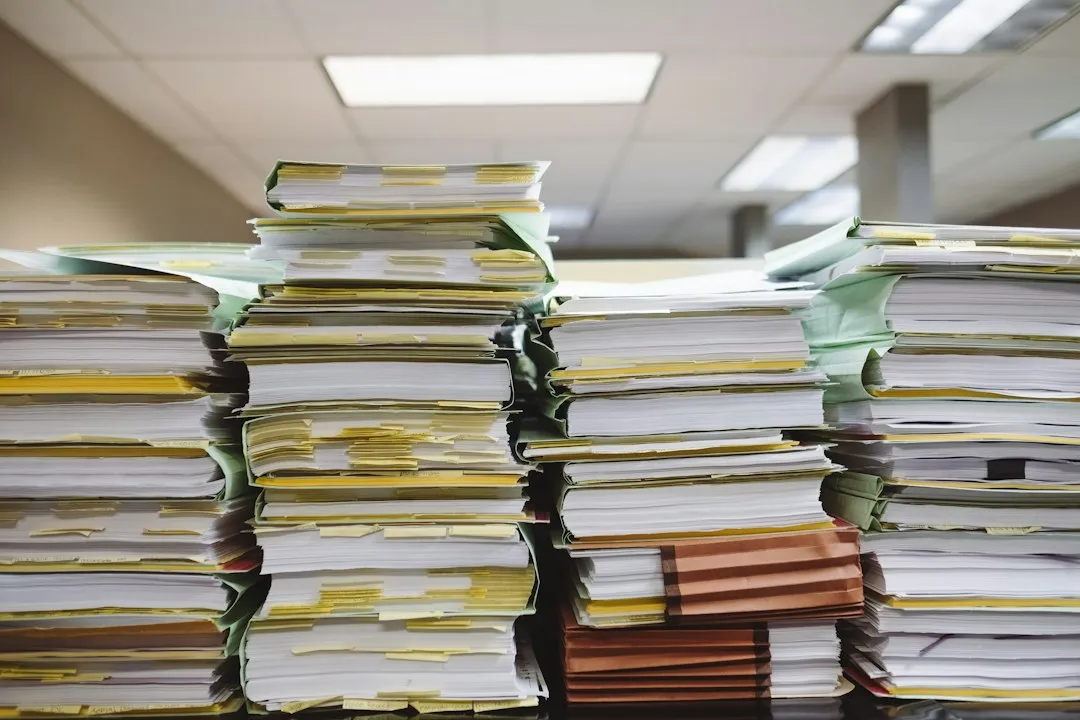
Birth certificates, insurance policies, medication lists, passports, and property documents are easy to overlook until you desperately need them. Storing physical copies in a waterproof bag inside your emergency kit and keeping digital copies on a password-protected USB drive can save hours of bureaucratic headaches if you have to evacuate quickly.
Financial and administrative recovery starts almost immediately after a disaster, and that is where having access to critical documents and cash becomes a major factor. Insurance Institute for Business and Home Safety research confirms that many households focus on supplies while overlooking documentation and communication planning. These aren’t dramatic items, but they carry serious weight in the days following a crisis.
4. A Manual Can Opener

A pantry full of canned beans, soup, and vegetables becomes nearly useless during a power outage if the only can opener in the house is electric. It sounds almost too simple to mention, yet it consistently appears near the top of post-disaster lists of items people wished they had packed.
Emergency preparedness guides specifically flag the manual can opener as essential, noting that it should not be electric. It weighs almost nothing, costs very little, and is the kind of item that nobody thinks about until they are standing in front of a shelf full of food they cannot open. Keep one inside the kit itself, not just somewhere in the kitchen.
5. Water Purification Tablets or a Portable Filter
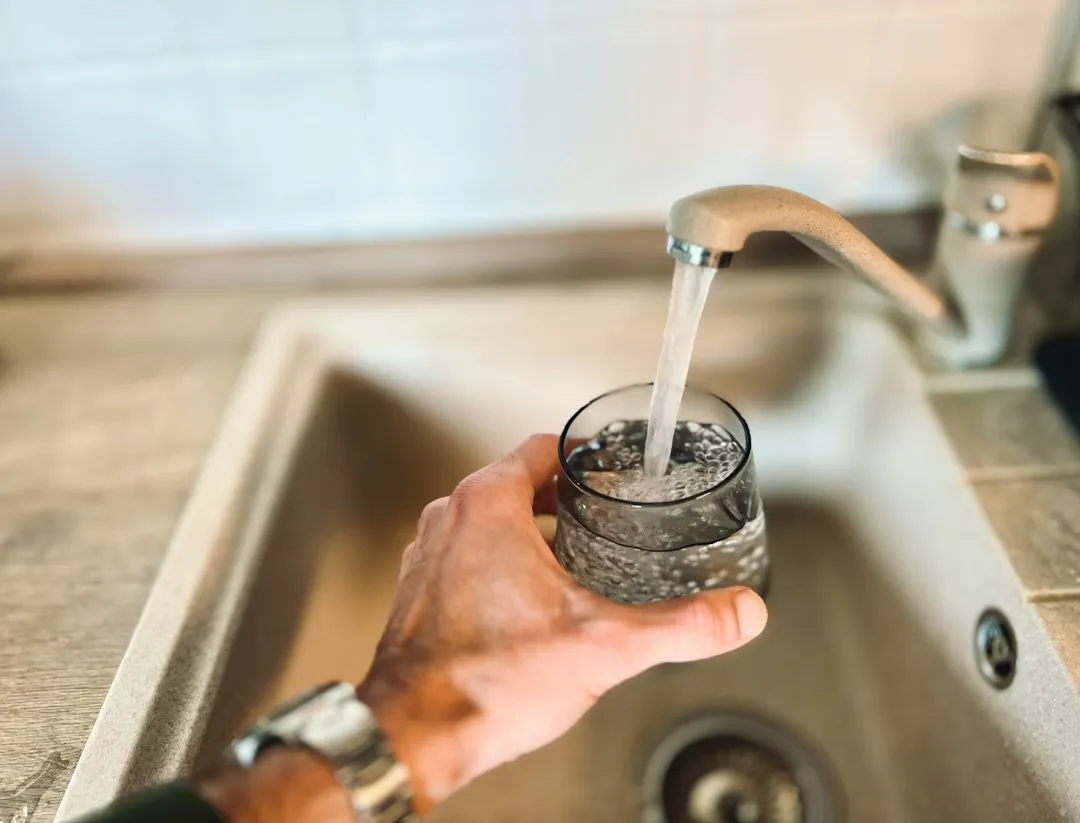
Stored water is a first line of defense, but backup purification methods are essential. Keeping purification tablets in your home kit, bug-out bags, and vehicles adds a critical layer of safety. Stored water can run out or become contaminated, and at that point, the ability to treat water from a secondary source becomes genuinely important.
High-quality portable filters, such as those from LifeStraw or Sawyer, are designed for filtering water from questionable sources that might be encountered during an emergency. The baseline recommendation is one gallon of water per person per day for drinking and sanitation, especially when utilities are shut off. Purification backup ensures that running out of stored water doesn’t immediately become a crisis within the crisis.
6. A Battery-Powered or Hand-Crank Radio
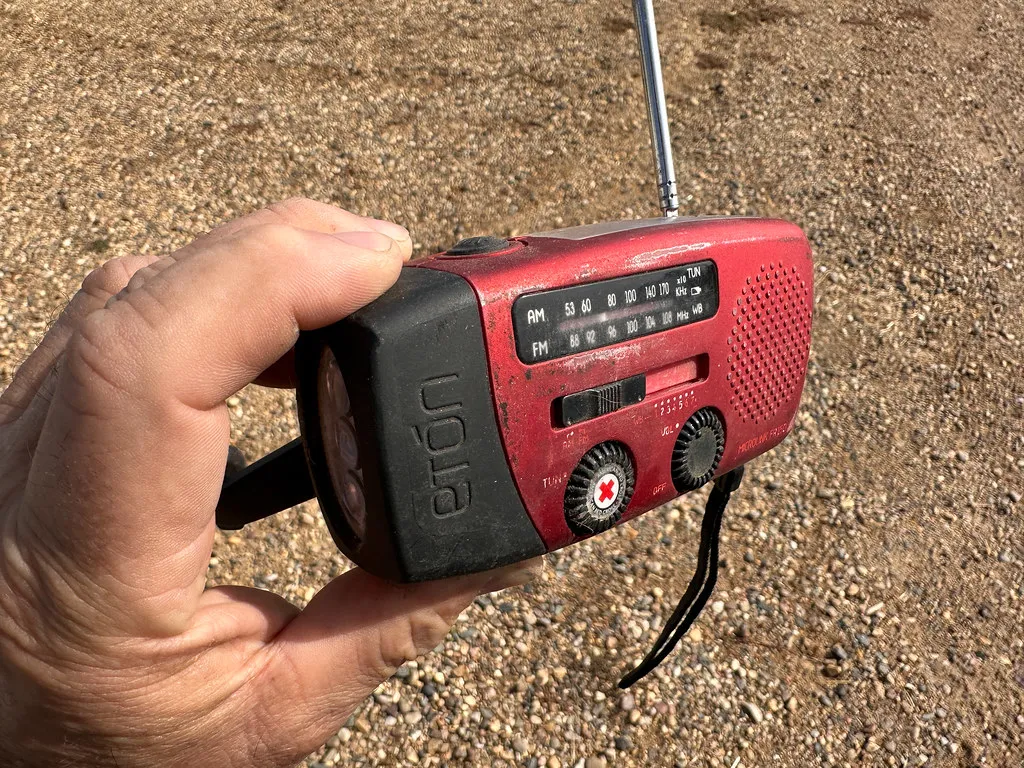
When cell towers go down and internet service disappears, a battery-powered radio becomes the only reliable way to receive emergency broadcasts, evacuation orders, and weather updates. A hand-crank radio is specifically included in agency-recommended emergency kits as a critical communication tool. Yet it’s frequently the item skipped because people assume their smartphones will cover it.
FEMA specifically recommends a battery-powered or hand-crank radio with NOAA Weather Radio capability and tone alert as part of its core emergency kit list. The tone alert feature matters because it can wake you during a nighttime emergency without requiring you to be actively listening. This is one of the few items in an emergency kit that works even when everything digital has failed.
7. Prescription Eyeglasses or Contact Lens Supplies
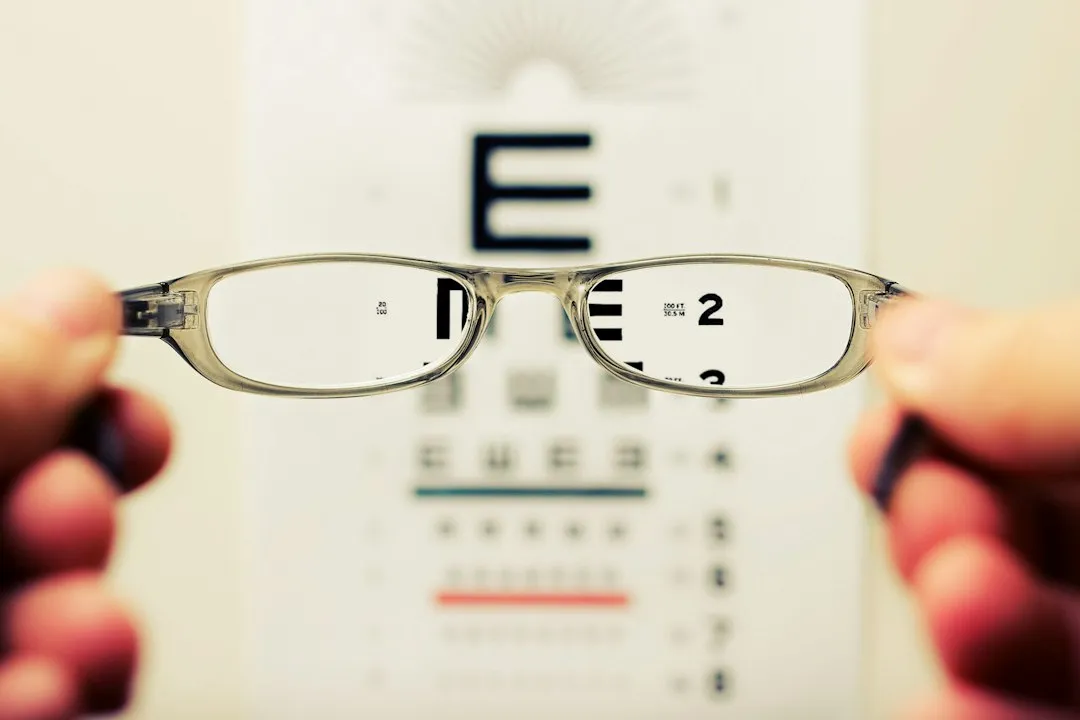
Spare prescription glasses rarely make it into emergency kits, and the oversight is understandable. People wear their glasses daily and don’t think of them as an emergency supply. Still, if you evacuate quickly or your home is damaged, those glasses left on the nightstand may be inaccessible.
FEMA’s official checklist includes prescription eyeglasses and contact lens solution as specific items to include in an emergency kit. For anyone with significant vision impairment, this is not a comfort item. It’s a safety one. A spare pair, even an older prescription, and a small bottle of solution can make the difference between being able to function independently or not during the first critical hours of an emergency.
8. Printed Local Maps
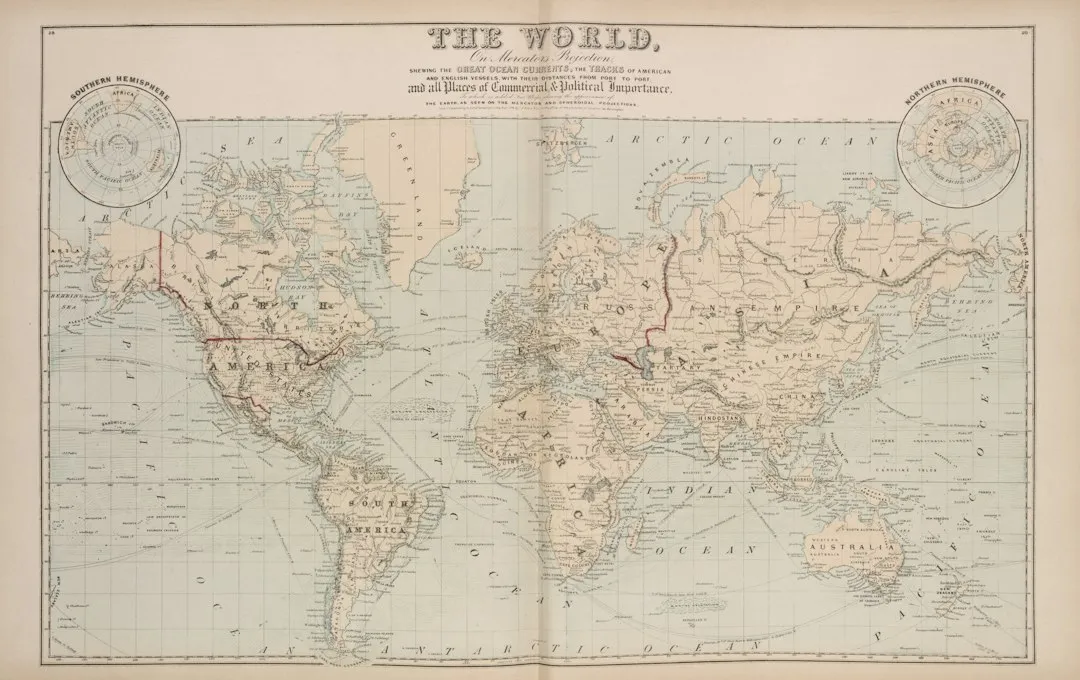
GPS has made paper maps feel like an artifact from another era. The problem is that GPS depends on cell signal, and cell networks are among the first systems to become overloaded or fail during a large-scale disaster. Printed local maps are consistently listed among the items people most wish they had packed after an emergency.
A simple road atlas and a printed map of your immediate county cost almost nothing and take up minimal space. They let you navigate alternate evacuation routes when the standard ones are blocked or when apps are unavailable. Preparedness is not just about what households have, but how quickly and effectively they can act under pressure, and navigation is a core part of that speed.
9. Sanitation and Hygiene Supplies
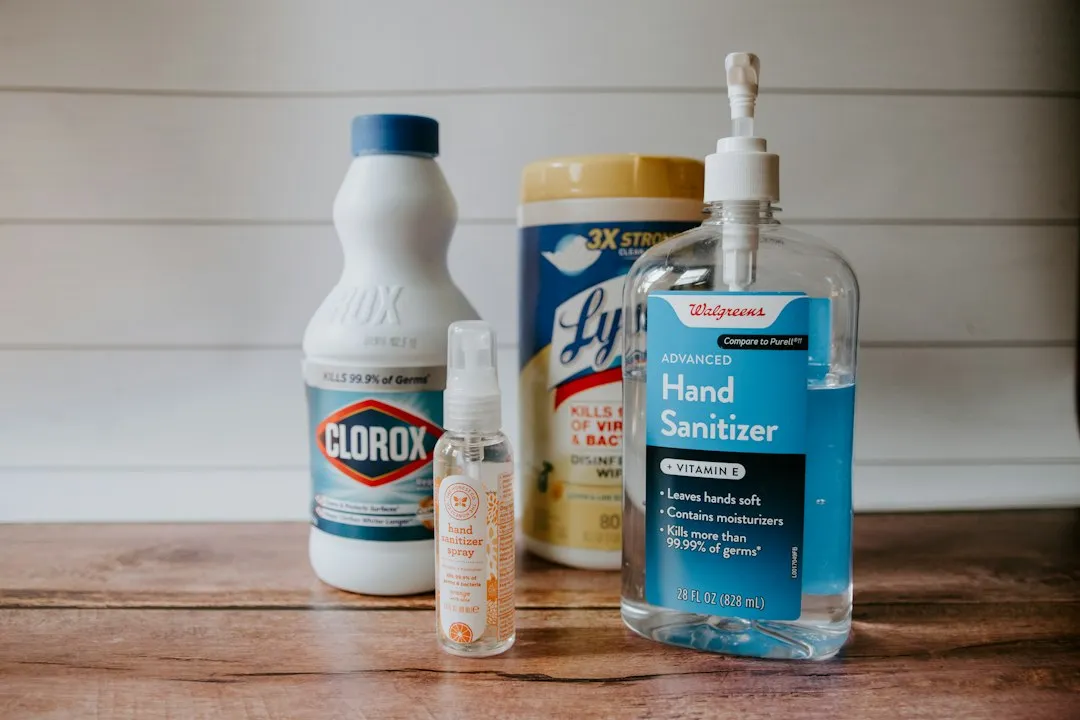
Water outages don’t just affect drinking. They affect toilets, hand-washing, and basic hygiene. Sanitation supplies are among the least glamorous items on any emergency kit checklist, which may be exactly why they tend to get skipped. The practical risks, however, are significant, particularly when sheltering in place for multiple days.
FEMA’s official supply list includes moist towelettes, garbage bags, plastic ties for personal sanitation, feminine supplies, and personal hygiene items as recommended emergency kit components. During extended disruptions, maintaining hygiene becomes a genuine public health matter, not just a comfort issue. Hand sanitizer, waste bags, and basic hygiene items can prevent secondary health problems when clean water access is limited.
10. Pet Supplies

Households with pets often pack for every family member except the ones on four legs. Each household is different, and individual needs, including pets and medication needs, should be considered when building a disaster supply kit. In practice, pet supplies are frequently forgotten until the moment of evacuation, when there’s no time to gather them properly.
FEMA’s emergency kit checklist includes pet food, extra water for pets, a collar, leash, a photo for identification, and a rabies vaccination certificate as items to have prepared. The vaccination certificate matters specifically because many emergency shelters and hotels have pet policies that require proof of vaccinations. Pet food and supplies regularly appear among the top items people most wished they had included in their emergency kit after a real disaster.
The Bigger Picture: Why So Many Kits Are Still Incomplete
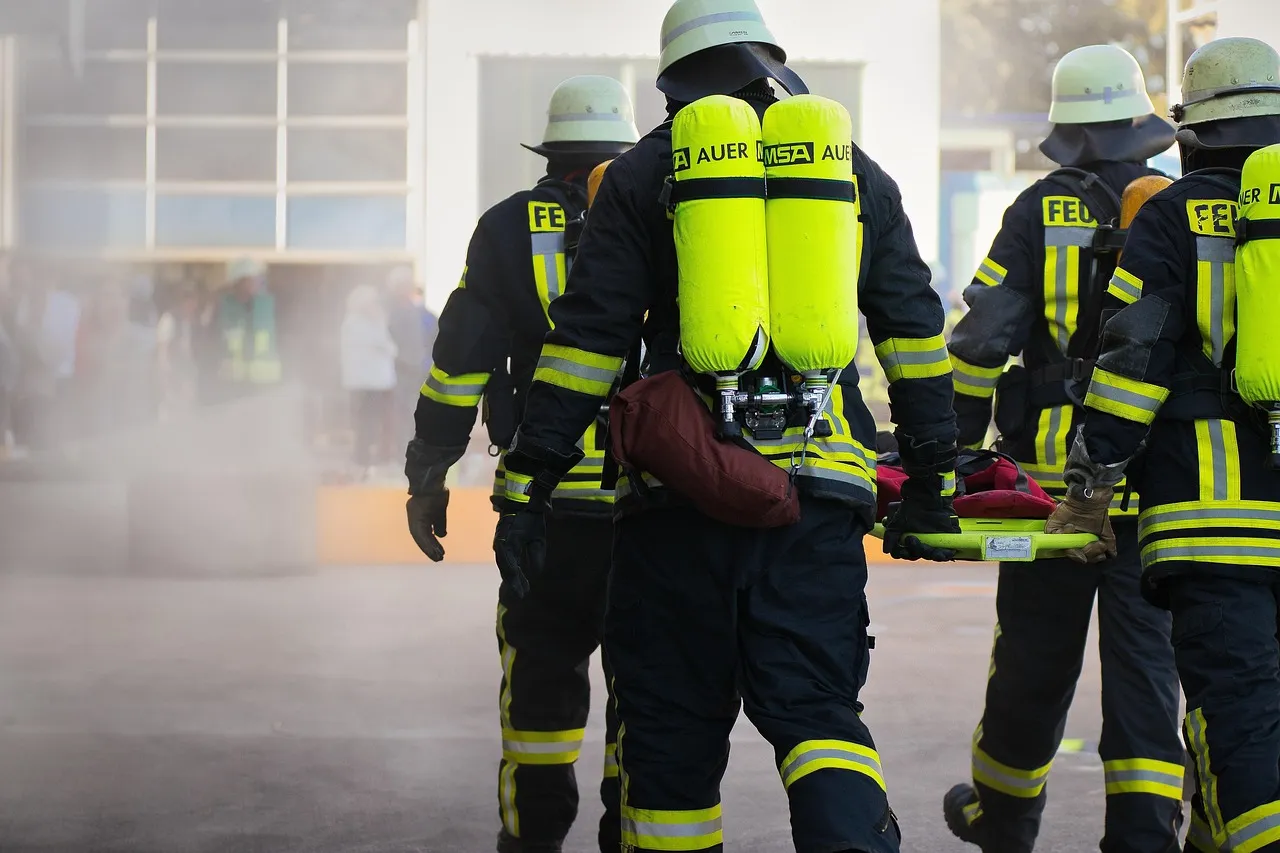
According to the Centre for Research on the Epidemiology of Disasters and the United Nations Office for Disaster Risk Reduction, there were 393 recorded natural hazard disasters worldwide in 2024, causing more than 16,700 deaths and affecting roughly 167 million people. Closer to home, the United States experienced 27 billion-dollar natural disasters in 2024 alone, including hurricanes, tornadoes, wildfires, and flooding.
Only about one in four Americans feels very or extremely confident about knowing what to do in a major disaster. That confidence gap tracks closely with the preparedness gap. Just over half of U.S. households have made any emergency preparations in the past twelve months, and roughly half of respondents cite the cost of supplies as a key barrier. The reality is that many of the most commonly forgotten items, a can opener, a paper map, a few small bills, cost almost nothing at all.
Emergencies can happen without warning, and when they do, every second counts. Having well-stocked essential items ready to go can save time, reduce stress, and save lives. The standard advice to start with water and food is correct, but stopping there leaves real holes that only become visible at the worst possible time.
Final Thoughts
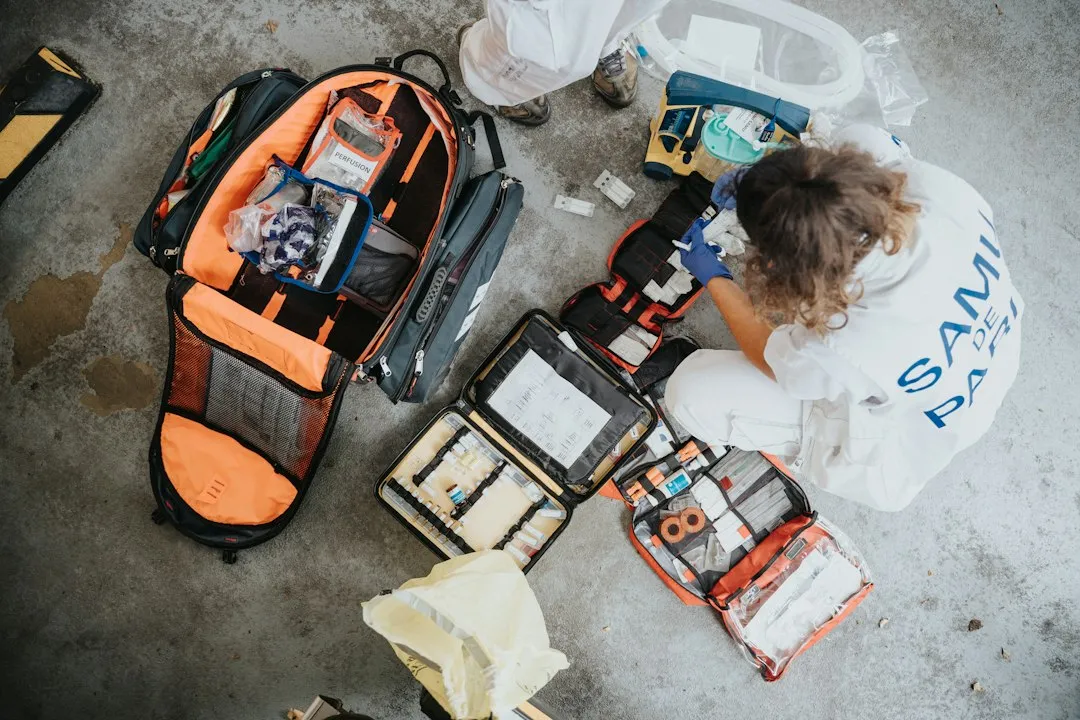
The most dangerous item missing from an emergency kit isn’t always the dramatic one. It’s often the quiet, obvious thing nobody thought to write down: a spare medication, a printed map, a handful of cash in small bills. Experienced preparedness advocates consistently note that it’s the small overlooked items that cause the biggest headaches, and many families realize something critical is missing only on day three of a power outage.
Re-evaluating your kit every year and updating it as your family’s needs change is part of what makes preparedness actually work over time. A kit built once and never revisited drifts quietly out of date. Medications expire, documents change, children grow, and new risks emerge. The goal isn’t a perfect kit. It’s a kit that works on the day it needs to.
AI Disclaimer: This article was created with the assistance of AI tools and reviewed by a human editor.