
What the Sound Actually Is
If you’ve noticed strange sounds coming from your home’s pipes or from the fixtures before the water flows, it may be that air is trapped in the water lines. Trapped air can be harmful to plumbing, so it’s worth taking seriously rather than ignoring.
The most recognizable signs include gurgling noises when water flows through your pipes, banging or knocking sounds known as water hammer, and fluctuating water pressure or inconsistent water flow from your fixtures.
In some cases, air trapped in the pipes can cause a knocking or banging noise. When you first turn on a faucet, the trapped air can be forced through the system, creating a knocking sound until the air is fully flushed out.
Banging vs. Gurgling: Two Different Signals
Whenever a noise occurs as you open a tap, it is most likely air in the pipes. However, if the noise occurs whenever a valve is closed, then it is most likely a water hammer situation. That one distinction helps you narrow down the cause significantly.
A loud banging sound can occur when you turn on a faucet or flush a toilet. It’s usually caused by air trapped inside the pipe, creating a vacuum that results in loud banging noises.
Another common cause of banging, as well as humming or bubbling, is the presence of air bubbles and pockets in your pipes. Gurgling tends to be the gentler of the two, but it deserves just as much attention because it often signals a blockage or venting issue compounding the air problem.
How Air Gets Into Your Pipes in the First Place
Air commonly enters plumbing systems through various pathways. These include backflow, where water flow reverses due to pressure changes and draws air into the system; temperature changes that create a vacuum effect, pulling air into the pipes; and maintenance interruptions where opening and closing valves can disturb water flow and allow air to enter.
Sometimes air can become trapped in the plumbing system when there is a disruption in the water supply, such as when you turn off the water main for repairs or maintenance. The air trapped in the pipes will create bubbles, leading to gurgling noises.
Air can enter from water supply interruptions, leaks, faulty valves, or recent maintenance that drained your system. Even something as routine as city water maintenance on your street can introduce air into your home’s lines temporarily.
The Role of Air Chambers
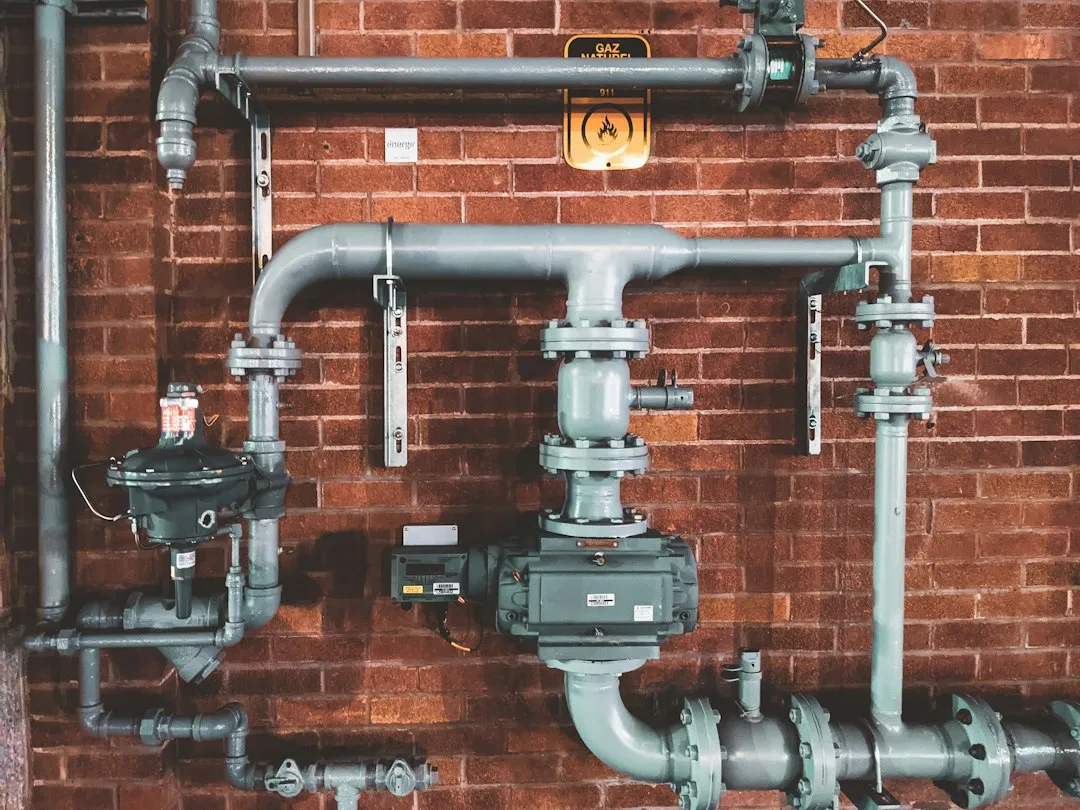
Air chambers are vertical pipes that are located behind your walls near the shut-off valves of your fixtures. Normally, these air-filled pipes apply pressure on the water in the supply line and prevent hammering from occurring. Over time, they can become filled with water and no longer hold enough air to absorb the force.
Many homes have air chambers, short vertical pipe sections installed near valves, that are designed to absorb hydraulic shocks. When these fill with water over time, they lose their cushioning effect, and water hammer resumes.
Modern plumbing systems are designed with chambers of air to ease the damage caused by water hammers. When that built-in buffer disappears, the noises come back with a vengeance, and homeowners often have no idea why a previously quiet system has suddenly become loud.
Water Hammer: The Most Damaging Air-Related Sound
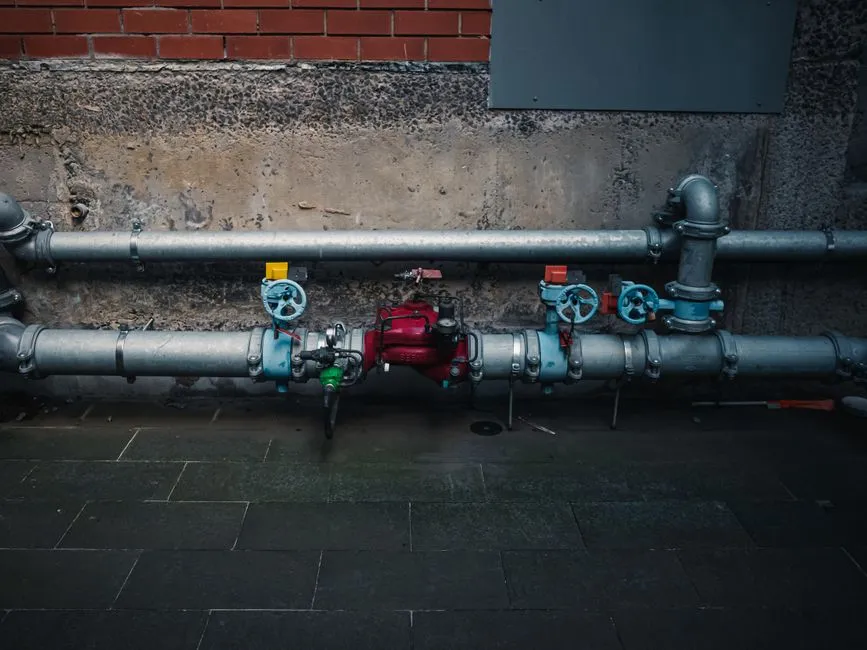
The most frequent cause of banging or knocking in a plumbing system is water hammer. It occurs when a valve shuts off suddenly, causing the flow of water to stop abruptly. Since water is incompressible, it slams against the closed valve or pipe walls, creating that loud knocking or banging sound.
Industry data from DFT Valves and Measure Monitor Control show that pressure spikes from hammer can far exceed normal design pressures and damage pipes, valves, and joints. This is not a minor mechanical quirk; it’s a measurable force doing measurable damage.
Water hammer tends to feel like a nuisance rather than an emergency, but the long-term consequences are real. Repeated hydraulic shocks gradually loosen threaded connections, work solder joints apart, and fatigue the material of older pipes. The damage is cumulative and often invisible until a fitting fails unexpectedly. This makes water hammer one of the underlying causes behind sudden pipe leaks that appear to have no obvious explanation.
When High Water Pressure Makes It Worse
When water pressure is too high, it can cause your pipes to vibrate or bang as the force of the flow exceeds what your plumbing was designed to handle. This can damage fittings, wear out appliances, and make your plumbing noisy.
It’s recommended that water is delivered to your home at no lower than 40 and no greater than 80 psi. Anything beyond that range and your pipes are working harder than they should, which means air pockets hit with far more force when water rushes past them.
Excessively high pressure, specifically above 60 psi, increases the likelihood of water hammer. A pressure gauge from any hardware store can confirm your reading in minutes. It’s one of those checks most homeowners never think to do until something goes wrong.
Loose Pipes Amplify the Problem
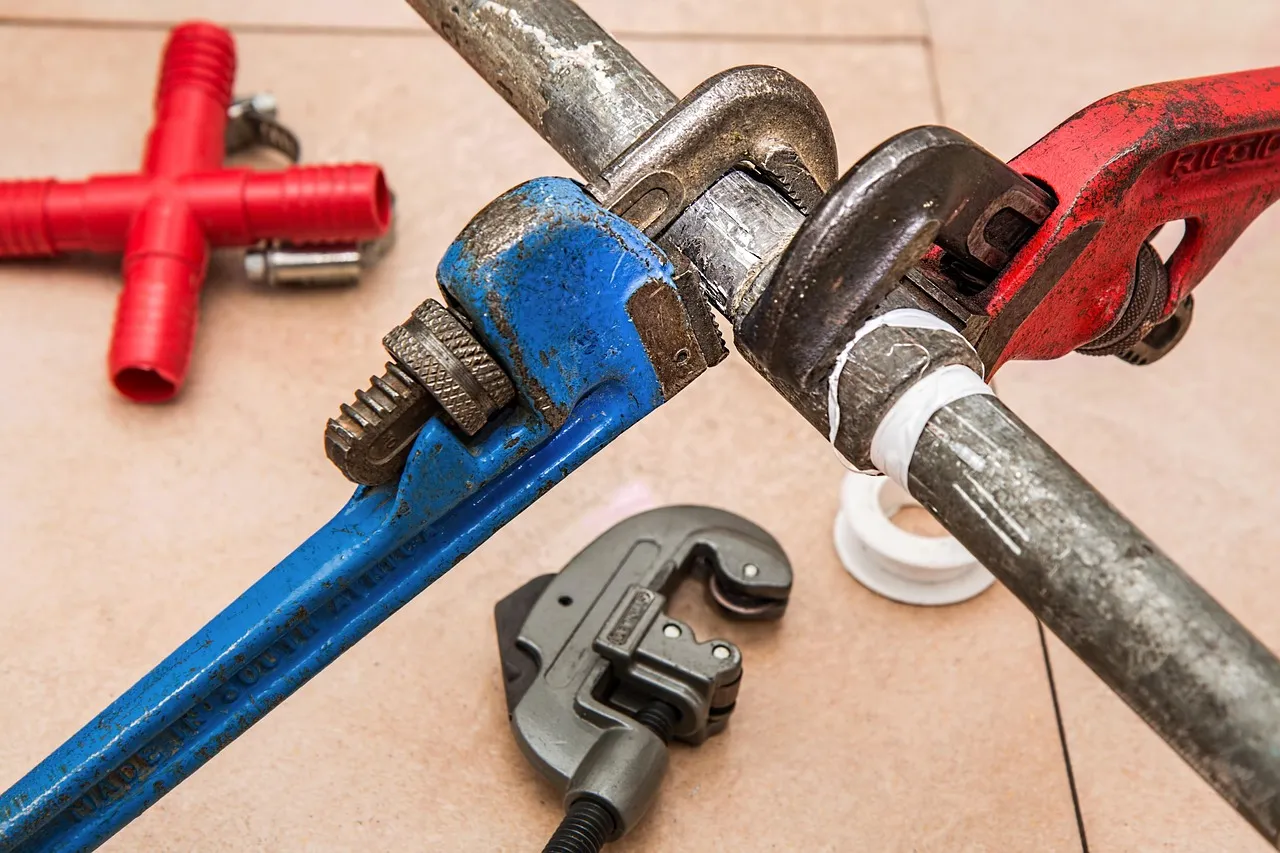
Sometimes the issue is purely mechanical. If pipes aren’t secured tightly to walls, floors, or joists, the vibration caused by running water can make them rattle or knock against framing materials. This issue is common in older homes or homes that have had partial plumbing work done over the years.
In many cases knocking pipes are simply due to loose elbows or valves that aren’t completely open or closed. In some instances, the base of the pipe may be vibrating against another surface because of air pockets in between them.
Pipe noises can also be a side effect of recent construction or renovations in your home. If your pipes were not properly re-secured after a remodeling project, they could be more susceptible to movement and subsequent knocking. A quick visual inspection in an accessible basement or crawl space can sometimes reveal a loose pipe strap right away.
What Happens If You Ignore the Sound
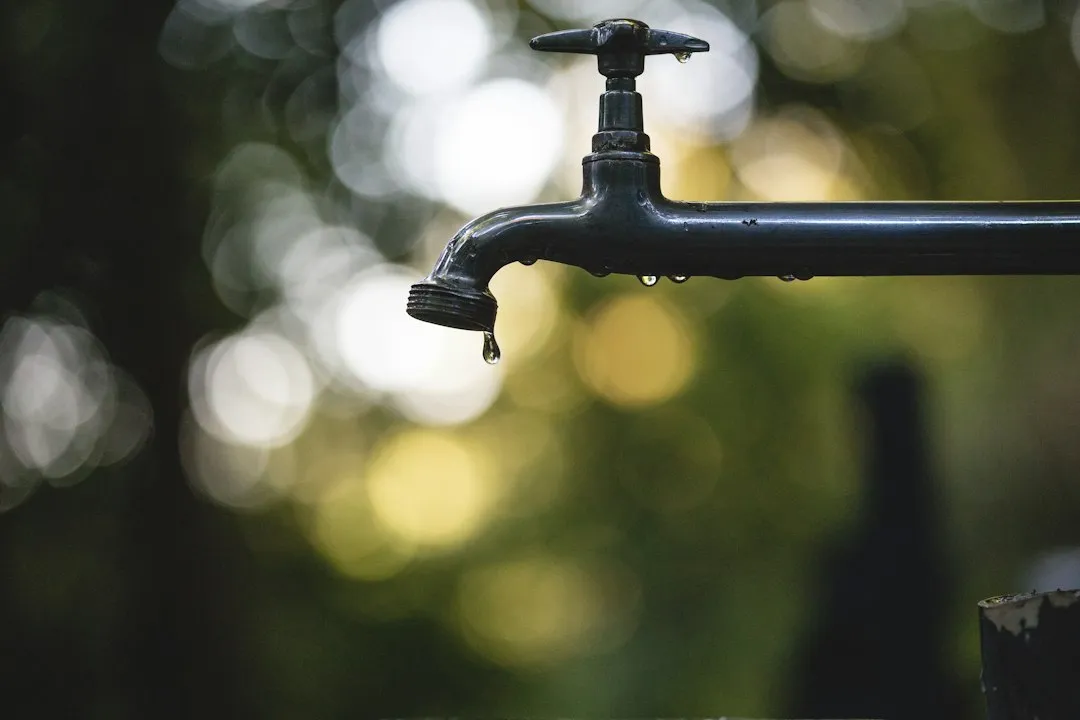
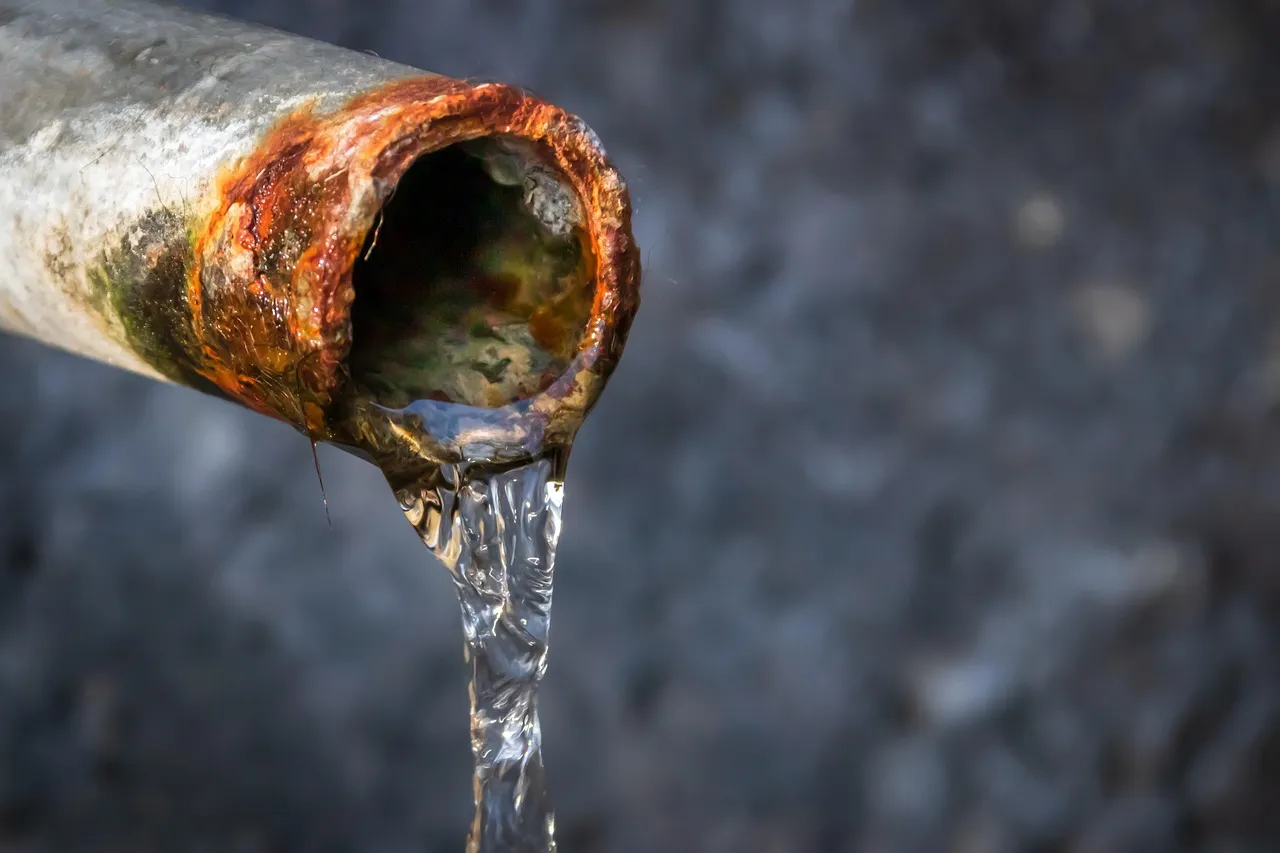
The damage may start as a barely visible weep that slowly corrodes metal, soaks framing, and, in extreme cases, compromises nearby electrical systems. That’s a significant escalation from what started as an annoying knock after a shower.
Water hammer can vibrate the pipes so significantly that the pressure can actually damage the pipe connections and joints, resulting in cracks or weakened joints. These cracks don’t always announce themselves immediately; they often develop slowly over months.
Some leaks may be hidden at first, causing a slow drip inside the walls. If a hidden leak isn’t discovered and fixed quickly, it could result in mold or structural damage to your home over time. Mold remediation is one of the costlier home repairs a homeowner can face, and it often traces back to plumbing that was slowly failing for a long time.
How to Flush Air Out of Your Pipes Yourself
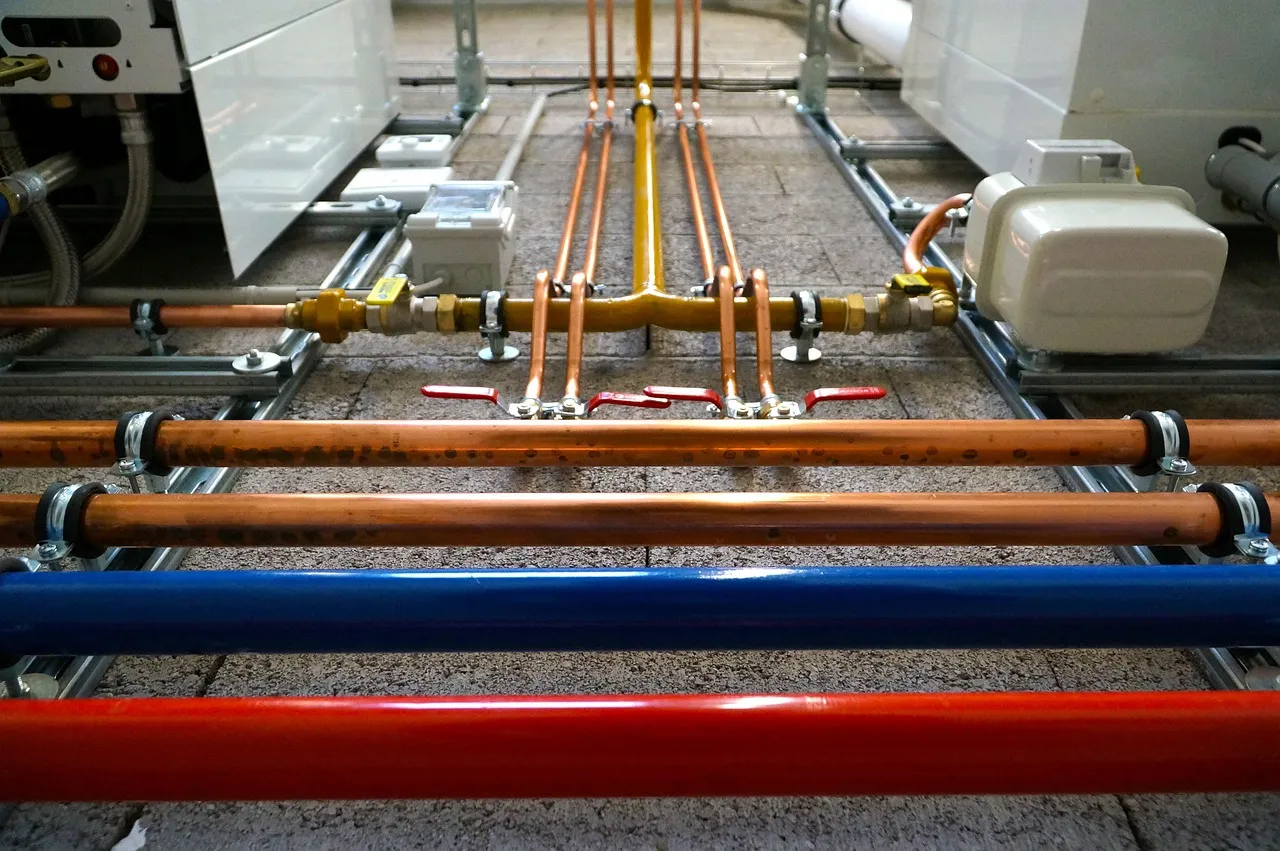
Starting with the faucet closest to the main valve, turn on all your faucets halfway. This creates a channel for the air to leave the plumbing system and avoids putting too much pressure on any single tap.
To purge air from hot water pipes, start by turning off the main water supply. Then, open the highest faucet in your home to let air escape. Next, open the lowest faucet and drain water until it runs smoothly.
If air in the pipes is the issue, you can try running the taps to help expel the air. If the problem persists, a plumber can flush the system to remove trapped air more effectively. Most straightforward air pockets clear within a few minutes of running faucets systematically throughout the house.
Installing a Water Hammer Arrestor
A water hammer problem can be fixed and prevented by creating a space filled with gas or air before the outlet to absorb the buildup of pressure. Modern water hammer arrestors do exactly this with a sealed, pressurized chamber that compresses instead of transferring shock through your pipes.
Fast-closing valves on modern appliances such as dishwashers, washing machines, and ice makers are common culprits. Water hammer arrestors are small devices that absorb the shock caused by sudden stops in water flow, and they’re typically installed near the problem appliance.
Air pockets trapped in the pipes can lead to pressure surges when water displaces the air suddenly. Installing air-relief valves at high points in the plumbing system allows trapped air to escape, maintaining smooth water flow and preventing water hammer. These are low-cost fixes relative to the damage they prevent, and most are installable without professional help.
When to Call a Plumber
Frequent or loud knocking can indicate an underlying plumbing issue that should be addressed before it leads to leaks, damaged pipes, or costly repairs. If you’ve flushed the system yourself and the sounds return within days, that’s the clearest sign a professional should take a look.
If you’ve followed all the steps and still notice issues, don’t hesitate to call a professional. Sometimes what seems like “air in the lines” might be a symptom of a bigger problem, like a hidden leak or a failing valve.
A good plumber will not only chase the noise; they will check pressure, supports, device placement, and, when necessary, valve types and pump behavior. That kind of full-system review is worth the service call, especially in homes where the plumbing hasn’t been inspected in years.
The Takeaway
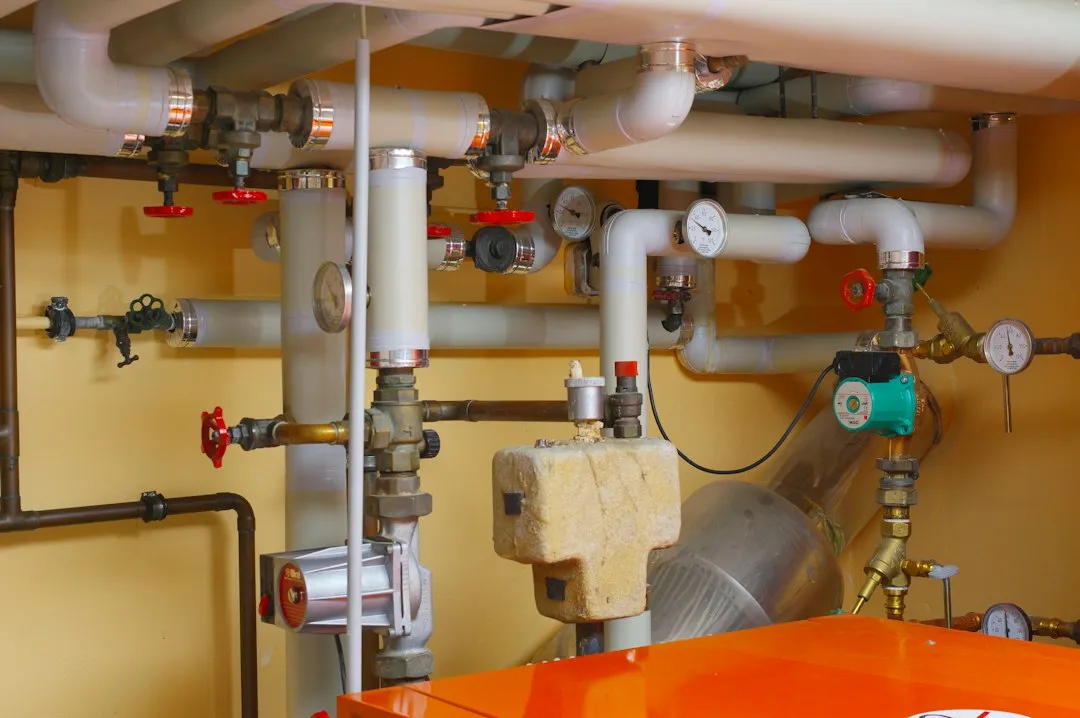
A knocking, gurgling, or sputtering pipe is your plumbing talking. More specifically, it’s usually telling you that air has disrupted the normal, pressurized flow of water through your system. Air pockets might seem minor, but they can cause long-term issues if ignored, from noisy pipes to damaged valves or inconsistent water flow. By learning how to remove and prevent air buildup, you’re not just fixing an annoyance; you’re extending the life of your entire plumbing system.
The sounds are easy to overlook, especially in an older house where odd noises feel like part of the character. Still, this particular sound has a cause, a diagnosis, and a fix. Catching it early means the difference between a five-minute faucet flush and a several-thousand-dollar pipe repair down the road.
AI Disclaimer: This article was created with the assistance of AI tools and reviewed by a human editor.