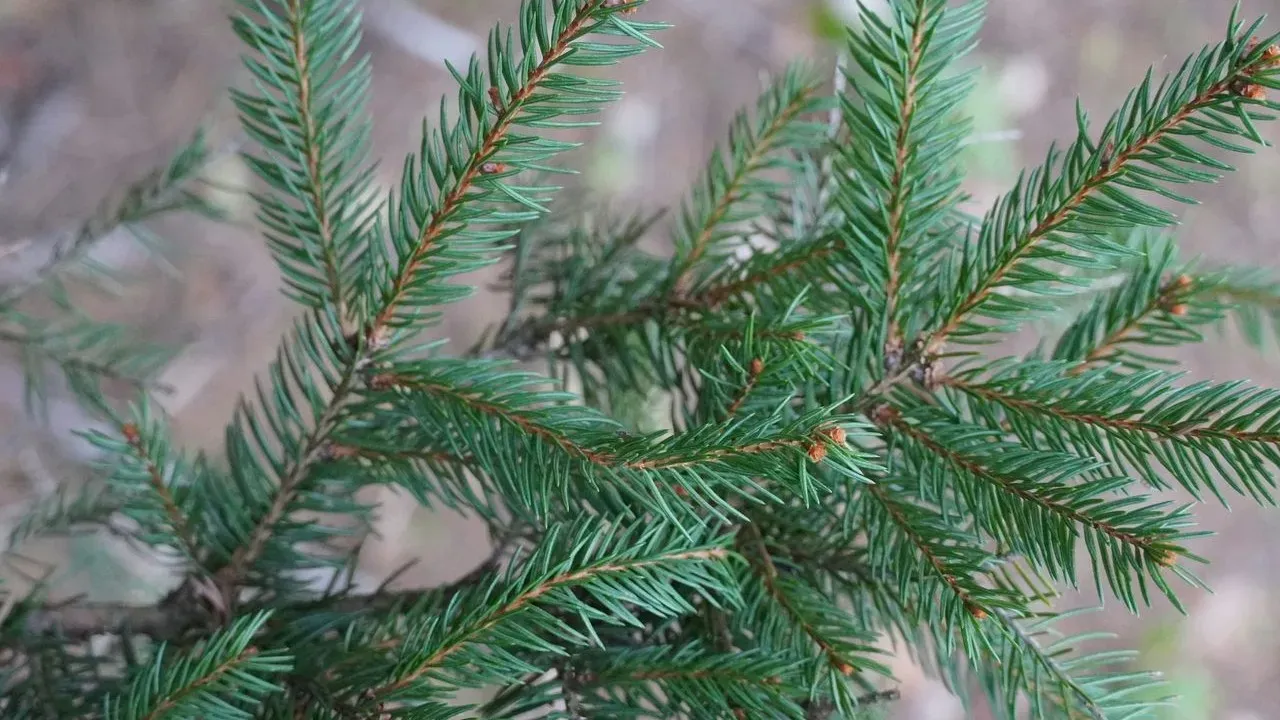

Many gardeners rely on a narrow set of evergreens such as boxwood and holly for winter interest. Yet a wider range of distinctive broadleaf options exists that can bring greater variety in form, texture, and resilience while maintaining foliage through all seasons. Dr. Paul Cappiello, executive director of Yew Dell Botanical Gardens, has drawn on decades of horticultural experience to spotlight selections that stand out for their underappreciated qualities. ([1])
Why Year-Round Structure Matters in Modern Gardens
Gardens without strong evergreen elements often lose visual coherence once deciduous plants drop their leaves. Broadleaf evergreens fill that gap by supplying consistent foliage, which supports both aesthetic appeal and practical functions such as windbreaks or privacy screens. Homeowners and landscape designers increasingly seek plants that perform reliably across changing weather patterns. These selections reduce the need for seasonal replanting and help maintain soil stability in colder months. The result is a more stable outdoor space that requires less intensive upkeep over time.
Characteristics That Set These Plants Apart
Distinctive broadleaf evergreens often feature unusual leaf shapes, growth habits, or bark details that differentiate them from standard choices. Cappiello notes that many of these plants offer honest performance data on hardiness zones and site requirements, allowing gardeners to match them precisely to local conditions. Proper siting plays a central role in their success. Some thrive in partial shade while others tolerate full sun, and soil drainage remains a common factor across the group. Attention to these details helps avoid common establishment problems that can affect less familiar species.
Practical Benefits for Gardeners and Landscapes
Incorporating a broader palette of broadleaf evergreens can extend seasonal interest without relying on repeated purchases of annuals or tender perennials. The plants contribute to biodiversity by supporting pollinators and wildlife during periods when other resources are scarce. Stakeholders ranging from suburban homeowners to public garden managers stand to gain from reduced maintenance demands once the plants are established. Over several years, the initial investment in careful selection and planting typically yields lower long-term costs compared with more conventional approaches.
Guidance on Selection and Care
Cappiello emphasizes evaluating each plant’s mature size and growth rate before placement. This step prevents overcrowding and ensures the intended structure develops as planned. Ongoing care focuses on monitoring for pests or diseases that may affect specific varieties differently than common evergreens. Regular observation in the first few seasons allows adjustments that support healthy development across varying climates. What matters now is recognizing that thoughtful plant choices can reshape how a garden functions through winter and beyond. Gardeners who explore these options position their landscapes for greater resilience and visual continuity in the years ahead.
AI Disclaimer: This article was created with the assistance of AI tools and reviewed by a human editor.