

Clean It Before You Bring It In
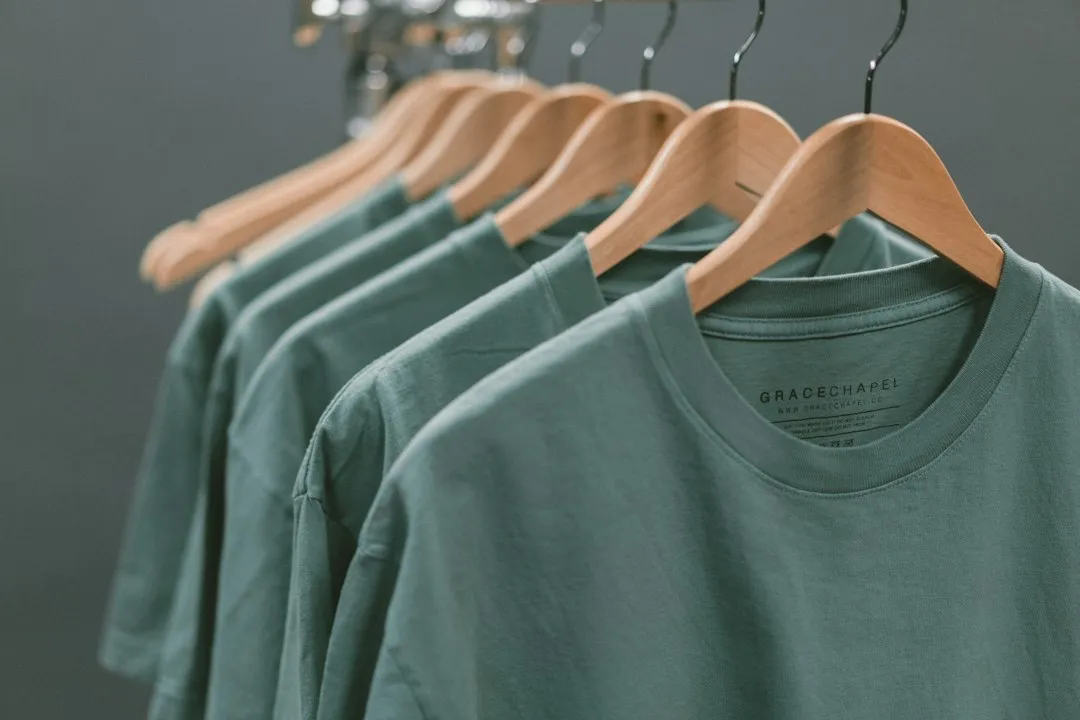
This sounds almost too obvious, but it’s the single most impactful thing a consignor can do before walking through the door. To guarantee that your items sell quickly for top dollar, clean them well before you take them to the consignment store. This alone can boost an item’s price by as much as 25%.
Shoppers at consignment stores expect better quality than what they’d find at a garage sale. Consignment sale prices are higher than yard sale prices, so shoppers expect to find better stuff. Spend a few minutes cleaning up the items that you plan to sell.
Replace or repair any broken hardware. Touch up any scratches or dings. A small amount of effort at home can be the difference between a quick sale and a rejected item at the intake counter.
Bring Items at the Right Time of Year

Timing your drop-off to match the current season is one of the most overlooked tricks in consignment. Most consignment stores want to sell seasonally. Don’t bring in patio furniture in November or a sweater in July. There are often buying seasons, so make sure you know what buying season the shop you are trying to sell to is in.
Seasonality plays a significant role in how to price clothes for resale. A winter coat priced in October will move faster and at a higher price than the same coat in January.
Items typically sell best at the beginning of their appropriate season. So if you have ski gear, don’t wait until December. Bring it in late October when demand is building and the shelves aren’t already full of competing inventory.
Price It Right from Day One

Overpricing is the most common reason items sit. Most items at consignment stores are priced at about one-third of their original retail price. That’s the starting point most experienced consignors work from, not the ceiling.
For used clothing, tiered brand categories work well: assign premium labels a higher price range, mid-tier brands a middle range, and fast fashion a lower range. Condition matters too. New-with-tags items can sit closer to 50% of retail, while heavily worn pieces should land lower.
Consignment pricing involves understanding the value of items, where consignors submit items for sale at their desired price. Effective pricing strategies ensure items sell quickly while providing good returns for both the shop and consignors. Getting that first number right saves everyone time.
Ask the Shop What They Actually Need

Most consignors walk in blind, carrying whatever they want to get rid of. A smarter move is to call or visit first and ask what the store is currently low on. Ask if the store is looking for any particular items before you sell. Consignment stores that sell clothing will often tell you if they are running low on any particular clothing item. This helps you target what items you’re ready to part with and hopefully will help you sell more since their inventory is often low.
Sometimes it’s hard not to take offense when a consignment buyer passes on your beloved items. They often know what sells and what doesn’t at their store and they know their market better than you do. Leaning into that knowledge rather than fighting it is a fast-track to better results.
Understand the Markdown Schedule

Every reputable consignment shop runs a markdown cycle. Knowing how it works lets you price strategically from the start rather than being caught off guard. Most items at consignment stores are priced at about one-third of their original retail price. Usually stores will mark down items an additional 20% to 25% after a month, then another 40% to 50% after two or three months.
Every item will not sell at its starting price, so markdowns should be part of the pricing strategy from the beginning rather than an emergency decision months later. If you know your item will be discounted at 31 days, you can set the initial price slightly higher to protect your final return.
Items taking more than 75 days to sell could indicate weak demand. Products flying off the shelves in under 15 days might be priced too low, potentially 10 to 20% less than they should be. Both extremes are worth paying attention to over time.
Presentation Still Matters Even Off the Rack

How an item looks when a shopper first encounters it carries real weight. Attractive displays and organization make a measurable difference in sell-through rates. While you can’t control where the shop places your item, you can deliver it in the best possible condition, properly hung, folded, or wrapped.
For clothing, arriving with items on proper hangers rather than crammed into a bag signals quality before the store even tags them. A tagging gun is far faster than safety pinning tags to items, and the results are a lot more professional. Professional presentation builds buyer confidence at a glance.
Upgrading product photos to highlight details and quality is especially relevant for shops that cross-list inventory online, which is increasingly common. If a shop offers to photograph your item, that visibility boost is worth encouraging.
Bundle Slow Movers Strategically

If you have multiple related items, bundling them can shift inventory that might otherwise stall. Bundling like items is a great way to make the most of your allotment when a sale has item limits. A matching set sells the story, not just the object.
If your sell-through rates need a boost, try automating markdowns after 30 days and bundling slow-moving items together to make them more appealing. Shoppers respond to perceived value, and a bundled price often feels like a deal even when the math is the same.
Consider “fill-a-bag” or bulk pricing events for slow items. Clearly tag sale items and promote these deals with signs or online ads to ensure customers notice them and help you rotate stock quickly. Shops that run these events regularly tend to move older inventory before it gets donated.
Choose the Right Shop for Your Items

Not every consignment shop is right for every item. A general resale store may not be the best place to bring a rare piece of mid-century furniture, and a high-end boutique may reject everyday mall brands at the intake door. There are many consignment shops, including those specializing in clothing, furniture, art, and more. Some consignment shops only accept high-end merchandise, while others will take just about anything.
Your research becomes the most powerful tool when selecting the right consignment partner. Find one whose commission structure, contract terms, and target market align with your inventory. Matching your item to the right audience is half the battle.
You might not make as much as you would selling items on your own, because consignment stores typically split the profit 50/50. However, the tradeoff is real: it’s easier than selling on your own. No shipping hassles, no photographing or marketing, no chasing unreliable buyers. The boutique handles everything.
Leverage the Rise of Online Consignment

The fastest-growing corner of the resale world right now is digital. The U.S. secondhand apparel market grew 14% in 2024, and online resale saw accelerated growth for the second consecutive year at 23%, growing at its strongest rate since 2021. That momentum has real implications for what you choose to consign and where.
Online resale grew significantly in 2024. Local consignment shops are also leveraging online tools, like Facebook Live auctions, to expand their reach. If your local shop broadcasts inventory online, ask whether your items can be included. That kind of visibility used to cost money. Now it’s part of the standard toolkit at many stores.
As of 2026, the U.S. secondhand market is worth an estimated $61 billion, up nearly 9% from 2025. Sellers who understand how to navigate both physical and digital channels in parallel are positioned to move items faster than those relying on foot traffic alone.
Track What Sells and Refine Over Time

The consignors who consistently sell the fastest aren’t guessing anymore. They’ve built a mental database of what moves and what doesn’t. By monitoring which items sell quickly and which linger on shelves, you’ll develop invaluable insights to guide future consignment decisions. Specialized inventory management tools transform data collection from tedious paperwork into actionable intelligence.
Track seasonal sell-through rates in your own experience and use that information to refine future intake dates, starting prices, and clearance timing after peak season. Even a simple notebook log of what you brought in, when it sold, and at what price will sharpen your instincts over time.
Once you learn what resells well on consignment, you’ll likely start making more intentional long-term wardrobe choices, treating your closet like an investment. Being able to resell your goods on consignment often isn’t about the original retail price. It’s more about demand today.
The Takeaway
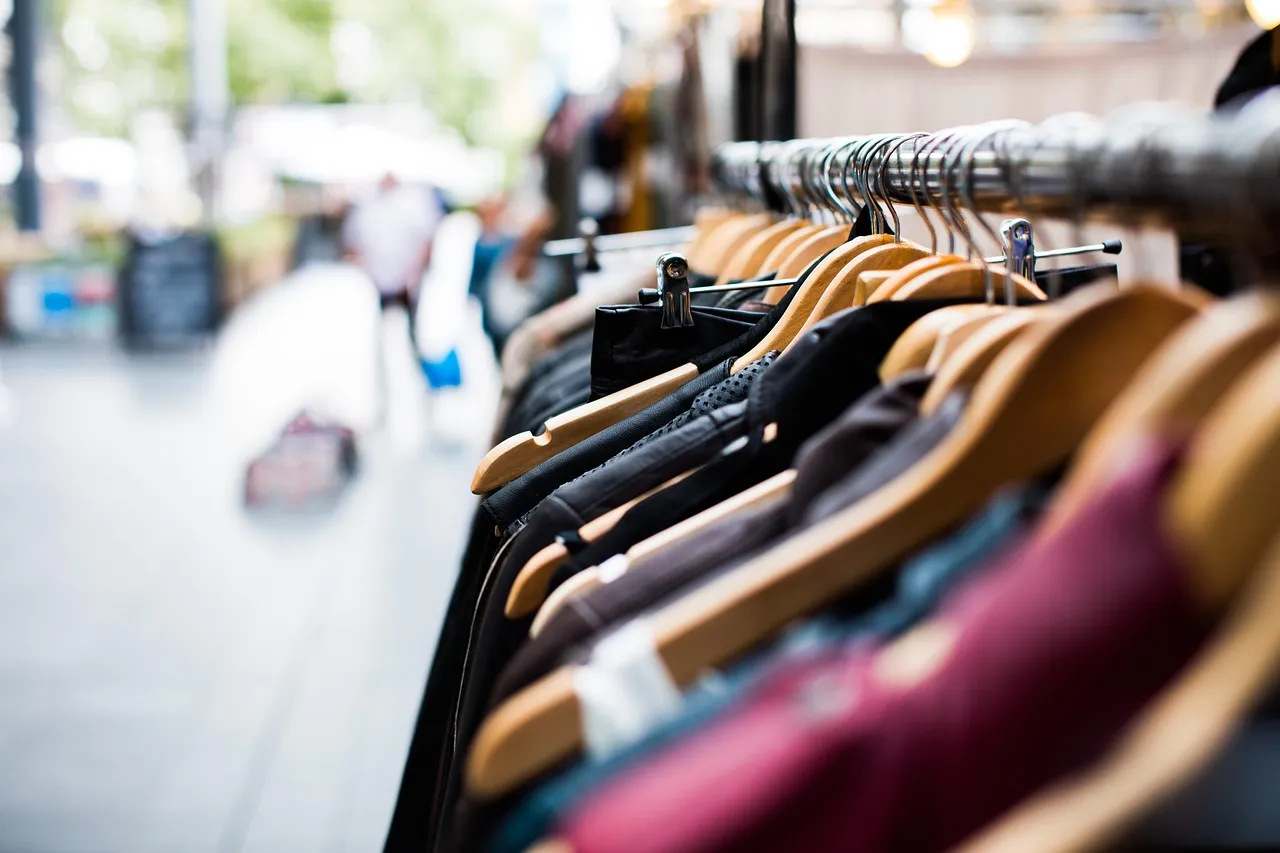
Selling faster at a consignment shop is less about having better stuff and more about doing the small things consistently. Clean presentation, smart timing, realistic pricing, and picking the right venue work together as a system rather than as isolated tips.
Resale continues to outperform the broader fashion and luxury market. Looking ahead, the secondhand market is expected to grow two to three times faster than the first-hand market from 2025 to 2027. That growth benefits sellers who show up prepared.
In a market this active, the floor is full of competition. The trick isn’t a secret formula. It’s simply respecting the process enough to do it well.
AI Disclaimer: This article was created with the assistance of AI tools and reviewed by a human editor.