
What a Cabin Air Filter Actually Does
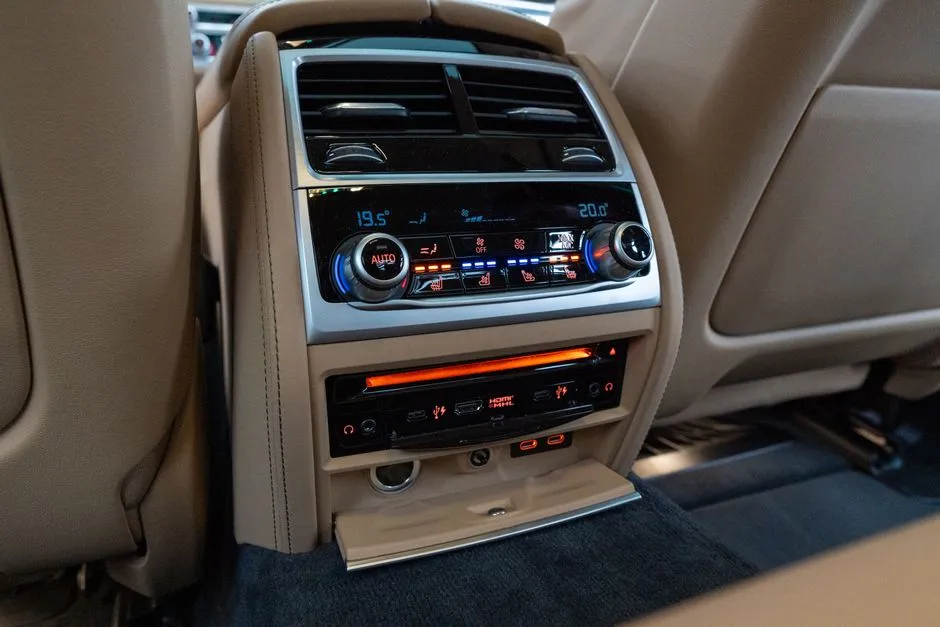
The cabin air filter cleans the air entering your vehicle through the HVAC system, ensuring harmful contaminants don’t circulate through the cabin. The system draws air from outside, which can contain pollutants such as dust, pollen, mold spores, exhaust fumes, and smog.
Every time the heater, air conditioner, or defrost system runs, outside air must pass through the cabin air filter before it reaches the blower motor, evaporator, heater core, and ductwork. That means the filter is in play virtually any time the system is on.
The cabin air filter also protects the HVAC system and its sensitive components from the buildup of pollutants inside the system. When the filter is clean, air can flow easily through the system, allowing it to work correctly and efficiently.
How Restriction Builds Up Without You Noticing
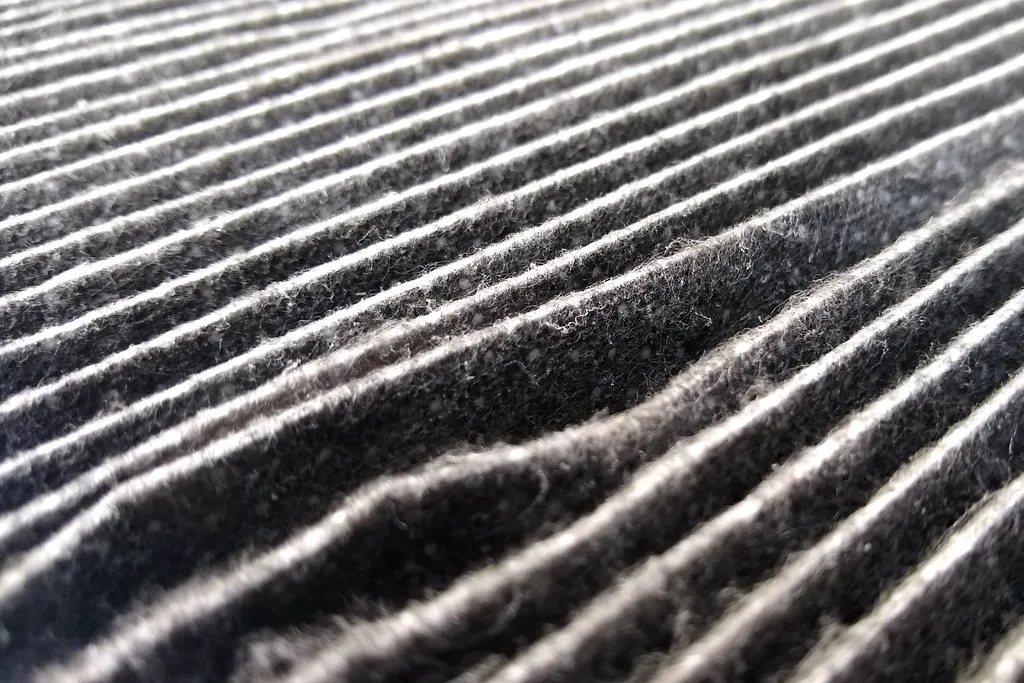
As a cabin air filter becomes dirty, airflow resistance increases. That restriction affects how efficiently the HVAC system can move air, exchange heat, and manage moisture.
Because these changes happen gradually, HVAC performance issues caused by a dirty cabin air filter are often mistaken for failing components rather than restricted airflow. That’s the quiet part. The cause gets misdiagnosed because the symptoms look like something else entirely.
A cabin air filter does not expire on a fixed date. Its lifespan depends entirely on how much dust, pollen, smoke, road debris, and pollution it has to trap. A driver in a dry desert town and a driver in a dense urban center with heavy traffic are not on the same schedule, even if their cars are identical.
The Blower Motor Pays the Price First
A dirty cabin air filter restricts airflow through the AC system, so the cabin cools more slowly and the blower motor works harder. This is the first domino. The motor isn’t broken, it’s just overworked.
To push air through a restricted filter, the motor draws more effort, adding strain that can shorten its lifespan over time. It’s a slow drain on a component that was never designed to operate under constant resistance.
Over time, a severely clogged cabin air filter puts additional strain on the HVAC system. Components like the blower motor and heater fan resistor can overheat from the extra load, leading to costly repairs. A blower motor replacement is rarely cheap, and it’s an expense that a timely filter swap could have avoided entirely.
The Evaporator Freeze Problem

A clog reduces airflow, not air temperature. Severe restriction can cause the evaporator to freeze, which blocks airflow and leaves you with warm, weak output until it thaws. This is the point where drivers often panic, assuming the AC has fully failed.
A dirty cabin air filter makes the blower motor work harder, which can shorten its life and, in severe cases, contribute to a frozen evaporator that blocks airflow completely. The system is producing cold air correctly. It simply can’t move it anywhere.
Since the cabin air temperature depends upon the flow rate of the air passing through the evaporator, or both, clogged filters can greatly reduce the effectiveness and performance of the vehicle’s air conditioning and heating systems. The evaporator isn’t at fault. The pathway to it is.
Contaminants Can Bypass a Saturated Filter
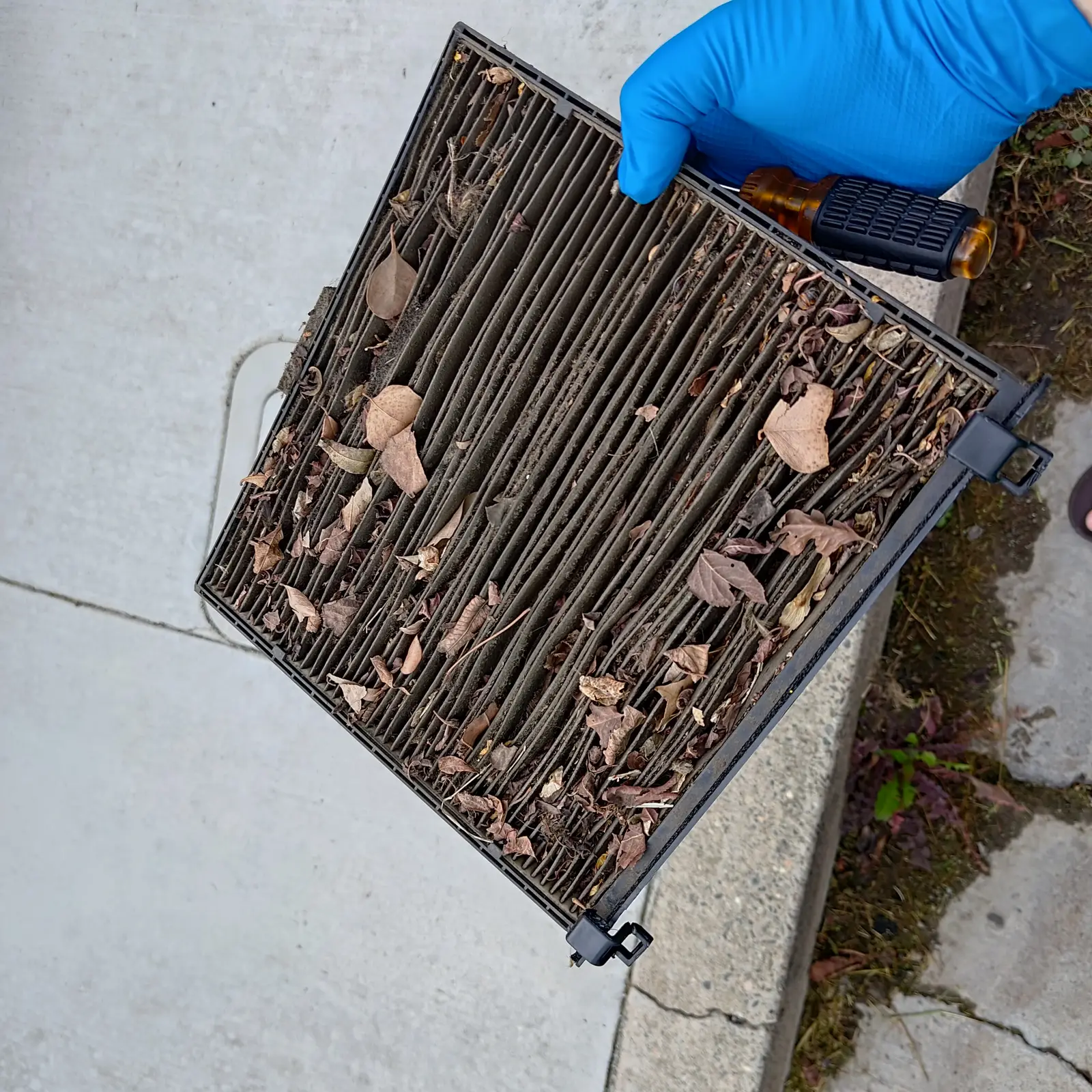
In some cases, a filter that is severely restricted can also allow contaminants to enter the HVAC system. The blower motor may pull dirt and debris from the over-saturated filter, sending it directly into the evaporator and heater core.
This can clog and damage these critical HVAC components. For these reasons, regular cabin filter replacement is essential for HVAC system health. A filter that was supposed to protect the system ends up introducing the very problem it was meant to prevent.
Dust and debris that bypass a clogged filter can accumulate on the evaporator core. This buildup can lead to reduced cooling efficiency, musty smells, and in severe cases, costly repairs to the blower motor or other parts.
The Fuel Efficiency Angle Nobody Talks About
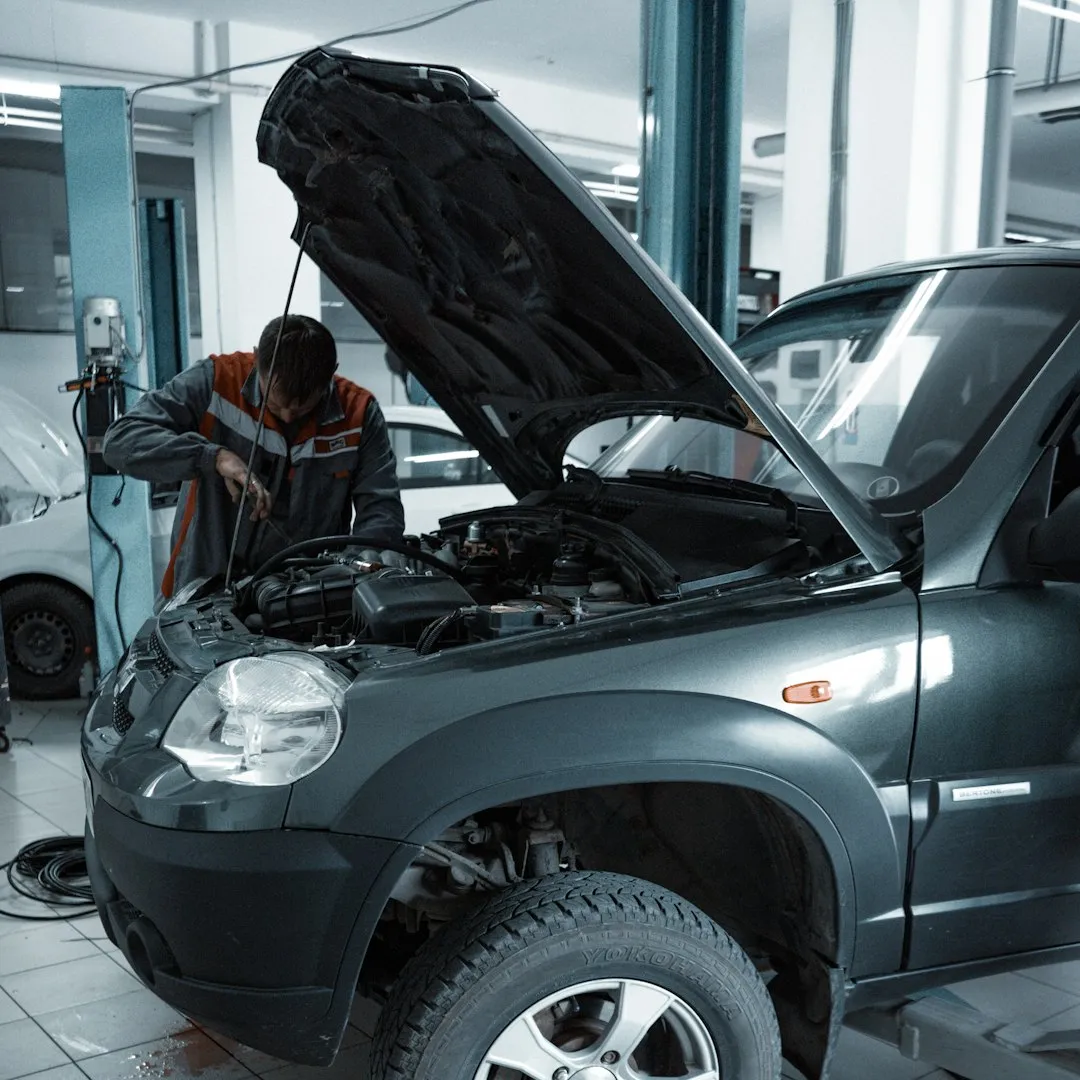
A dirty cabin air filter can reduce your vehicle’s fuel efficiency because the HVAC system has to work harder, increasing the load on your engine and causing it to use more fuel to keep cabin air comfortable.
A clogged filter can lead to increased pressure within the HVAC system, which can put additional strain on the engine. The engine’s performance may suffer as it works harder to maintain proper airflow and climate control, which can lead to reduced fuel efficiency and increased engine wear over time.
A dirty cabin air filter can also slightly reduce fuel efficiency, since the engine has to work harder to compensate for the restricted HVAC system. This isn’t a dramatic drop you’d notice at the pump immediately, but over thousands of miles it adds up in a way that’s entirely avoidable.
Moisture and Mold Inside the HVAC System
Over time, the added strain on components such as the blower motor can accelerate wear and potentially cause premature failure. This risk is heightened if the filter traps moisture, fostering mold and bacteria growth that contribute to unpleasant odors and possible health concerns.
Don’t ignore the smell. Mold can form if moisture accumulates in the HVAC passages. A musty odor when you first switch on the AC isn’t just unpleasant. It’s a signal that biological growth may already be present inside the system.
A musty or stale odor when you turn on the AC is a sign that mold or bacteria may be growing on the filter. Replacing the filter removes the source and allows the system’s airflow to dry out properly.
How Driving Conditions Accelerate the Problem

Driving conditions, such as dusty roads or urban areas with heavy pollution, can shorten the life of your filter. A driver navigating a city commute five days a week faces a very different load on their filter than someone covering rural highway miles on weekends.
In a dusty city or during a high-pollen season, a filter can hit that same capacity in half the time it would under clean, open-road conditions. Seasonal timing matters too.
Seasonal changes and high pollen counts can also reduce filter efficiency more quickly. Spring in particular tends to be brutal on filters, and it’s also exactly when drivers first start leaning on their AC after a long winter.
When and How Often to Replace It
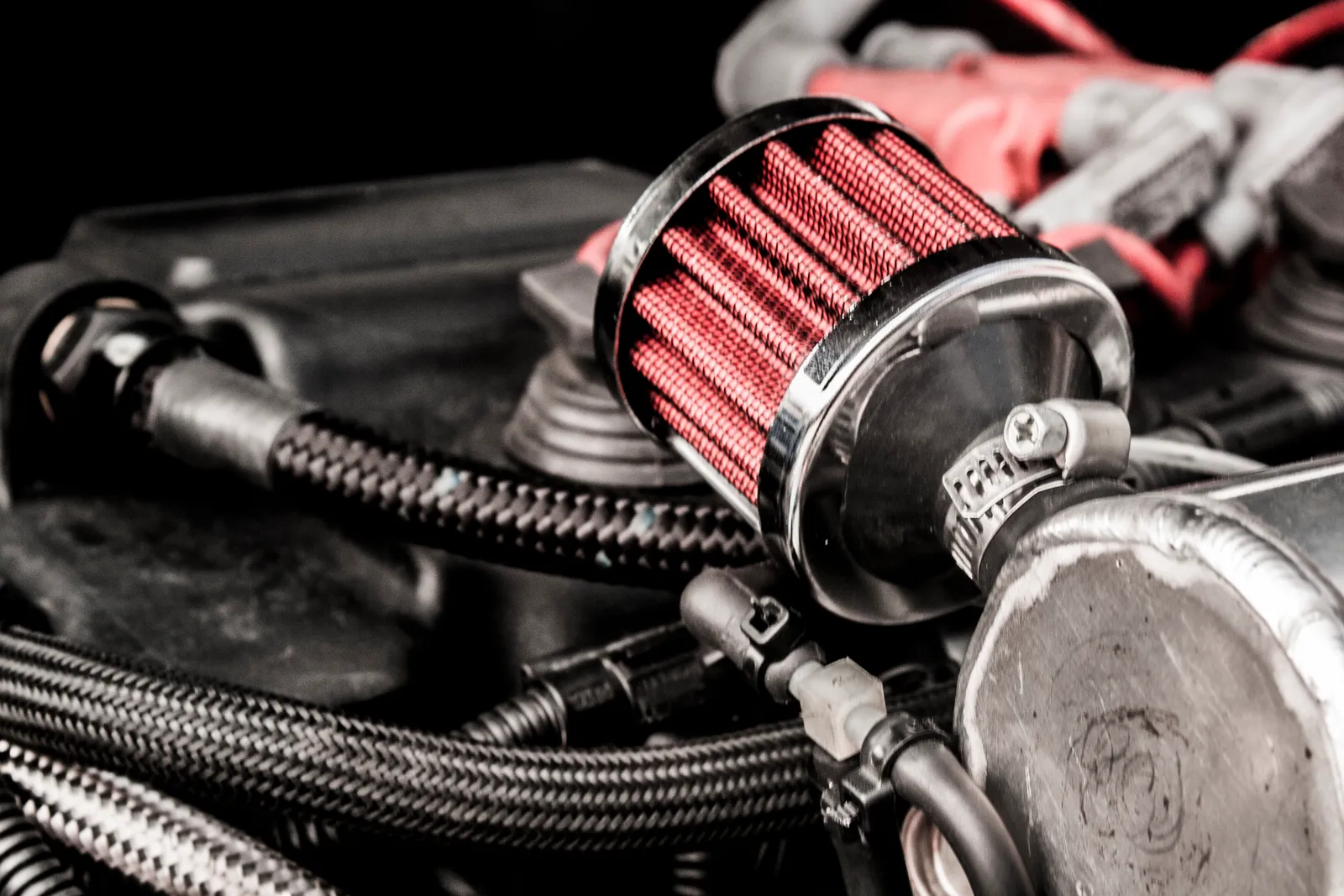
Most automotive experts recommend replacing your cabin air filter every 12,000 to 15,000 miles, or once a year, whichever comes first. Drivers in high-pollen, dusty, or heavily polluted areas may need to replace it more frequently.
If you often drive in dusty or polluted environments, or if you live in an area with high levels of pollen, it may be necessary to replace the filter more frequently, around every 10,000 miles. Don’t let the standard interval be your only reference point.
Pull the filter out and hold it up to light. If little to no light passes through, or if the filter is visibly dark and full of debris, it needs replacing. That’s the simplest test available, and it takes about two minutes.
The Real Cost of Ignoring It
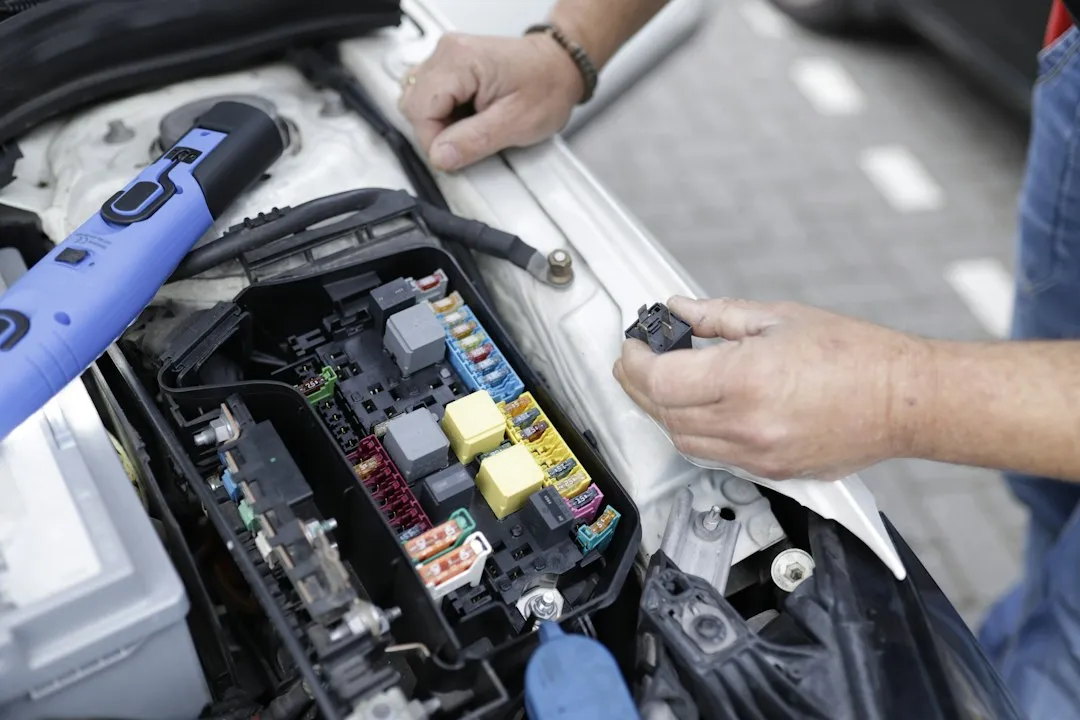
A strained AC system can lead to increased energy consumption, making it less efficient and possibly causing it to overheat. Over time, the additional stress on the system can lead to damage and expensive repairs.
When the cabin air filter becomes clogged, additional strain is placed on the AC system to perform its functions. This increased load can not only reduce the lifespan of the HVAC components but also increase your vehicle’s fuel consumption as the system requires more power.
Buying a filter at an auto parts store for roughly ten to twenty-five dollars rather than paying a shop forty to eighty dollars for the same job is a reasonable choice for most drivers. Either way, the cost is far lower than replacing a blower motor or dealing with evaporator damage from years of neglect.
The Takeaway
The cabin air filter is one of the few maintenance items where the cost of ignoring it is so obviously disproportionate to the cost of fixing it. A ten-dollar part, changed once a year, keeps the blower motor healthy, the evaporator clear, the air clean, and the system running the way it was designed to.
Replacing your cabin air filter consistently, typically every 12,000 to 15,000 miles or once a year, but sooner if you drive in challenging conditions or notice reduced airflow or odors, is a vital yet often overlooked aspect of car maintenance. It protects the functionality and longevity of your vehicle’s HVAC system, prevents costly blower motor repairs, and safeguards the health and comfort of everyone riding inside your car.
The habit that strains your AC isn’t dramatic. It’s just forgetting. Set a reminder, check the filter, and let the system breathe the way it was meant to.
AI Disclaimer: This article was created with the assistance of AI tools and reviewed by a human editor.