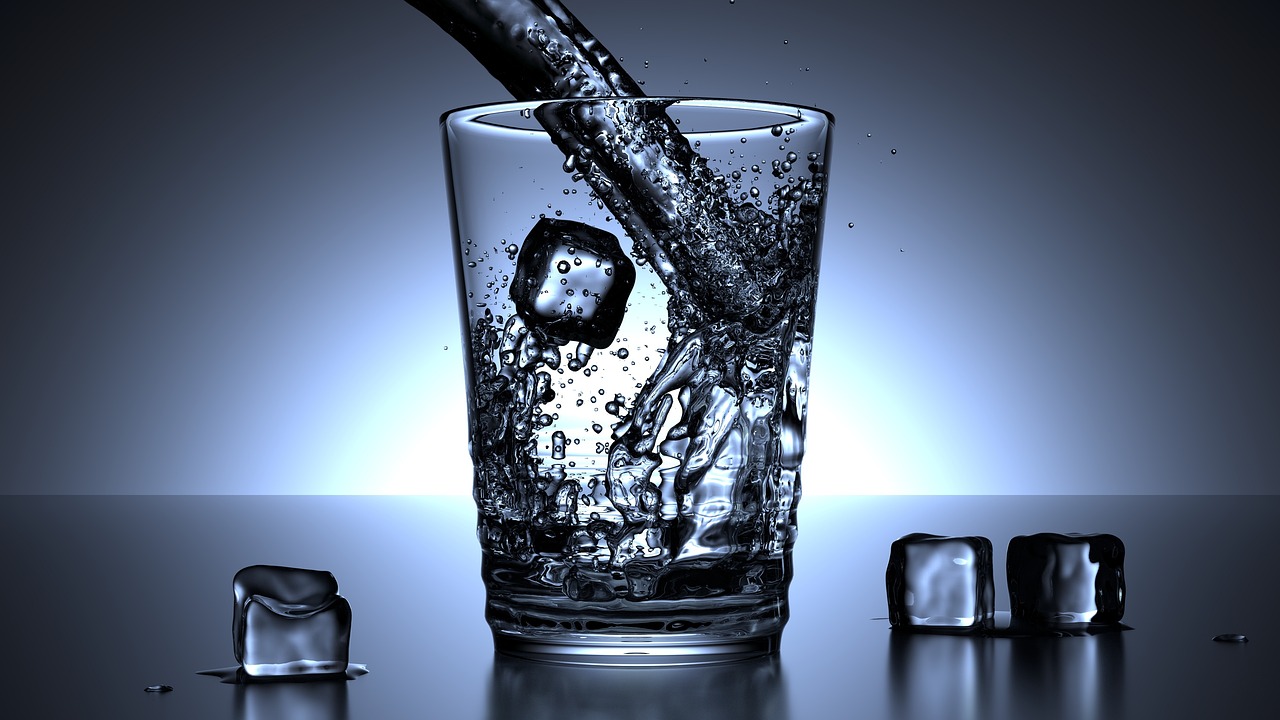

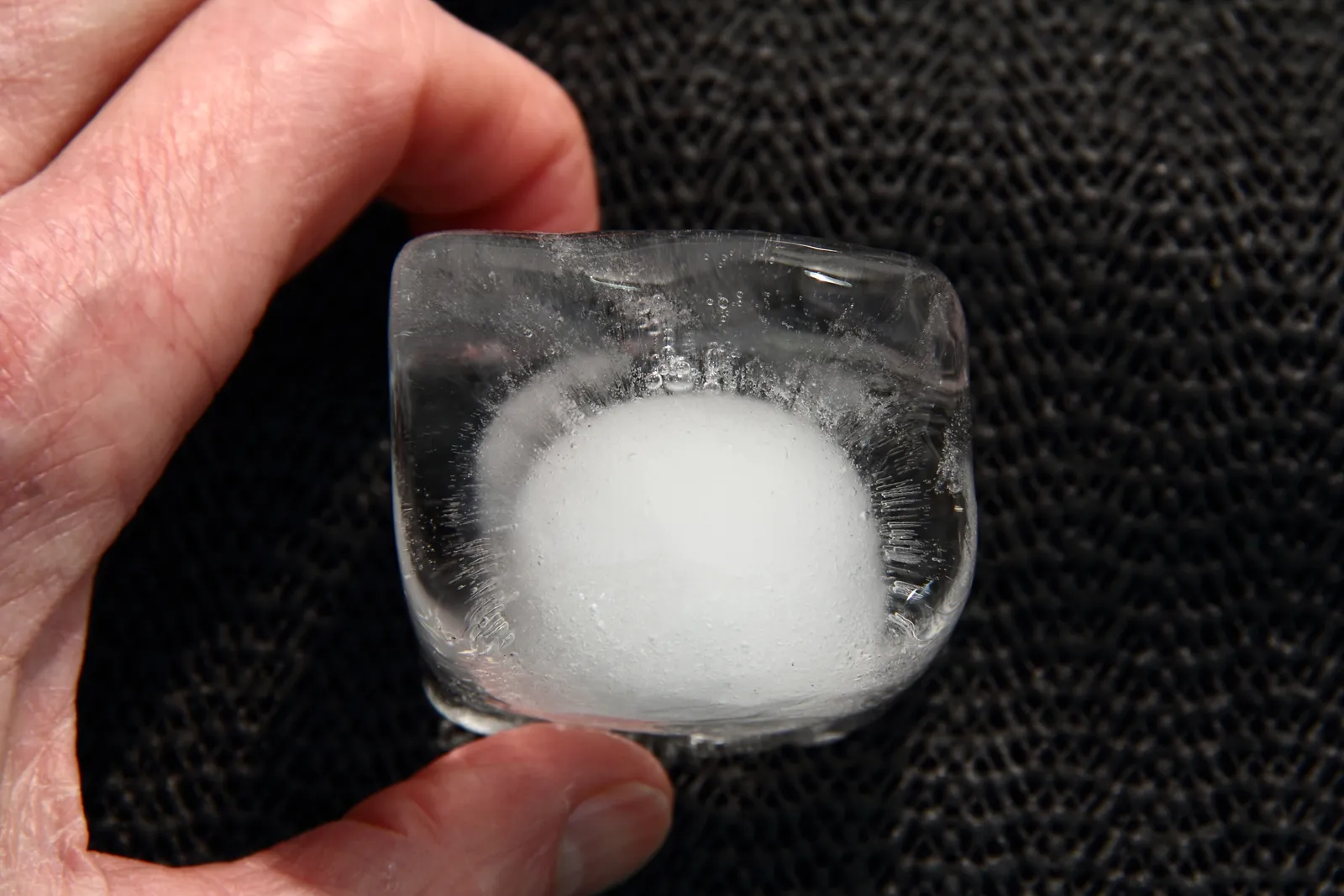
Most people have pulled a tray from the freezer and noticed that the cubes look milky in the middle, almost like something is trapped inside. It feels like a defect, but there’s nothing wrong with the water or the tray. The cloudiness has a perfectly logical explanation rooted in chemistry and physics.
What’s happening inside that small cube turns out to be a surprisingly rich story. It touches on crystal structure, dissolved gases, water chemistry, and even the way lakes freeze in winter. Here’s what the science actually says.
It All Starts With What’s Already in Your Water

No matter how fresh water may seem, it’s never completely pure. A sample of ordinary tap water can contain floating bits of organic matter, along with suspended sediments, dust particles, or flecks of minerals like calcium and lime. It may also contain dissolved gases, including oxygen. These invisible passengers are the starting point for everything that follows when the water gets cold.
The Crystal Lattice Has No Room for Guests
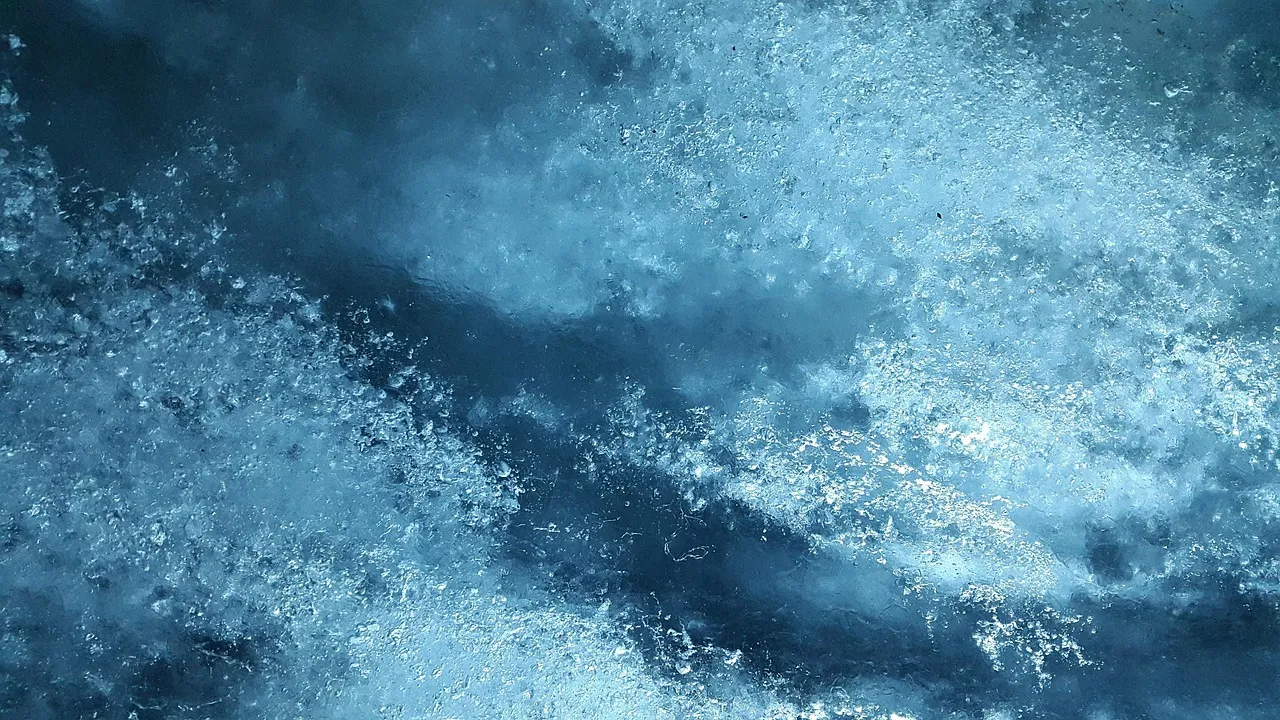
At its core, ice is the solid phase of water, with molecules arranged in a crystalline lattice. When water freezes slowly and under controlled conditions, the molecules have enough time to align into a consistent, uniform structure. This uniformity allows light to pass through with minimal scattering, rendering the ice transparent.
Most water contains dissolved minerals. As the water freezes, the water molecules fit together neatly into a pattern that does not leave room for those minerals. Since freezing begins at the outside, the outer layers will be clear, with minerals forced out of them. As more water freezes, the minerals become concentrated in the remaining liquid at the center of the cube. That concentration is where things get murky, literally.
Air Bubbles Are the Main Culprits
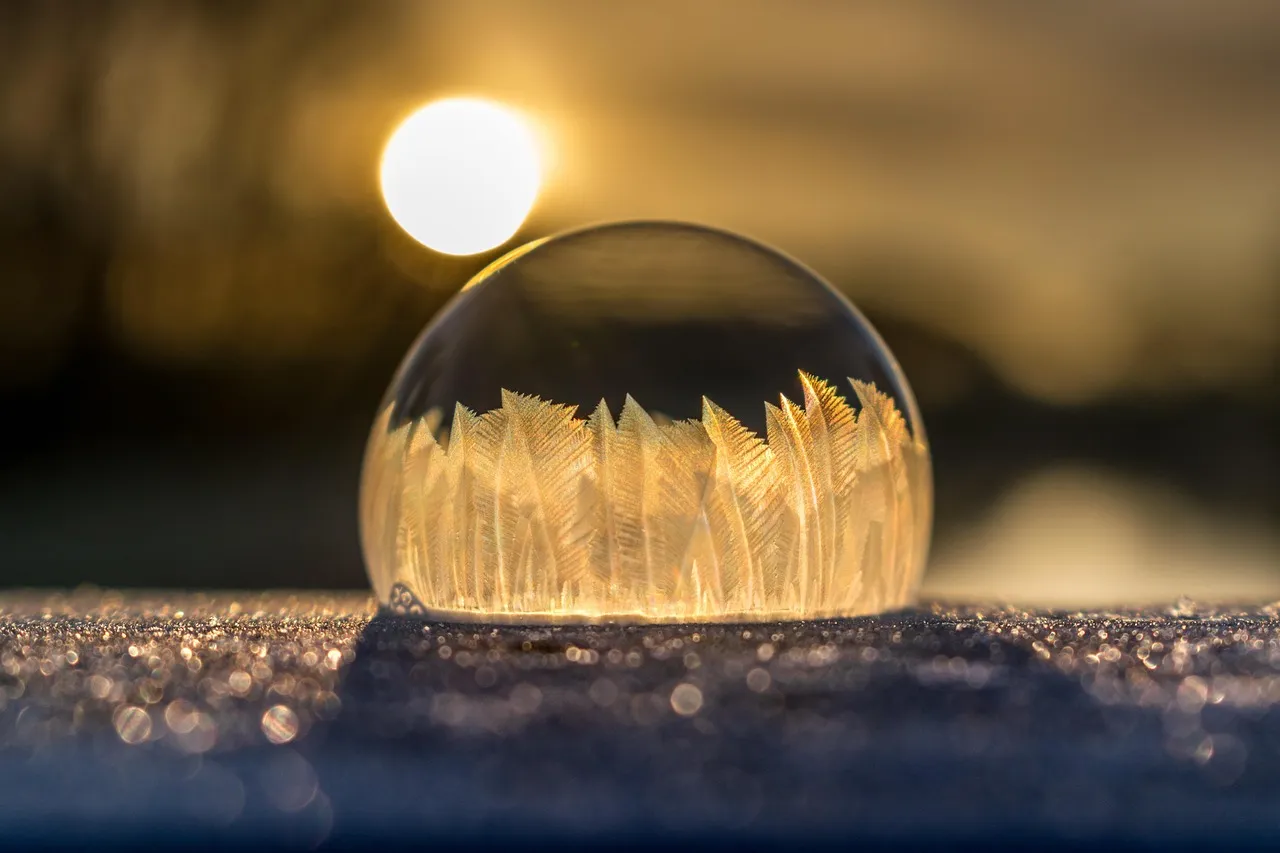
The clarity of ice is heavily influenced by the rate at which water freezes. Rapid freezing traps air bubbles and impurities, interrupting the uniform crystal lattice. Air bubbles are the main culprits behind the cloudiness seen in many common ice cubes. When water is frozen quickly, tiny pockets of air become encased within the ice matrix, scattering light in all directions and producing the familiar white or opaque appearance.
The quantity and size of these bubbles affect how cloudy or clear the ice appears. Larger air pockets tend to create more pronounced whiteness. So the bigger the trapped pocket, the more dramatic the frosted look in the center of the cube.
How Light Scattering Makes Ice Look White
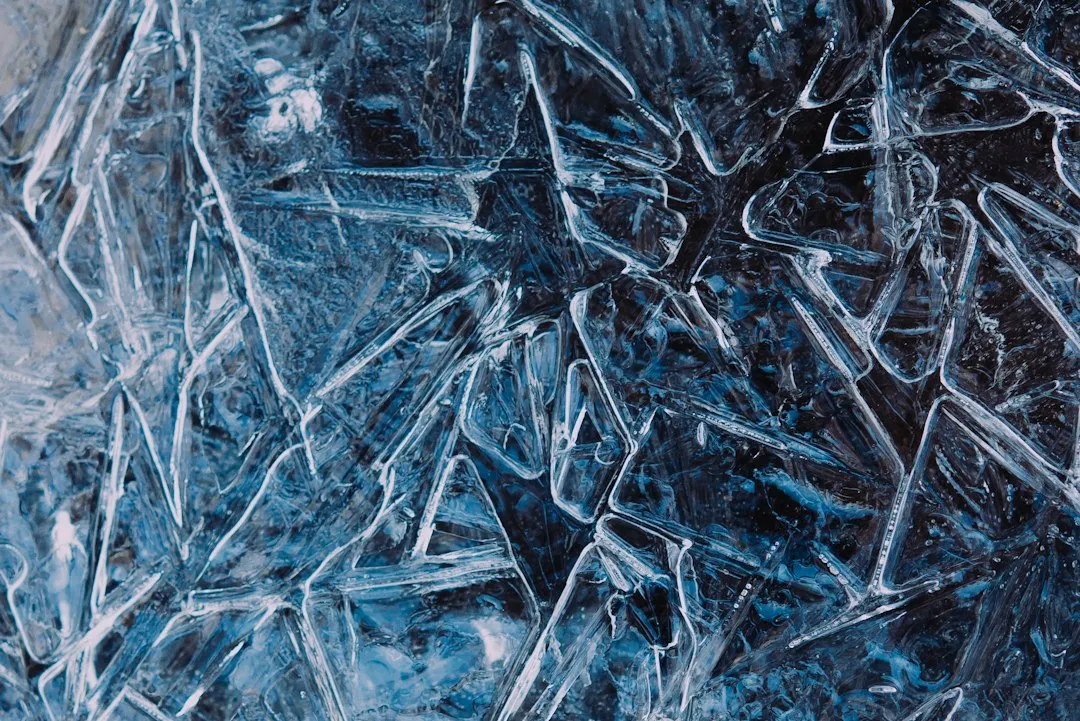
Every time light moving through the ice hits the edge of a bubble, it crosses a boundary between solid ice and a pocket of air. At that boundary, the light gets bent and bounced off in a new direction. Pack millions of these tiny bubbles into the core of a cube and the light no longer travels in a straight line. Instead it bounces around in all directions before scattering back out, and your eye reads that jumbled mess as a milky, opaque white.
Because the bubbles scatter all wavelengths of visible light roughly equally, no single color dominates, so the cloud looks white rather than tinted. It is the same phenomenon that makes fresh snow look white even though each ice crystal is colorless. The same physics, just at a much smaller scale.
Freezing From the Outside In: The Core Problem
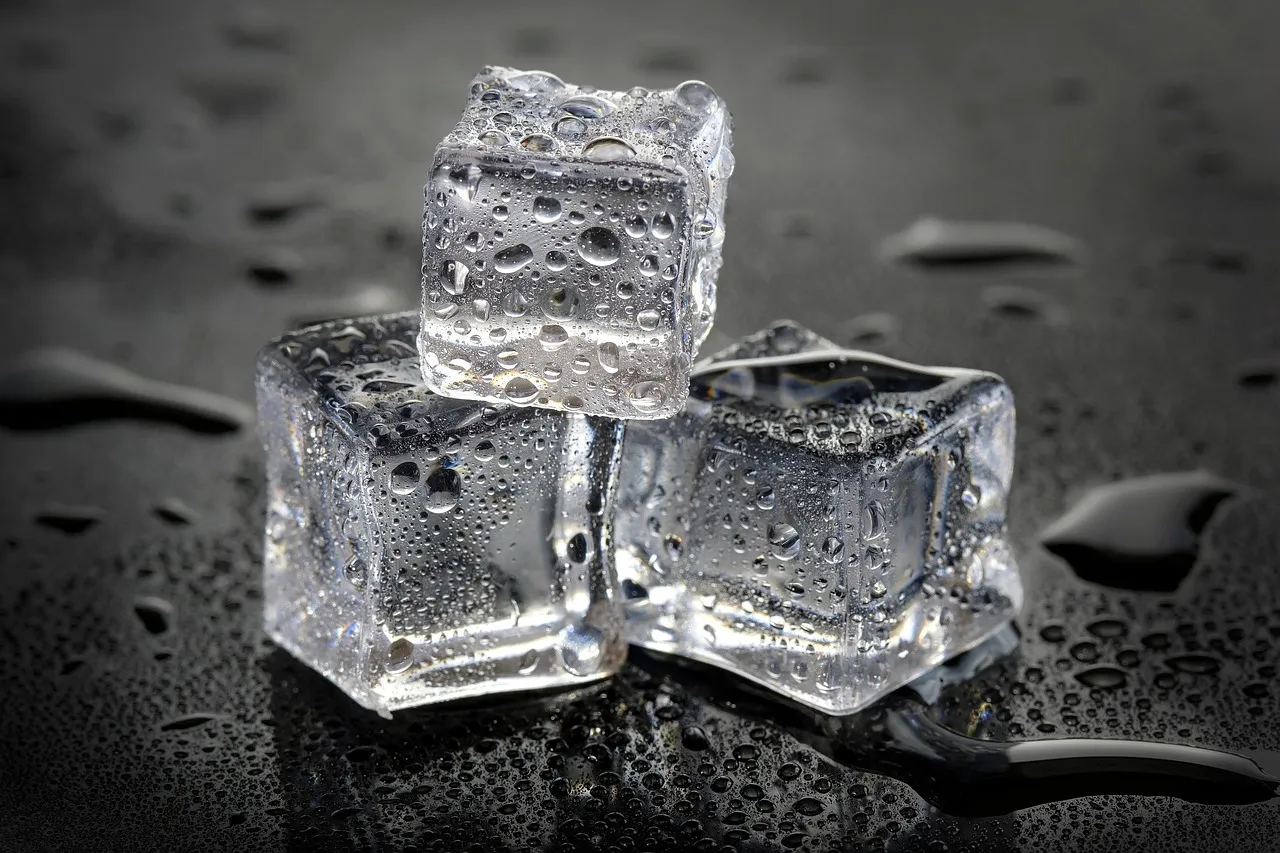
In a typical home freezer, water is surrounded by frigid air, causing ice cubes to freeze from the outside in. This forces air bubbles and potentially impurities toward the middle of the ice cube to freeze last, giving ice a cloudy appearance.
The first thing to freeze is the cleanest, purest water, which means air bubbles, minerals, and impurities get pushed toward the middle of the cube. That’s what causes the cloudiness. The cube is essentially purifying its own outer shell while concentrating everything unwanted at its heart.
Total Dissolved Solids and Water Hardness Play a Real Role
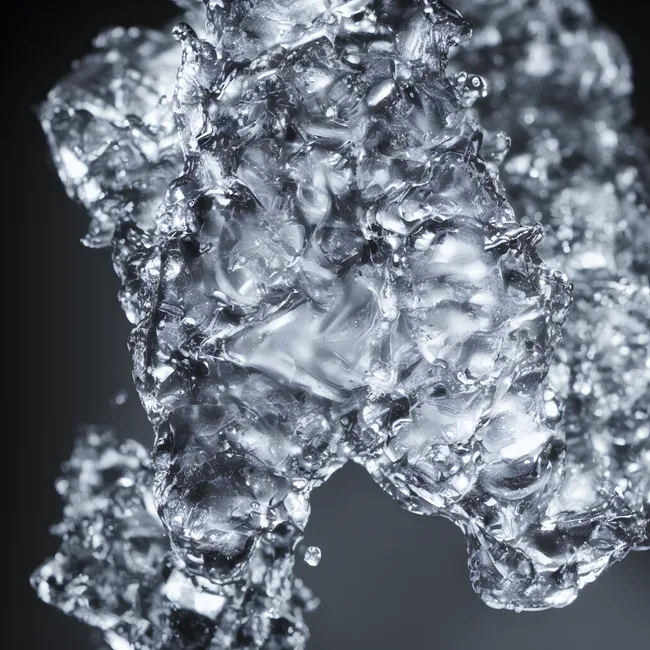
Water typically contains dissolved minerals, salt, and metals, collectively called total dissolved solids, or TDS. When these levels become excessively high, it can result in cloudy ice. A TDS level of up to 500 mg/L is generally considered acceptable. Exceeding this amount may result in discolored water, a salty taste, and deposits that can stain an ice maker.
Water hardness is another related factor. It’s measured by how much dissolved calcium and magnesium are present in the water. Anything over 180 mg/L is considered hard water and may result in cloudy ice. These are real, measurable thresholds, not approximations.
Cold Water Holds More Air Than You’d Think
Cold water holds more dissolved air than hot water. So if you’re freezing refrigerated water, it might leave you with cloudy ice, even if you’ve filtered it. This is a point most people miss. Even well-filtered water, straight from a cold tap or a chilled filter jug, is saturated with dissolved gases that will get trapped during freezing.
Distilled water might have fewer dissolved minerals and solid impurities, but it still contains dissolved gases like oxygen, which readily dissolves in water. So freezing distilled water will still lead to cloudy ice cubes at home. Simply switching water sources is not the full solution.
Nature Does It Better: How Lakes Freeze Clear
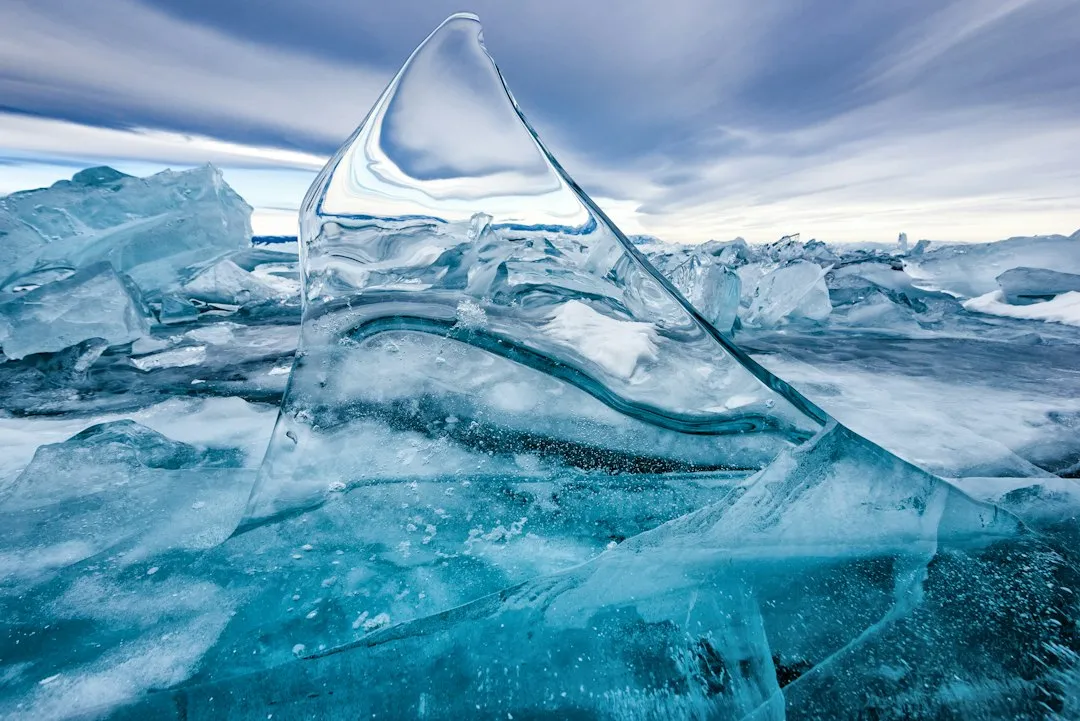
Lakes freeze from the top down, not from every direction at once. Directional freezing, where ice forms in a single direction and forces impurities downward, is what makes natural ice so transparent. It’s also why rivers can carry sheets of crystalline ice while home freezers struggle.
When lakes freeze, the outermost surface freezes first, exposed to cold air, and denser cold water sinks below. As the water crystallizes, dissolved gases and minerals are pushed down into the remaining liquid. The ice above is therefore clear. Your kitchen freezer simply can’t replicate that one-directional process without some deliberate setup.
Commercial Ice Machines Crack the Code
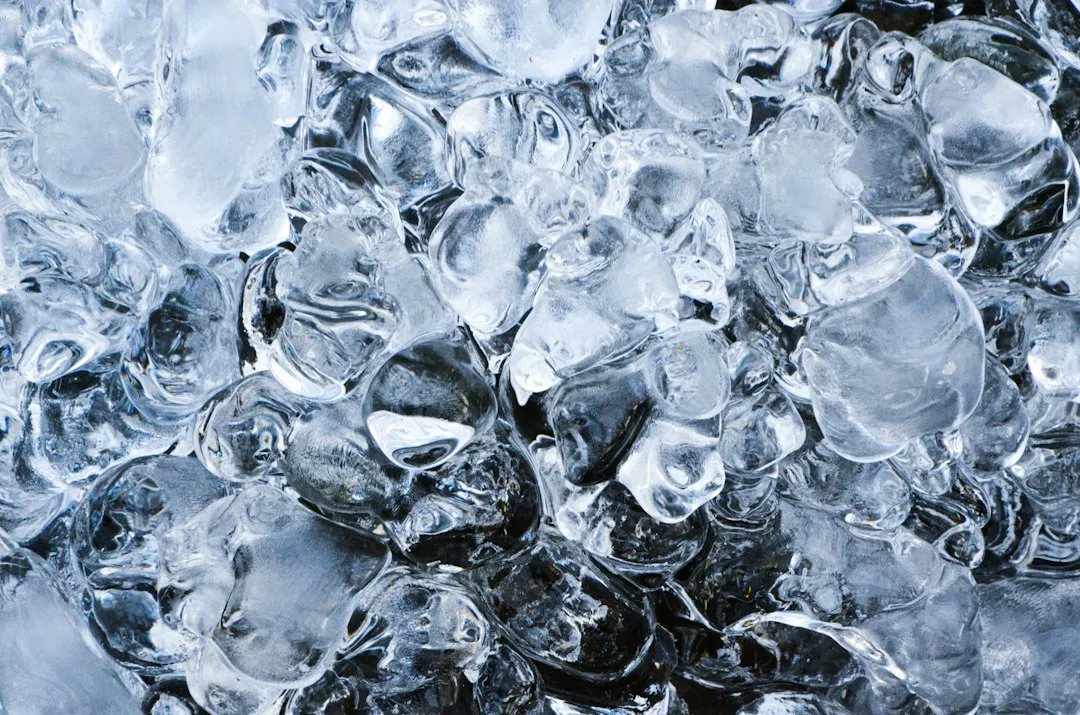
To get clearer, more attractive cubes, some restaurants use expensive machines that freeze water very gradually and exclusively from one side. That lets the impurities escape outward. The principle is straightforward, but the engineering required to do it consistently and at scale is substantial.
Commercial ice machines typically circulate water over a plate or grid that is freezing cold. This causes ice to freeze one layer at a time, so the cleanest water freezes and the minerals, impurities, and air bubbles continue moving along. So the clear ice cubes made by commercial ice makers are simply made of the purest water available. That’s the practical difference between the ice in a restaurant glass and the one from your tray at home.
Cloudy Ice Is Safe – But It Melts Faster and Can Taste Different
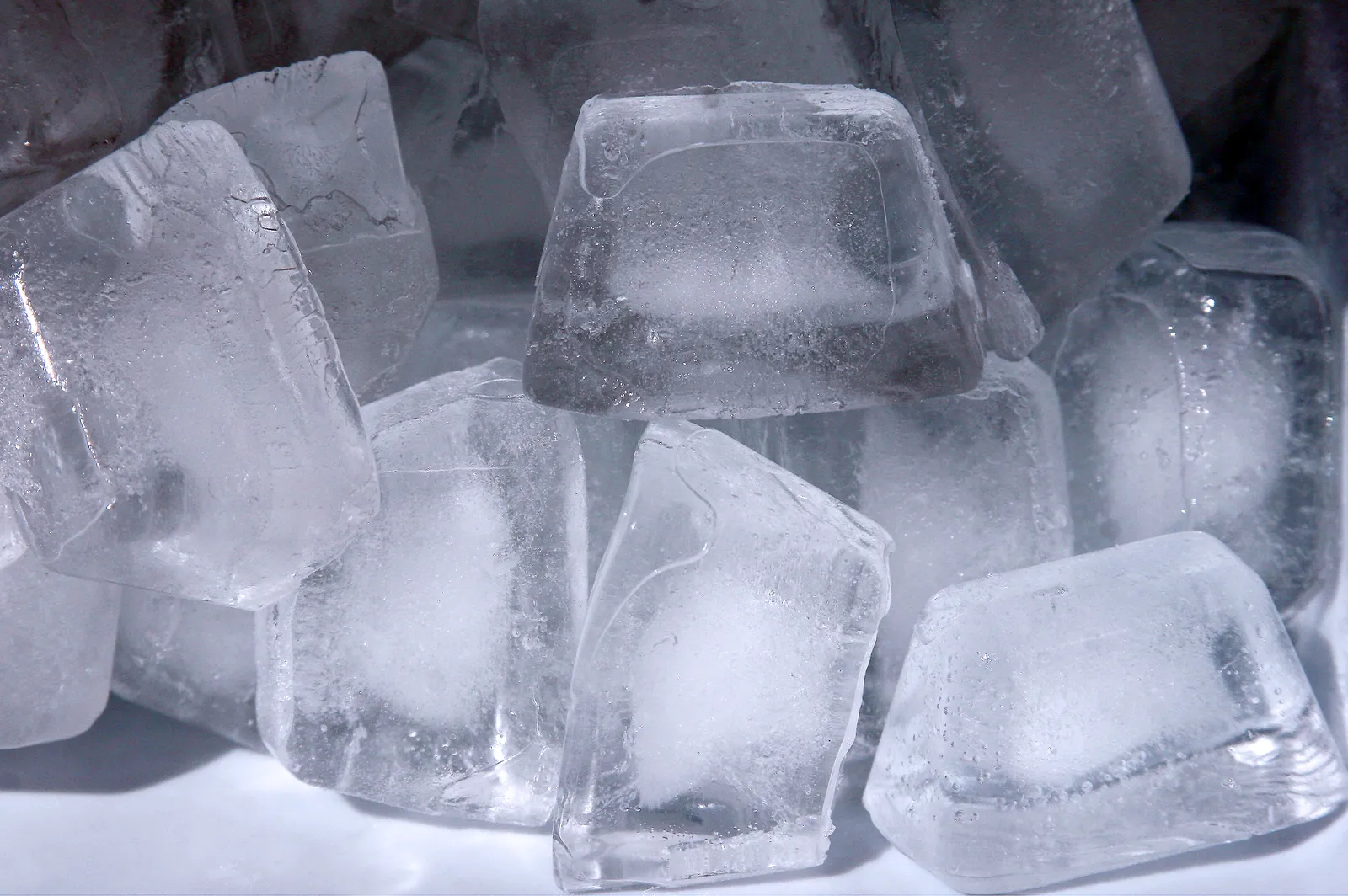
Those occasional white flecks in your cubes are not dangerous. The simple rule is that if the water is safe to drink, the ice made from it is safe to use, whether the cube turns out crystal clear or completely cloudy. The cloudiness is purely about physics, not contamination.
Clear ice is denser and melts more slowly because it doesn’t have those bubbles and impurities. This also means it dilutes drinks more slowly than regular cloudy ice. Even if the appearance of cloudy ice doesn’t bother you, the taste might. Cloudy ice often tastes musty or freezer-burned, which can noticeably affect the flavor of drinks.
How to Actually Make Clearer Ice at Home
Directional freezing is simply the process of forcing water to freeze in a single direction instead of from all sides at once, as it does in a regular ice cube tray. This forces impurities and air to the opposite side from where freezing starts, leaving the ice clear except for a small cloudy section. In practice, this means insulating the sides of the ice container so that water freezes from the top down.
Using an insulated container to promote directional freezing produces clear ice, while water quality or boiling alone does not prevent cloudiness. Clear ice is denser, melts slower, and resists imparting flavors. A small insulated cooler placed in the freezer with the lid off is the simplest and most reliable method available to home users today.
The Bigger Picture
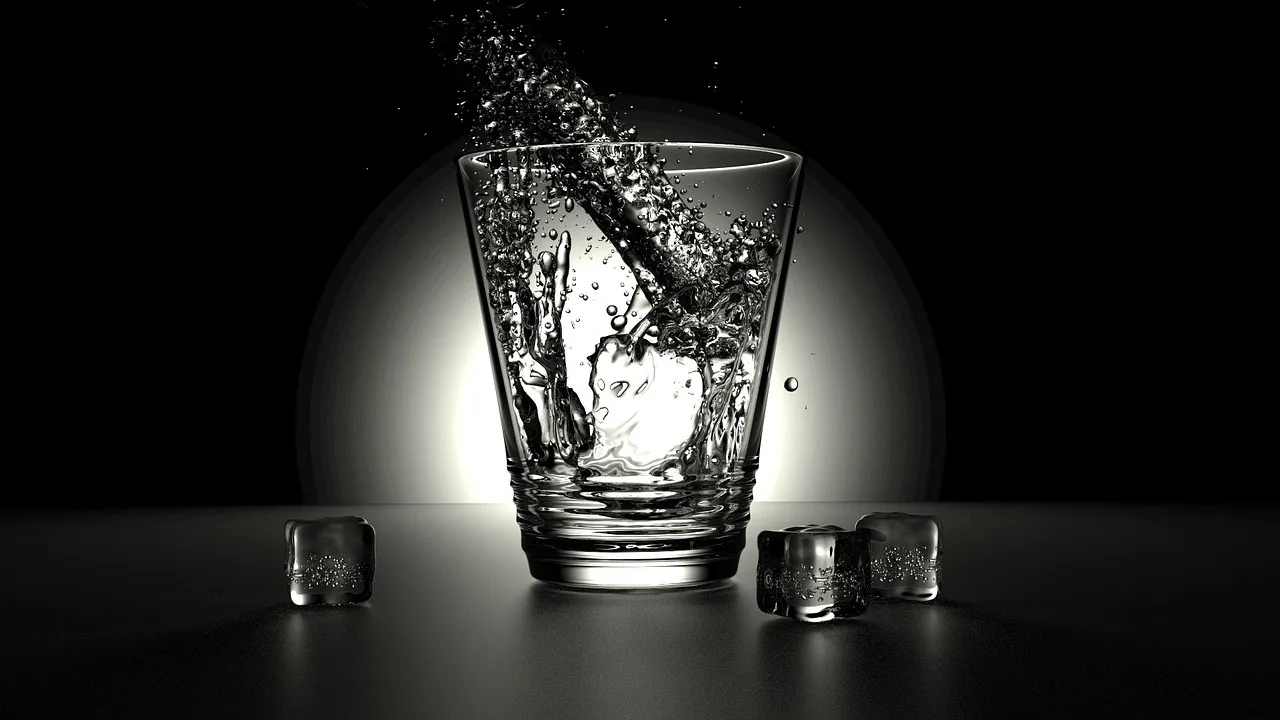
A cloudy ice cube is not a failure of your water or your freezer. It’s a consequence of how water’s crystalline structure expels what doesn’t belong, pushing dissolved gases and minerals into a tighter and tighter space until they have nowhere left to go. The result is a foggy core that scatters light and softens clarity.
Understanding the process opens up a practical path to doing better. Whether you care about cocktail aesthetics, drink dilution, or simply the quiet satisfaction of knowing why things happen the way they do, the cloudy cube in your glass turns out to be a useful little object. It holds more information than it might appear to.
AI Disclaimer: This article was created with the assistance of AI tools and reviewed by a human editor.