
The Shape of the Table Sets the Tone
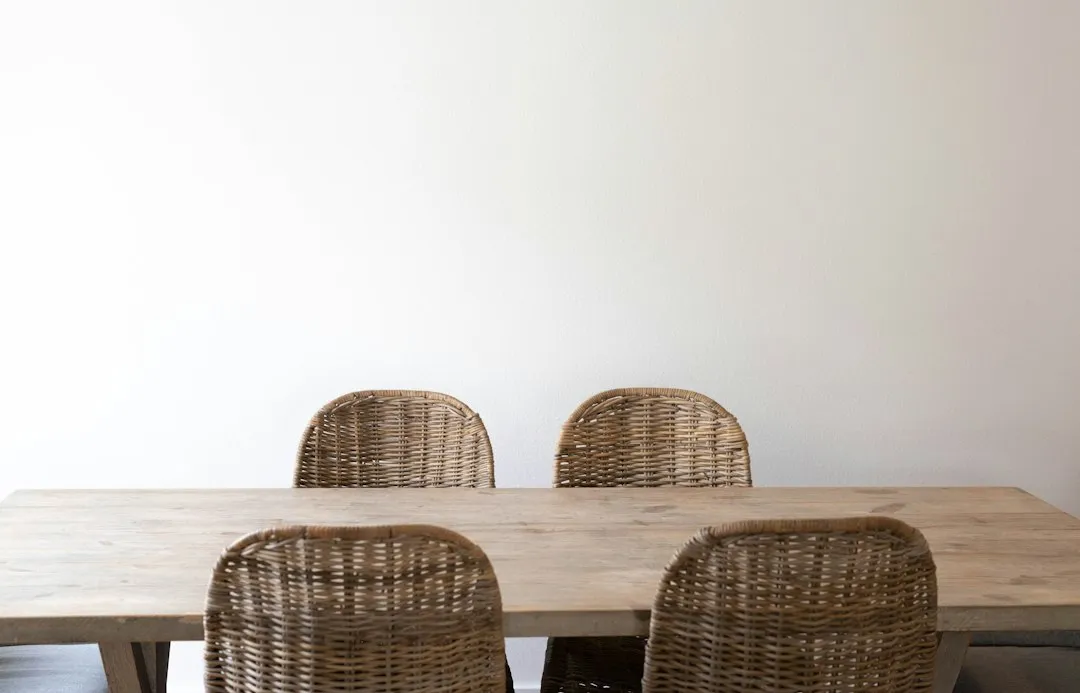
The geometry of a table is not a neutral choice. Round tables facilitate more democratic conversation patterns where everyone can maintain eye contact and participate equally, while rectangular tables naturally create conversation clusters at each end, with center seats experiencing more restricted interaction. That’s a meaningful difference, especially when you’re trying to connect people who don’t already know each other well.
Rectangular tables can create a competitive or defensive dynamic because each person has equal space, equal frontage, and separate edges. That structure isn’t inherently bad, but it does encourage people to “take positions” rather than open up. Long rectangular tables can actually speed up weekday meals, with the linear arrangement allowing faster dish passing, roughly one fifth more efficient than round configurations, and the distinct seating positions encouraging quicker turnover.
Face-to-Face vs. Side-by-Side: Two Very Different Conversations

A face-to-face seating arrangement encourages both bilateral and unilateral gazing, as well as cross-sectional conversation behaviors, particularly for participants who stay at the table for a longer time. Sitting directly across from someone keeps you accountable to the exchange in a way that sitting beside them simply doesn’t.
An orthogonal seating arrangement, where people sit at a right angle to one another, significantly reduces bilateral gazing and lessens the stress of some participants. This can actually be an advantage in certain settings. Lower visual pressure sometimes helps quieter guests relax into conversation rather than shrink from it. The right angle is, in its own way, a gentler invitation to speak.
Eye Contact and Proximity Do the Heavy Lifting

Seating arrangements that encourage eye contact and proximity foster conversation and engagement, while configurations that create physical barriers or distance can inadvertently discourage social interaction. This isn’t a soft observation. It’s a consistent finding across multiple fields of research, from environmental psychology to hospitality design.
Studies have found that participants are sensitive both to the amount of possible eye contact with another person and to the physical distance between people at the same table. Even a few extra inches of distance between seats can subtly signal separation. Theory and empirical evidence support the notion that social interaction is encouraged when people are able to establish face-to-face contact.
Where Couples Sit Changes the Whole Table’s Dynamic

The most widespread seating mistake at dinner parties is seating couples next to each other, and it’s also the most consequential. Separating couples is widely considered the main rule of seating arrangements. When romantic partners sit side by side, they tend to form a private unit, which pulls them out of the larger group conversation and creates dead zones around the table.
Research indicates that sharing meals can enhance happiness, life satisfaction, and a sense of belonging, and the effect is stronger when guests are pushed slightly outside their existing social bubble, not so far that they feel stranded. Strategically separating familiar pairs creates gentle social friction, and that friction is often exactly where the most interesting conversations begin.
The Host’s Seat Is Never Just a Seat
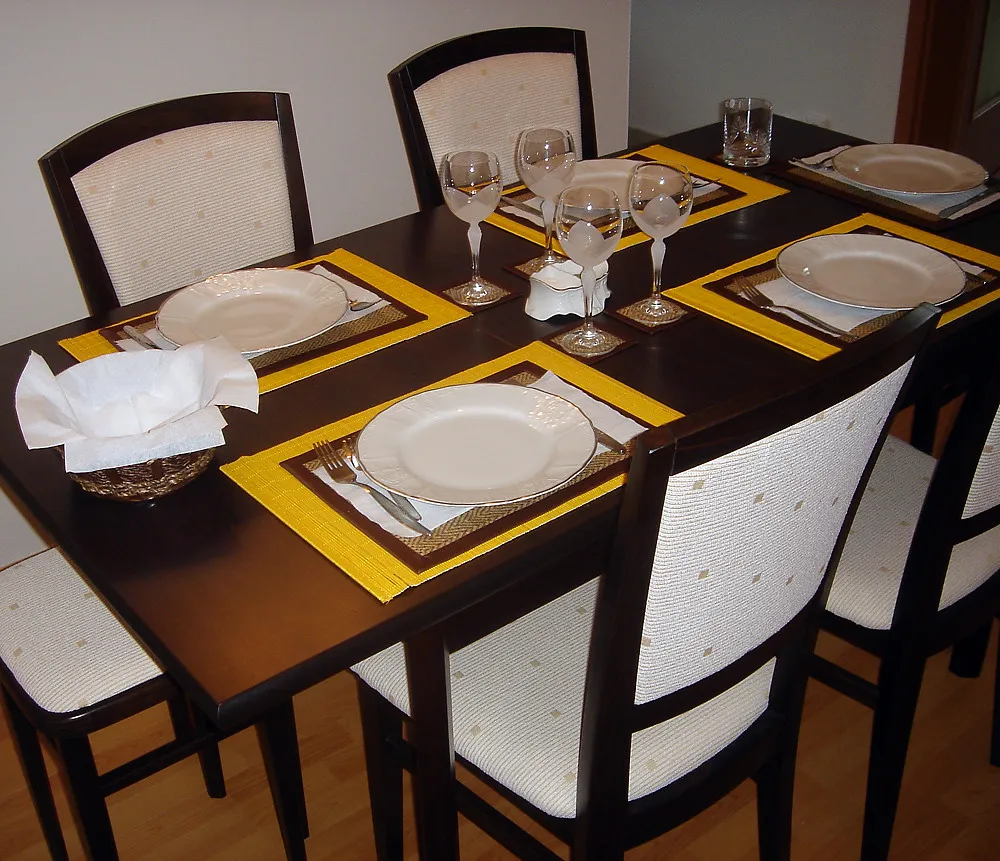
The host’s seat is part of the arrangement and should never be an afterthought. Where the host sits shapes the energy of the whole table. Placing the host and co-host opposite each other allows them to direct and sustain conversation and look after the general welfare of their guests.
This is an old instinct given a modern explanation. A host positioned at the center of the action can read the room, bridge quieter corners of the table, and gently steer the conversation when it stalls. Studies have found that end positions at rectangular tables produce a disproportionate number of natural leaders, with individuals in those seats gaining a greater rate of interaction with other group members. In other words, where you place the most socially engaged person matters.
Circular Arrangements and the Psychology of Equality
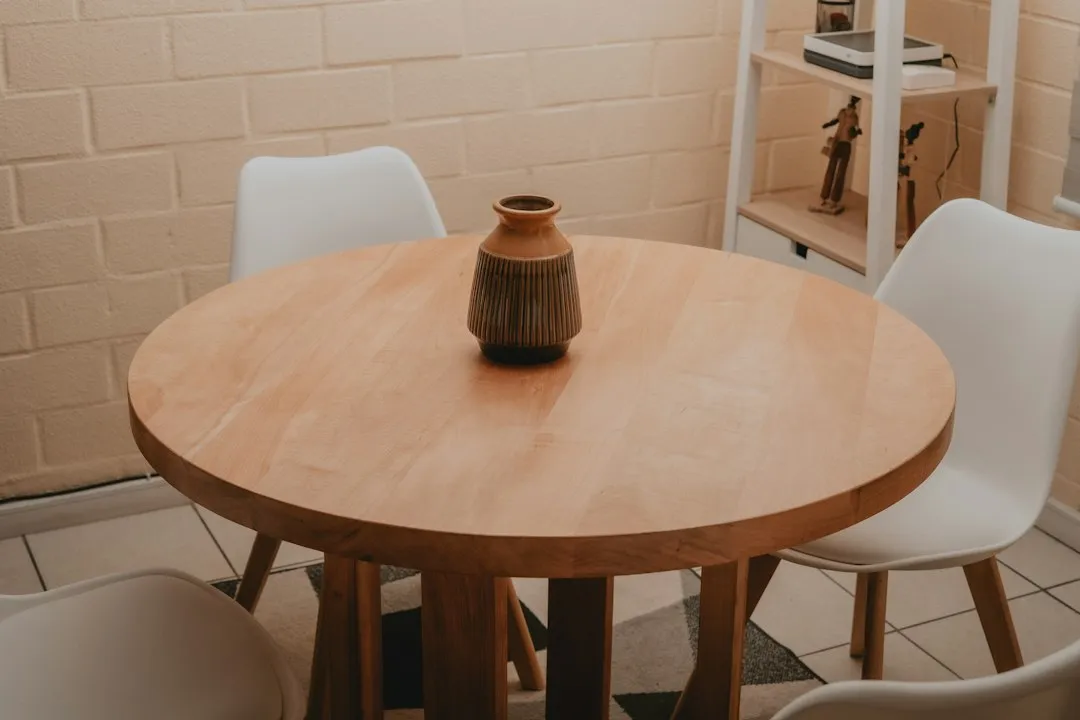
Research suggests that students sitting around a table establish communication much more easily than in rows, and that people ask more questions in semicircular arrangements than when seated in columns. Though this research originated in educational settings, the underlying mechanism applies at any table where conversation is the goal.
In circular seating arrangements, every member has a central location when equally spaced out. That spatial equality removes the implicit hierarchy of who is “at the head” and who is “in the middle.” Seen from the perspective of small social group discussion, the circular arrangement has been proposed as one of the best options for encouraging open exchange.
Communal Dining and the Brain’s Bonding Chemistry

Research published in Adaptive Human Behavior and Physiology shows that social meals stimulate the brain’s endorphin system, the same pathways linked to oxytocin and dopamine, the neurochemicals responsible for bonding, trust, and pleasure. This means the act of eating together is doing something biological, not just social. The table itself becomes a kind of chemistry lab.
Oxford research led by Robin Dunbar found that people who share meals more often report greater life satisfaction, more trust, and stronger community ties, and the World Happiness Report now treats shared meals as a global predictor of wellbeing, as reliable as income. Getting the seating right is, in effect, protecting the conditions that allow these effects to unfold naturally. The conversations that happen around a table are different from those that happen anywhere else.
Phones and Seating: The Modern Disruptor
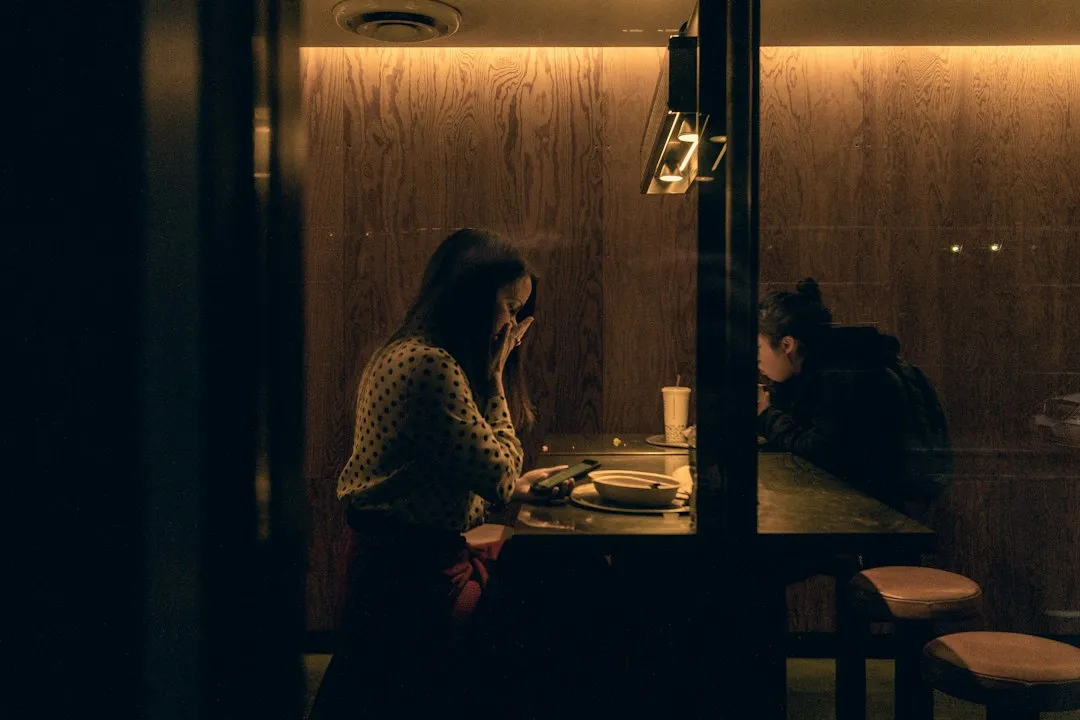
Seating arrangements no longer operate in isolation. A carefully thought-out plan can be undone in minutes if devices enter the equation. Research shows that keeping phones off the table makes conversations flow more easily and mealtimes feel more satisfying. The physical layout sets the stage, but what sits on that stage also matters.
In 2024 and 2025, most households don’t eat as they did a decade ago. Remote-work lunches blur into email marathons, and family dinners compete with screens, schedules, and the ever-present temptation of the sofa. Thoughtful seating is one way to create a subtle, non-confrontational signal that this meal is for being present. The arrangement itself says: sit down, stay a while.
The Evidence on Shared Meals and Mental Health

Research published in Frontiers in Public Health suggests that communal eating experiences may help reduce feelings of loneliness and emotional distress among older adults, while a study in Clinical Nutrition found that adolescents who regularly shared meals with others reported fewer symptoms of stress, anxiety, and depression than those who ate alone. These are not trivial effects.
Research from the University of Oxford highlights the importance of communal dining in creating social bonds and a sense of belonging, and people who regularly eat with others are more likely to feel content and connected to their communities. Communal dining creates opportunities for people to engage in meaningful conversations and connections, something often missing in a society dominated by fast, solitary meals. The seating arrangement is the first step in making any of that possible.
Small Tweaks, Noticeable Shifts

None of this requires a professional event planner or a formal dining room. Small, deliberate decisions add up quickly. Seating a talkative person across from a reserved one, separating familiar pairs, choosing a round table for a group of six, or simply placing the most welcoming person at a position where they can see everyone’s face. A well-thought-out seating plan can genuinely enhance a gathering and prevent some common pitfalls.
Social eating practices have facilitated trust, fostered commonality, and assisted in resolving conflicts among diverse populations, thereby influencing social perspectives. That capacity doesn’t disappear at a private dinner table. Furniture in a space does more than provide a place to rest. It sets the tone and influences behavior. The chair you assign someone tells them, quietly, what kind of evening this is going to be.
A Quiet Kind of Design
Seating arrangement sits at the intersection of spatial psychology, social dynamics, and simple hospitality. It’s probably the most underrated tool a host has. Not because it controls conversation, but because it removes the small obstacles that prevent it from happening naturally.
Meal sharing ranks among the strongest predictors of subjective wellbeing, on par with income and employment status, and people who share more meals with others report significantly higher life satisfaction and more positive daily emotions, regardless of age, gender, country, or culture. The arrangement of chairs around a table is, in the end, an arrangement of conditions for human connection. It’s worth taking seriously, even when the stakes feel as low as a Tuesday night dinner.
AI Disclaimer: This article was created with the assistance of AI tools and reviewed by a human editor.