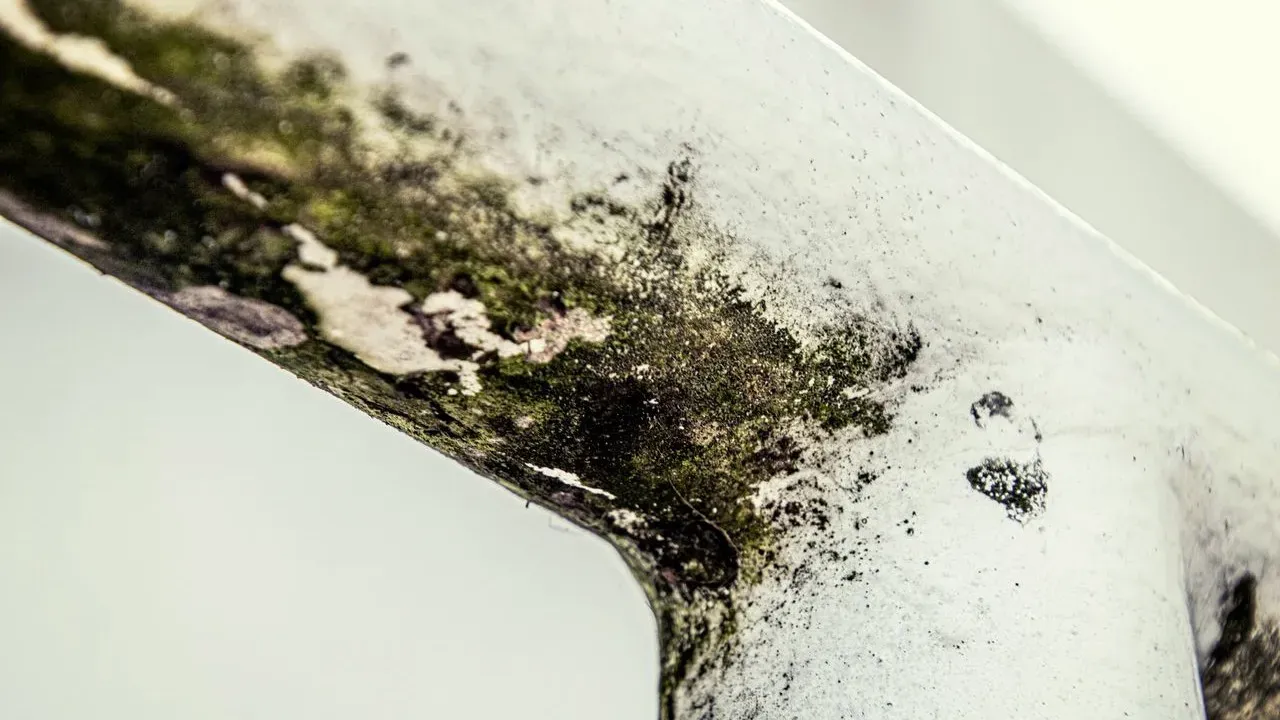

Salvisa, Kentucky – Early one Sunday a few weeks ago, several zinnias showed leaf spot and powdery mildew while a few Cosmos sulphureus plants carried mosaic virus. Heirloom Mr. Stripey tomatoes displayed withered, cigar-wrapper foliage and were declining steadily. The scene prompted a frank admission that the garden itself had become an incubator for plant pathology at that season of the year.
Late-Season Plant Troubles
Leaf spot and powdery mildew often appear together on zinnias by late summer, producing discolored foliage that reduces vigor without always killing the plants outright. Mosaic virus distorts the leaves and flowers of susceptible cosmos, creating patterns that stand out against healthy growth. The Mr. Stripey tomatoes, an heirloom variety prized for its striped fruit, suffered progressive decline marked by browning leaves that signaled systemic stress. ([1])
Walnut trees nearby were shedding leaves and dropping green-husked nuts, adding to the sense of seasonal transition. Temperatures had begun to cool, yet the garden still required attention before any early frost arrived. These observations reflect typical late-summer pressures rather than unusual outbreaks.
Visitors and Plant Exchanges
Members of Louisville’s Ramblers Garden Club arrived for a picnic and garden tour despite the visible plant issues. The group received a show-and-tell session that highlighted both common and less familiar species. One standout was a variegated wood nettle received as a gift from botanist Julian Campbell, accompanied by seedlings of the native annual Phacelia purshii, also known as Miami mist.
Patches of common wood nettle already grew along the Salt River, forming dense stands that appeared to limit invasive stilt grass. The gardener noted the absence of stilt grass in those areas and considered possible shading effects from the nettles’ stoloniferous roots, though no published evidence of allelopathy was identified. Each visitor left with divisions of roof iris, a drought-tolerant perennial that forms dense clumps with clean, arching leaves and lavender-blue flowers.
An Iris With Unexpected Geography
The roof iris, Iris tectorum, originated from a collection made by Frank Bell in Wolong, Sichuan Province, in 1996. That site lies near the Panda Breeding Centre and roughly 700 miles from Wuhan as the crow flies. The species also occurs naturally in Hubei Province, whose capital is Wuhan, though its precise distribution within the province remains unclear from available records.
The gardener noted the geographic detail without drawing firm conclusions about virus movement. The same plant that suppresses weeds in a Kentucky border now carried a quiet reminder of distant origins. Plans were made for a routine Covid booster later that week as a separate precaution.
The garden’s visible symptoms stayed limited to familiar fungal and viral issues common in late summer. No broader claims about pathogen sources were advanced beyond the personal observation of one plot.
AI Disclaimer: This article was created with the assistance of AI tools and reviewed by a human editor.