
It Has a Medical Name: Gustatory Rhinitis
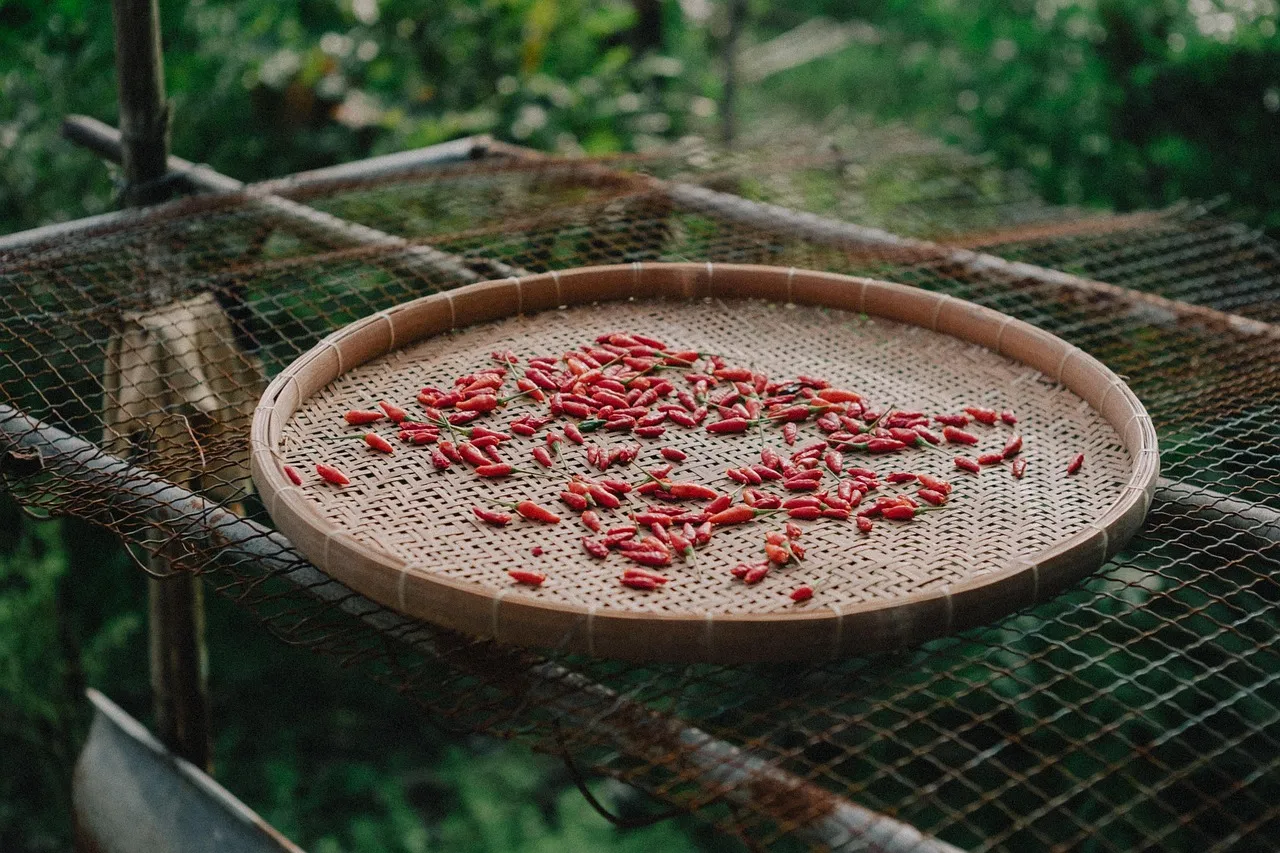
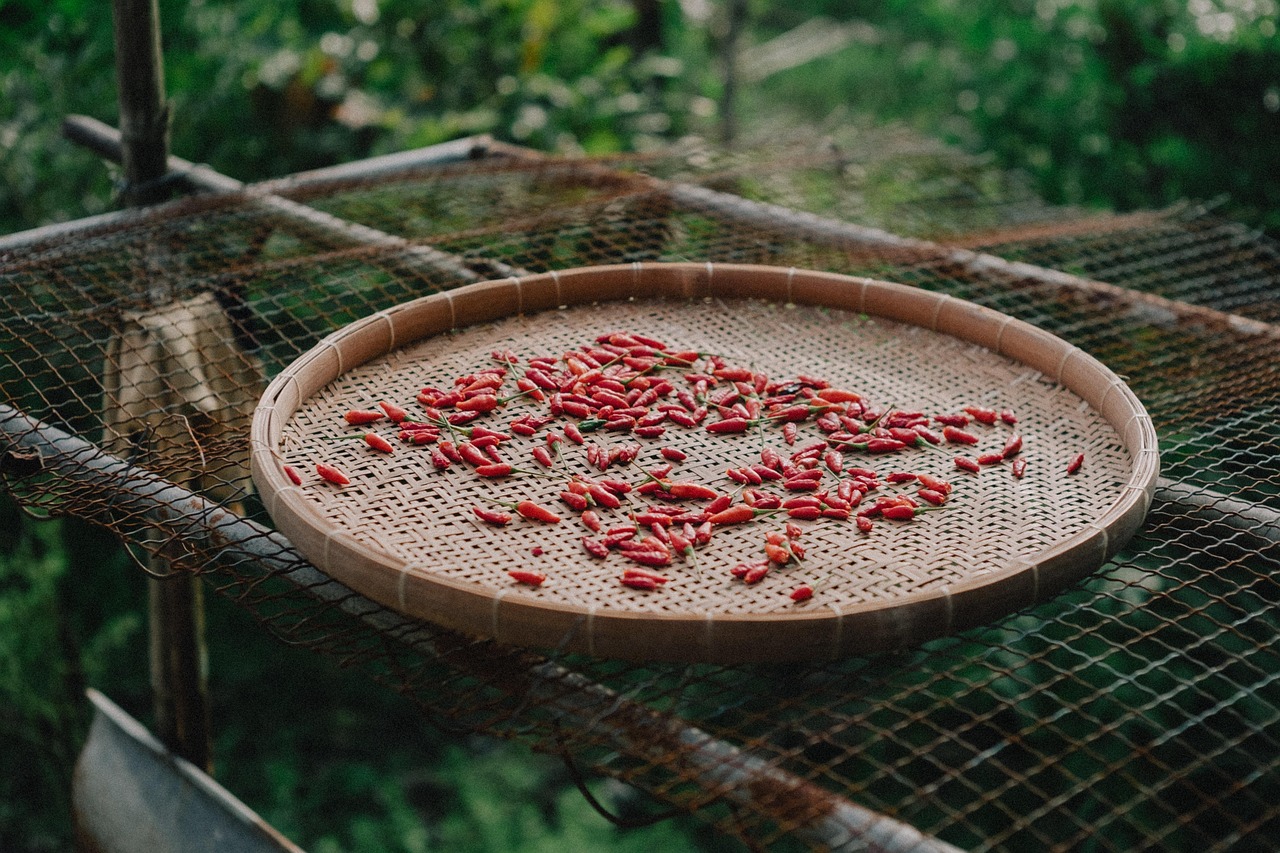
Gustatory rhinitis is a type of non-allergic rhinitis that causes a runny nose when you eat spicy or hot foods. The word “gustatory” simply refers to the sense of taste, which is a fairly accurate description of the trigger.
The medical term for a runny nose caused by eating is gustatory rhinitis. Unlike allergic rhinitis, which occurs due to allergens like pollen or dust, gustatory rhinitis is triggered specifically by the act of eating. So no, you’re not coming down with something every time your nose runs over a hot bowl of ramen.
Symptoms come on during or right after eating spicy foods, and stop soon after you’re done eating. That fleeting, predictable nature is one of the condition’s most recognizable features.
The Real Culprit: Capsaicin
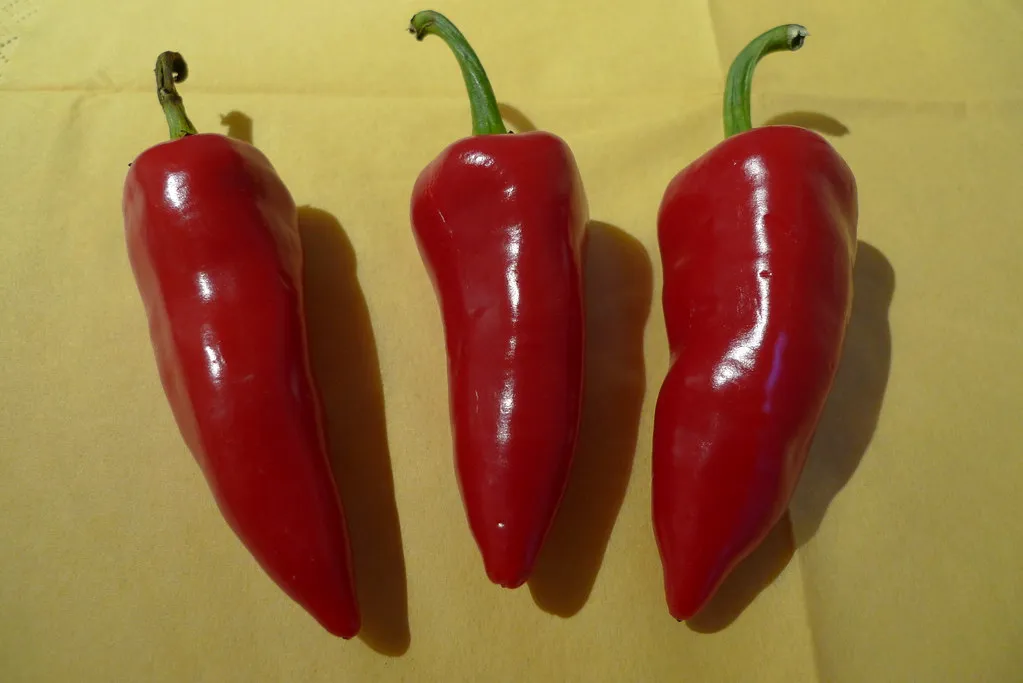
A chemical called capsaicin is usually the culprit when we feel the burn from spicy food. The compound is the active ingredient in chili peppers, which are fruits belonging to the genus Capsicum, including everything from the timid bell pepper to the infamous Carolina Reaper chili.
It’s primarily found in the thin membrane that holds the seeds, although it can be found in the flesh of some chili peppers. There are other chemicals that trigger a similar spice response, such as allyl isothiocyanate, a compound found in some cruciferous vegetables that puts a kick in mustard, horseradish, and wasabi.
Spicy compounds are produced by plants to deter animals from eating them. They have evolved to be as irritating as possible to the mucous membranes of mammals. In other words, the plant never intended for you to enjoy it.
How the Trigeminal Nerve Gets Involved

Gustatory rhinitis happens when heat or spices activate the trigeminal nerve in the mucous membranes of your nose. This makes your nose produce mucus and dilates blood vessels in your nose, causing swelling and congestion.
Even if you’re not snorting spicy food, your nose can be provoked to react because the sensory nerves in your mouth and throat share pathways with those in your nasal cavity. That shared neural wiring is key. The mouth fires off a signal, and the nose picks it up and responds.
Significant secretion is induced bilaterally by unilateral capsaicin challenge. The contralateral secretory response supports a centrally mediated reflex response to capsaicin. In fact, this centrally mediated secretory reflex may use the same efferent pathways as those used in the phenomenon of gustatory rhinitis.
Your Body Thinks It’s on Fire
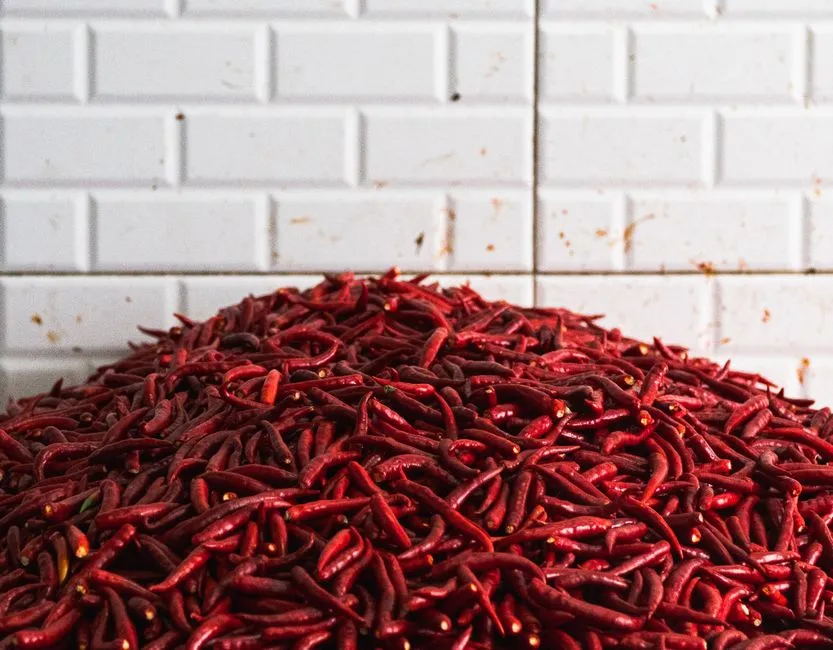
The capsaicin in chili doesn’t actually cause tissue damage, but it triggers the nerve receptors that normally detect heat, and your nose is fooled into producing extra mucus to protect your sinuses. It’s a case of biological mistaken identity.
Many foods that trigger a runny nose contain capsaicin, a chemical that makes them taste spicy. It also makes your body react the same way it would to heat. When you’re hot, your blood vessels dilate to bring more blood to your skin’s surface and release heat.
Capsaicin produces a burning sensation when a tissue comes into contact with it. This occurs via binding to transient receptor potential vanilloid 1 (TRPV1) receptor, an ion channel-type receptor, which can be stimulated by heat and physical abrasion. Heat and spice essentially speak the same language to your nervous system.
The Role of the Autonomic Nervous System

The culprit behind this reaction often lies in the autonomic nervous system. This part of your body’s nervous system controls involuntary functions like heartbeat and digestion. For reasons not fully understood, eating can activate certain nerve pathways, leading to nasal congestion or a runny nose during eating.
Tasting and digesting spicy foods containing capsaicin induce various physiological responses such as perspiration from face, salivation, and facilitation of cardiovascular activity, which are thought to be caused through viscero-visceral autonomic reflexes.
In gustatory rhinitis, a stimulus like hot spicy food to the oral cavity induces parasympathetic reflex nasal secretion, which is probably centrally mediated. Multiple body systems are cooperating in what feels like a very inconvenient response.
Why Some People React More Than Others

Not everyone gets a runny nose from the same plate of food. Part of the variation comes down to how densely packed those pain-sensing receptors are in your nasal lining. People with higher receptor density get a stronger nerve signal from the same amount of capsaicin, which translates to more mucus production.
The condition also appears to become more common with age. Older adults tend to have more reactive nasal nerves and less efficient regulation of the reflexes that control mucus glands.
Some people may be more prone to getting a runny nose when they eat spicy foods or drink hot beverages. These include older adults, individuals with chronic sinusitis or nasal polyps, and those on certain medications. It’s worth knowing which category you fall into, especially if meals are becoming a regular tissue-grabbing event.
It Is Not an Allergy

Gustatory rhinitis is classified as nonallergic rhinitis. That distinction matters because it means your immune system isn’t involved. A true food allergy activates antibodies that trigger a systemic response, potentially causing hives, swelling, digestive problems, or difficulty breathing. Gustatory rhinitis does none of that. It’s a local nerve reflex confined to your nose and sometimes your eyes.
If your nose only runs when you eat spicy food and clears up shortly after the meal, that pattern alone strongly points to gustatory rhinitis rather than an allergy.
Gustatory rhinitis isn’t an allergic reaction. It’s a type of non-allergic rhinitis. This means it’s not caused by allergies, and it won’t lead to anaphylaxis. Reassuring, even if it does nothing for your dignity at the dinner table.
Hot Temperature Foods Can Trigger It Too
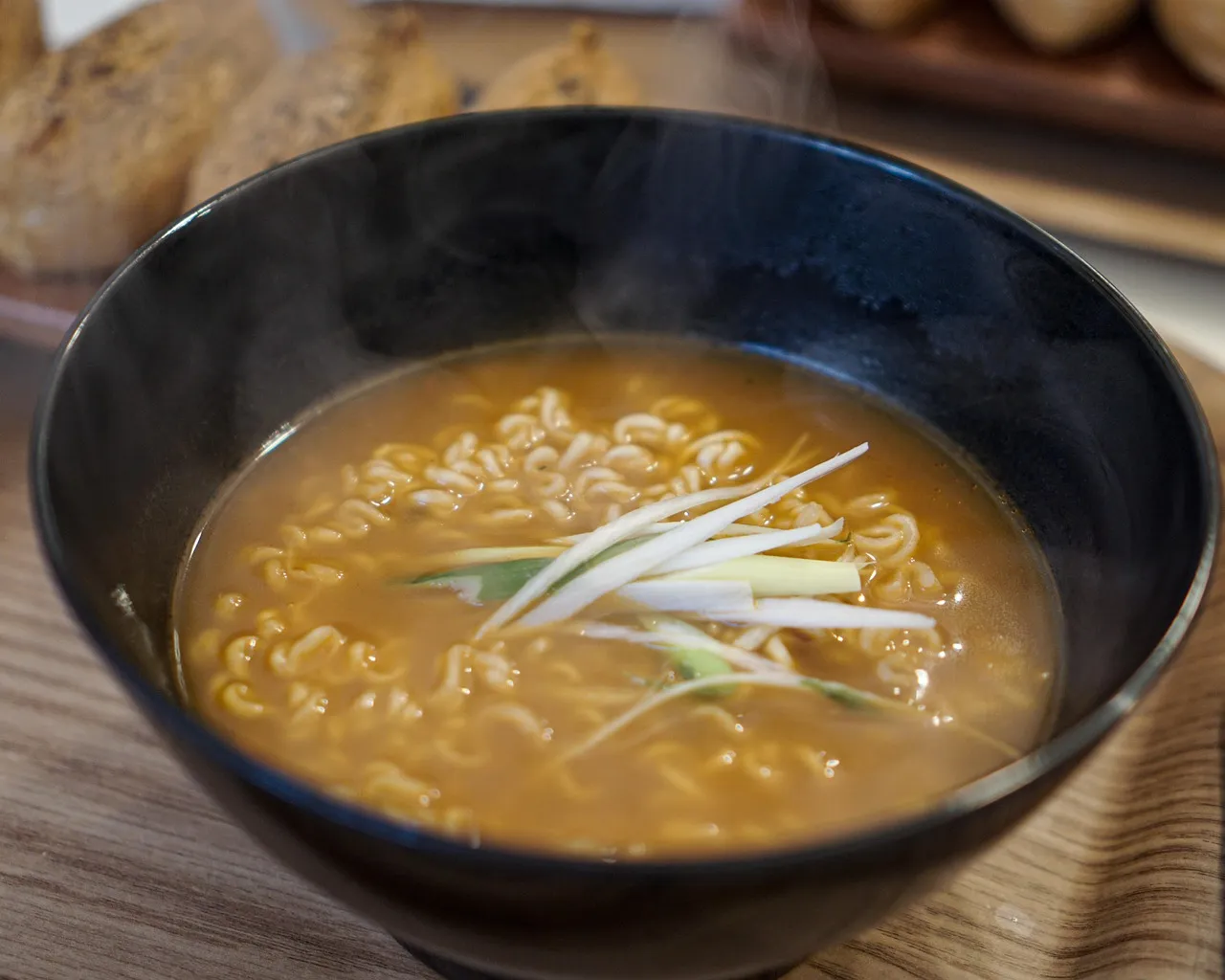
Eating or drinking physically hot foods or beverages, such as soups, can also cause your nasal passages to react. This surprises people who assume the spice is always the sole trigger, but temperature alone is enough to set things off.
The combination of heat and spice is especially potent, which explains why a steaming bowl of spicy ramen can leave you reaching for tissues before you’re halfway through. Both factors activate overlapping receptor systems, essentially doubling the stimulus your nerves receive.
Some people experience gustatory rhinitis with a wider variety of foods, which can be uncomfortable. For these individuals, the trigger isn’t strictly spice or heat but something more broadly related to the eating process itself.
The Paradox: Capsaicin Can Also Treat It

Capsaicin is unique among naturally occurring irritant compounds because the initial neuronal excitation evoked by it is followed by a long-lasting refractory period, during which the previously excited neurons are no longer responsive to a broad range of stimuli. That sounds counterintuitive, but it is well-documented in the research.
Capsaicin treatment triggers the nerve that causes gustatory rhinitis. Over time, this might help desensitize the nerve, so it stops reacting to triggers. Some studies suggest that using low-dose capsaicin nasal sprays regularly can reduce your symptoms over time.
In a Cochrane review, the effectiveness of capsaicin in the management of idiopathic rhinitis was evaluated and the authors concluded that given that many other options do not work well in non-allergic rhinitis, capsaicin is a reasonable option to try under physician supervision.
Practical Treatments That Actually Help
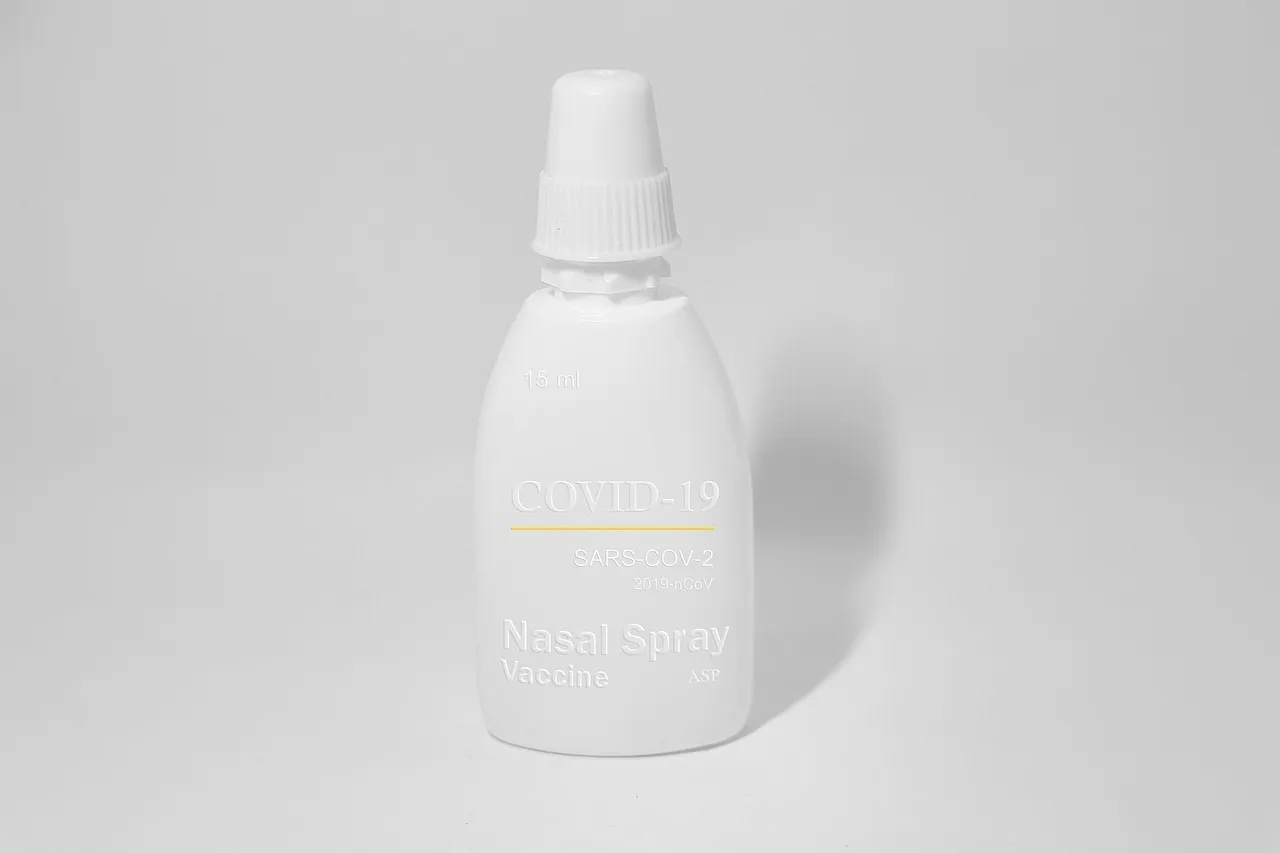
Effective treatment of gustatory rhinitis is pretreatment with topical ipratropium bromide before ingestion of spicy food. This anticholinergic nasal spray is one of the most studied options in clinical practice.
Clinical studies showed that ipratropium reduces the duration and severity of rhinorrhea by roughly a third compared with placebo. For those who react strongly to every spicy meal, that’s a meaningful reduction.
Nasal sprays, saline rinses, and decongestants might help you enjoy your favorite foods without symptoms. Most of the time, a runny nose while eating is more of an annoyance than a serious health issue. However, if your condition worsens or you notice other symptoms, like problems with eating and drinking, it’s a good idea to see your health care provider.
Final Thoughts
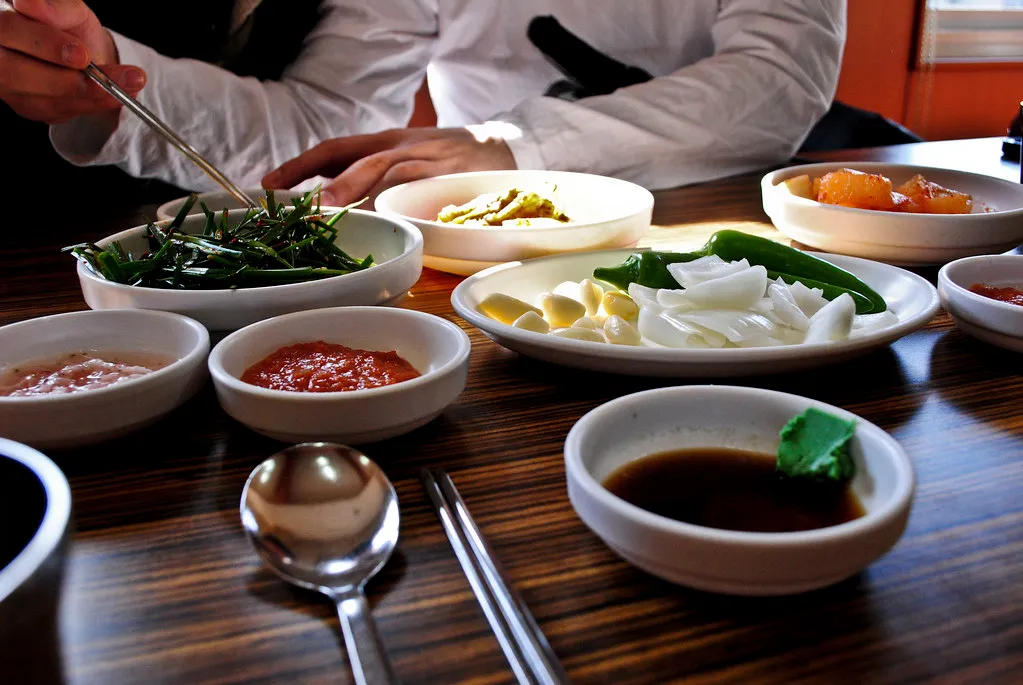
Your nose running during a spicy meal isn’t a flaw or a sign that something is wrong. It’s your nervous system doing exactly what it was designed to do, reacting to a perceived threat with a defensive response. The fact that capsaicin can mimic the signal for dangerous heat is, in a way, a small evolutionary trick being played on you by a plant.
Understanding the mechanism, from the TRPV1 receptors to the trigeminal nerve to the parasympathetic reflex, makes the whole thing feel a little less embarrassing. And if it genuinely disrupts your meals, real, evidence-backed options exist. You don’t have to give up your favorite spicy dish. You just might need to plan around it a little more carefully.
AI Disclaimer: This article was created with the assistance of AI tools and reviewed by a human editor.