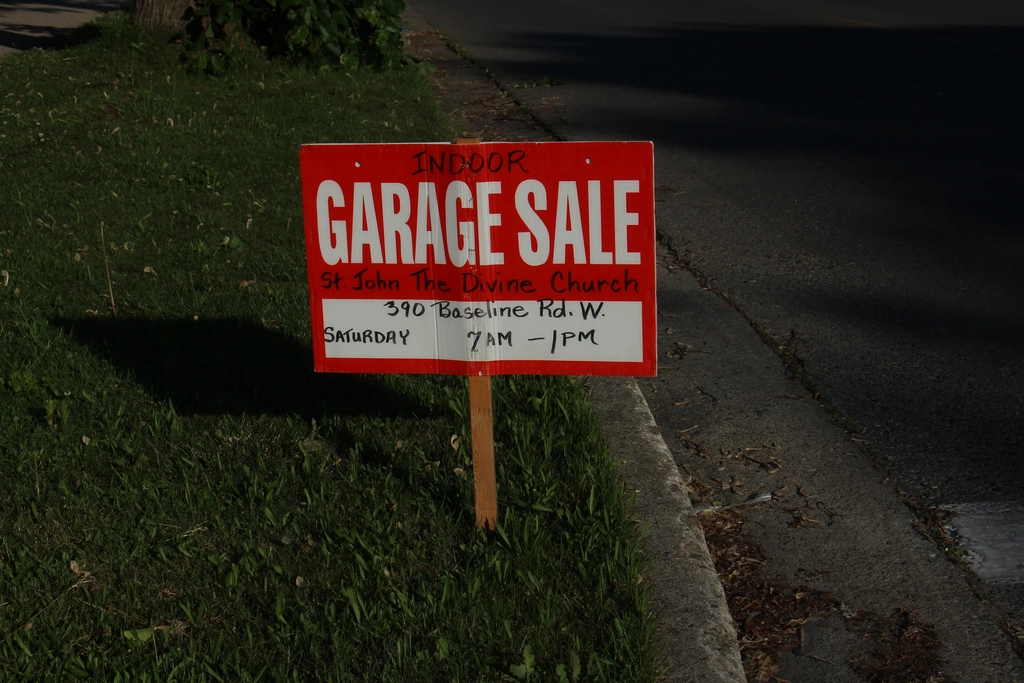

There’s a particular feeling that hits at a garage sale, that rush of finding something you didn’t know you needed until it was sitting in front of you, priced at three dollars. It’s exciting. It’s also exactly how most bad purchases happen.
There are an estimated 6.5 to 9 million garage or yard sales held every year in the U.S., which shows just how deeply ingrained this tradition is in American culture. With that many tables of merchandise spread across driveways and front yards, the opportunities are real, but so are the traps. One question, asked consistently, can make all the difference between a genuine find and a regrettable haul.
The One Question Every Smart Shopper Asks First
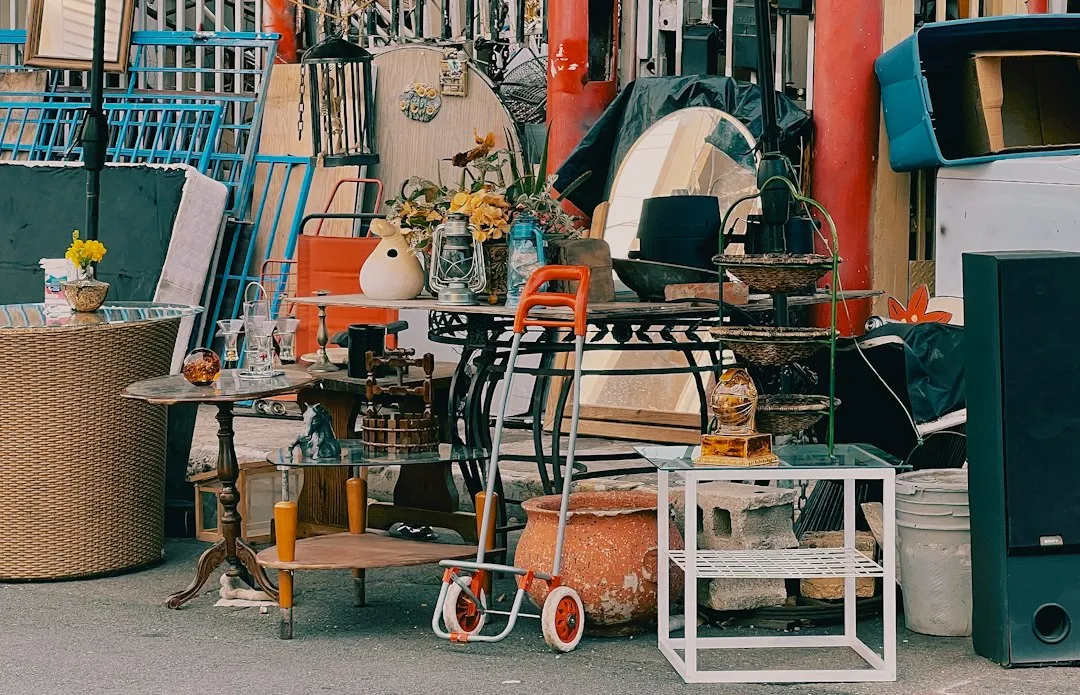
The question is simple: “Do I actually need this, or does the low price just make it feel like I do?” It sounds almost too obvious, but the psychology of discounted pricing is powerful enough to override rational thinking. Garage sales can feel like treasure hunts, and for a few dollars you might find something at a fraction of the original price. However, a low price doesn’t always mean you’re getting a good deal.
The question of whether you would pay full price for an item gets to the root of whether you truly love something or are just attracted to the bargain itself. Applying that filter before you reach into your wallet is one of the most effective habits a garage sale shopper can develop.
Why the Bargain Brain Overrules Good Judgment

Secondhand shopping activates a specific kind of urgency that retail stores can’t replicate. You see it once, it might be gone in minutes, and it’s cheap. That combination bypasses the slower, more deliberate part of your thinking. Nobody at a garage sale cares what something originally cost. They care about what it’s worth to them today.
Buyers aren’t comparing garage sale prices to retail. They’re comparing them to thrift stores, Facebook Marketplace, and their mental “garage sale price” expectations. When something feels priced below that mental benchmark, the desire to grab it intensifies, even if you have no real use for it.
Check the Condition Before You Check the Price

Some items sold at garage sales have problems that aren’t obvious at first glance. Others may be difficult to clean, impossible to verify, or simply worn out from years of use. Plenty of secondhand items, however, can be worthwhile, particularly when you can inspect them carefully and understand what you’re buying.
Pay particular attention to peeling, flaking, significant rust, or other obvious deterioration. If you can’t determine what something is made from or how well it has held up, walking away may be the smarter option. Condition is a fact. Price is a feeling. The question to ask yourself is whether the condition justifies the purchase regardless of what it costs.
Electronics and Appliances Deserve Extra Scrutiny
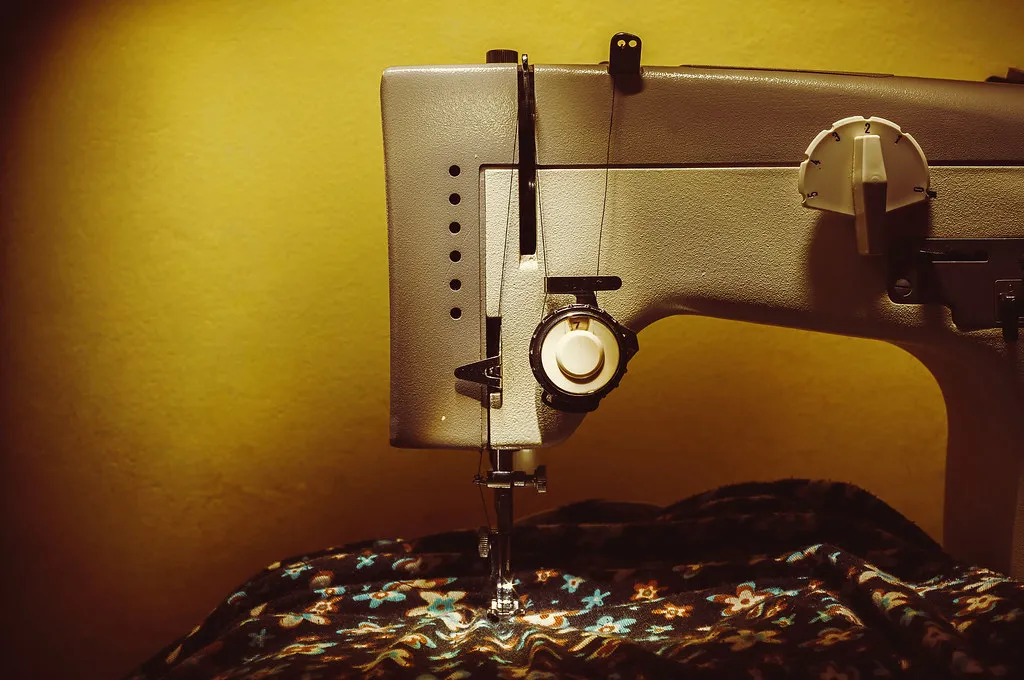
If you have your eye on an older kitchen stand mixer or vintage blender, check the wiring, check the plug, and test it to make sure it works and that the motors are in good condition, listening for any whining or grinding. A non-working appliance at two dollars is still two dollars wasted, plus whatever it costs to dispose of it.
The nostalgia factor of a retro toaster or blender might be appealing, but wiring and heating elements wear out, become faulty, and can become a fire concern. Unless you can plug something in, test every function, and inspect the cord for fraying or damage, just walk away. The question to ask here is straightforward: “Can I verify this actually works before I buy it?”
The Safety Check Most Shoppers Skip

Before buying anything at a garage sale, especially baby gear or small appliances, pull out your phone and search the model number at cpsc.gov/recalls. It takes thirty seconds and could save you from bringing something genuinely problematic into your home. This is one step most casual shoppers never think to take.
Cribs are one of the most commonly flagged items by both police and consumer safety organizations. Drop-side cribs were linked to dozens of infant deaths before they were banned over a decade ago, yet they still show up at yard sales regularly because sellers simply don’t know about the ban. A quick recall check takes no time at all and is always worth doing.
Items With Many Parts Carry a Hidden Risk

Avoid anything with a lot of parts and pieces that the original owners could have potentially misplaced. This could be a puzzle, a board game, or an opened deck of cards. When buying these items, you run the risk that they might be missing a key piece or two.
Unless you have the time to count out a deck of cards or check that every Monopoly house is present, it’s best to skip. The question to ask with any multi-piece item is: “Can I verify this is complete right now?” If the answer is no, the price really doesn’t matter.
Cookware Needs a Different Kind of Inspection
Never buy anything with food stuck to it, and dismiss any plastic that’s discolored or has the aroma of what was once stored in it. Those details tell you something important about how the item was cared for, and how it will perform for you going forward.
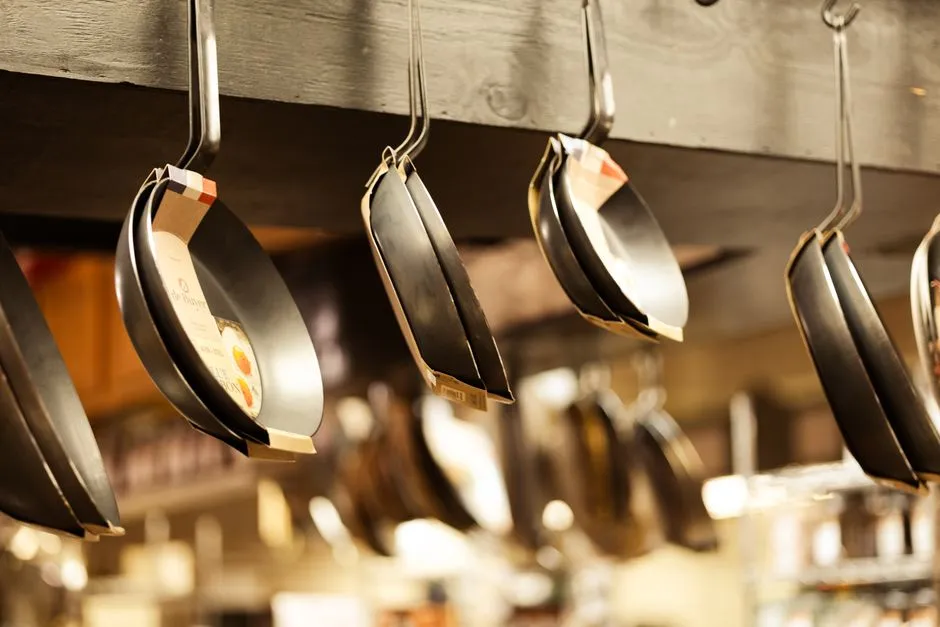
Teflon-coated cooking skillets that are scraped up and damaged pose a risk to your health and should never be purchased or used. Cast iron and enamel pots and pans are much safer to buy secondhand, and will usually just need a little care to get them back into shape. Knowing which cookware materials are safe to buy used is the kind of knowledge that genuinely saves money in the long run.
The Hygiene Question Nobody Likes to Ask

Used water bottles might harbor harmful bacteria or mold. You don’t know what happened to the bottle before it reached you, and if the previous owner put it through the dishwasher, that exposure to extreme temperatures can ruin the insulation. The low price on a used water bottle is rarely worth the uncertainty about what’s growing inside it.
Bed bugs and other unwanted pests aren’t limited to mattresses. They can latch onto stuffed animals, cushioned furniture, and pretty much anything soft that might not survive a hot washing machine cycle. The question to ask with any soft or upholstered item is simple: “Can I safely clean this, and do I know what I’m bringing home?”
Timing and Negotiation Are Part of the Equation

You’ll find the best selections within the first half hour of a sale, when you may find yourself competing with professional secondhand dealers scouting for great products they can resell. This is particularly true for higher-end furniture and works of art. Showing up early gives you the widest selection. Showing up late gives you the most negotiating power.
Being flexible on prices helps move items faster, but sellers should avoid giving away valuable pieces for too little. As a buyer, that flexibility works in your favor. When assessing items, excellent or like-new condition typically commands around half the original retail price, which gives you a useful mental anchor when you’re deciding whether an asking price is actually reasonable.
Always Ask for Receipts on Bigger Purchases
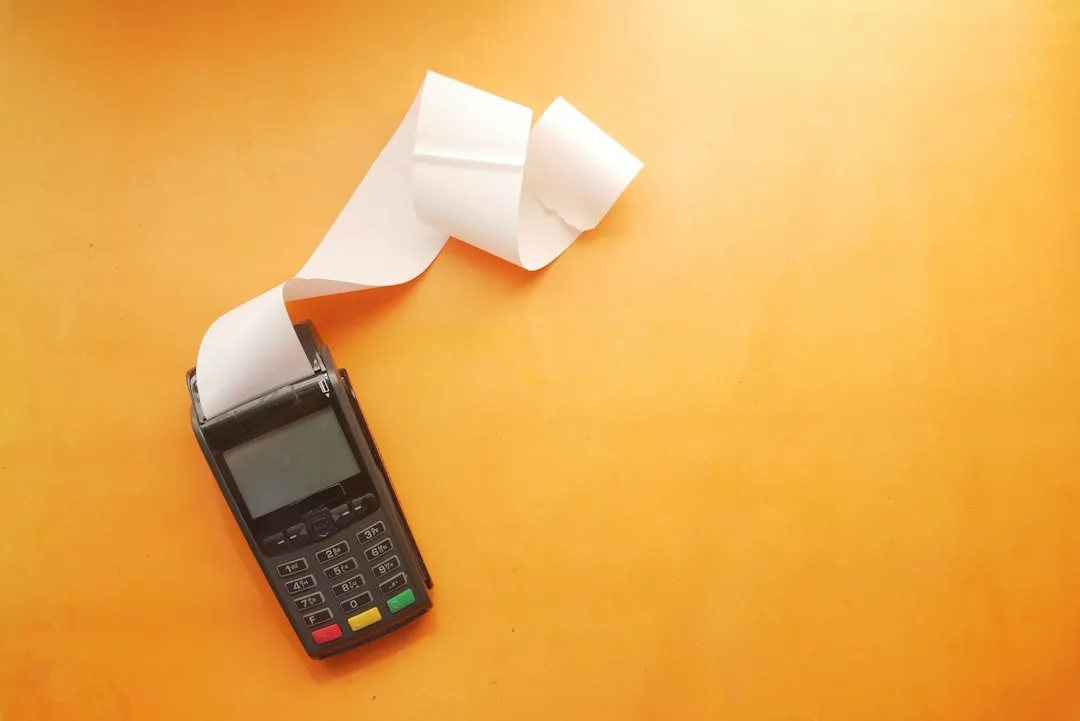
Ask the seller for a receipt for any large-ticket items, and make sure any verbal promises or guarantees are in writing. You are dealing with an individual and not a company. This matters more than people realize. There’s no return policy, no customer service line, and no recourse once you’ve driven away.
Remember, the item will be sold as-is. That single phrase should sharpen your attention every time you pick something up. The question to ask before buying anything significant is: “Am I comfortable owning this exactly as it is right now, with no ability to return it?” If there’s any hesitation, the price stop mattering entirely.
The Takeaway
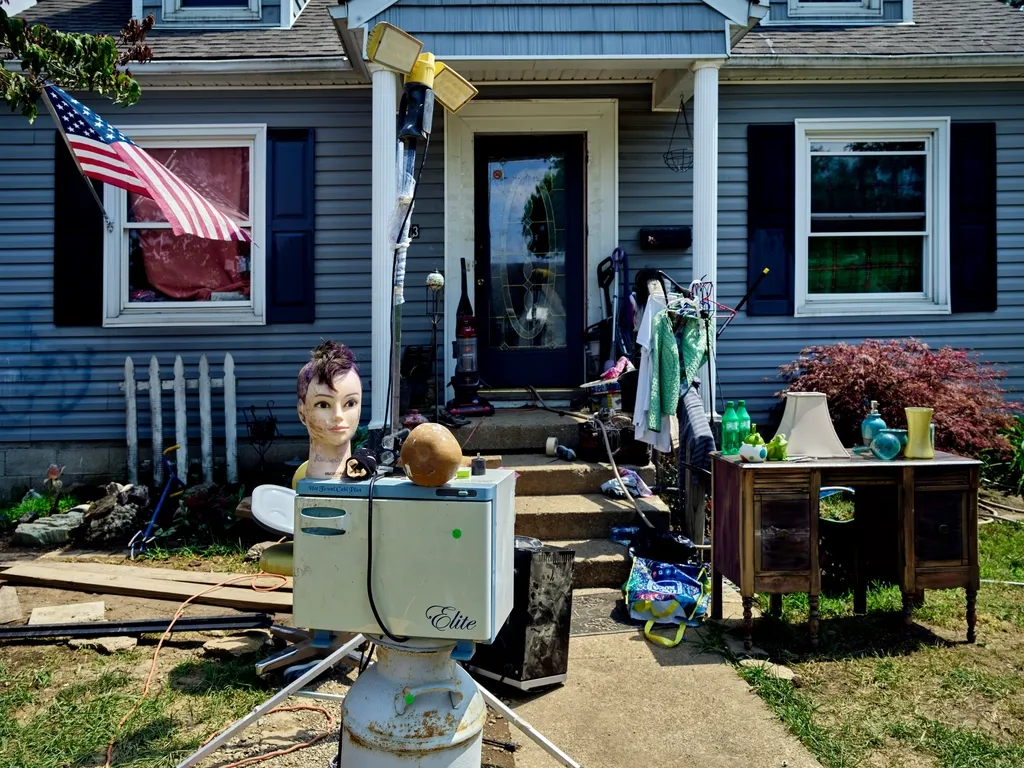
Garage sales can genuinely deliver value, but they reward shoppers who stay curious and skeptical in equal measure. The secondhand apparel and resale market has grown significantly, with the global secondhand apparel market now estimated at hundreds of billions of dollars, which reflects a broad cultural shift toward reuse and value-hunting. The habit is real and growing.
The single most protective question you can carry into any sale is this: “Would I still want this if it were priced at full value?” If the answer is no, you already have your answer. Walk past it, keep browsing, and save your money for the find that actually earns its place in your home.
AI Disclaimer: This article was created with the assistance of AI tools and reviewed by a human editor.