
The Gap Between Marketing Claims and Measured Reality
Every smart thermostat box on the shelf leads with an impressive savings figure. The headline is always the same: up to 15%, up to 20%, with some listings now stretching to 23%, and those figures come directly from manufacturers rather than from anyone auditing them. The words “up to” are doing enormous work in every one of those ads.
When independent bodies step in and measure what actually happens in real homes, the numbers shrink considerably. ENERGY STAR puts average savings at roughly 8% of heating and cooling bills, with savings depending heavily on climate, comfort preferences, and occupancy patterns. That is a defensible number, but it is a long way from the double-digit promises printed on the packaging.
Independent field studies measuring real houses put the savings number closer to half of what manufacturers claim, and roughly a third of homes that install a smart thermostat save close to nothing at all. One large Oregon billing study found homes captured only a fraction of the savings that rebate programs had assumed they would get.
The NBER Field Study That Found Almost No Difference
A field experiment covering over a thousand real households found the devices produced no statistically significant energy savings at all, even though smart thermostats are marketed with savings claims as high as 26% off heating and cooling bills. This is not a minor footnote from an obscure journal.
The study, titled “The Human Perils of Scaling Smart Technologies,” was conducted by economists at several institutions and published through the National Bureau of Economic Research. Half of the households had smart thermostats installed and half did not, and when researchers compared actual energy use between the two groups, they found no practically meaningful difference.
According to a summary from the University of Chicago’s Institute for Climate and Sustainable Growth, researchers traced the shortfall to how people actually use the devices once installed. Easy remote control through a phone app appears to invite more manual overrides and temperature adjustments than a traditional wall thermostat does, and the convenience that is supposed to optimize energy use instead gives residents more opportunities to override the optimization. Manufacturer marketing rarely accounts for that behavioral shift.
The App in Your Pocket Is Part of the Problem
There is an unintended consequence baked into the design of every smart thermostat with a companion app. The convenience that makes these devices attractive is the same feature that encourages people to fiddle with settings far more than they ever would with a traditional unit bolted to the wall.
Easy remote control, delivered through an app on a phone, appears to invite more manual overrides and temperature adjustments than a traditional wall thermostat does. The convenience that is supposed to optimize energy use instead gives residents more opportunities to override the optimization.
Research suggests that every manual extreme adjustment negates approximately three days of algorithm learning. If someone is adjusting their thermostat from their phone several times a week because the app makes it frictionless, months of machine-learning calibration can quietly unravel, and the device ends up performing no better than a simple programmable model.
Programmable Thermostats Already Had This Problem
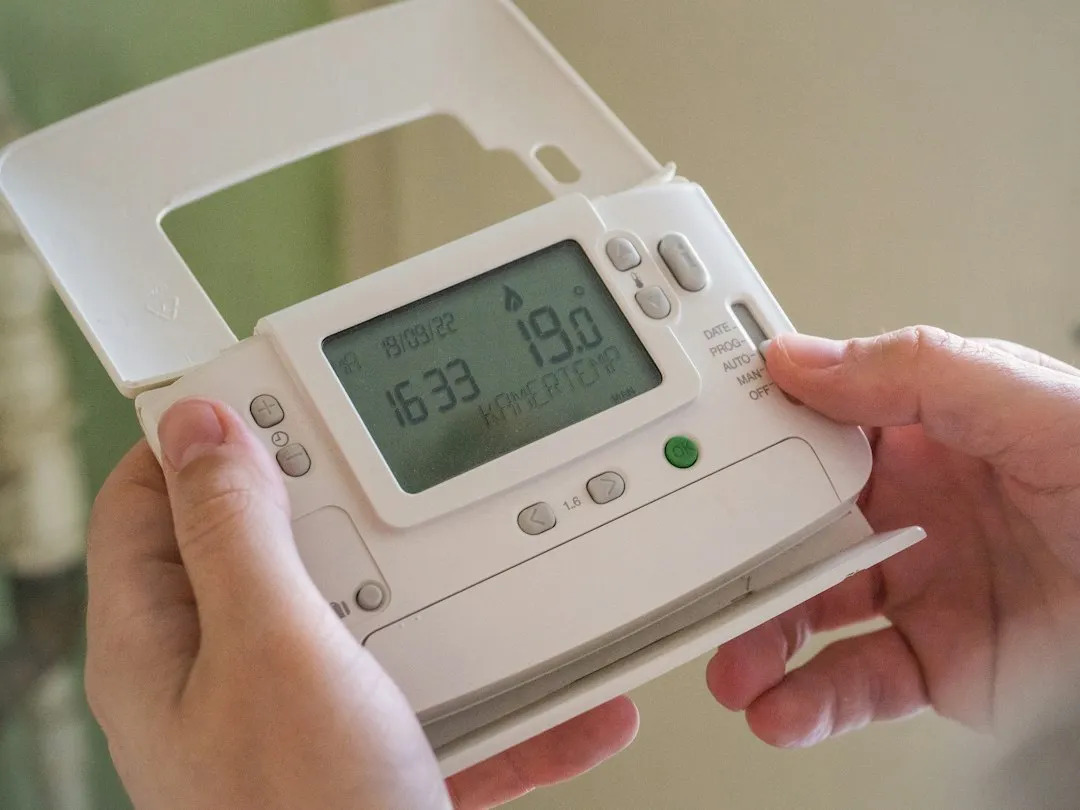
The smart thermostat did not invent the gap between theoretical and real-world savings. That problem existed long before Wi-Fi was built into a thermostat housing. Studies have shown that households with programmable thermostats actually have higher energy consumption than those with simple thermostats because residents program them incorrectly or disable them completely.
One study found that users who used the programming feature on their thermostat actually consumed 12% more energy than the non-programmers, with the increase resulting from higher overnight duty cycles associated with lower thermostat setpoints due to confusion with setting the schedule. That study concluded that programmable thermostats will not necessarily save energy.
The ACEEE/Cadmus utility study found that between roughly half and nearly four in five programmable thermostat users overrode their programmed schedule regularly, effectively defeating the device’s purpose. ENERGY STAR actually suspended its certification program for programmable thermostats in 2009 because field performance was so inconsistent with theoretical savings. Smart thermostats were meant to fix this. For many households, they have not.
Work-From-Home Shifts Are Quietly Raising Setpoints
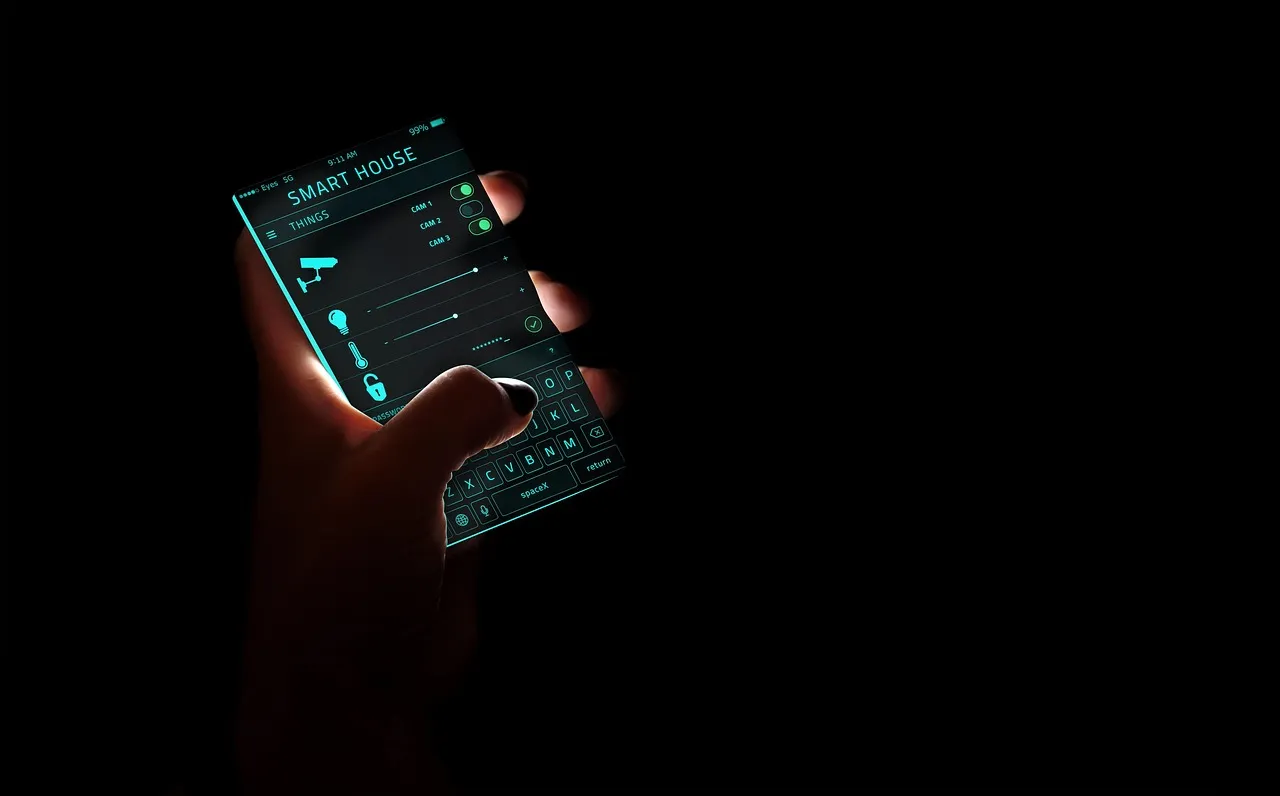
One of the less obvious factors driving higher energy use after a smart thermostat installation has nothing to do with the device itself. It has to do with where people spend their days. Research by Jeong in 2024 compared pre- and post-COVID thermostat setpoints and found that more recent data showed a significantly tighter range of setpoints, by as much as several degrees Celsius, from heating to cooling setpoints across the population, which would tend to increase energy use.
A 2025 study by Sirati et al. found that the average Canadian home with teleworkers increased their heating setpoint by nearly a degree Celsius and decreased their cooling setpoint by over a degree and a half relative to non-teleworking days. The same dataset estimated that a quarter of teleworking households without air conditioning purchased one during the pandemic, compared to roughly one in ten non-teleworking households.
Smart thermostats provide the visibility and the control that makes these adjustments easy. People working from home are simply more aware of their comfort, and more likely to act on it. The technology enables a lifestyle shift that costs more energy, not less.
Utilities Were Counting on Savings That Did Not Materialize

The energy savings gap is not just a problem for individual households. Utilities and state energy programs have built rebate schemes and grid forecasts around savings estimates that field measurement has repeatedly failed to confirm. ComEd’s rebate program had assumed an 8% cooling-energy savings figure in the state’s technical reference manual. When Navigant went and measured what happened in real houses, it found just 2%, and recommended the state cut its assumption to match.
Even government guidance sits well below brand claims, with ENERGY STAR’s own program estimating typical savings closer to single digits per year rather than the double-digit percentages featured in retail advertising, and NBER field data suggests even that more conservative figure can be optimistic once real households, rather than lab conditions, are factored in.
The problem compounds when these inflated assumptions get written into grid planning documents and rebate calculations. Demand projections based on savings that never arrive mean utilities are routinely underprepared for actual household consumption patterns.
HVAC Systems Account for an Enormous Share of Building Energy
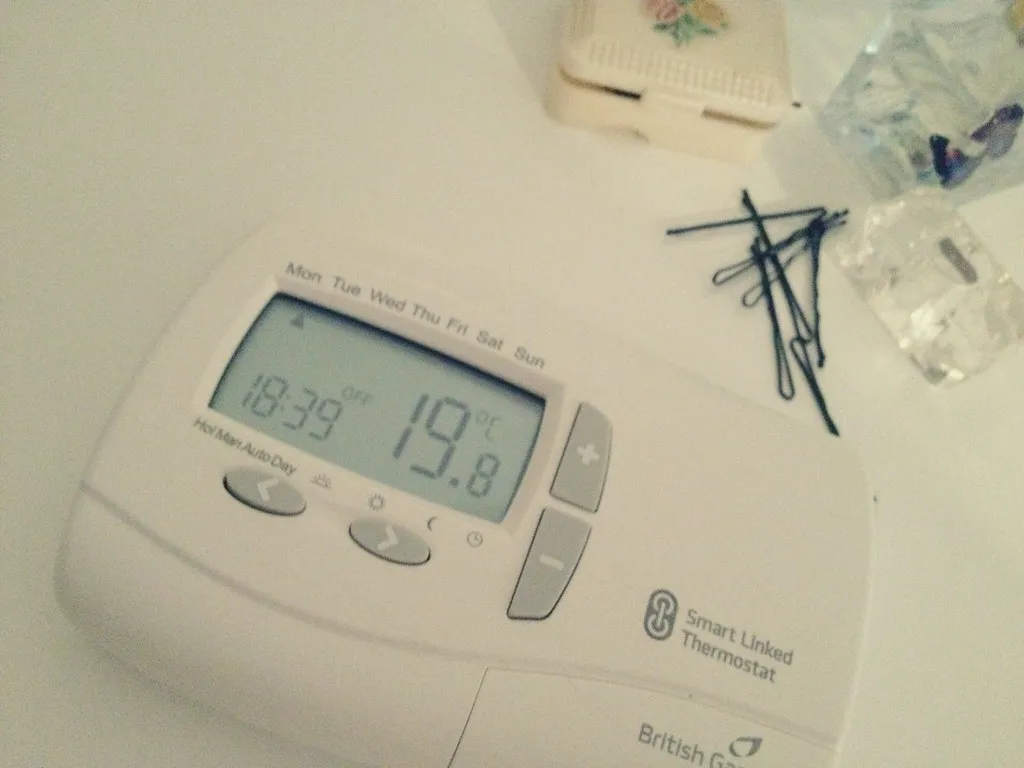
Understanding why any gap in thermostat performance matters requires a sense of scale. In 2024, roughly 37% of the energy delivered to buildings was consumed by HVAC systems, a figure expected to rise significantly. Any device claiming to optimize that slice of consumption is making a meaningful promise, and the stakes of falling short are proportionally large.
The average U.S. household paid around $144 per month for electricity in 2024, and by 2025 that figure rose again by nearly 10%, pushing typical monthly bills further upward. Against that backdrop, a smart thermostat delivering only a fraction of its advertised savings is not a rounding error. It is a real budget difference for families managing tight household costs.
The market for these devices keeps expanding regardless. The global smart thermostat market was valued at over four billion dollars in 2024 and is projected to grow at a rapid compound annual rate through 2032. That is a lot of devices going into homes where the performance gap between promise and delivery remains largely unaddressed.
Occupancy Sensors Do Not Always Behave as Advertised
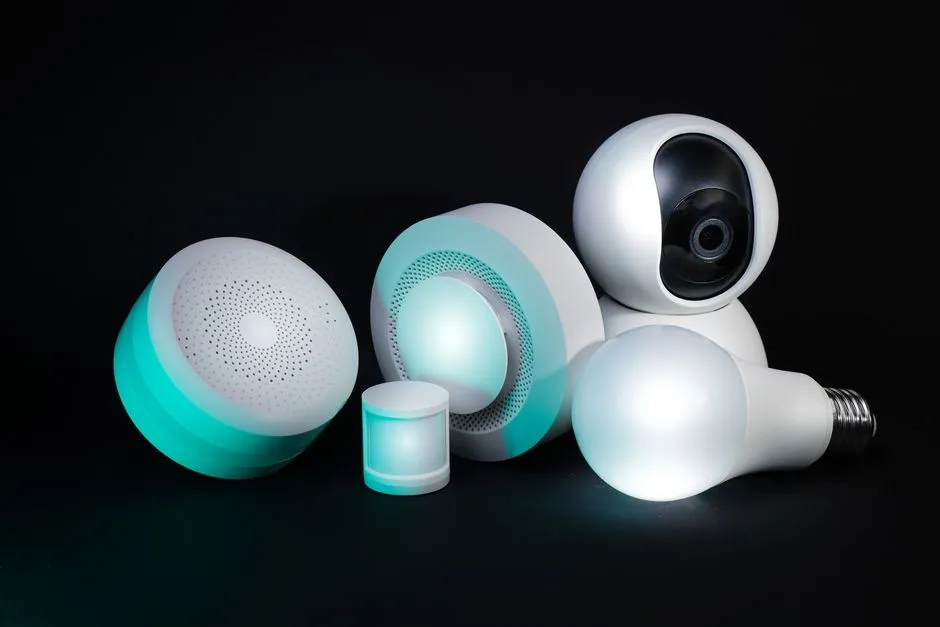
Smart thermostats rely heavily on occupancy detection to justify their energy savings claims. The theory is clean: when no one is home, the system dials back. When you return, it ramps up in time to meet your comfort needs. These devices integrate occupancy sensors such as passive infrared sensors into both the main thermostat unit and remote sensors, connected via Bluetooth, to reflect actual occupancy patterns into control setups.
In practice, sensor accuracy varies considerably by product and installation. Sensors can fail to detect occupancy in larger homes, misread presence in unusual spaces, or trigger false absences that cause the system to cycle in ways that cost more energy than a steady setpoint would. The more a household relies on these sensors without monitoring their performance, the more unpredictable the energy outcome becomes.
Research simulating five categories of behavioral scenarios found that occupancy-based automation delivers the largest energy savings at around 13%, specifically by aligning heating with actual presence. That ceiling is only reachable when sensors work correctly and consistently, which is not guaranteed across all home types and layouts.
The “Savings” Depend Almost Entirely on What You Were Doing Before
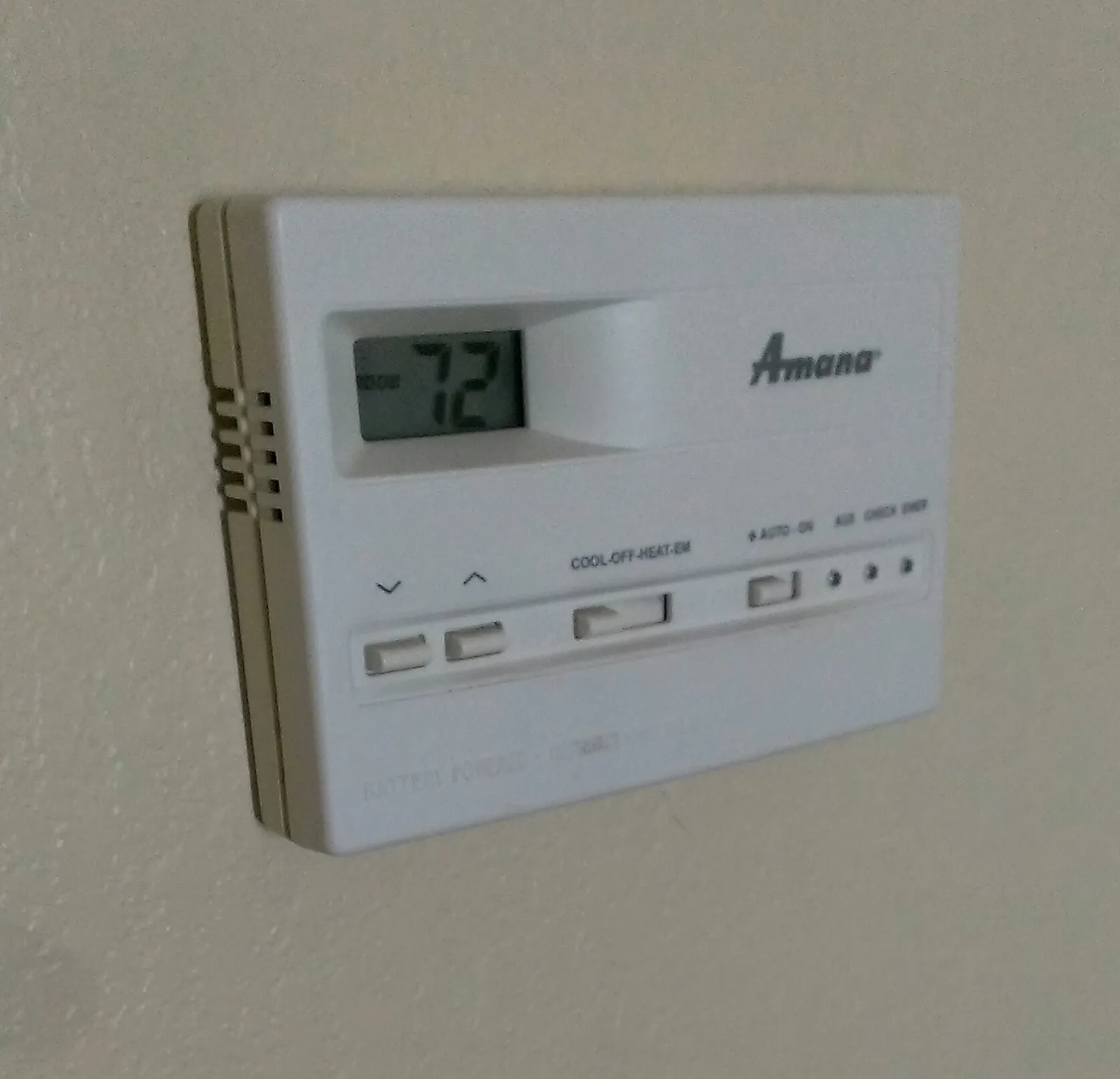
There is a quietly inconvenient truth embedded in all smart thermostat research: the device mostly benefits households that were already being inefficient. The biggest savings are seen by homeowners who previously left their thermostat at the same temperature around the clock. If you were already turning the heat down at night and adjusting when you left for work, the smart thermostat has very little room to improve on your behavior.
The thermostat by itself saves you almost nothing. What you do with it is where the money actually lives. This distinction matters because marketing almost never acknowledges it. The 15% savings figure assumes a household that was previously doing everything wrong, leaving systems running at full capacity day and night.
Households that were already using a programmable thermostat properly, or simply careful about adjusting settings manually, may see no meaningful savings at all after upgrading to a smart model. They might even pay slightly more, if the new device draws standby power while delivering no behavioral improvement over their previous routine.
What Genuinely Works Within the Smart Thermostat Framework
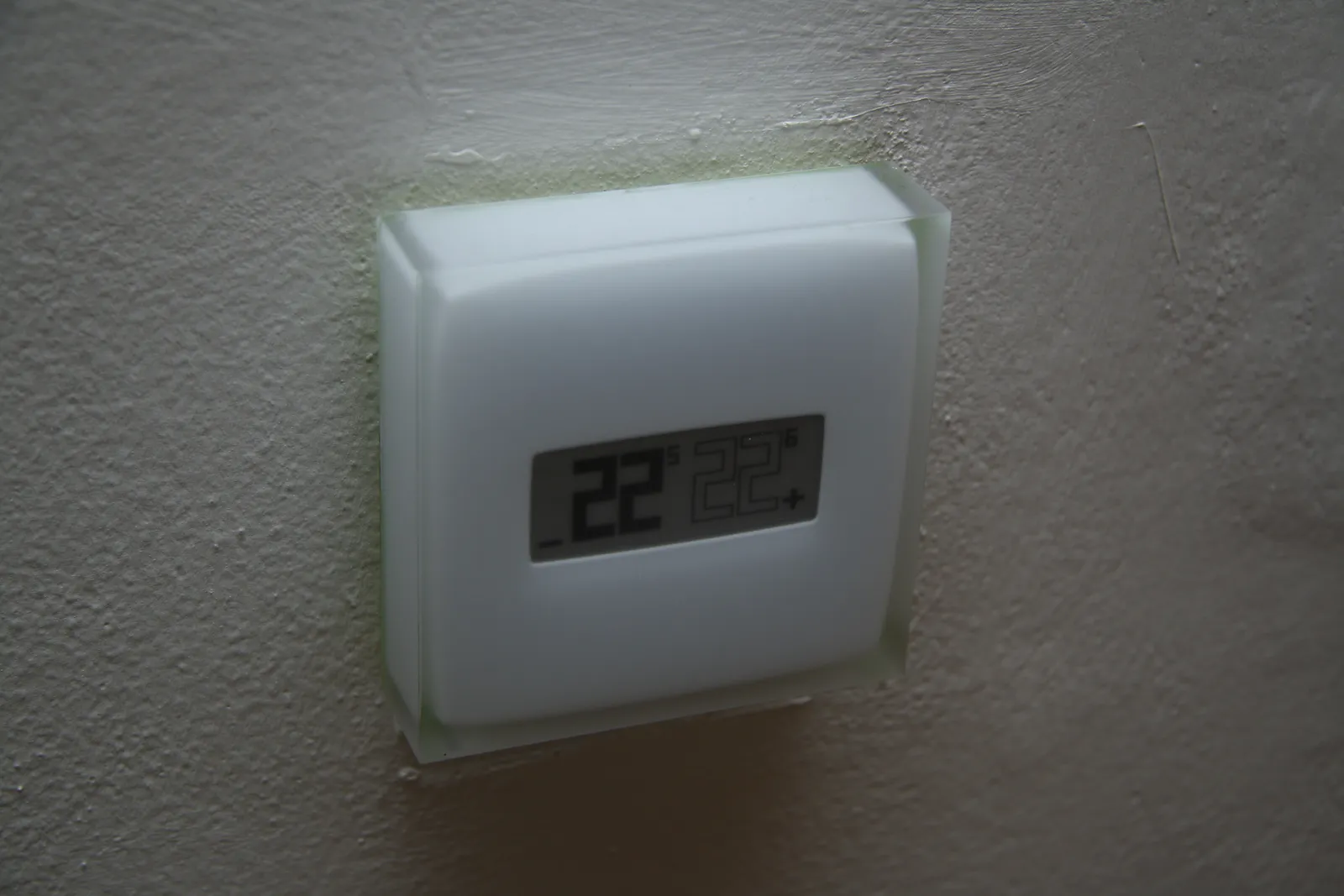
None of this means smart thermostats are useless. The picture is more nuanced than a simple verdict of failure. Households using GPS-based geofencing for auto-adjustment save meaningfully more than those manually overriding temperatures. The devices work well when people actually let them work, rather than treating the app as an invitation to tinker constantly.
A study of over 2,100 Toronto-area residents using Ecobee smart thermostats found that when participants opted to allow the thermostats to pre-cool or pre-heat their homes automatically during off-peak pricing periods, degree changes within the homes varied from around one to five degrees, producing genuine cost reductions. Automation, not manual control, is what creates the benefit.
Occupancy-based automation delivers the largest energy savings, at nearly 13%, by aligning heating directly with presence. The challenge is getting households to trust that automation fully, resist the urge to override it, and leave the learning algorithm enough time and space to actually work. That requires patience most users do not naturally apply to a device they can control with a tap on their phone.
The Honest Takeaway
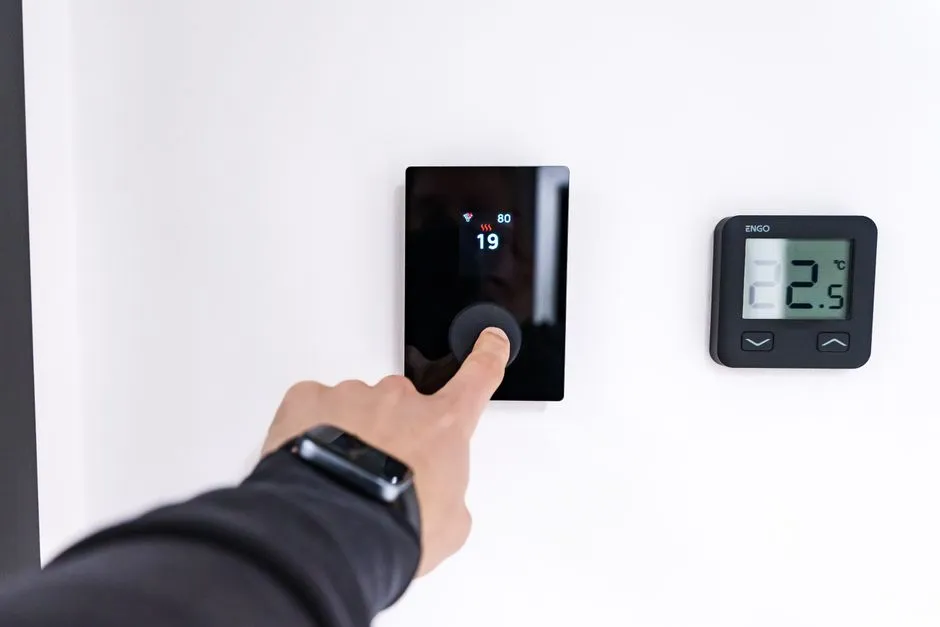
Smart thermostats are not inherently wasteful gadgets, but they are also not the straightforward energy savers the industry has spent years promoting them as. The gap between the savings on the box and the savings in the real world is substantial, well-documented, and largely driven by human behavior rather than hardware failure.
The savings figures are averages, not promises. Homes with bad ductwork, incorrect equipment sizing, poor schedules, or people who constantly override the settings rarely get the headline result. That is a significant share of the households currently buying these devices.
The smarter move, in every sense, may be to treat these thermostats as automation tools first and convenience apps second. Set them up, enable geofencing, let the algorithms learn, and then largely leave them alone. That is the usage pattern the research consistently rewards. Everything else, the constant adjustments, the comfort upgrades, the app-driven tinkering, tends to quietly push consumption back up toward where it started.
AI Disclaimer: This article was created with the assistance of AI tools and reviewed by a human editor.