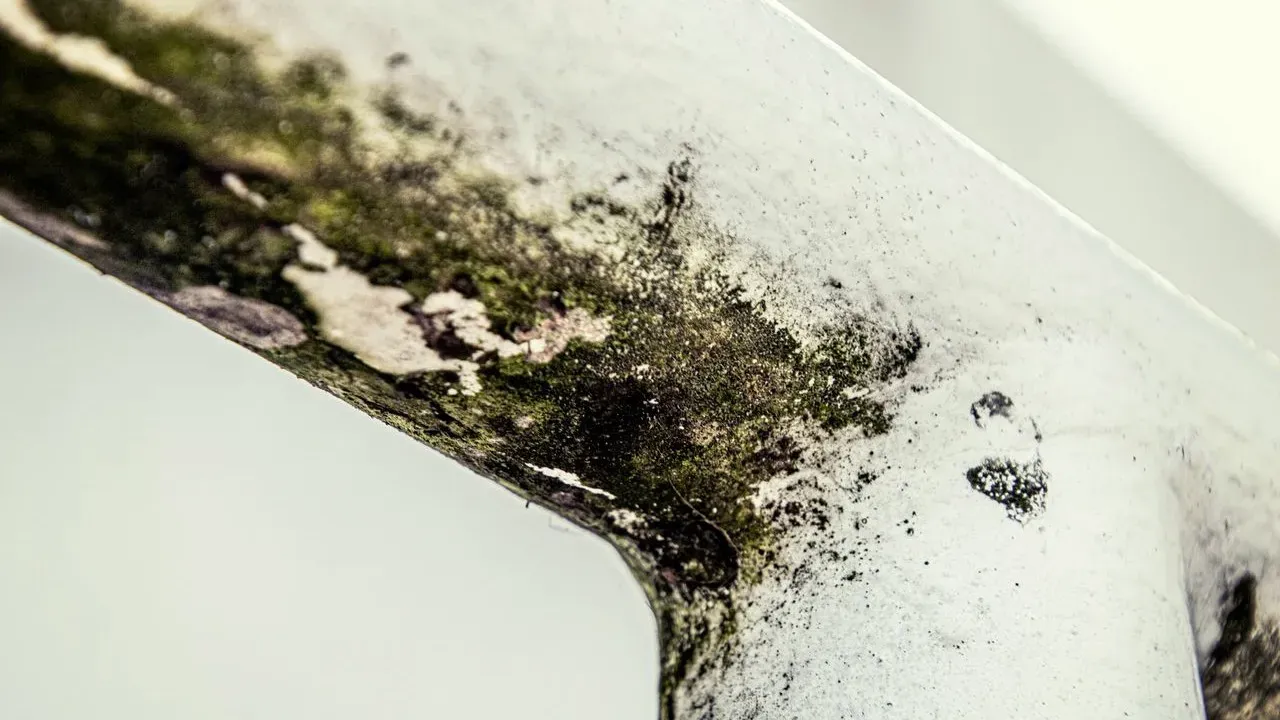

Bryan Johnson’s relentless pursuit of longevity hit an unexpected obstacle when mold appeared in his home gym. The discovery forced a major cleanup and highlighted a problem that affects millions of households. Nearly half of American homes carry some level of mold or dampness, turning a private setback into a broader warning for homeowners.
Johnson’s Gym Becomes a Cautionary Tale
The biohacker shared footage of the issue on social media, appearing in protective gear as workers removed contaminated materials. What began as a routine inspection quickly escalated into a full-scale remediation. Followers responded with their own accounts of similar problems, underscoring how common the issue remains even in well-maintained properties. The episode illustrates that no amount of personal discipline fully shields against environmental hazards inside the home. Mold can develop behind walls, under floors, or in ventilation systems long before visible signs appear. Johnson’s experience serves as a reminder that regular checks matter for anyone concerned about indoor air quality.
Widespread Presence in U.S. Residences
Data indicate that roughly 47 percent of homes across the country show signs of mold or excess moisture. This figure comes from real estate analyses and aligns with observations from public health agencies. The problem often stems from leaks, poor ventilation, or high humidity levels that allow spores to settle and grow. Because mold frequently hides in unseen areas, many residents remain unaware until symptoms or professional inspections reveal it. The statistic places Johnson’s case within a much larger pattern rather than an isolated incident. Homeowners in older buildings or regions with frequent rainfall face elevated chances of encountering the issue.
Health Effects Linked to Exposure
The Centers for Disease Control and Prevention notes that mold can trigger symptoms ranging from mild irritation to more serious respiratory complaints. Common reactions include wheezing, nasal congestion, skin itchiness, and shortness of breath in sensitive individuals. Severity often depends on the type of mold, duration of exposure, and personal health factors. Not every case produces dramatic illness, yet prolonged contact raises concerns for those with asthma or weakened immune systems. Experts emphasize that while some people tolerate low levels without issue, others experience noticeable declines in well-being. Identifying and addressing growth early helps limit potential effects.
Practical Testing Options for Homeowners
At-home kits offer one accessible starting point for detection. These products typically include multiple petri dishes that users expose to air or swab on surfaces. After sealing the samples, results often appear within 24 to 48 hours, allowing comparison across different rooms. A straightforward process involves these steps: – Select locations such as basements, bathrooms, or near HVAC vents.
– Open the dish and either leave it open for a set time or wipe a suspected area.
– Close the container and store it at room temperature.
– Observe growth after one to two days and consult any included guide for identification.
– Consider sending unclear samples to a lab for further analysis if the kit provides that option. Such tests provide initial clues but do not replace professional evaluation when significant growth appears. The CDC recommends confirming findings with certified remediation specialists before major repairs. Taking these measures can help residents gain clearer insight into their living environment and decide on next actions.
AI Disclaimer: This article was created with the assistance of AI tools and reviewed by a human editor.