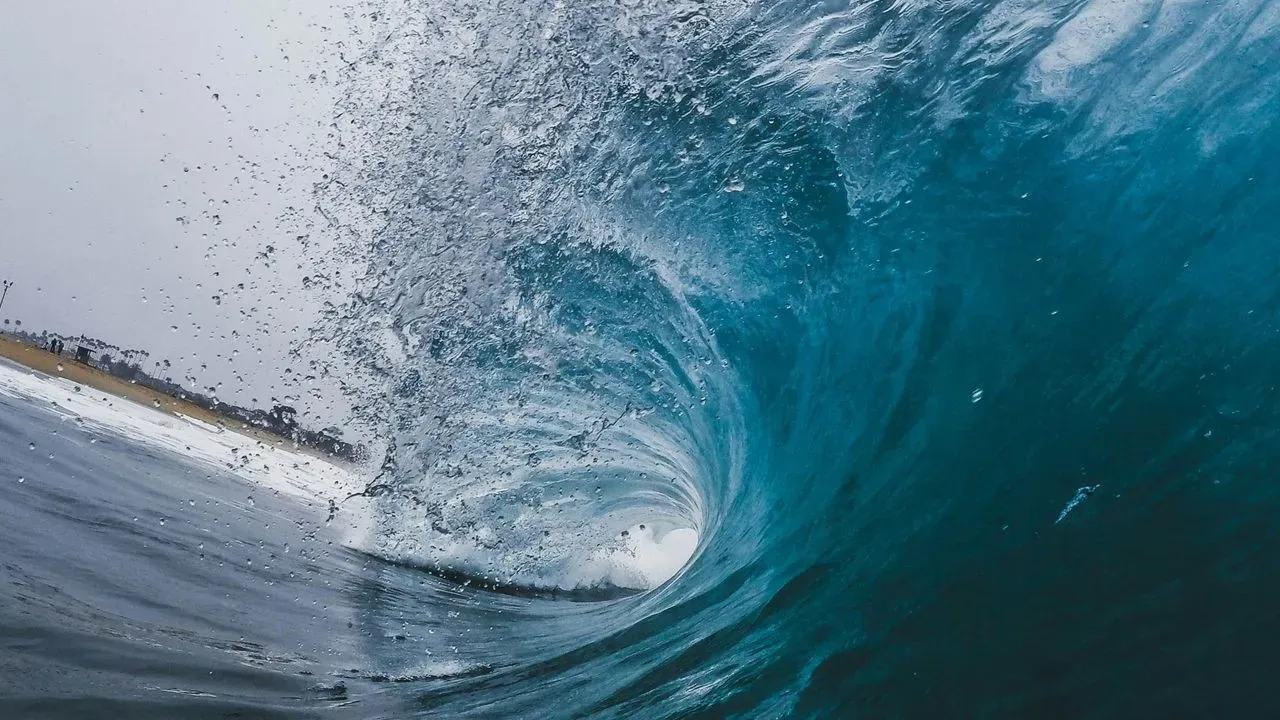

Southern California’s coastline has already absorbed one round of punishing surf this season. Now forecasters warn that Hurricane Polo, churning in the eastern Pacific, could deliver another surge of large swells and dangerous rip currents early next week. The timing adds pressure to beaches still recovering from prior impacts and raises fresh concerns for swimmers, surfers, and coastal residents.
Back-to-Back Pacific Storms
Pacific hurricanes rarely track close enough to affect the mainland United States in quick succession. Polo’s development follows an earlier system that already stirred up the region’s waters. Meteorologists note the unusual pattern could extend the period of elevated surf and coastal hazards well into the coming week. The storm remains offshore, yet its distant influence is expected to propagate toward the Southern California coast. Swell trains generated by the hurricane’s winds travel thousands of miles before reaching shore. That energy arrives as powerful, long-period waves capable of reshaping sandbars and increasing the risk of rip currents.
Expected Coastal Hazards
Large swells are forecast to build through the weekend and peak early next week. Lifeguards anticipate stronger-than-normal surf along stretches from Santa Barbara County southward to San Diego. Even on days when the sun shines, the combination of bigger waves and shifting currents can turn routine beach visits hazardous. Rip currents pose the most immediate threat to beachgoers. These narrow channels of fast-moving water can pull even strong swimmers away from shore in seconds. Officials plan to increase patrols and post additional warnings at popular access points. Boaters and paddle-sport enthusiasts are also advised to check updated marine forecasts before heading out.
Why the Timing Matters
Many coastal communities rely on late-summer weekends for tourism revenue and local recreation. Extended rough conditions could limit beach access and prompt temporary closures of swimming areas. The added strain comes as crews continue clearing debris and repairing minor erosion from the previous storm. Residents and visitors are encouraged to monitor National Weather Service updates and heed lifeguard instructions. Simple precautions, such as swimming near lifeguard towers and avoiding areas with posted hazard flags, remain the most effective way to stay safe. The situation underscores how distant tropical systems can still shape daily life along the Southern California shoreline. As Polo moves, forecasters will refine arrival times and intensity, but the core message is already clear: another period of heightened surf and rip-current risk is on the way.
AI Disclaimer: This article was created with the assistance of AI tools and reviewed by a human editor.