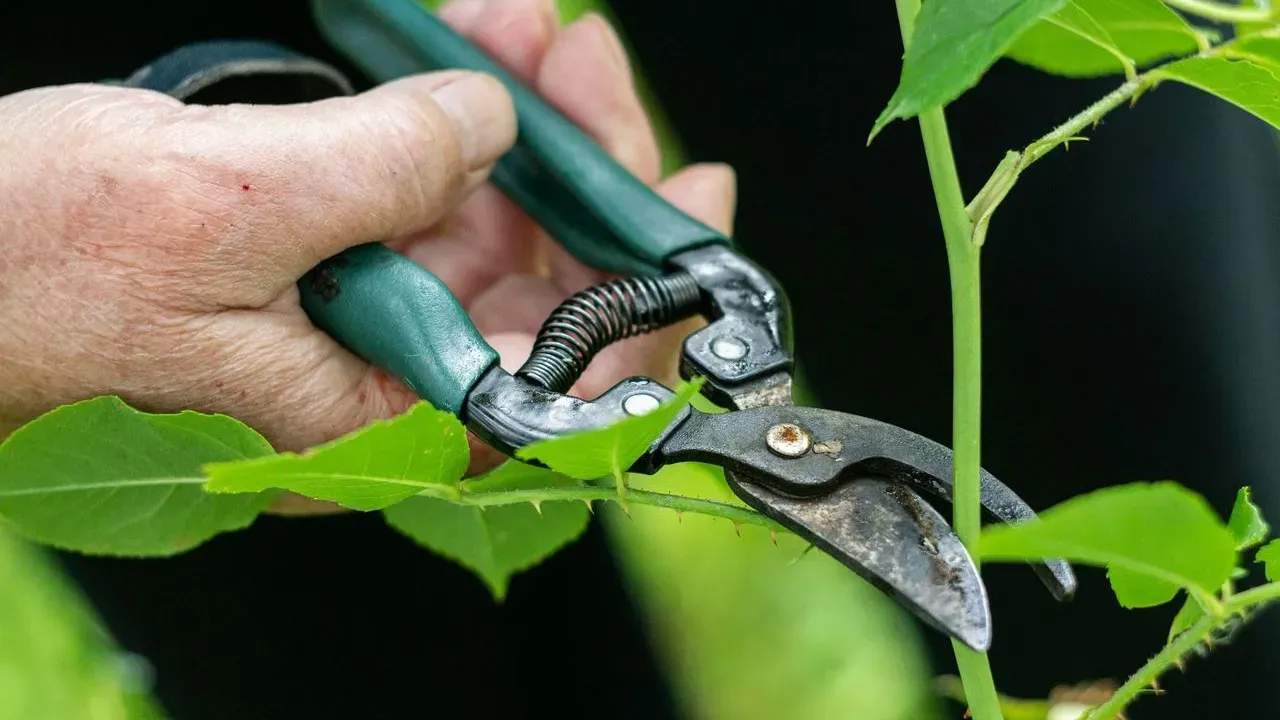

Gardeners often face the dilemma of shrubs that have grown leggy, sparse, or simply too large for their space. Renewal pruning, also called rejuvenation pruning, offers a targeted way to address these issues on suitable plants. The technique involves significant cutbacks that encourage fresh growth from dormant buds or the root system. ([1])
Understanding When Renewal Makes Sense
Renewal pruning works best on established, multistem woody shrubs that can handle aggressive cuts. It is not a fix for plants suffering from disease, pests, or poor siting. Gardeners should first identify the root cause of decline before proceeding. Established plants that have settled in for at least two years stand the best chance of recovery.
Timing plays a critical role in success. Deciduous shrubs respond well to cuts made in late winter while dormant, when energy reserves are highest. Evergreens generally fare better with mid-spring pruning after frost risk passes. Proper timing allows new growth to emerge vigorously in the following season.
Practical Benefits for Garden Maintenance
Many vigorous shrubs benefit from scheduled renewal as part of routine care. Fast-growing species with suckering habits can be cut back every year or two to maintain size and improve foliage quality. Smokebushes, for instance, produce brighter new leaves when pruned hard annually, though flowering may be sacrificed.
Spirea varieties also respond strongly to this approach. One cultivar can be cut to the ground right after its early spring bloom, yielding dense summer growth without losing flowers the next year. Such resets help fit more plants into limited garden spaces while keeping them looking fresh.
Corrective Approaches for Overgrown Specimens
Older shrubs that have become hollow or unbalanced may need corrective renewal. Three main methods exist. The top chop removes enough upper growth to expose the center and allow light in. The side chop tackles one side at a time over multiple seasons for gradual reshaping. The selective snip removes one in three older branches over several years for a gentler transition.
These techniques suit healthy, robust growers such as ninebark, elderberry, holly, and willow. Gradual selective cuts work well on shrub roses, abelia, mahonia, and camellia. Results appear over one to three years as new stems fill in.
Key Considerations Before Cutting
Gardeners must confirm a shrub can sprout from old wood and lacks underlying health issues. Irreplaceable or sentimental plants may warrant the more conservative selective method. In some cases, relocation or replacement proves wiser than renovation.
Recovery depends on post-prune care and the plant’s natural vigor. The process demands patience, as the initial appearance can look stark. Yet for the right candidates, the outcome often delivers fuller form and renewed vitality within a few growing seasons.
AI Disclaimer: This article was created with the assistance of AI tools and reviewed by a human editor.