
Older Materials Were Simply Built Differently
These days, machines have to do the work of artisans since costs are too high to create each piece by hand. While modern cast iron will also last a lifetime and be fully functional, it just won’t have the attention to detail and craft found in vintage. That gap in craftsmanship isn’t a myth cooked up by collectors. It shows up in the weight, the surface texture, and how the piece performs under heat.
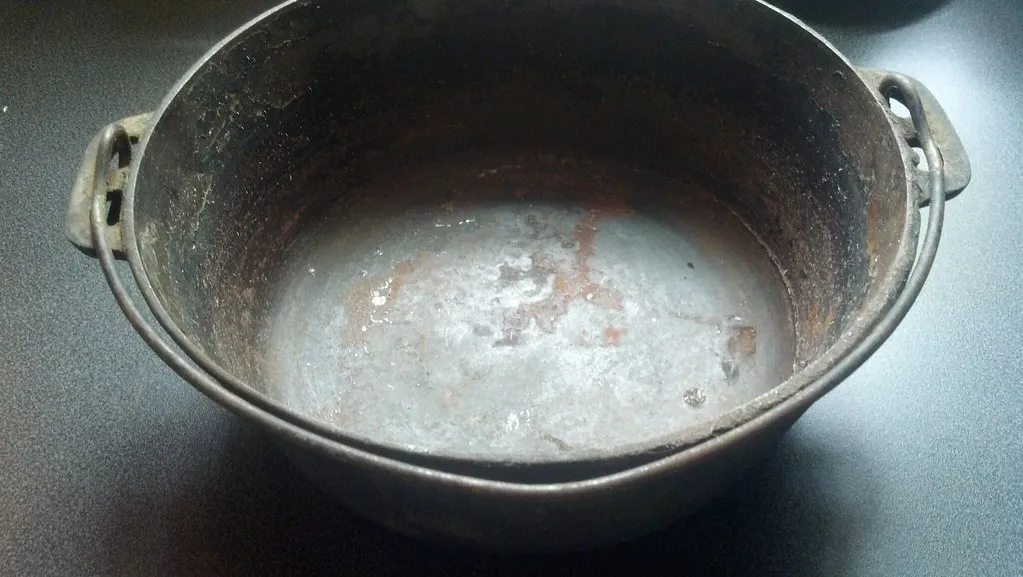
Vintage cast iron and steel was hand-poured into sand molds, which gave the maker more control. The result was lighter cookware which was then ground down with stone to make the pan’s surface smooth and flat. That stone-ground finish is rarely found in mass-produced items today, and it makes a real difference in how well a pan seasons and how evenly it cooks.
Cast Iron That Outlives Generations
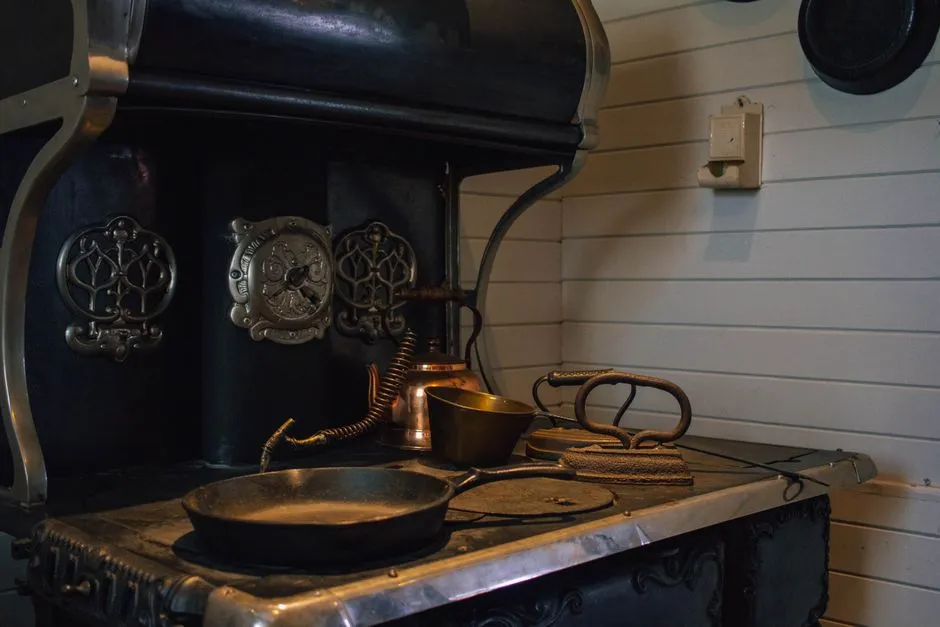
Vintage cast iron refers to early cast iron cookware, most often skillets and pans, made decades ago, prized for their durability, craftsmanship, and longevity. These pieces were built to last, often passed from one generation to the next, developing a smooth cooking surface and deep character over time. Many antique cast iron skillets still in use today are a century old or more, yet remain some of the best cookware ever made.
If taken care of properly, cast iron pans could last over 150 years. That’s not a marketing slogan. It’s a physical reality rooted in the density and composition of the material itself. No modern nonstick pan comes close to that kind of timeline.
The PFAS Problem Is Rewriting the Case for New Cookware
PFAS (per- and polyfluoroalkyl substances) have been widely used for decades, because they resist heat and water stains. The chemicals build up in the body and environment and have been linked to cancers, liver and kidney damage and reproductive problems. This is no longer a fringe concern. It’s driving real legislative action across multiple states.
In January 2025, Minnesota became the first state to ban PFAS in cookware, including Teflon. Colorado and Maine are set to ban PFAS in cookware beginning in January 2026, while Connecticut passed legislation to do the same starting in January 2028. The secondhand market, by contrast, is increasingly favored precisely because it sidesteps these chemical concerns. Older cast iron, stainless steel, and enameled pieces carry none of those coatings.
Secondhand Prices vs. Long-Term Value
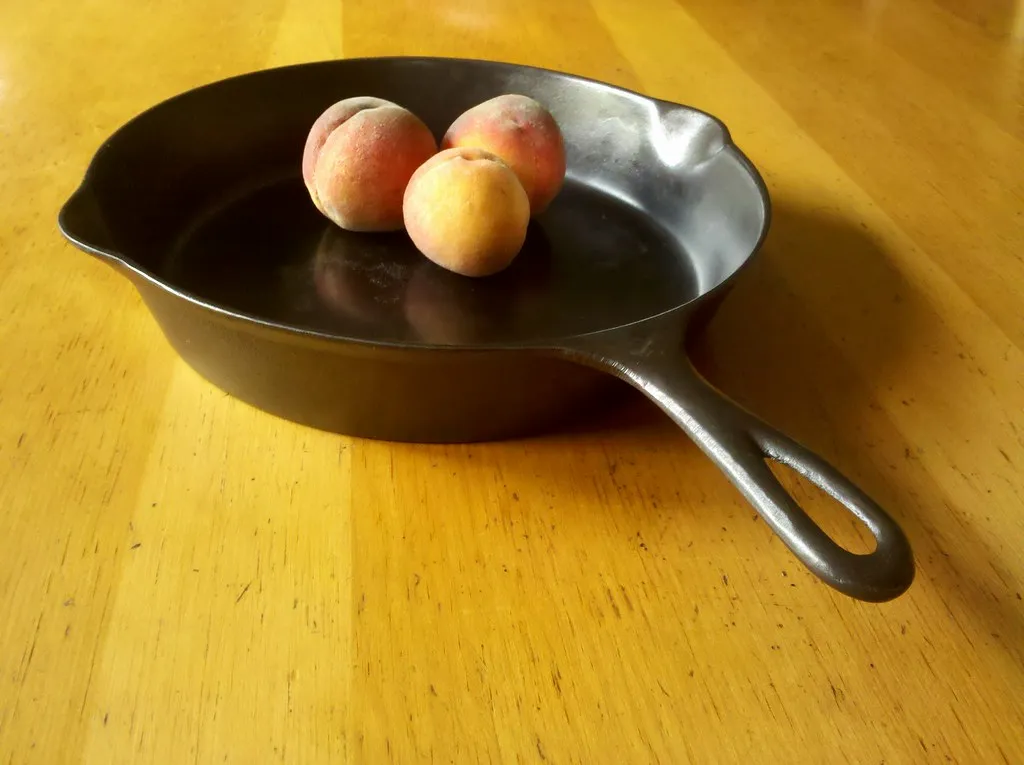
Cast iron cookware can be some of the most inexpensive tools you can buy for your kitchen, especially when you consider their long lifetime of 150 years and beyond. You can find new cast iron skillets for as little as $40 per piece, which makes them an excellent investment for the future. Vintage equivalents sourced secondhand often cost even less while delivering superior surface quality.
Vintage Griswold and Wagner skillets now regularly sell for $80 to $200 at estate sales, driven by buyers who want more than nostalgia – they want to cook the way food was meant to be made. Even at that price range, a pan that lasts a century is a very different calculation than a $30 nonstick that wears out in two or three years.
Thrift Store Finds Are Often Structurally Proven
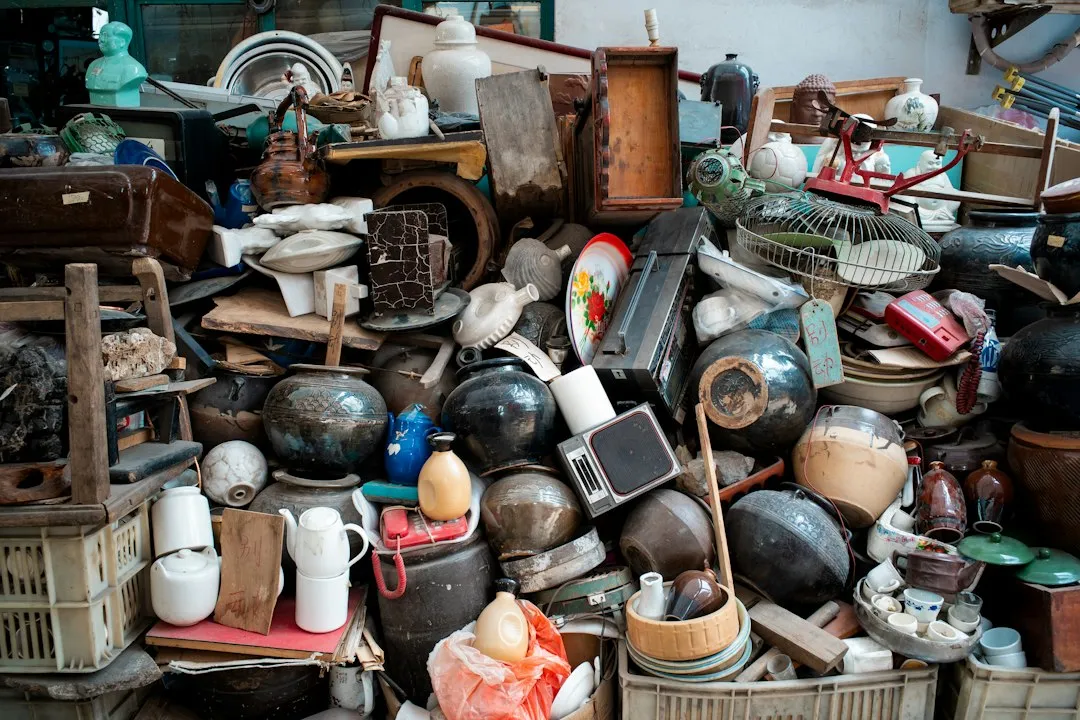
Factors like wall thickness, handle attachment, and surface treatments can make the difference between cookware that lasts a few years and pieces that become cherished kitchen companions for decades. A secondhand item that has already been in heavy use for years has, in a real sense, already passed a durability test that new items haven’t.
There’s something almost logical about it. A thrift store piece that’s survived a decade of daily cooking has already proven it won’t crack, warp, or delaminate under pressure. A brand-new pan hasn’t demonstrated anything yet beyond its factory specs.
Modern Nonstick Coatings Have a Built-In Expiration
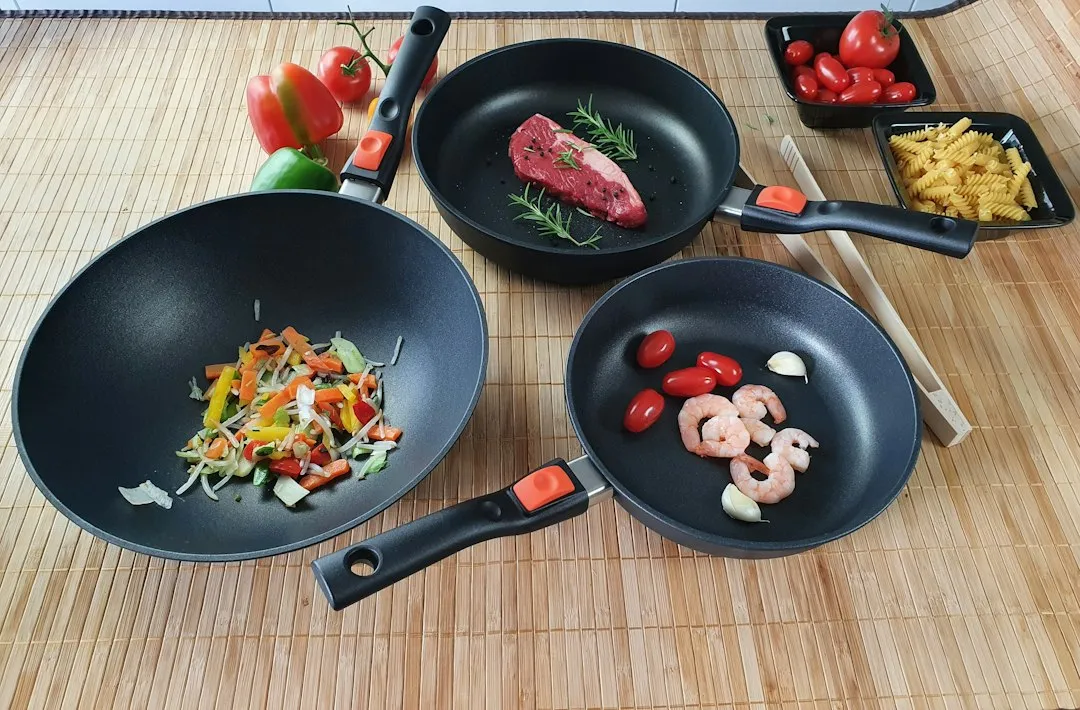
Users often complain that ceramic coatings lose their nonstick property sooner than PTFE does. Scientific reviews are mixed. One 2024 study found that prolonged heating above 250°C altered the internal structures of both PTFE- and ceramic-coated aluminum pans. In other words, the core material of most contemporary pans degrades under the exact conditions cooking demands.
A major reason why cast iron cookware is making a comeback is because of health concerns involving other types of cookware. Some non-stick coated pans are now known to emit toxic fumes when heated past a certain temperature. Cast iron poses none of these risks and can be heated to extremely high temperatures without negative effects. That’s a clear structural advantage, not a sentimental one.
Consumers Are Already Shifting Their Preferences
Classic wooden cutting boards and cast-iron pans are making a comeback, with many preferring these timeless pieces over mass-produced alternatives. This shift reflects a desire for authenticity and durability in kitchen tools. The cultural moment around secondhand kitchenware isn’t accidental. It reflects a growing skepticism about what “new” actually means in terms of quality.
Around 64% of consumers prioritize product durability and premium quality during purchase decisions. That makes the secondhand market a natural match for the current consumer mindset. Older pieces often deliver that durability premium without the premium price tag.
The Environmental Math Favors Secondhand
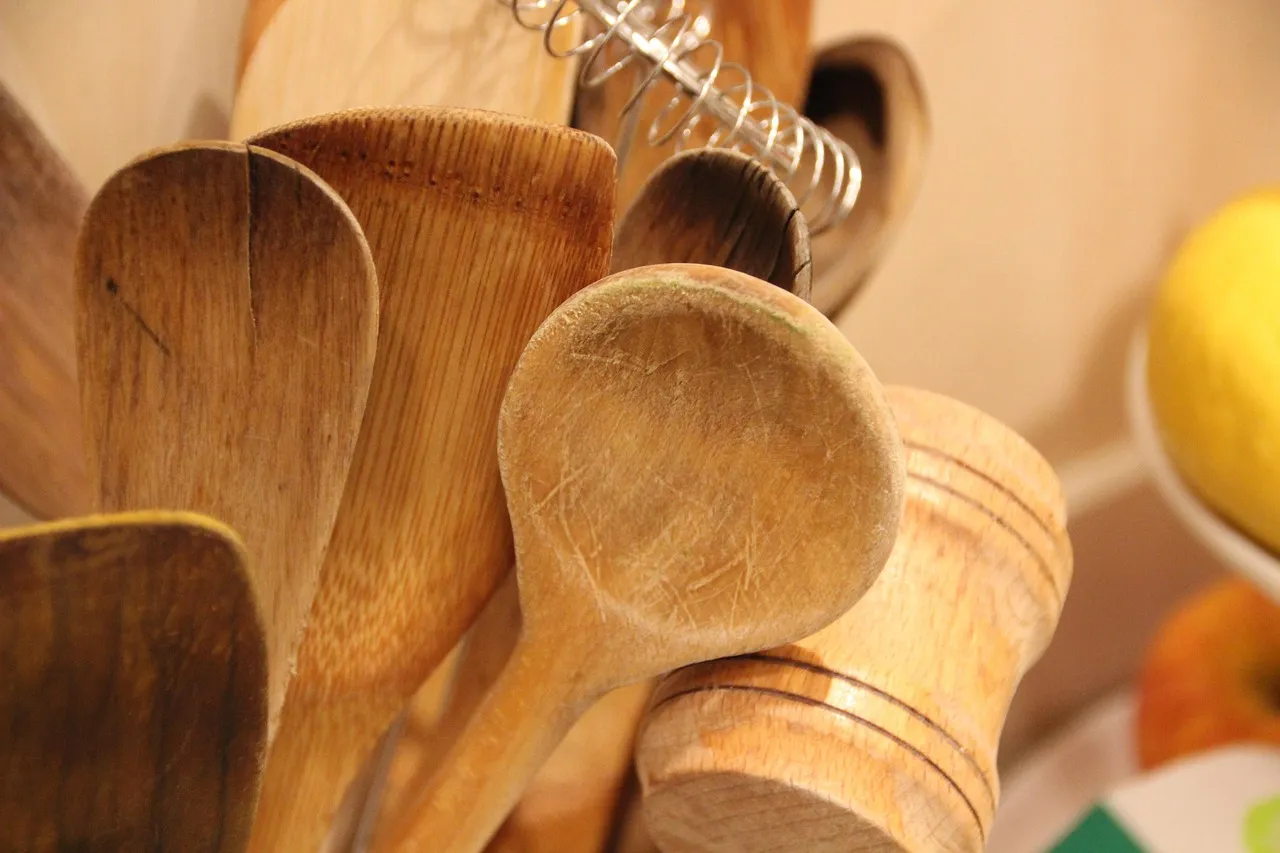
Around 36% of manufacturers continue developing cookware using recycled aluminum and stainless steel to reduce environmental impact. That’s a step in the right direction from the new goods side. Still, buying something that already exists produces no new manufacturing footprint at all, which is a much more direct environmental benefit.
A pan that gets passed on instead of thrown away represents exactly the kind of material efficiency that sustainability advocates argue for. The item keeps performing its function without consuming additional energy or raw materials to produce. It’s a practical argument, not just a green-marketing one.
Thrift Kitchenware Has a Proven User Base
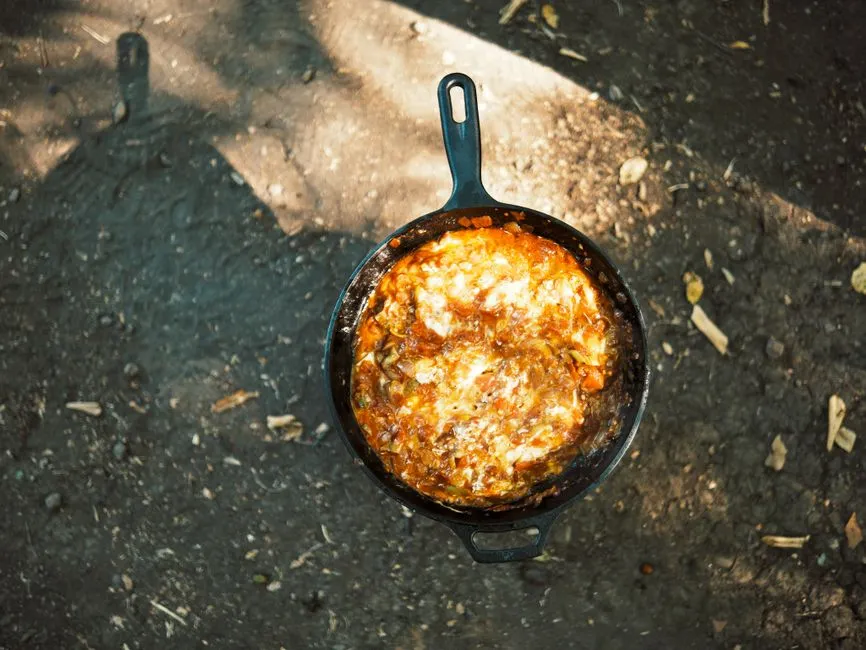
Cast iron cookware is readily available at discount stores and is often handed down from one generation to another, since it is almost impossible to ruin. Cast iron cookware provides a connection with the past and is a versatile tool for cooks of all skill levels. That intergenerational continuity matters more than it might seem. Items handed down within families tend to be maintained well, which means they arrive at thrift stores or estate sales in genuinely usable condition.
According to the Private Label Manufacturers Association Kitchenware and Cookware Consumers Survey, most consumers purchase kitchenware and cookware products occasionally rather than frequently. The highest number of buyers tend to shop for these items once or twice a year, likely due to the durable nature of kitchenware, which does not require frequent replacement. That purchasing pattern underscores how long good kitchenware is expected to last in the first place.
The Vintage Surface Advantage Is Real
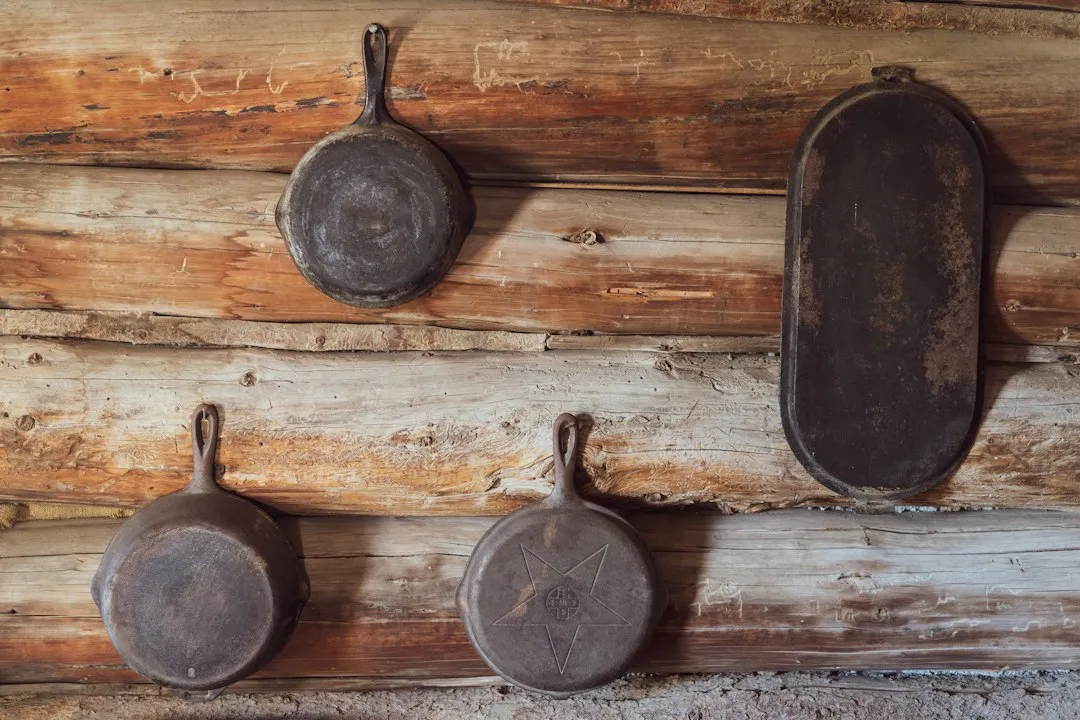
The iron in mid-century American cast iron was machined to a smoother finish than most modern production, which means better seasoning adhesion and a more responsive cooking surface. Seasoning is essentially the natural nonstick coating that builds up over years of use and care. A vintage pan with decades of seasoning is already performing at a level a new pan can’t replicate on day one.
Unlike modern cookware, vintage cast iron requires seasoning, a process where oil is baked into the surface to create a non-stick coating and prevent rust. That seasoning doesn’t just happen on its own. It’s the result of years of use and maintenance, and a secondhand piece often arrives with that work already done.
The Bottom Line
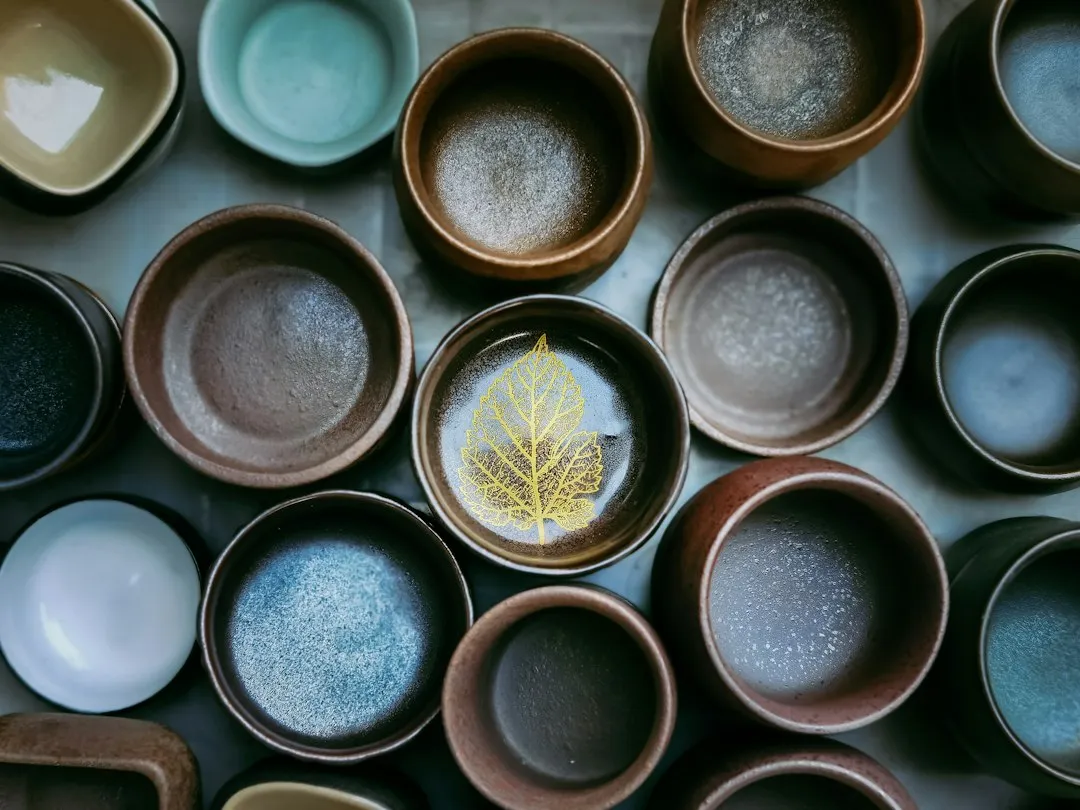
The case for secondhand kitchenware isn’t built on sentiment alone. It rests on material science, manufacturing history, chemical safety concerns, and straightforward economics. Some things were built right the first time, and the fact that a century-old pan still functions perfectly says something the modern world doesn’t say often enough.
Choosing secondhand kitchenware isn’t about rejecting new things categorically. It’s about recognizing that longevity was once the default, not the exception. Sometimes, the best tool for your kitchen has already been broken in by someone else’s grandmother.
AI Disclaimer: This article was created with the assistance of AI tools and reviewed by a human editor.