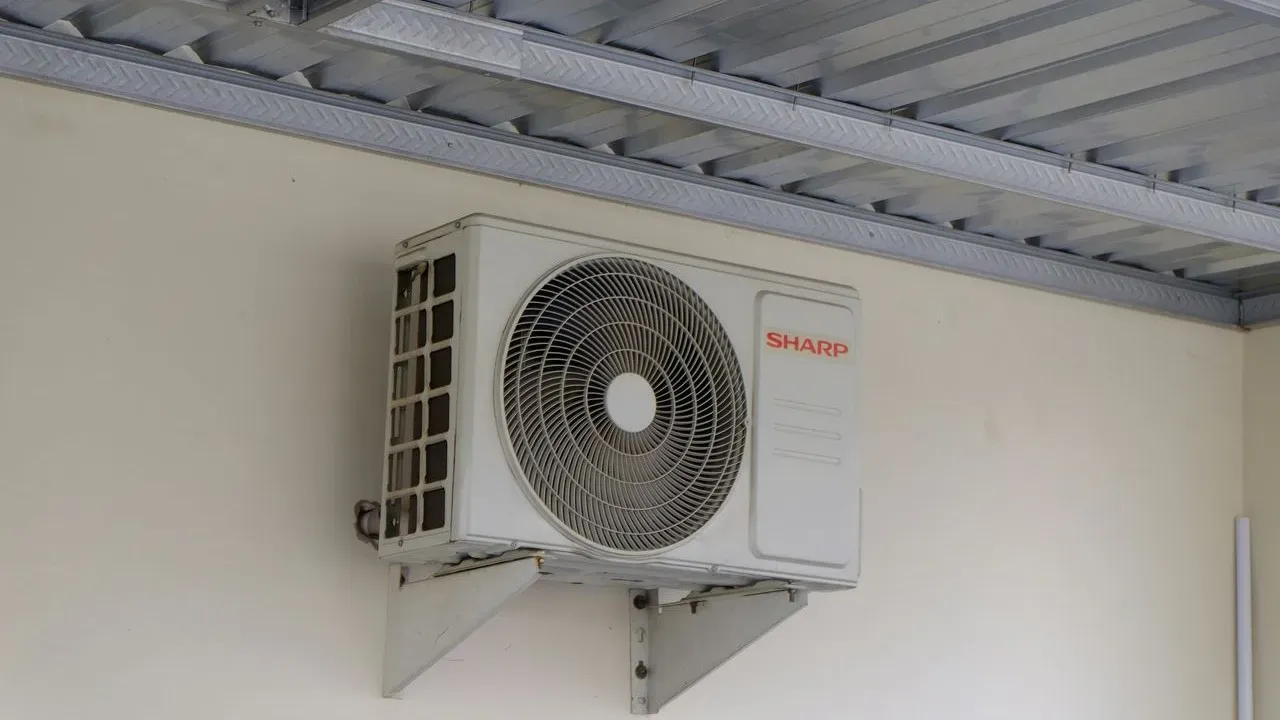

Homeowners frequently discover that an outdoor air conditioning unit interrupts the calm they seek in their own backyard. The desire to spend evenings surrounded by greenery rather than facing a noisy appliance drives many to seek discreet concealment options. Practical landscaping approaches now allow these units to blend into the garden setting without major expense. ([1])
Everyday Impact on Outdoor Living
An exposed AC unit can dominate the view from a patio or lawn, turning a relaxing space into one that feels industrial. Residents notice the constant visual reminder and the associated sound, which reduces the sense of escape they hoped to create at home. Over time this small detail affects how often people use their outdoor areas and how satisfied they feel with their property.
The issue extends beyond aesthetics. Property owners who invest in garden improvements often find that one visible appliance undermines the overall effect they worked to achieve. Addressing it restores the intended atmosphere without requiring structural changes to the home itself.
Why Greenery Provides an Effective Answer
Plants and simple garden structures offer natural screening that matches the surrounding landscape. Unlike permanent barriers, these solutions can be adjusted seasonally and scaled to fit different yard sizes. They also support local wildlife and improve air quality around the unit, adding functional value beyond concealment.
Budget considerations matter because many households prefer to avoid high-cost renovations. Using readily available plants, soil, and basic materials keeps expenses low while delivering noticeable results within a single growing season. The approach aligns with broader trends toward sustainable home improvements that enhance rather than replace existing features.
Practical Steps Homeowners Can Take
Start by assessing the space around the unit for sunlight, drainage, and access needs. Proper planning prevents future maintenance problems and ensures the cooling system continues to operate efficiently. Selecting plants that tolerate the heat generated by the equipment is essential for long-term success.
Layering different heights of vegetation creates depth and fuller coverage. Combining taller shrubs with lower ground covers produces a more polished appearance than a single row of plants. Regular watering and pruning during the first year help establish the screen quickly.
Results That Extend Beyond Appearance
Once hidden, the unit no longer competes with garden elements, allowing the backyard to feel cohesive and intentional. Homeowners report greater enjoyment of their outdoor spaces and a renewed sense of pride in their property. The change can also support higher resale appeal when potential buyers see a well-integrated landscape.
Over several seasons the investment continues to pay dividends through reduced visual clutter and improved garden health. Those who begin with modest plantings often expand the concept to other utility areas, creating a consistent outdoor environment that feels complete rather than interrupted.
AI Disclaimer: This article was created with the assistance of AI tools and reviewed by a human editor.