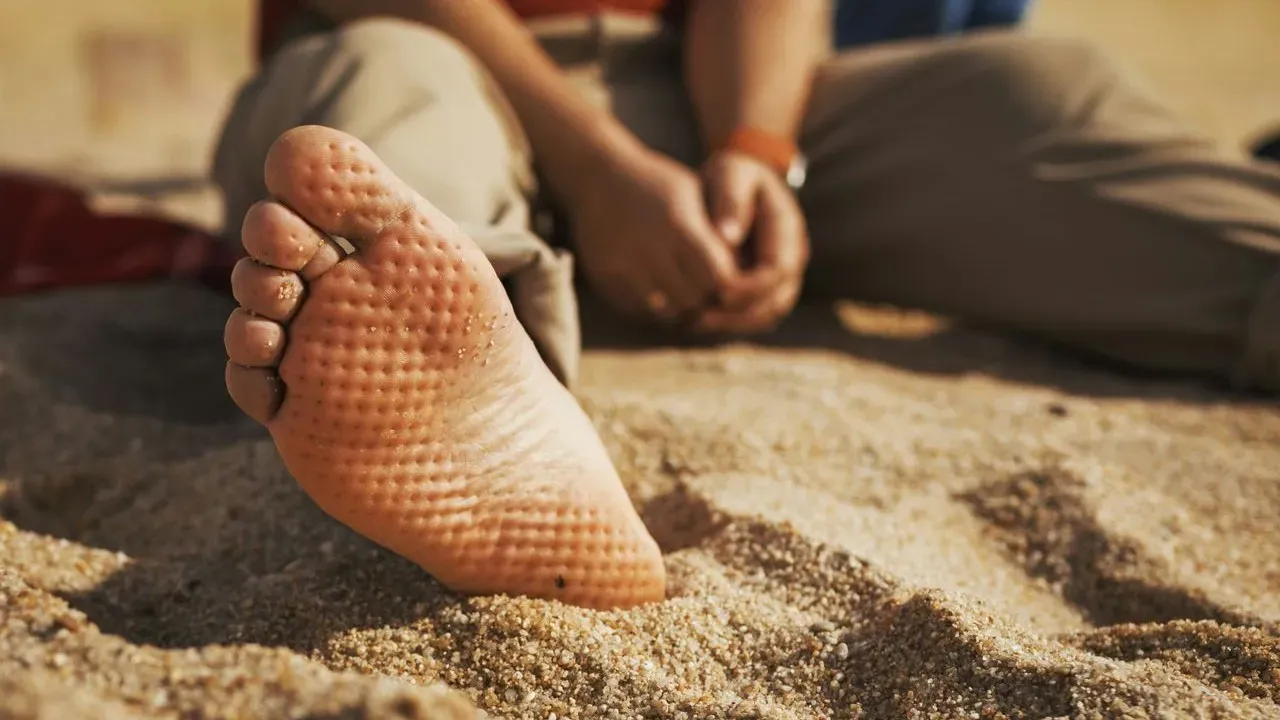

Gardeners often step outside to tend plants and feel the ground underfoot. Observations captured through infrared imaging reveal that localized inflammation can start to ease within half an hour once bare skin meets the earth. The same contact sustained over weeks at night appears to help realign cortisol rhythms disrupted by ongoing stress. These findings give everyday soil contact a measurable physiological dimension.
Immediate Changes Visible Through Imaging
Infrared scans track heat patterns tied to inflammation in the body. When skin touches soil or grass directly, those patterns shift noticeably in a short window. The reduction begins locally at the point of contact and can spread as the session continues. Such quick visual evidence stands out because it occurs without added tools or interventions. Gardeners who remove their shoes during routine tasks may observe this effect during ordinary yard work. The process relies on simple, sustained touch rather than special equipment. Shorter sessions still register on the scans, though longer ones show more pronounced shifts. This timing aligns with the pace of many outdoor routines.
Longer-Term Effects on Stress Hormones
Cortisol follows a daily cycle that supports energy and rest. Chronic pressure can flatten or invert that rhythm, leaving people feeling drained. Regular nighttime contact with the earth over several weeks has been linked to restoring a more typical pattern. The change builds gradually rather than appearing overnight. Nighttime grounding fits easily into evening wind-down habits for many gardeners. Soil contact during these hours may support the body’s natural recovery processes. The approach remains passive once the connection is made. Consistency appears to matter more than intensity in the reported observations.
Practical Steps for Gardeners
Direct skin contact works best on grass, bare soil, or similar natural surfaces. Sessions of 30 minutes or more allow the initial inflammation response to register. Extending the practice into evening hours supports the cortisol observations over time. No special preparation beyond removing footwear is required. Many gardeners already walk barefoot while watering or weeding. Adding a deliberate pause to stand or sit with feet on the ground turns the habit into a focused practice. Tracking personal energy or comfort levels over weeks can reveal individual patterns. The method stays accessible to anyone with outdoor space.
Putting the Observations in Context
These effects center on measurable physical responses rather than broad claims. Infrared data and cortisol tracking provide concrete markers that gardeners can consider alongside their own experiences. The practice complements existing routines without replacing other care steps. Further personal exploration helps determine how it fits individual schedules. The connection between bare skin and earth offers a low-effort addition to time spent outdoors. Gardeners who already value direct contact with soil now have an additional angle to consider during their work. The documented shifts in inflammation and rhythm supply a clear starting point for anyone curious about the process.
AI Disclaimer: This article was created with the assistance of AI tools and reviewed by a human editor.