
What Headbutting Actually Is (The Proper Term Might Surprise You)
A cat headbutt, also known as “head bunting,” “head bonking,” or “head bumping,” is a deliberate act in which a cat approaches you and nudges their head against your face, hands, or any other part of your body. The casual word “headbutt” is what most owners use, but animal behaviorists use a more specific term. Officially called allorubbing in animal behavior science, cat head bunting is the intentional, gentle head-rubbing action cats use to connect with people and other animals.
Bunting is a form of animal behavior, often found in felids, in which the animal butts or rubs its head against other things, including people. It’s not unique to domestic cats. Wild felids across many species do versions of the same thing, which hints at how deeply embedded this behavior is in feline evolutionary history.
The Scent Glands Behind Every Bump
Bunting is the act of a cat pressing their forehead, cheeks, or chin against a person, another animal, or an object. Cats have scent glands located along their cheeks, forehead, and chin, and just in front of their ears. When they make contact through a headbutt, they deposit pheromones from those glands onto whoever or whatever they are touching.
The head glands used for bunting are located between a cat’s eyes and ears and they’re called temporal glands. Temporal glands produce a fatty substance containing pheromones that a cat can transfer from herself to objects, people, and other animals. You can’t feel this transfer happening, and you certainly can’t smell it. Humans cannot detect these pheromones.
Two Pheromones Doing Most of the Work
Two specific pheromones, F3 and F4, drive nearly all of their bunting behavior, and each has a distinct job. The F3 pheromone is your cat’s personal “safe mark.” It labels things as familiar and non-threatening, essentially creating a comfort map of your home and everyone in it.
Unlike dogs, cats don’t live in strict packs, but they do form small, tight-knit social groups. A shared group scent is how cats tell friends apart from strangers. Everyone with the same familiar scent is part of the team; no new threats, no territorial tension. When your cat deposits these chemical signals onto you, they’re folding you into that inner circle at a biological level.
It’s a Sign of Trust, Not Just Affection
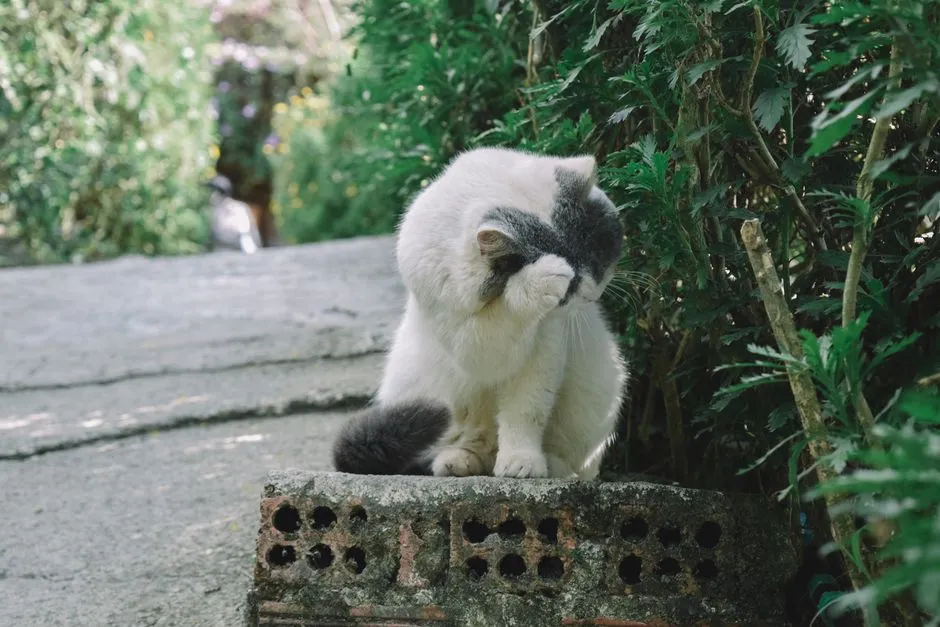
When a cat headbutts you, they are most often expressing that they feel safe with you. It is a vulnerable behavior. A cat pressing their head toward you is letting their guard down in a way it would not with an animal or person they distrust.
Along with the physical press, you will often see a relaxed body, partially closed eyes, and sometimes purring. These signals together indicate a cat that feels genuinely at ease in your presence. The whole body is telling the same story, not just the head.
Bunting is extremely selective. Cats don’t share their core scent with just anyone. They reserve this behavior for the people they feel most safe, relaxed, and bonded to. If your cat only bunts you, it means you’re their most trusted person in the household.
Bunting as a Greeting Ritual
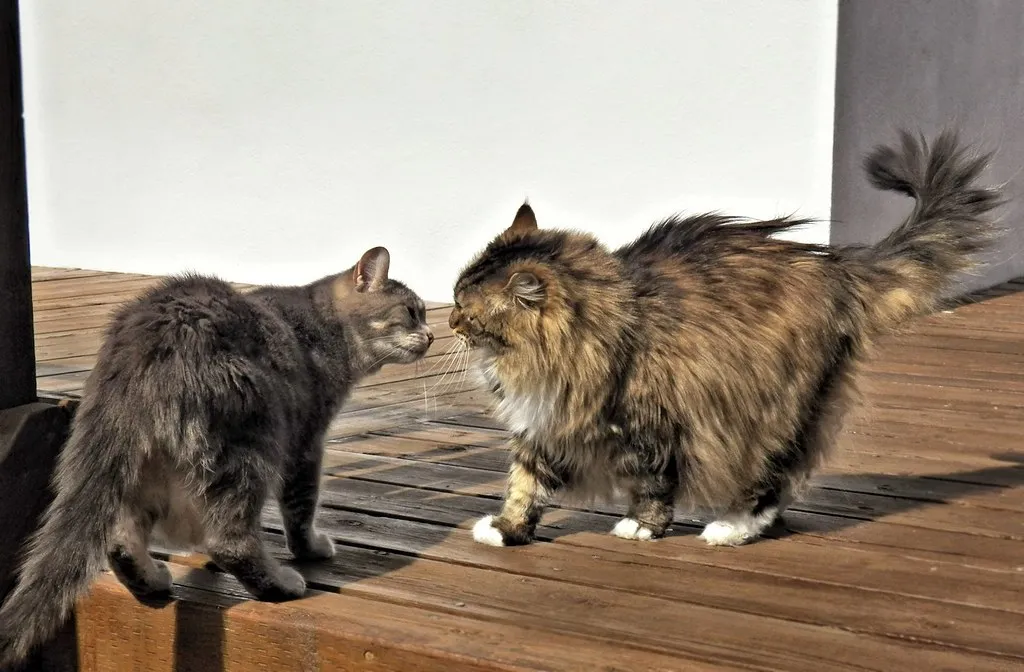
Bunting also functions as a greeting. Just as humans wave or shake hands when they see someone familiar, a cat bunt can simply serve as hello. It tells you that they recognize you, that you are familiar to them, and that they are glad you are there.
According to renowned cat behaviorist Pam Johnson-Bennett, this ritual allows cats to exchange pheromones so that everyone in their social group, including their human companions, carries the same familiar scent. Think of it as a social handshake that also updates everyone’s scent profile at the same time.
Marking You as Family (Not Territory)
Many people inaccurately assume any time a cat engages in rubbing or bunting then he is merely marking you as his territory. Scent communication is far more complex than that. Cats use scent to mark their territory, yes, but they also do it to create comforting familiarity, show respect, create a common colony scent, self soothe, and much more.
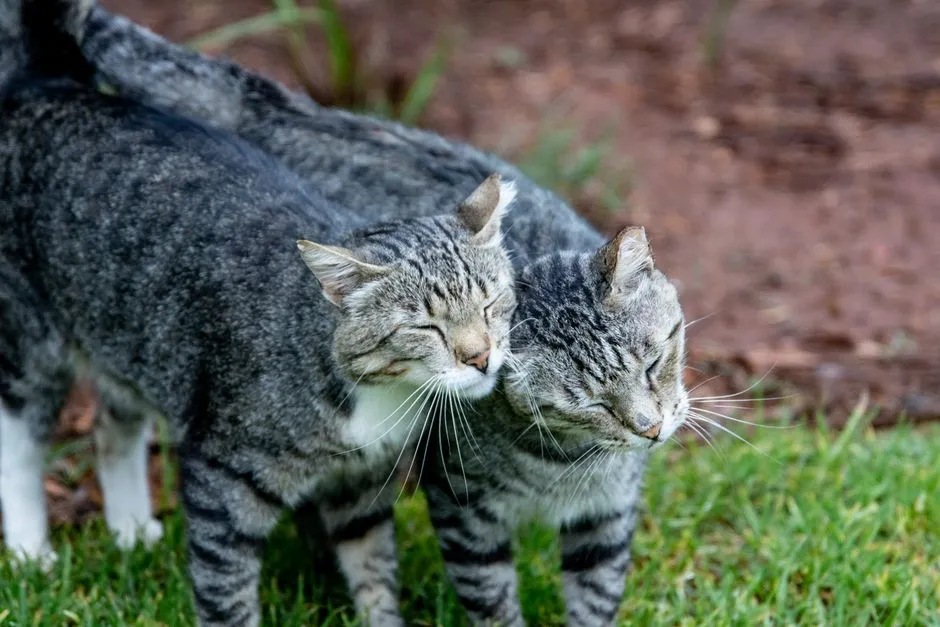
Head bunting is a way cats mark their feline friends and family. It’s a stronger marker than leaving urine on objects to claim them, but instead of territory, they are claiming familial relationships. There’s a meaningful difference between the two. Facial pheromones communicate warmth. Urine marking communicates something else entirely.
Attention-Seeking and Learned Behavior
If your cat headbutts your hand and you immediately pet them or fill their food bowl, they will repeat the action. A bunt can be a polite, or demanding, request for breakfast, play, or ear scratches. Cats are observant and adaptable. They learn which behaviors get results, and a well-timed headbutt is remarkably effective at capturing human attention.
Headbutting can be triggered by a variety of different reasons, including a desire for attention or affection, recognizing your scent after being away for a while, stress or seeking comfort, or positive reinforcement if they’ve been rewarded for the behavior in the past. Over time, some cats essentially train their owners to respond on cue.
Self-Soothing: When the Headbutt Is About Comfort
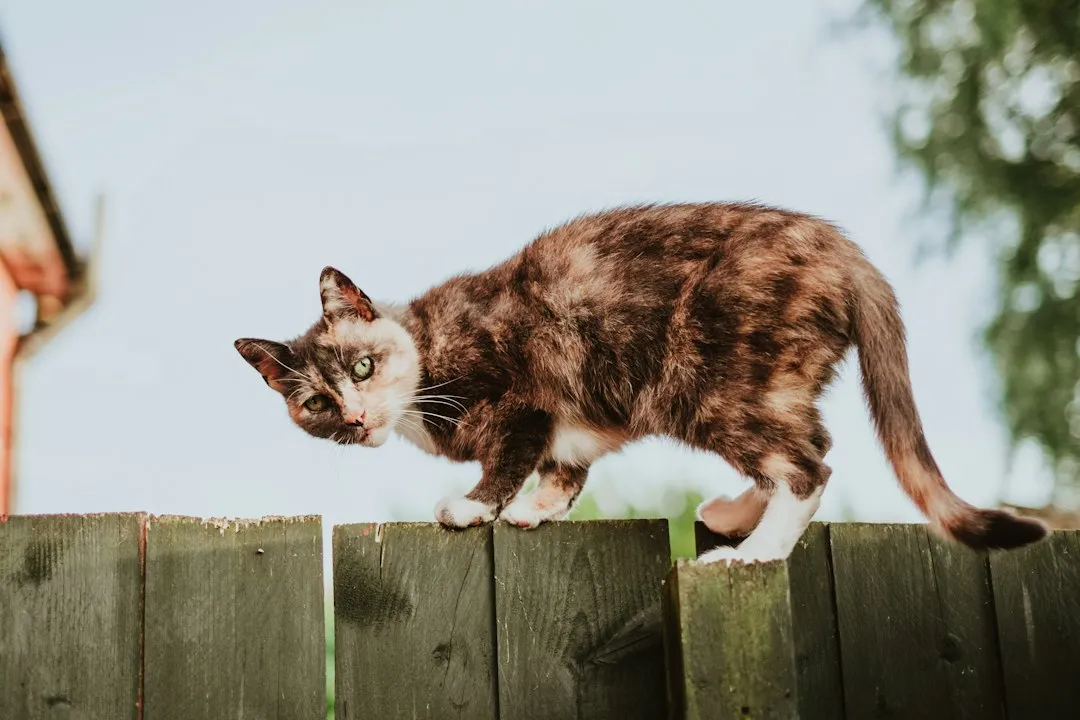
The physical act of rubbing can be self-regulating for cats. If a cat is feeling slightly anxious or over-energized, the rhythmic motion of bunting against a familiar texture can help them calm down and ground themselves. It’s a bit like how people fidget or pace when they’re stressed. The motion itself carries a calming effect.
Cat facial pheromones have a calming and reassuring effect, so headbutting can be a sign your cat is content. Interestingly, the act of depositing these pheromones may reinforce the cat’s own sense of calm, not just communicate it to others. If your normally cuddly cat suddenly stops bunting you, or starts doing it frantically and excessively, it’s usually a sign they’re stressed, anxious, or uncomfortable. These small behavioral shifts are some of your best clues to your cat’s emotional state.
It Has Roots Going Back to Kittenhood
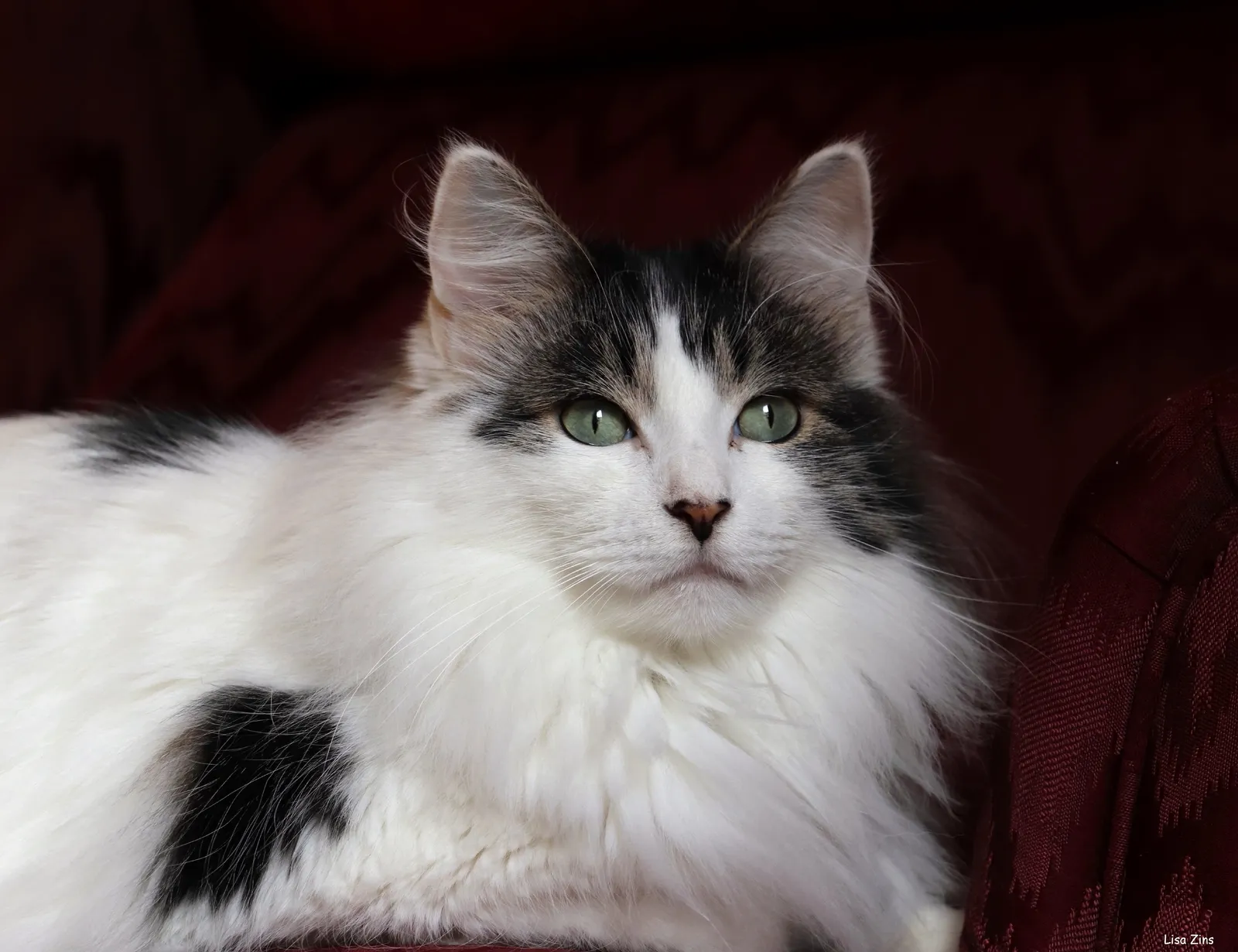
The practice of bunting stems from the behavior that arises when kittens are very young and seek stimulation from their mother by rubbing and kneading. This behavior develops throughout the animal’s life and is not only found in cats. The connection between early maternal contact and later social bonding behavior is well established in animal behavior research.
Evolutionarily speaking, scent rubbing is the oldest form of scent communication and bunting is a derivative of this behavior. So when your cat bumps you on a Tuesday morning, they’re drawing on millions of years of feline instinct. That’s worth appreciating, even if it wakes you up earlier than you’d like.
How to Tell Bunting Apart from Head Pressing (This One Matters)
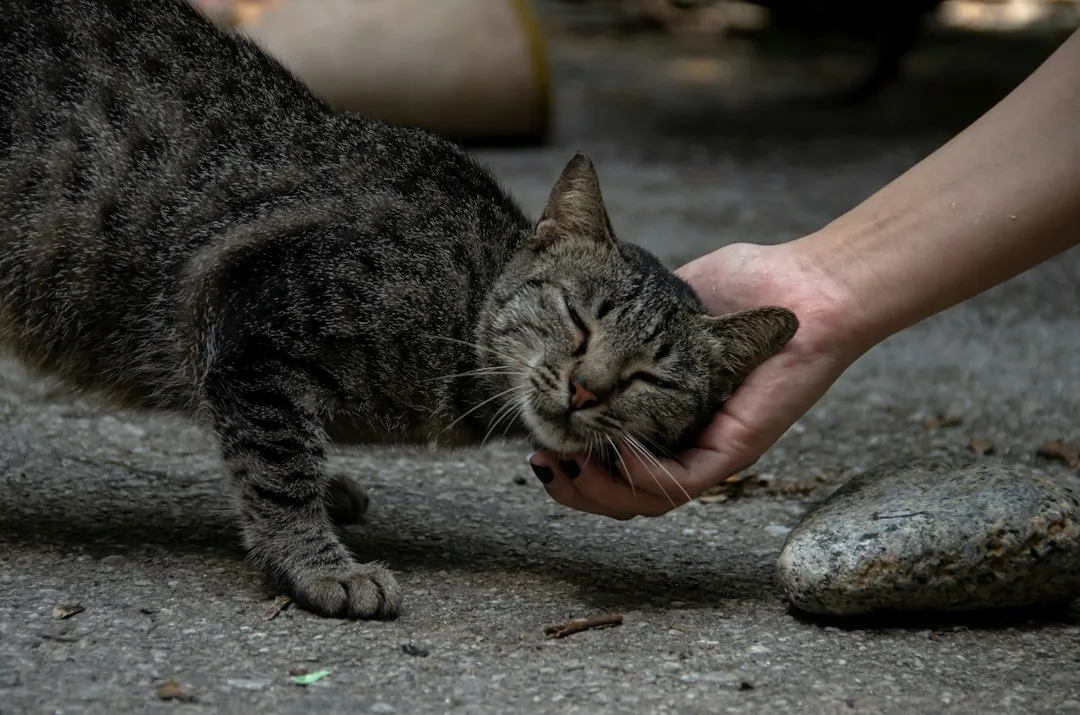
It’s important to note that a cat headbutting is not the same as a similar behavior called head pressing. With head pressing, a cat will push their head into the wall, corner, or something else for a longer period of time and will typically not appear relaxed. Head pressing can also be accompanied by symptoms such as pacing, vision changes, or other signs of illness.
Head pressing in cats is a neurological symptom of an underlying issue, and not a condition itself. Cat head pressing may indicate underlying issues like trauma, toxin poisoning, tumors, or metabolic disorders. The behavioral difference is clear once you know what to look for. Bunting looks relaxed and deliberate. Head pressing looks compulsive and confused.
If your cat is head pressing or shows any other signs, it could be an indication of a serious neurologic condition. In this case, your cat should be immediately examined by a veterinarian. When in doubt, call your vet. The two behaviors may look superficially similar, but their causes and meanings are worlds apart.
The Research That Backs It All Up
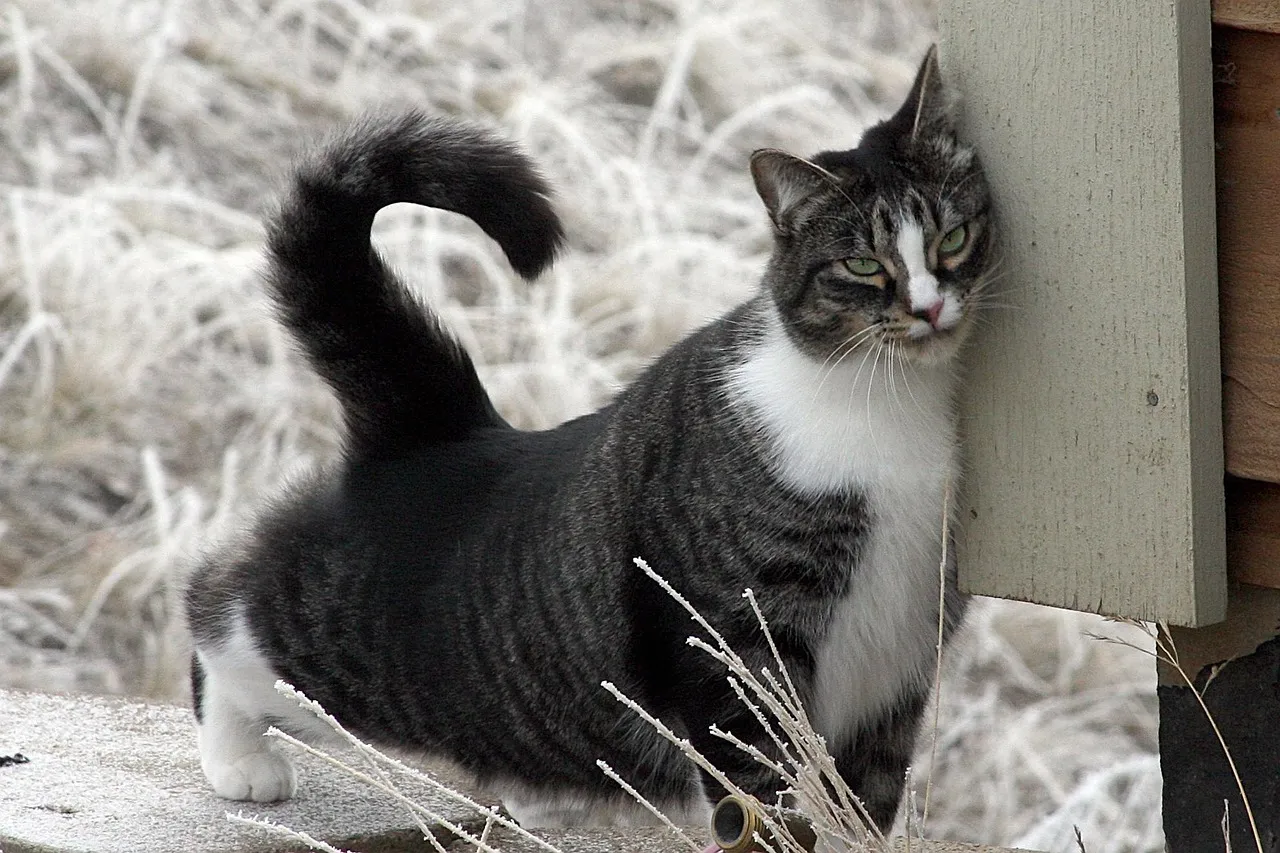
Research supports how meaningful this behavior is in social contexts. A study found that shelter cats who frequently rubbed against people were adopted more quickly. That finding is quietly fascinating. It suggests that humans instinctively respond positively to bunting, even without consciously understanding what it means. There’s a mutual recognition happening at a level below language.
Cats rely heavily on smell for communication, and the fact that you carry your cat’s scent is deeply reassuring to them, even if you cannot smell it yourself. How much bunting your cat does depends on their personality, past experiences, and how comfortable they feel in their environment. Not every cat bunts constantly, and that’s completely normal too. The presence or absence of the behavior tells its own story.
The Takeaway
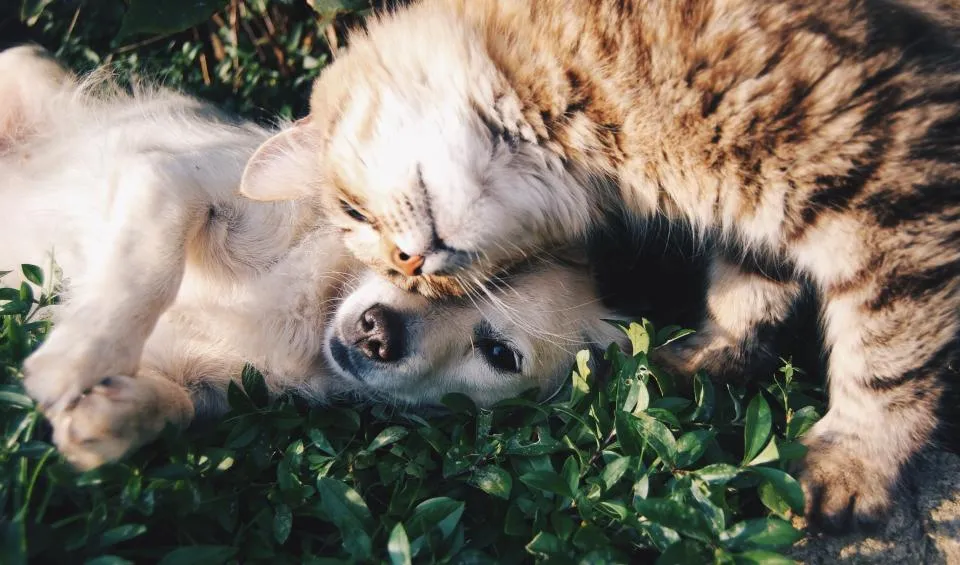
That gentle forehead press your cat gives you is one of the more honest things they do. It’s not performative, not random, and definitely not aggressive. The bunting and rubbing are reserved for bonding, social, comforting and friendly purposes. When your cat engages in head bunting or head rubbing, he is placing his scent there as a social and affectionate gesture.
Once you understand the biology behind it, the headbutt stops feeling like a quirk and starts feeling like what it actually is: a small, chemical-powered declaration that you belong to each other. That’s a pretty good thing to know the next time your cat bonks you unexpectedly in the middle of dinner.
AI Disclaimer: This article was created with the assistance of AI tools and reviewed by a human editor.