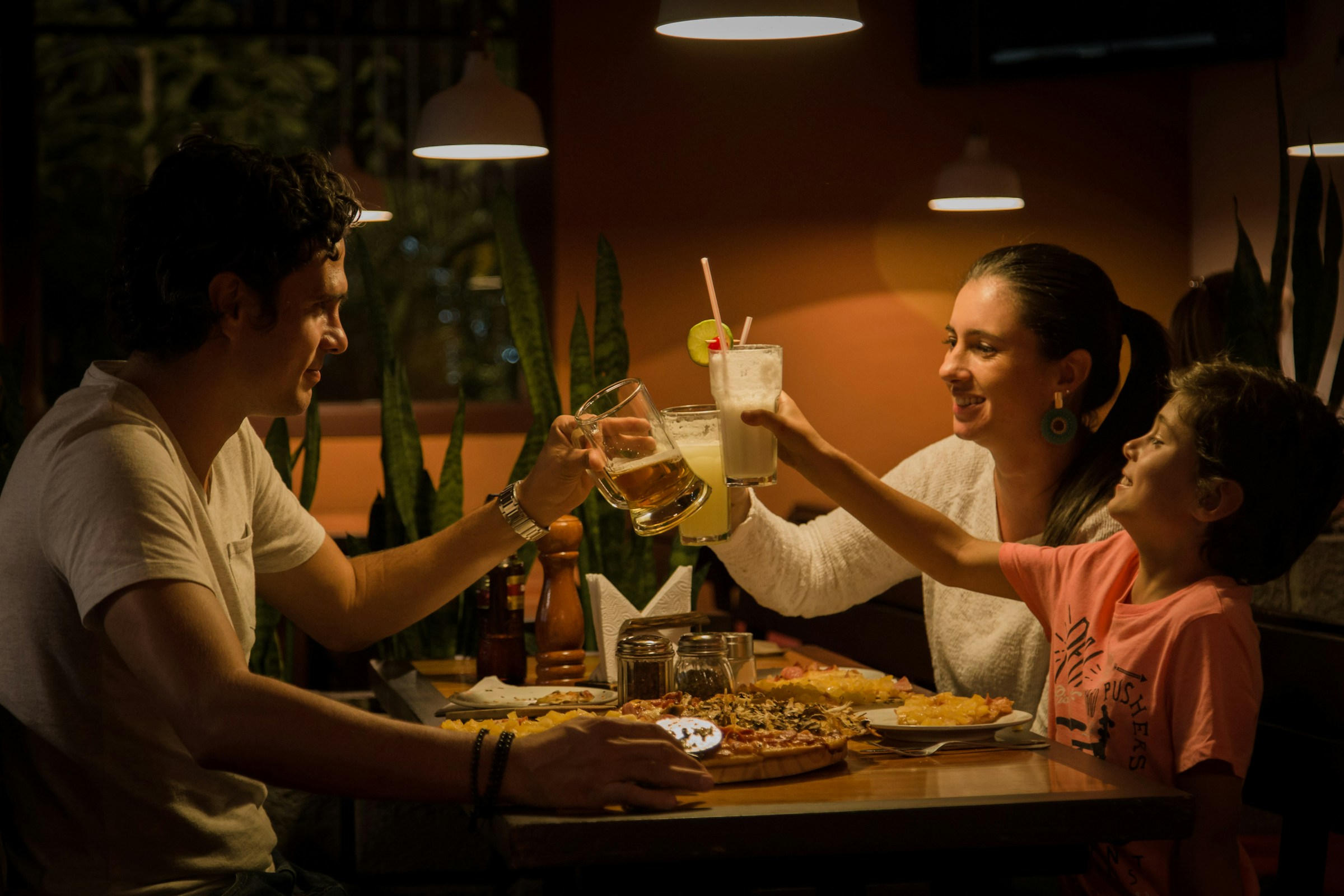

A Generation Eating Alone, and Deciding They’re Done With It
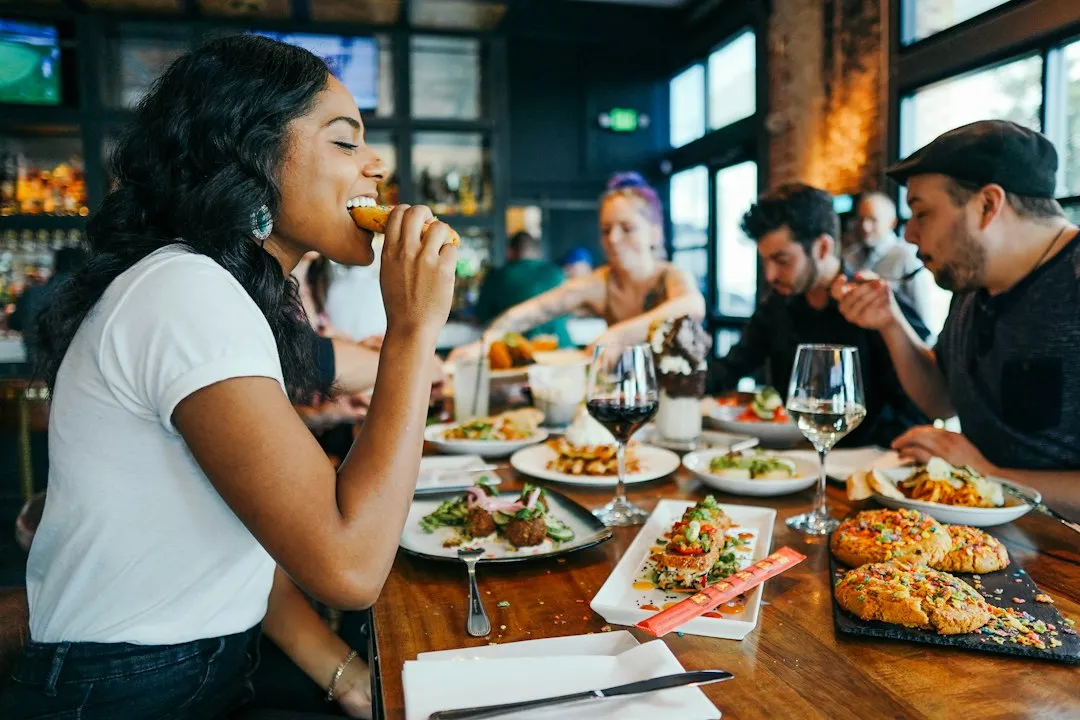
The numbers paint a striking picture. In 2023, roughly one in four Americans aged 18 to 24 ate all three meals alone on any given day, which represents a virtual doubling of what it was two decades ago. That statistic landed hard when it was published as part of the 2025 World Happiness Report, sparking a wider conversation about what modern life is actually doing to young people.
Americans eating alone has increased by more than half since 2003, with young adults aged 25 to 34 now nearly three times more likely to eat alone than they were back then. For many younger people encountering that data, the response wasn’t resignation. It was motivation to do something different, starting at home, and starting on Sundays.
The Loneliness Crisis That Changed Everything

Americans are in the midst of what the Surgeon General has called a “loneliness epidemic,” and it’s more pronounced for Gen Z and Millennials. Young people aged 15 to 24 have been socializing up to seventy percent less than they once did. That’s not a minor cultural footnote. It’s a structural collapse in the way a generation relates to one another.
In a world where loneliness among young adults has hit record levels, home gatherings offer something priceless: real-life interaction. Gen Z is one of the most digitally connected generations, yet studies show they also feel the most isolated. Hosting regular dinners has become a subtle but powerful rebellion against this reality.
What the Science Says About Shared Meals
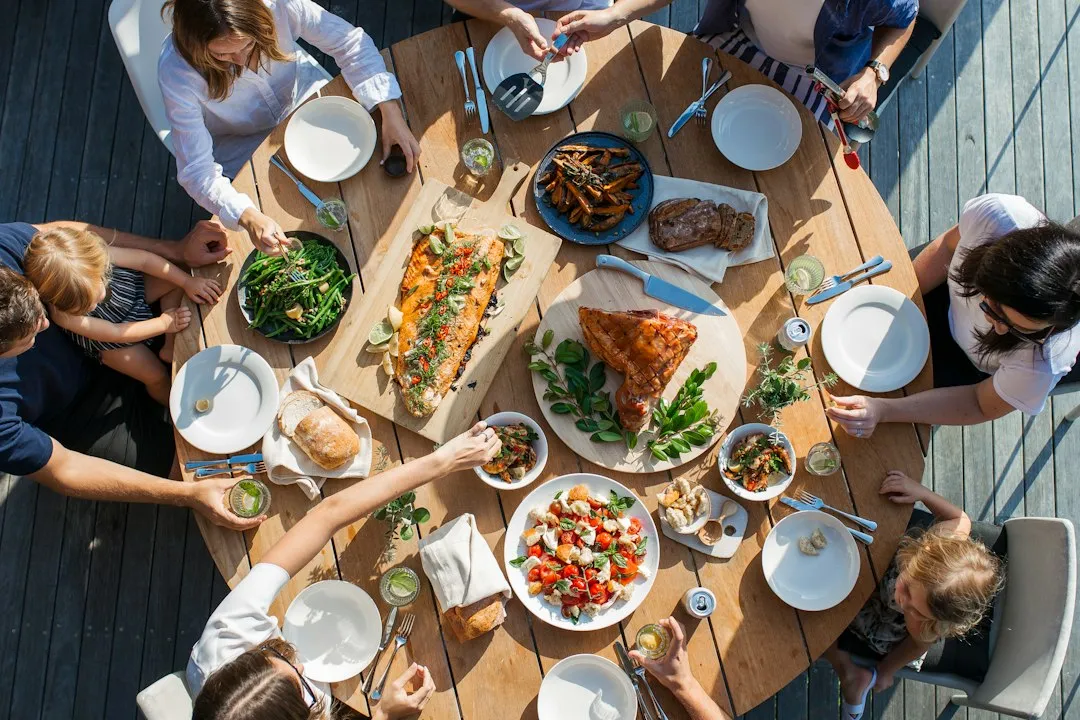
The 2025 World Happiness Report finds that meal-sharing is directly linked with social connectedness and subjective well-being. This isn’t soft wellness advice. It’s a finding drawn from global data across dozens of countries, and it places shared meals in the same category of importance as employment and income when it comes to how satisfied people feel about their lives.
Across 142 countries, people who regularly eat with others report feeling happier, more supported, and less lonely, and the positive impact of shared meals rivals that of having a steady job or income. A study published in Clinical Nutrition found that adolescents who regularly shared meals with others reported fewer symptoms of stress, anxiety, and depression compared to peers who ate alone, with researchers concluding that these meals provided emotional support and a comfort zone against mental health struggles.
The Post-Pandemic Push Toward Real Connection

For younger generations who grew up online and lost out on critical social development during the pandemic, the push toward communal and shared dining makes complete sense. What was once considered outdated is now back in style as younger generations crave in-person interaction.
Dinner parties have made a major comeback with young people, including teens. While the concept itself isn’t new, Gen Z is giving it new meaning, embracing gatherings that center on shared food and drink, from themed menus to underground supper clubs. Sunday dinners fit neatly into that same impulse. They’re consistent, low-pressure, and grounded in something familiar.
Cooking at Home Is Back, Partly Because Eating Out Got Expensive

Nearly two thirds of consumers say they prefer to cook at home due to affordability concerns. The USDA recently reported that food costs overall are up three percent year over year, and a Purdue University survey found that roughly eighty-four percent of consumers felt grocery prices were “high.”
The drive-thru solution has developed its own problem: price inflation. Fast food has lost its reputation as a cheap meal alternative, with quick-service prices rising roughly thirty percent on average from 2019 to 2024, outpacing the rest of the restaurant industry. Cooking a big Sunday meal at home, split across a group or a household, simply makes more financial sense than it did a decade ago.
Sunday Dinner as a Social Ritual, Not Just a Meal

Unlike older millennials who tended to flock to restaurants or bars for social time, younger Gen Z households prefer cozy, curated gatherings at home. From themed menus to carefully chosen playlists, these events are less about perfection and more about vibe, inclusivity, and genuine fun.
Sharing meals with others can reduce loneliness and promote emotional well-being, and regular shared mealtimes are associated with lower risks of anxiety and depression. The Sunday dinner format, with its built-in weekly rhythm, offers exactly the kind of consistent social touchpoint that a generation raised on algorithmically timed content has struggled to build organically.
The FMI Data: Family Meals Aren’t Dying
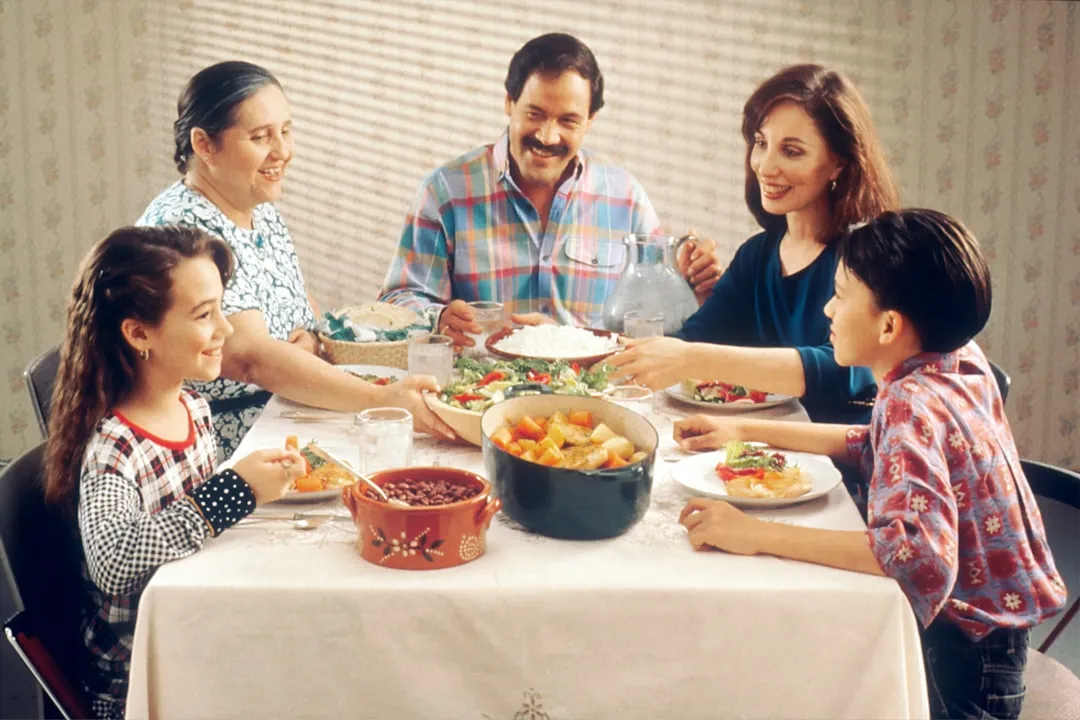
According to new data released by the FMI Foundation, more than eighty percent of Americans are consuming the same or more family meals compared to the previous year, and more than ninety percent expect they will continue doing so in the future. That momentum is notable, especially given the narrative that younger generations have abandoned domestic traditions altogether.
While the traditional family dinner may be less common than it once was, families and households are still finding ways to connect over meals, with shared meals prioritized as a way to connect, communicate, and create memories. Sunday, with its natural pause in the week, has become the default anchor for that intention.
Friendsgiving and the Rise of the “Chosen Family” Table
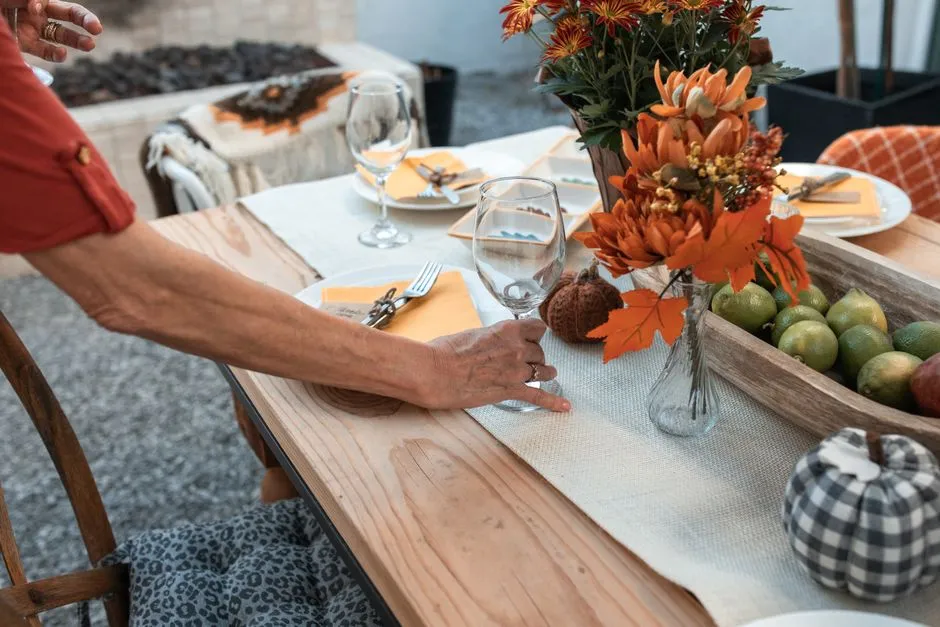
Not every Sunday dinner is with blood relatives, and that’s actually part of why the trend is growing. A survey found that roughly forty-two percent of millennials and Gen Z members had taken part in a Thanksgiving or Friendsgiving meal, reflecting a broader cultural shift toward chosen family and self-defined community gatherings.
According to NPR in 2025, as many as twenty percent of Americans now celebrate Friendsgiving. The same logic applies to Sunday dinners. Young people are building rituals around the people they choose to gather with, not just those they’re related to. The table becomes a deliberate act of community-building.
Social Media’s Unexpected Role in Reviving the Tradition

Food publication Eater dubbed 2024 the “Year of the Dinner Party,” and the prediction held true, judging by search interest and the explosion of food-focused gatherings documented on TikTok and other social media platforms. TikTok, in particular, turned home cooking and table-setting into aspirational content, which has had a direct influence on how younger people think about hosting.
There’s an irony worth noting: the very technology accused of driving people apart has also served as the inspiration board for getting them back around a table. Sunday dinner aesthetics, mise en place videos, and “cook with me” content have collectively reframed domestic cooking not as a chore but as an identity. For a generation that builds community through shared interests, cooking and hosting have become part of that picture.
What This Means for How Young Adults Define “Home”

The shift in dining behavior reflects a fundamental change in how younger generations view eating experiences. For them, meals are no longer saved only for special occasions but serve as emotional respites from daily stress. Sunday dinner, in that context, isn’t just a meal. It’s a weekly reset, a ritual that signals the end of one week and the beginning of another.
Research from the 2025 World Happiness Report found that the number of shared meals is “as predictive of life satisfaction, essentially overall well-being” as employment status or relative income. When younger people began understanding that, the math changed. A Sunday dinner isn’t a throwback. It’s a practical investment in mental health and social infrastructure, one roasting pan at a time.
The Takeaway

The Sunday dinner comeback isn’t driven by nostalgia alone. It’s driven by data, by a measurable mental health crisis, by the rising cost of eating out, and by a generation that is quietly done pretending that digital connection is the same as sitting across a table from someone. The evidence, from the 2025 World Happiness Report to clinical nutrition studies to FMI Foundation surveys, all points in the same direction.
What’s changed is not the tradition itself. What’s changed is why younger people now understand its value. The table was always there. They’re just finally sitting back down at it.
AI Disclaimer: This article was created with the assistance of AI tools and reviewed by a human editor.