

The Hidden Scale of Dust in Your Ducts

Air ducts are responsible for circulating air throughout your home, but they also circulate unwanted contaminants. According to the National Air Duct Cleaners Association (NADCA), about nine out of ten HVAC systems accumulate dust and debris over time, which can lead to significant indoor air pollution.
House dust may contain dirt, textile fibers, pollen, hair, skin flakes, residue of chemical and household products, cat and dog dander, decaying organic matter, dust mites, bacteria, fungi, viruses, and a variety of other contaminants. Literally pounds of house dust accumulate on vents and in ducts that comprise the ventilating systems of both residential and commercial buildings.
Indoor air quality is receiving increasing attention as people tend to spend the majority of their lives in closed settings with limited ventilation. According to the U.S. Environmental Protection Agency, concentration levels of indoor harmful chemicals are considered to be two to five times higher than outdoors.
The Overlooked Habit: Never Cleaning the Vent Covers
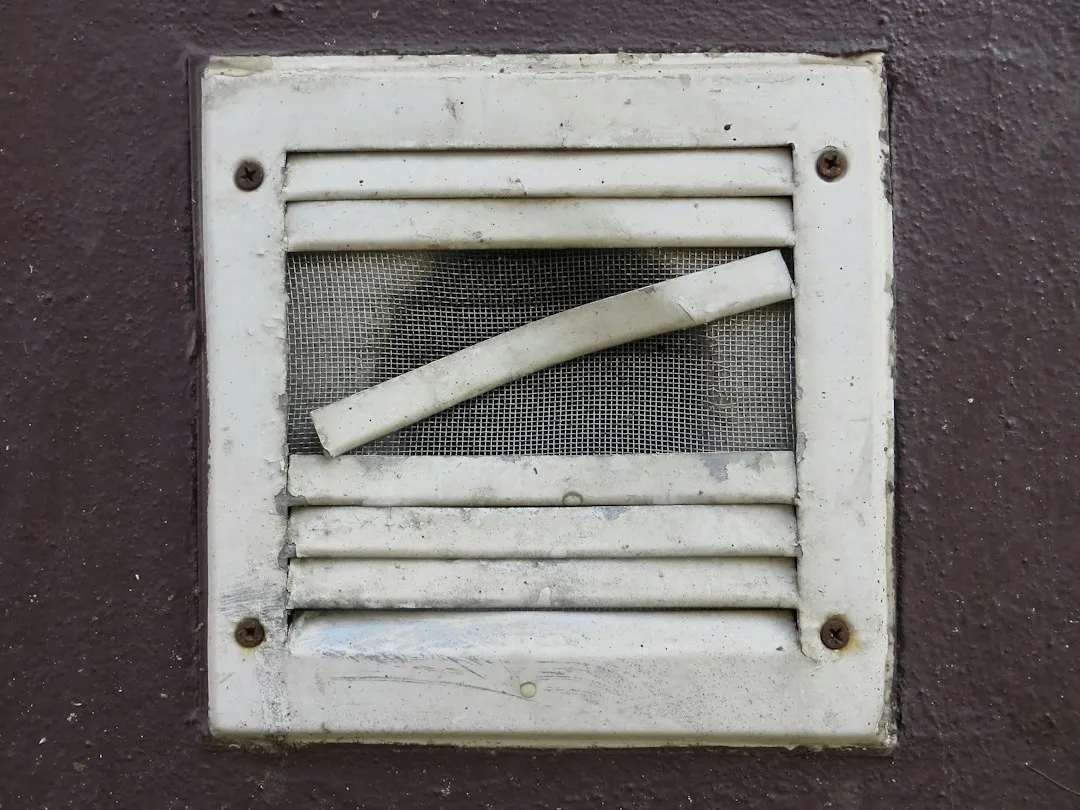
Dust settles wherever air slows down. Vent covers, louvers, nearby walls, and the first section of ductwork all collect dust over time. When air kicks on, some of that dust can loosen and move back into the room.
The dust that HVAC systems collect to protect your air can end up back in circulation if maintenance lapses. A clogged filter becomes practically useless, allowing dust to bypass and blow directly into the indoor air.
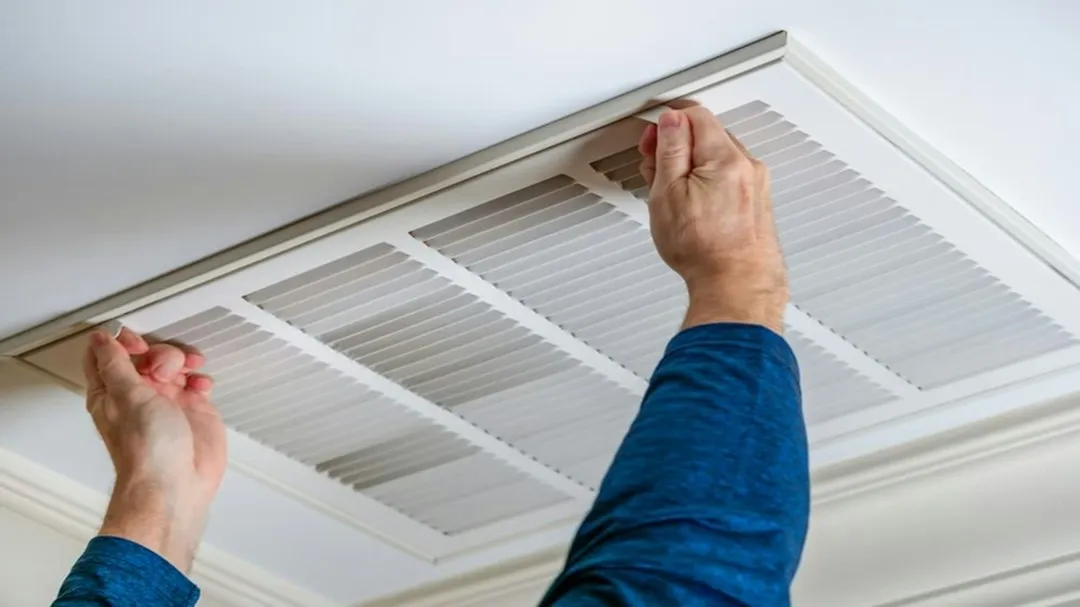
If you can see dust or cobwebs clinging to your vent covers, it’s a clear indicator that debris is also building up inside your ducts. Most homeowners notice the surface grime but stop there, never addressing what lies deeper.
Closing Vents in Unused Rooms: A Common but Costly Mistake
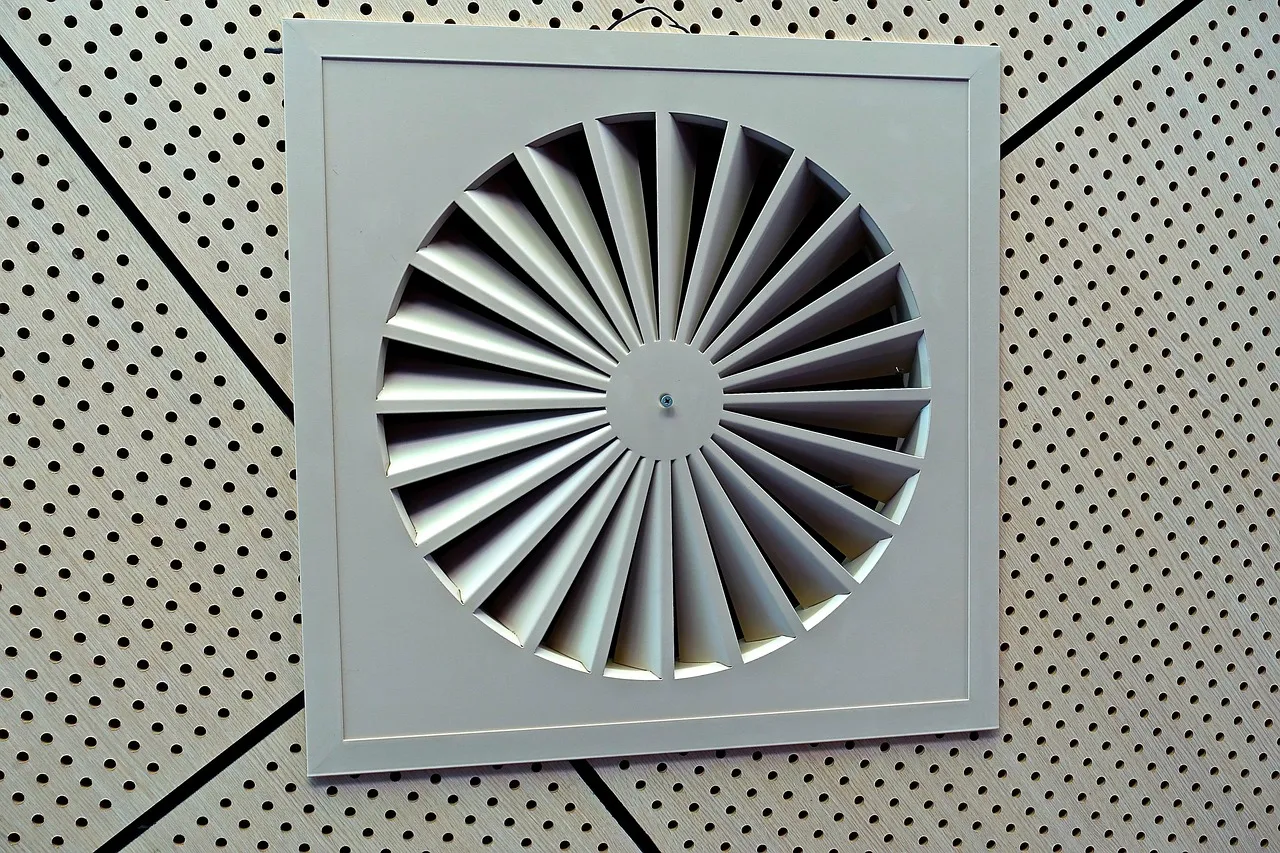
Many homeowners close vents in unused rooms thinking they’ll save money on cooling costs. It seems logical to avoid conditioning empty bedrooms or guest bathrooms, but this common “energy-saving hack” is actually a dangerous myth that can cost thousands in repairs.
Indoor air quality drops sharply when circulation stops. Dust, allergens, and pollutants accumulate instead of being filtered out, which is particularly problematic for children and elderly family members with asthma and allergies.
Closing vents doesn’t reduce dust. It disrupts airflow balance and can actually worsen uneven particle distribution throughout the home. The system was designed to move air across all rooms, and interrupting that balance has real consequences for particle load.
Blocking Vents with Furniture and Rugs
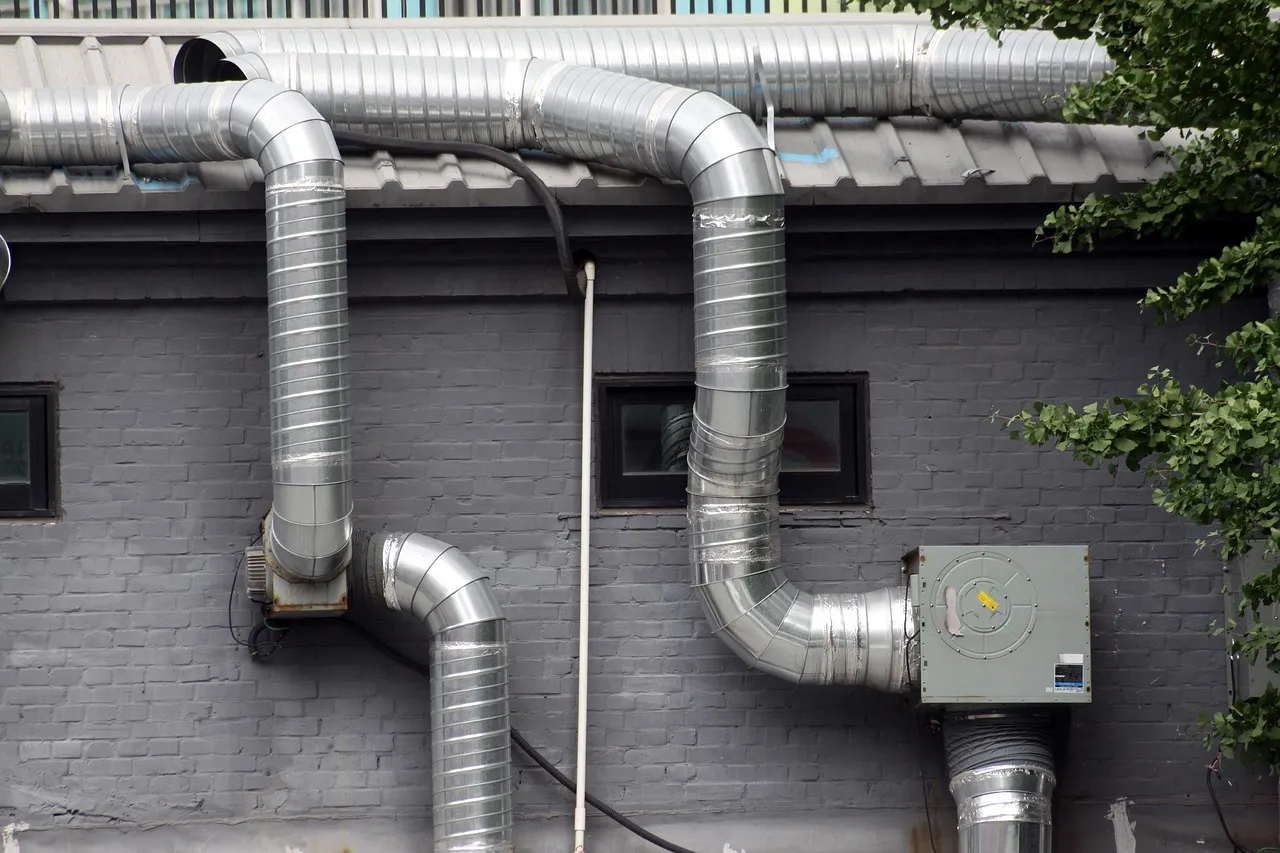
When vents are blocked or coated with dust, airflow suffers. Furniture, rugs, toys, curtains, and built-up lint can all limit circulation, creating warm or cool spots, increasing dust buildup, and making the system work harder than it should.
Poor circulation can happen for several reasons. Blocked vents, improperly sized ductwork, or aging equipment can all disrupt airflow. When air is not moving efficiently, dust particles linger longer and settle more often on surfaces like furniture, floors, and vents.
If you have furniture or other obstacles in front of the vents, remove them so they can work efficiently. It sounds simple, but it’s a fix that genuinely reduces how much dust gets redistributed through the room.
Neglecting Filter Changes
Most HVAC filters comprise fiberglass or similar media that are reasonably effective against large debris, but are often inadequate in removing fine particulate matter. Such filters may trap as little as twenty percent of the particulate matter circulating in a ventilation system, allowing the remaining dust and debris to circulate in the household.
A home can look spotless and still circulate dust, allergens, odors, and stale air every time the heating or cooling system turns on. The top indoor air quality mistakes are often quiet, routine habits like delaying filter changes, blocking vents, overlooking moisture, or trusting a suspiciously cheap duct-cleaning offer.
If you have air vents, ducts and an air conditioner at home, clean or swap the filters every one to three months, or every two months for households with pets or allergy sufferers. The right schedule depends on your specific conditions, not a one-size-fits-all rule.
Where Most Household Dust Actually Comes From
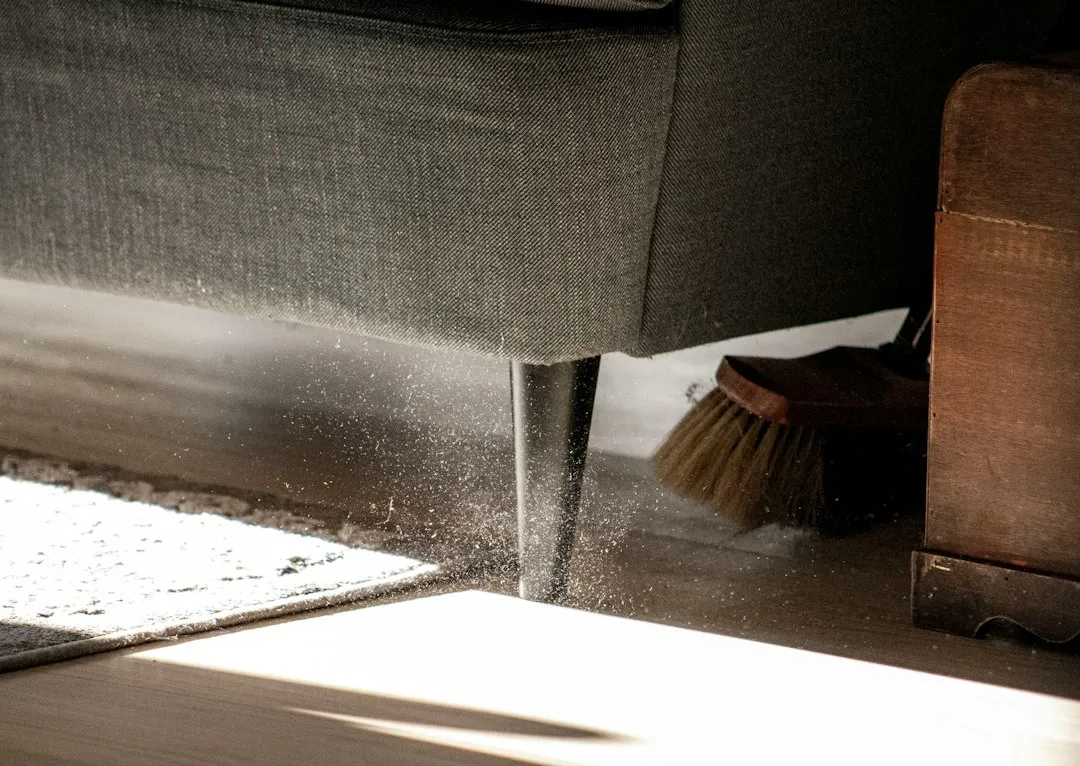
Research found that the specific dust mix in any household differs according to climate, age of the house, and the number of people who live in it, and that the majority of household dust, roughly about sixty percent, comes from outside, through windows, doors, vents and, significantly, on the soles of your shoes.
Dust levels tend to fluctuate with the seasons due to environmental changes. In spring, airborne pollen significantly contributes to dust accumulation. During winter, heating systems circulating particles and reduced ventilation drive dust levels back up.
Airborne dust and floor dust differ primarily in particle size, composition, and behavior indoors. Airborne dust consists of finer particles, usually smaller than ten micrometers and often even smaller than two and a half micrometers. Due to its small size, it remains suspended for a long time, floating in the air and circulating in rooms.
Leaky Ductwork: The Invisible Amplifier
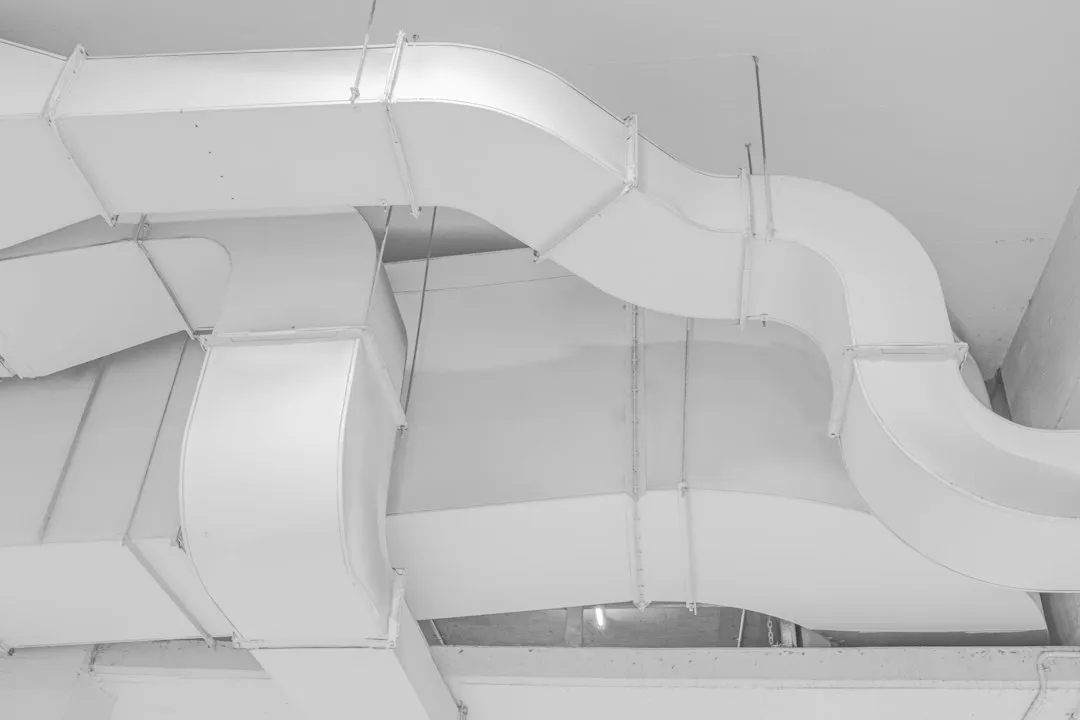
It’s not uncommon to encounter ductwork that has been improperly installed or maintained. These ducts frequently leak, allowing dust and debris from the duct surroundings to enter the ducts. This is often a major contributor to duct contamination.
Intense dust buildup is sometimes an indication that something bigger is at play. If there’s poor air sealing or leaks in the ductwork, there will be more dust throughout the home. If the HVAC system isn’t properly tended to, it’ll pull dust from other areas.
Professional duct inspections and cleanings help remove built-up debris and ensure the system is delivering clean air throughout the home. Sealing duct leaks also improves efficiency and reduces unwanted dust circulation.
Humidity Levels and How They Affect Airborne Dust
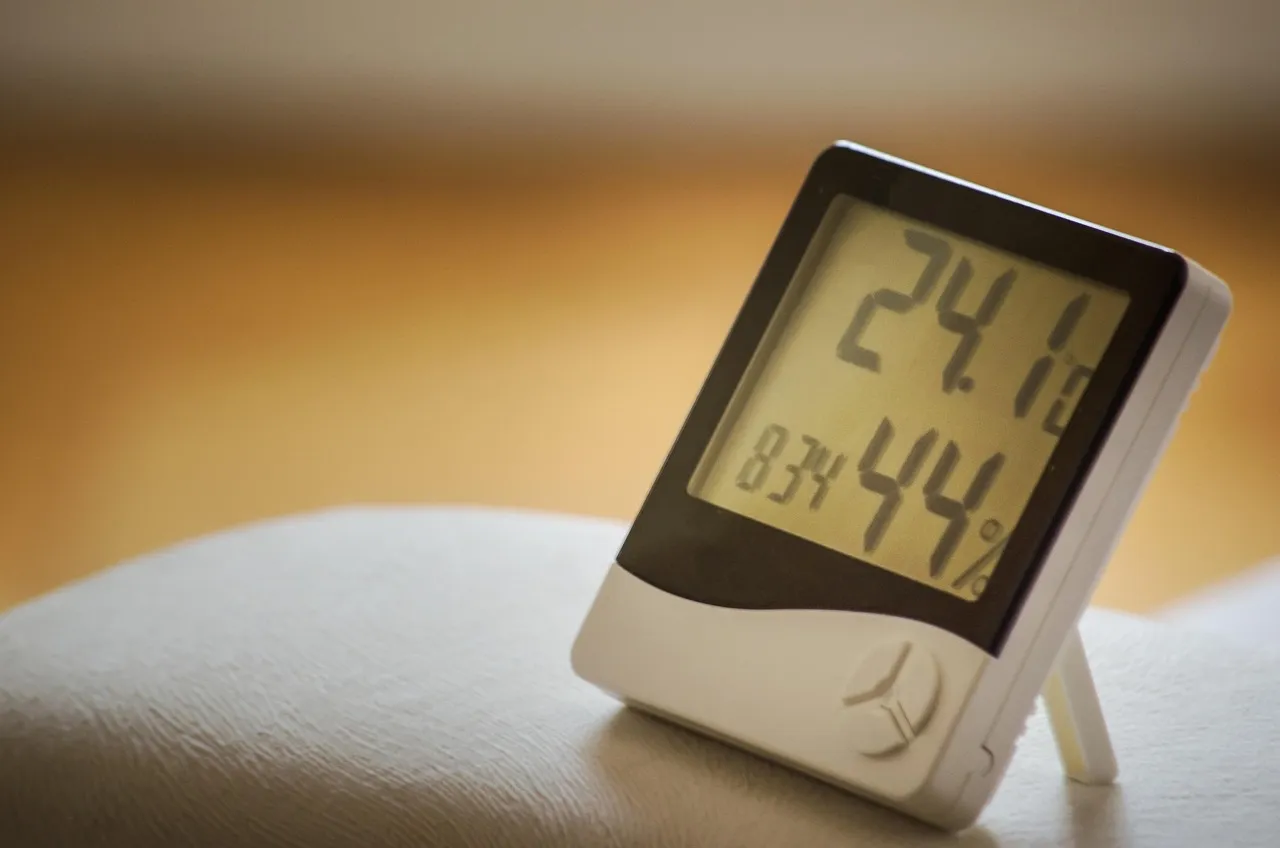
Humidity levels have a direct impact on how dust behaves. When indoor air is too dry, dust particles stay airborne longer and travel more easily through your home. When humidity is balanced, those particles are more likely to settle and be captured by the system.
Humidity has a direct effect on comfort and indoor air quality. Excess moisture can encourage mold growth and dust mites, while very dry air can irritate the nose, throat, skin, and eyes.
The sweet spot recommended by the EPA for indoor relative humidity sits between thirty and fifty percent. Your HVAC system plays a key role in maintaining proper humidity levels. Getting this balance right helps reduce how much dust stays airborne and how often it cycles back through your vents.
The Health Consequences of Recirculated Dust
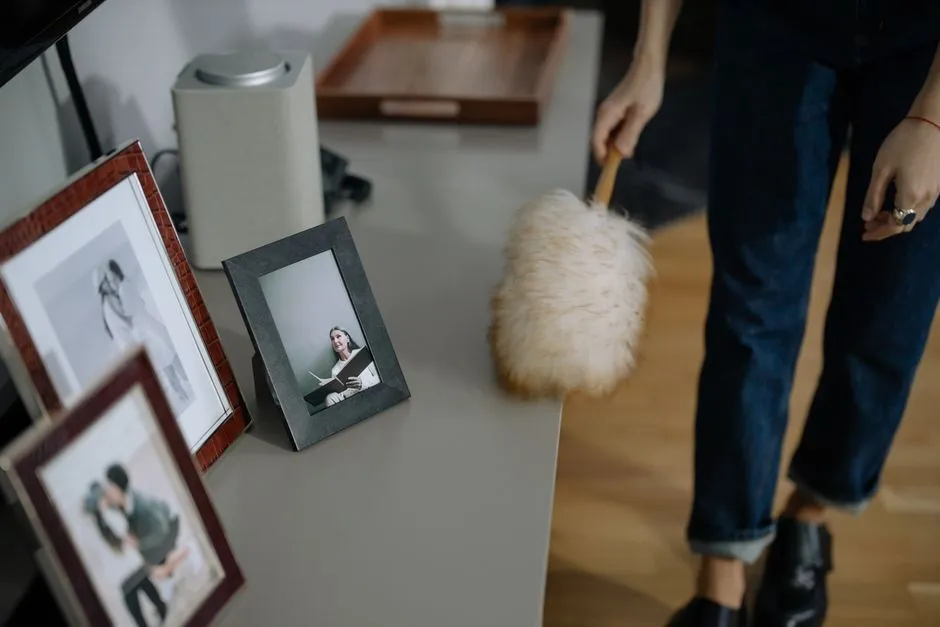
Poor indoor air quality caused by dirty vents can lead to various health problems, especially for sensitive groups like children, the elderly, and those with respiratory conditions. Dust mites, pollen, and pet dander circulated by vents can trigger sneezing, runny nose, and itchy eyes. Pollutants and mold spores worsen asthma symptoms and increase the frequency of attacks.
House dust acts as a carrier for allergens that trigger allergic reactions and exacerbate existing respiratory conditions. Dust mites thrive in the warm, humid environments of household dust, feeding on dead skin cells, and their body fragments can provoke allergic reactions and asthma attacks.
House dust is becoming increasingly more harmful as people spend a larger percentage of their waking hours indoors, often aggravating allergies of the inhabitants. The fact that indoor air can be far more polluted than outdoor air makes this a genuinely significant health issue, not just a cleanliness concern.
How Often Ducts Should Actually Be Cleaned
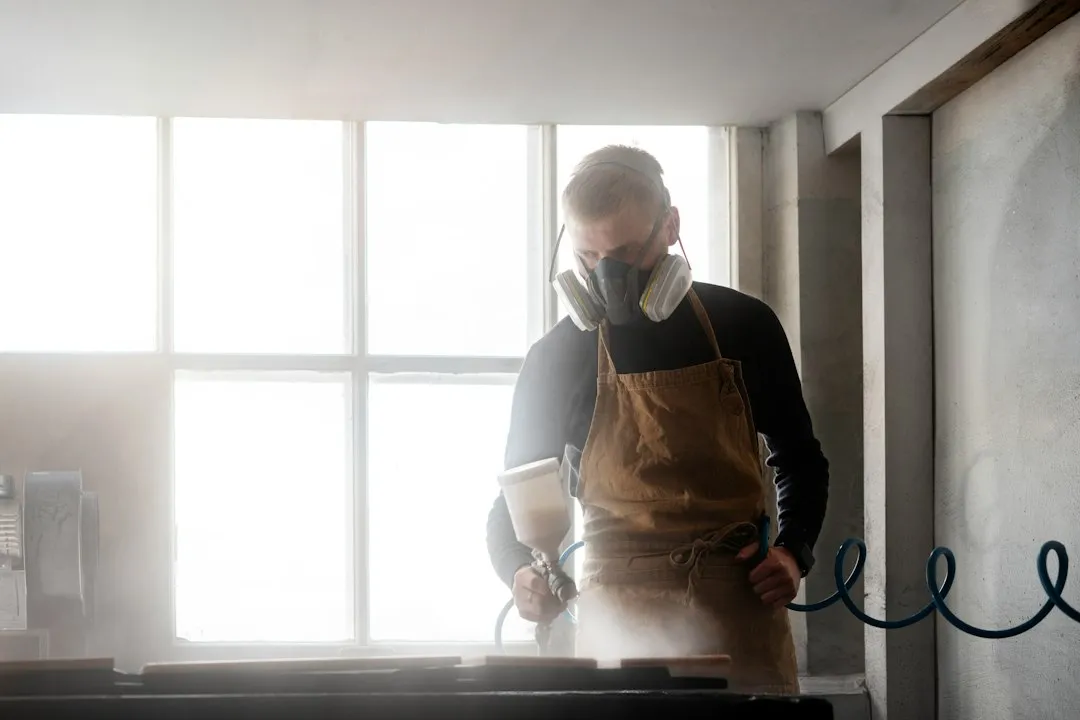
Given the variety and prevalence of contaminants that can accumulate in air ducts, regular cleaning is essential to maintain both indoor air quality and HVAC system efficiency. The NADCA recommends that air ducts be cleaned every three to five years, depending on factors such as the presence of pets, allergies, and environmental conditions.
There is no single replacement schedule that works for every property. A home with pets, allergies, construction nearby, or several occupants usually needs more frequent filter checks than a lightly used unit.
A house works like a fishbowl with a pump. The pump keeps water moving, but clean water requires filtration, treatment, or replacement. An HVAC blower creates circulation, yet circulation by itself does not remove pollutants. The system can only do so much. The rest depends on how well you maintain what surrounds it.
The Takeaway
Dust doesn’t just arrive, it cycles. If the system is clean, properly maintained, and working efficiently, it can help support better airflow, humidity control, and particle reduction. If it is neglected, it may circulate dust, allergens, odors, moisture, and other indoor air quality concerns throughout the home.
Forced-air systems pull air through return ducts, condition it, and push it back through supply vents. Every time that cycle runs, airborne particles travel with it. Some get captured by the filter, but many don’t, and they keep circulating through the duct network.
The air vent habit that quietly keeps dust moving isn’t one dramatic mistake. It’s the accumulation of small oversights: filters changed too rarely, vent covers never wiped down, furniture placed directly in front of returns, and rooms sealed off that shouldn’t be. Regular air duct cleaning can dramatically reduce the levels of dust, pollen, pet dander, and other contaminants circulating in your home. Starting with the basics is usually enough to notice a real difference.
AI Disclaimer: This article was created with the assistance of AI tools and reviewed by a human editor.