
As daylight hours shrink in October, many home gardeners notice their houseplants responding to the change. Leaves may yellow or drop, especially on plants that spent the summer outside, and growth naturally slows. These shifts signal the need for adjusted care routines that protect plant health through the darker months ahead.
The precise darkness treatment for holiday color
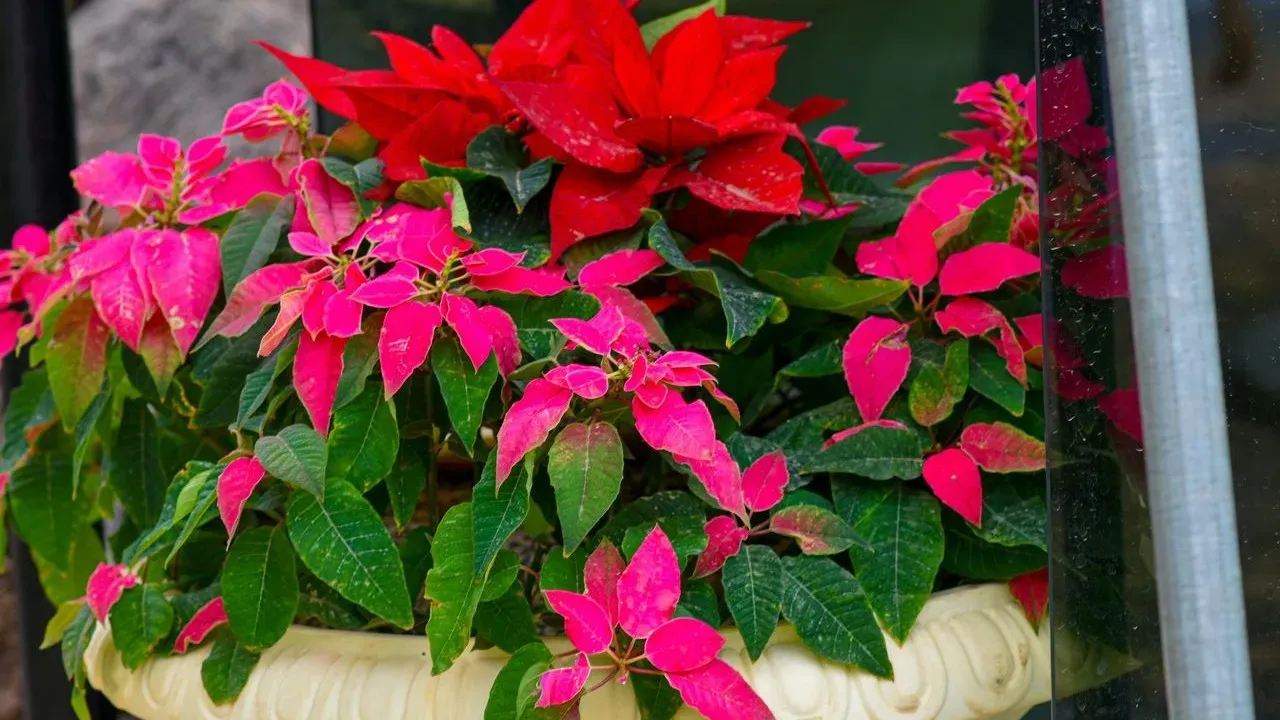
Poinsettias require a strict light schedule to develop their signature red bracts in time for the holidays. Gardeners place the plants in complete darkness for 15 hours each day, typically from early evening until morning, and maintain this regimen for eight to 10 weeks. Any interruption from artificial light can delay or prevent the color change. The process begins in October for most regions, aligning the bloom cycle with December celebrations.
Adjusting water and fertilizer for slower growth
Indoor plants enter a period of reduced activity as light levels fall. Watering should occur less often, allowing the soil to dry slightly between sessions to avoid root stress. Fertilizer applications stop entirely once growth pauses, preventing weak or leggy stems. These steps mirror the plant’s natural dormancy and help conserve resources during the winter.
Recognizing normal leaf drop as a seasonal response
A common sight in October is houseplants shedding leaves after moving indoors from outdoor summer locations. The drop reflects an adjustment to lower light intensity rather than a sign of disease or neglect. Gardeners who understand this pattern avoid overreacting with extra water or chemicals that could compound the stress. Consistent observation helps distinguish normal seasonal change from actual problems.
Practical steps that support long-term plant health
– Monitor light exposure daily for poinsettias to ensure the 15-hour dark period remains uninterrupted. – Check soil moisture before watering to match the plant’s slower uptake. – Remove fallen leaves promptly to reduce the risk of pests or mold. – Position plants away from drafts or heat sources that could accelerate drying. These measures, drawn from established seasonal guidance, help gardeners maintain healthy collections through the transition. The payoff comes in the form of thriving plants that reward consistent October attention with color and vitality when winter arrives.
AI Disclaimer: This article was created with the assistance of AI tools and reviewed by a human editor.