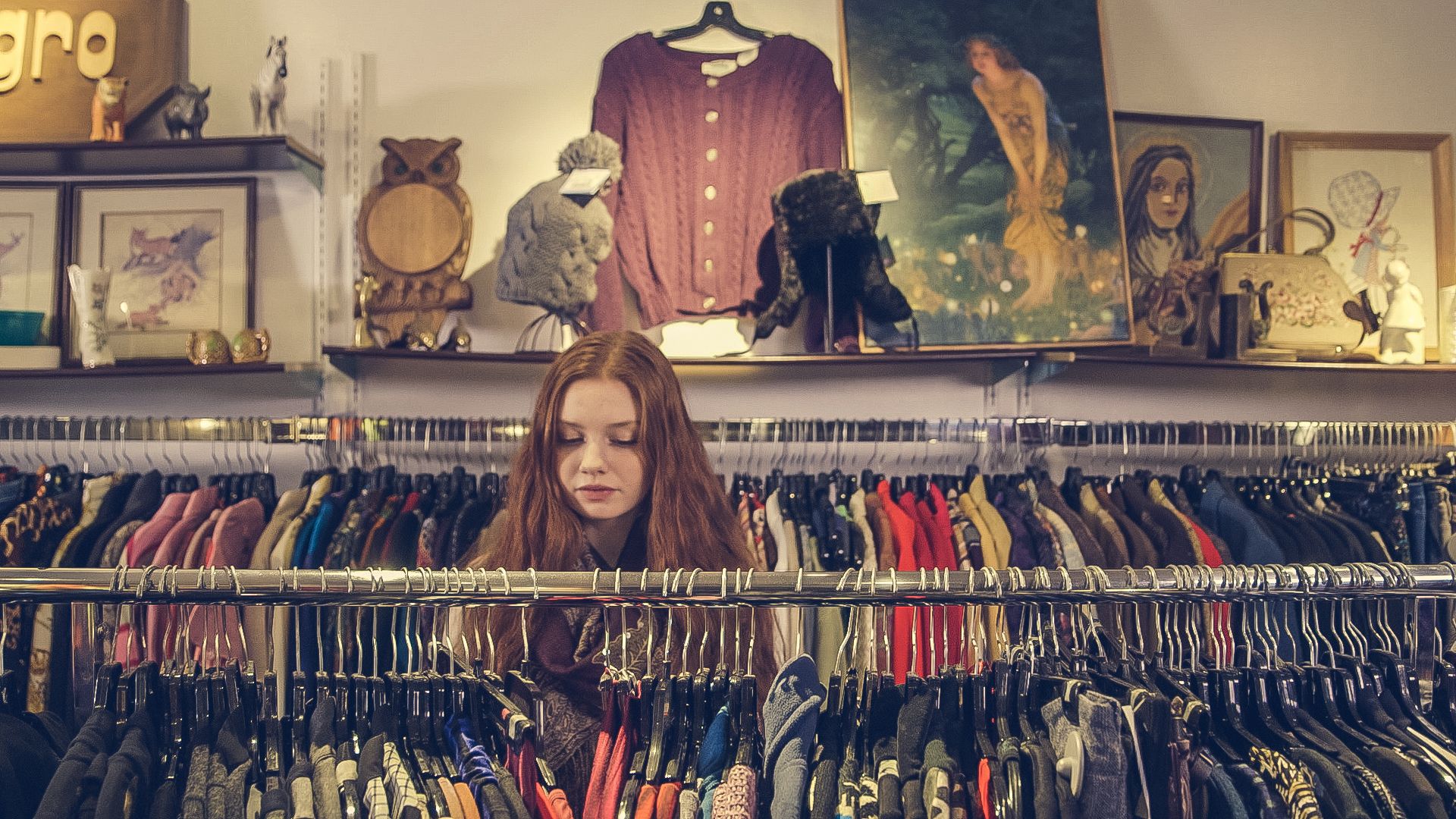

The Scale of What’s Actually Happening
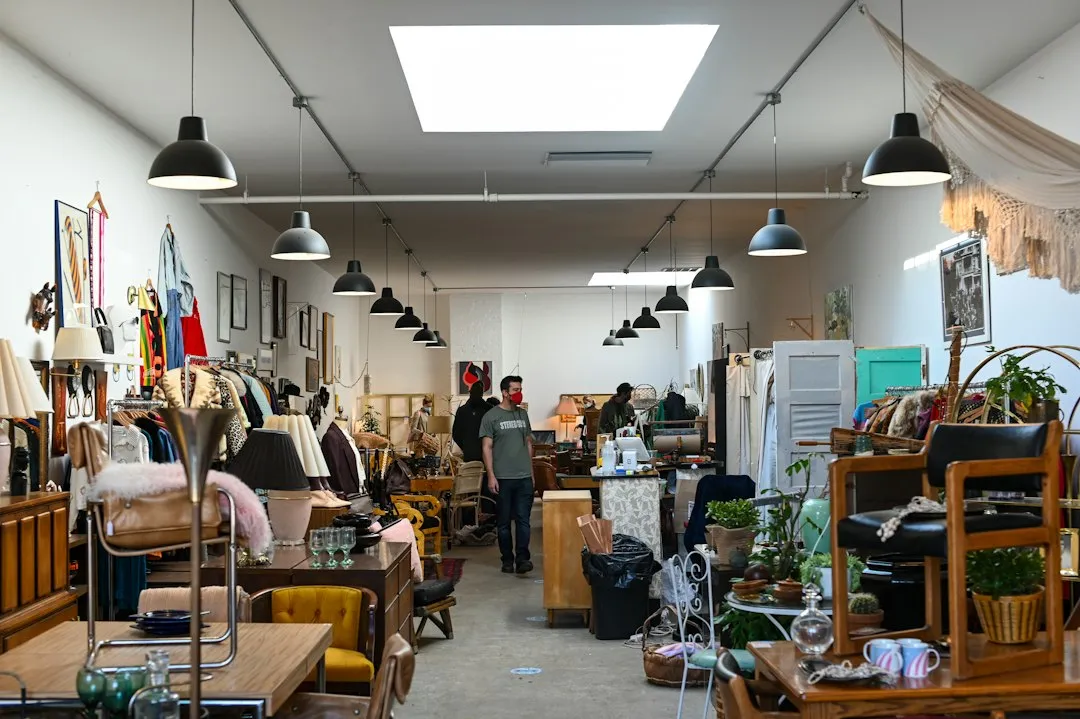
The secondhand market is not a niche anymore. The global secondhand market, at $393 billion and growing faster than retail overall, has entered a competitive, structurally complex phase that goes well beyond simple thrift store browsing. That kind of scale changes the conversation entirely.
In 2024, online resale saw accelerated growth for the second consecutive year at 23%, growing at its strongest rate since 2021. The sector is expanding at a pace roughly two and a half times faster than the broader global apparel industry, reflecting a major shift in consumer behavior and retail strategies.
In 2025, U.S. fashion resale platforms generated $26 billion in sales, up more than 18% from 2024. For context, that’s roughly the same size as some of the country’s largest traditional retail chains. The comparison is no longer flattering to new retail.
Cost of Living Is the Primary Driver
Saving money is the most common driver for secondhand shoppers, with nearly nine in ten secondhand consumers choosing to purchase used goods for this reason. That figure isn’t surprising given the financial climate families have been navigating, but its consistency across income brackets is notable.
According to Morning Consult data from March 2025, 59% of U.S. parents said they rely on secondhand products for family needs, a share that exceeds 50% even among high-income families. This means the choice to go secondhand isn’t purely a necessity for those struggling. It’s a preference that cuts across economic lines.
Tariffs are expected to provide a further tailwind to the secondhand market as shoppers prioritize affordability, and more than half of consumers say that if new government policies around tariffs and trade make apparel more expensive, they will seek more affordable options like secondhand.
Children’s Clothing and Gear: The Obvious Sweet Spot
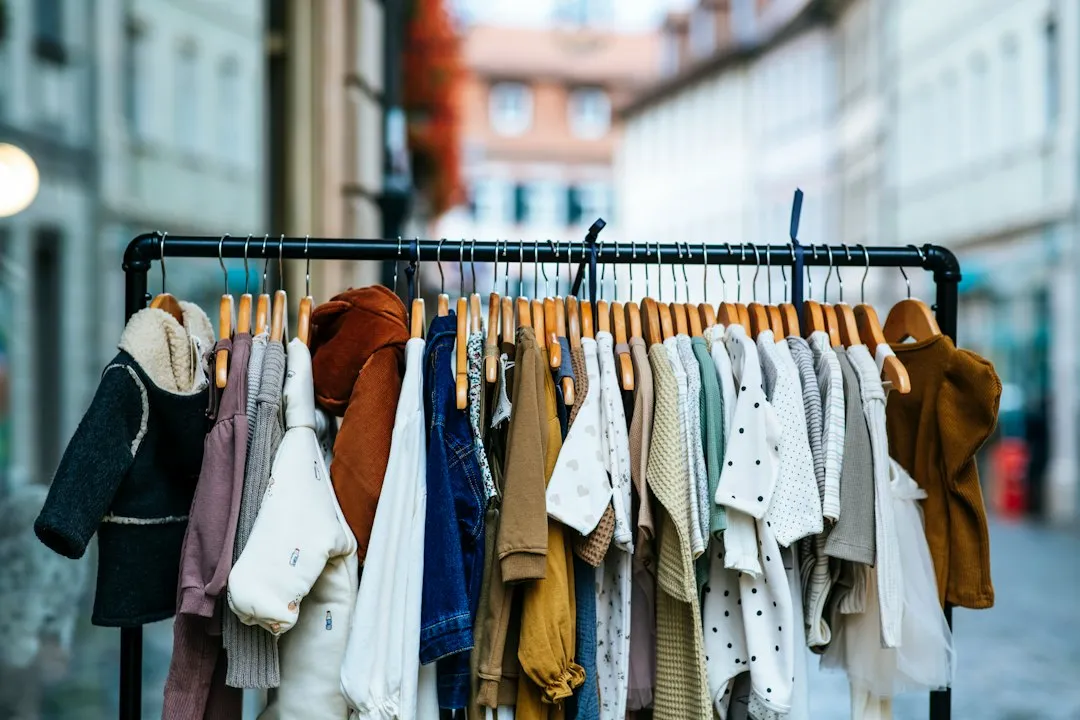
Children outgrow clothing at a rapid pace, often before items show significant wear. A newborn onesie might be worn for just weeks before it no longer fits. This creates a natural lifecycle for children’s clothing that makes resale both economically sensible and environmentally responsible.
Two-thirds of American parents surveyed by Mercari said they had purchased kids’ products secondhand in the past year, with toys ranking as the second-largest children’s resale category by dollar value at $1.3 billion, behind clothing at $1.7 billion.
At the national chain level, Once Upon A Child generated $543.4 million in systemwide sales in 2025, up nearly 5% from the previous year. The chain, which buys and sells used children’s clothing, shoes, toys, and baby gear, had 445 locations as of mid-2026. The dedicated physical presence speaks to how real and sustained the family-focused resale demand has become.
Back-to-School Spending Is Reshaping Family Budgets
Parents in 2026 expect to spend an average of $611 on back-to-school clothing, supplies, and books, according to NerdWallet, with one quarter saying higher living costs are forcing them to reduce their budgets and 19% planning to buy at least some back-to-school clothing secondhand.
Depop reported particularly steep growth, with U.S. kidswear sales increasing 449% year over year during the 2026 back-to-school period, while new listings grew 479%. Even accounting for the platform’s relatively smaller baseline, that kind of growth is difficult to dismiss as statistical noise.
New tariffs are poised to drive up the cost of baby gear by at least 20%. For parents already managing tight household budgets, that kind of cost jump makes the secondhand option even harder to overlook, particularly for large and short-use items like strollers, bouncers, and baby seats.
Online Platforms Have Removed the Friction
Close to half of consumers now say that personalization, improved search, and discovery make shopping for secondhand apparel as easy as shopping new. That’s a meaningful threshold. The convenience gap between buying used and buying new has closed considerably in just a few years.
Social commerce is emerging as a dominant force in the resale space, with more than a third of younger consumers making secondhand purchases through platforms like Instagram and TikTok Shop. For parents who are already managing their lives through mobile apps, this makes the discovery and purchase of secondhand items feel natural rather than effortful.
Artificial intelligence is also playing a transformative role, easing the traditionally overwhelming nature of thrifting by refining search capabilities, personalizing recommendations, and streamlining authentication processes. The result is an online secondhand experience that increasingly resembles regular e-commerce shopping.
The Stigma Has Largely Disappeared
Not long ago, buying secondhand children’s clothing carried a quiet social awkwardness for some families. That perception has faded considerably. ThredUp’s survey found that 58% of consumers shopped for clothes secondhand in 2024, a dramatic six-percentage-point increase over 2023.
More than six in ten consumers now believe that purchasing secondhand apparel as a gift is more socially acceptable than it was five years ago. For families, that shift in perception matters. When secondhand is no longer something to apologize for, it becomes a much easier choice to make consistently.
Close to half of online shoppers now browse secondhand items before buying new, and more than four in ten say that secondhand has become more accessible than in the past. Browsing used before buying new is becoming a default behavior, not an afterthought.
Environmental Values Are Playing a Real Role Too
One of the factors driving secondhand market growth is rising awareness among consumers of the environmental issues associated with fashionable clothing and accessories. Families with children appear to be especially motivated by the long-term implications of those issues.
Research indicates that buying one secondhand item instead of new saves an average of 1.4 lbs of CO2, and for durable goods like strollers or furniture, the savings are even greater. At scale, across millions of family purchases per year, those numbers add up in ways that matter.
A significant byproduct of the wave in secondhand shopping within the children’s retail sector is the impact on the future buying habits of younger generations. As parents shop sustainably and share the eco-conscious benefits with their families, children are more likely to carry those habits forward. In that sense, the shift isn’t just a market trend. It’s a generational handoff of values.
Younger Parents Are Leading the Charge
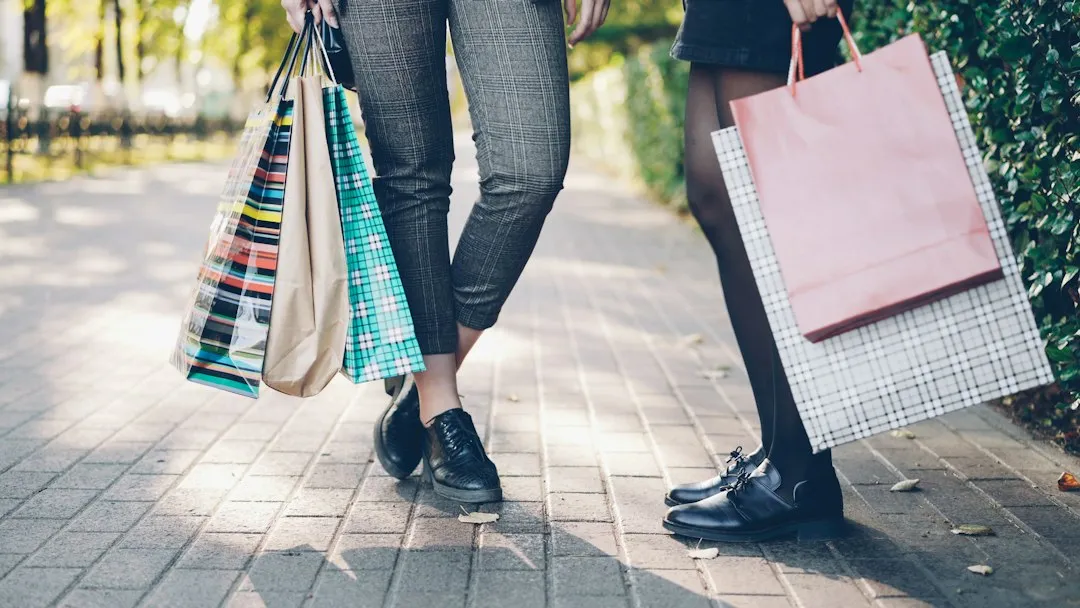
Consumers plan to spend roughly a third of their apparel budget on secondhand in the next 12 months, with that figure climbing significantly among younger generations. Gen Z and Millennials say they’ll spend nearly half their clothing budgets on secondhand.
Among Millennials specifically, nearly seven in ten say they would seek more affordable secondhand options if trade policies made new apparel more expensive. Given that Millennials are now the primary parenting generation, their buying habits have an outsized influence on how family budgets are allocated.
According to March 2025 data from Morning Consult, nearly 59% of U.S. parents say they rely on secondhand products for family needs, with approximately half of those using social or online marketplaces to buy and sell pre-owned items. The combination of economic motivation and digital fluency makes younger parents the natural engine of secondhand growth.
The Baby Gear Market Has Grown Into Its Own Category
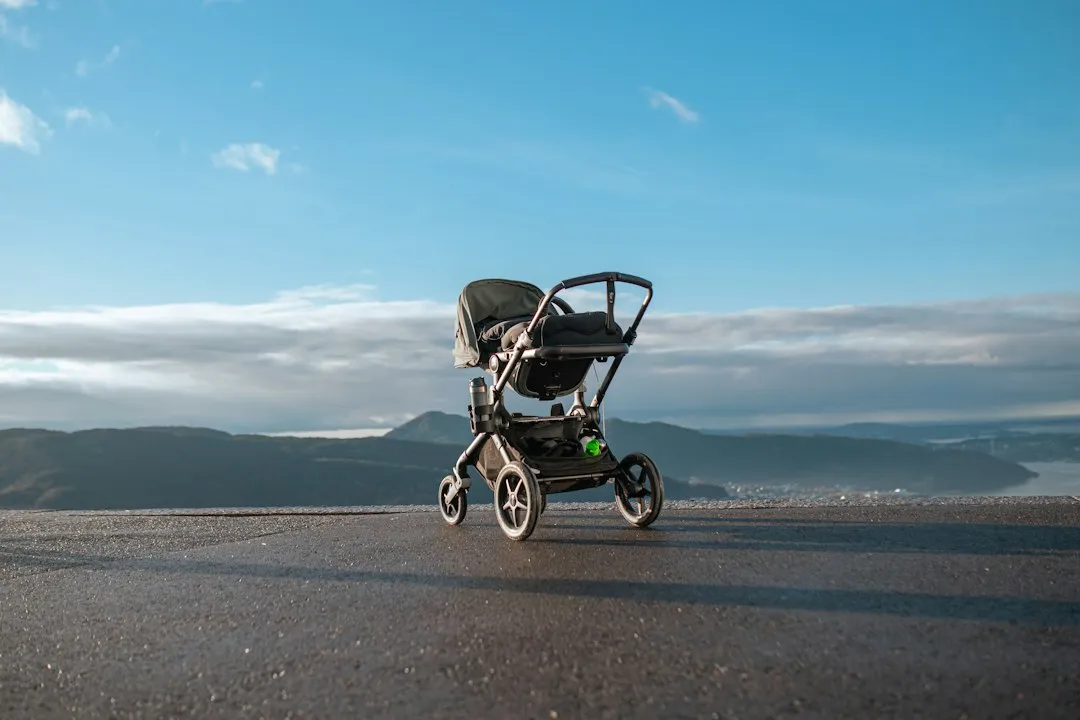
The secondhand baby gear market is now worth over $20 billion, a figure that would have seemed improbable just a decade ago. Items like strollers, high chairs, and car seats now have thriving resale ecosystems, both online and through dedicated physical retailers.
The dedicated kids and baby resale market, which includes apparel, toys, and baby gear, was valued at $7 billion in 2021 and is projected to reach $12.8 billion by 2030, representing an 83% increase over the decade. That trajectory reflects both the growth of the category and the durability of the trend driving it.
Children outgrow gear quickly, meaning secondhand items in this category are often barely used. A stroller used for 18 months by one family may still have years of functional life ahead of it. The value proposition for buyers is unusually strong, and sellers often recover a meaningful portion of their original purchase price.
What Comes Next for the Secondhand Economy
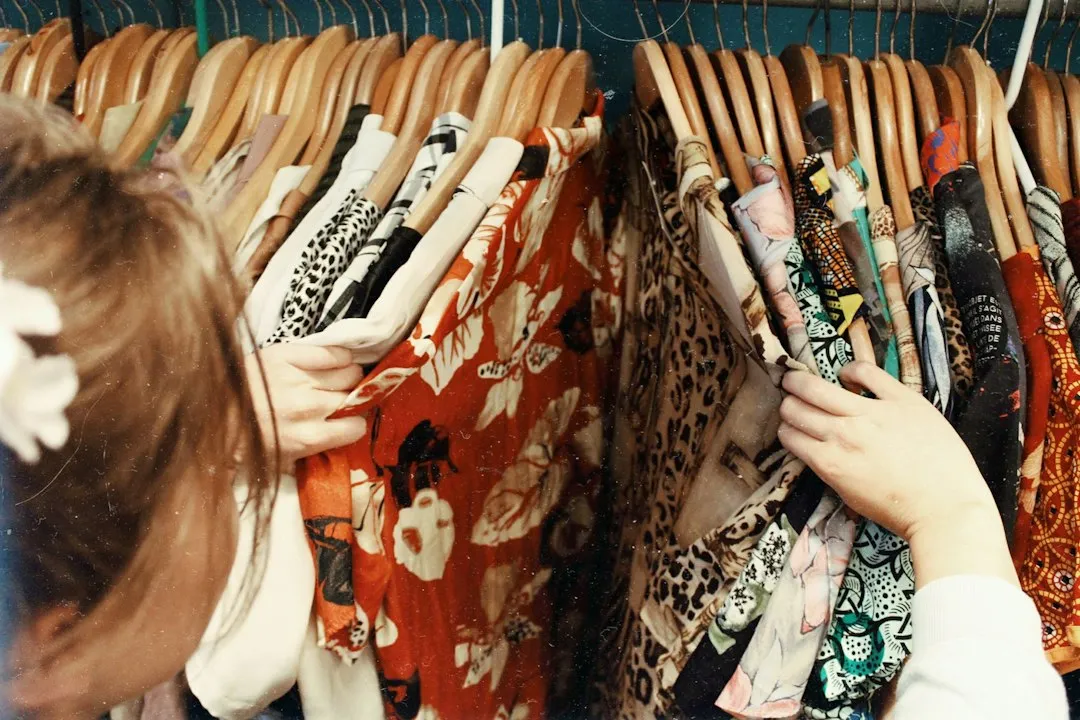
The most important shift heading into 2026 isn’t just that resale is growing. It’s that resale is becoming basic to retail. Traditional brands are launching their own resale arms, and new platforms built specifically for families are expanding rapidly.
In 2026, online apparel resale sales are projected to total $31 billion, accounting for more than 12% of all fashion e-commerce. That share of overall fashion spending signals that secondhand is no longer competing at the margins. It’s competing for the same dollars that new retail has historically counted on.
Roughly two-thirds of projected secondhand market growth through 2030 is expected to result from new thrift shoppers entering the market for the first time. The current wave of family adoption, driven by cost pressures, environmental awareness, and improved platforms, is still in relatively early stages. The peak of this shift is likely still ahead.
The Takeaway
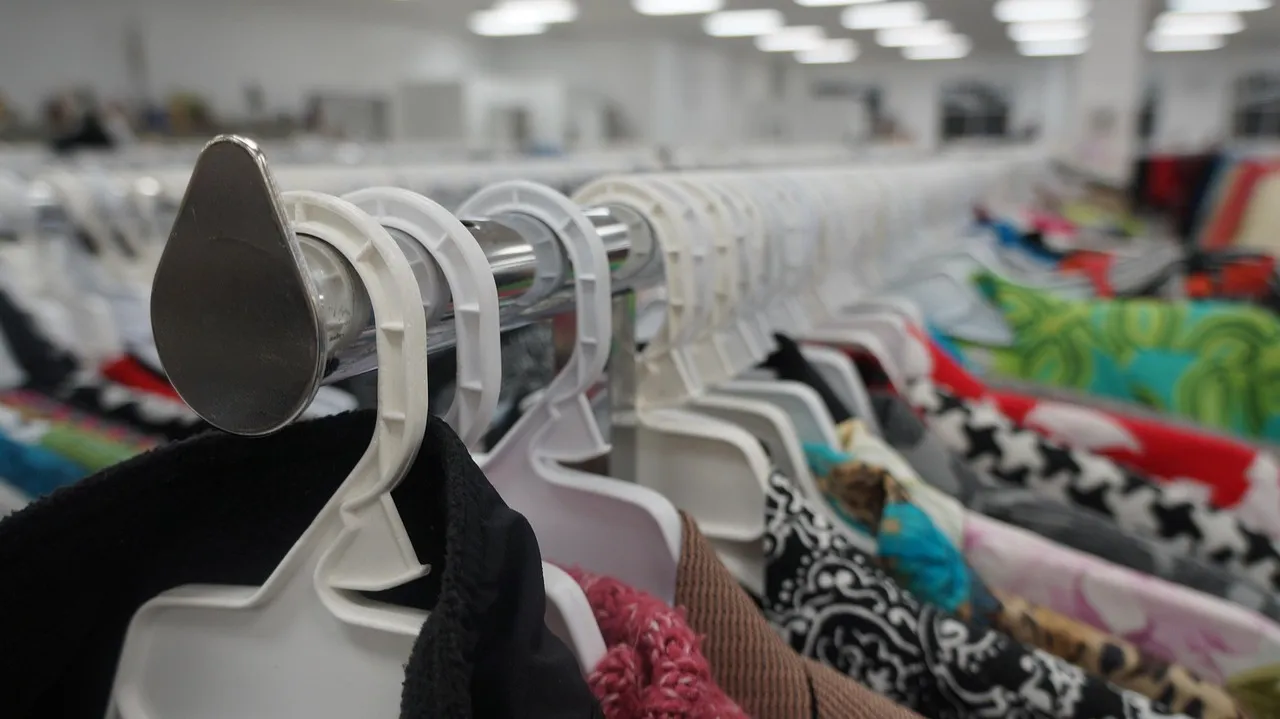
The move toward secondhand isn’t a temporary response to a tough economy. The data from 2024 through 2026 points to something more durable: a fundamental change in how families assign value to what they buy, how long they keep it, and what happens to it afterward. The stigma is gone, the platforms are sophisticated, and the savings are real.
For families, the appeal is practical first and ideological second. Kids grow fast, budgets are tight, and good-quality used items are easier to find than ever. The math works, and increasingly, so does the experience of buying secondhand. That combination tends to stick.
AI Disclaimer: This article was created with the assistance of AI tools and reviewed by a human editor.