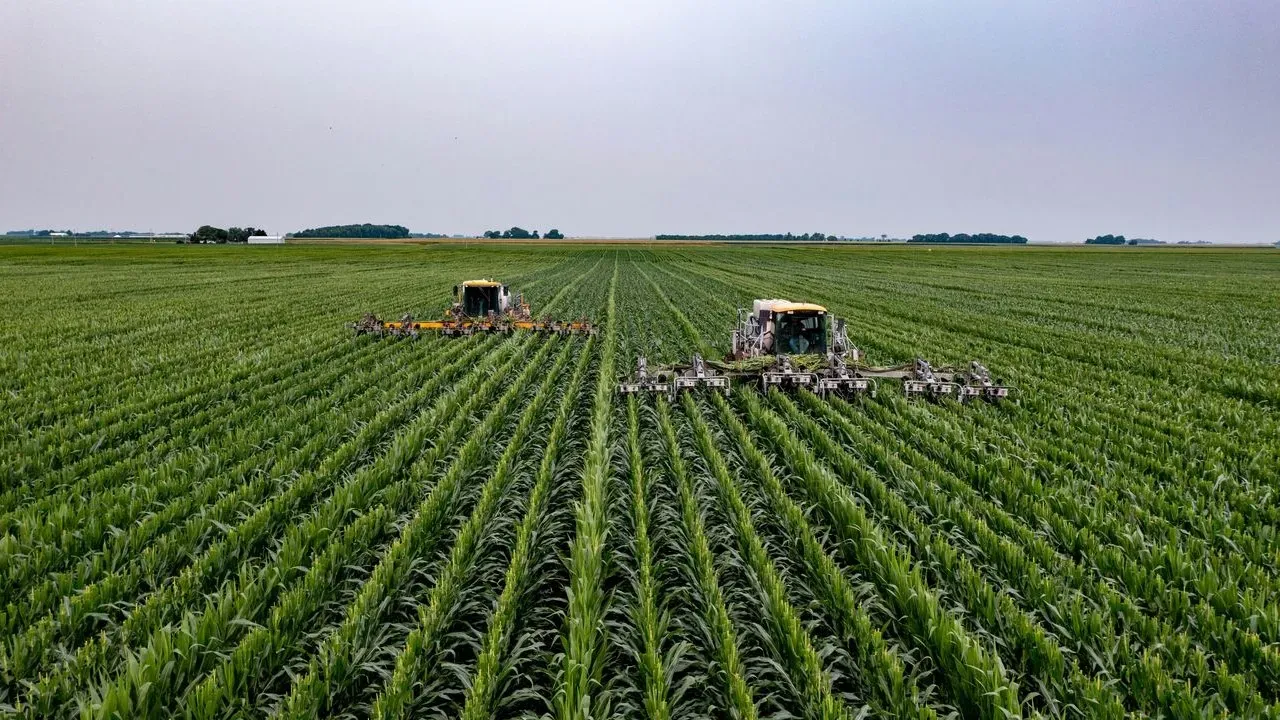

Gardeners who sow cover crops each season already know the practice delivers clear returns. Dense plantings shield bare ground from wind and rain while crowding out weeds that would otherwise take hold. As the plants break down, they loosen compacted earth and return valuable nutrients to the surface. ([1])
Why Cover Crops Earn Their Place
Both commercial growers and backyard enthusiasts turn to cover crops during fallow periods. The fast-growing plants form a living mulch that limits erosion on slopes and open beds alike. Their roots penetrate hardpan, creating channels that improve drainage and aeration once the crop is turned under. Over repeated seasons this steady addition of organic matter builds a more resilient soil profile that holds moisture better during dry spells.
The weed-suppression effect proves especially useful in vegetable gardens where bare soil invites rapid invasion. By filling the space with vigorous growth, gardeners reduce the need for repeated cultivation or chemical controls. The same canopy also moderates soil temperature swings, protecting beneficial soil life from extreme heat or cold.
The Rotation Question
Many gardeners repeat the same cover crop year after year without considering whether a change would help. Continuous planting of one species can allow certain pests or diseases to build in the soil, even when the plants themselves appear healthy. Different cover crops bring distinct root structures and nutrient profiles, so cycling through several types spreads those advantages more evenly across the garden.
Rotation also interrupts weed cycles that adapt to a single cover species. A legume one season followed by a grass or brassica the next keeps the soil biology more diverse and active. This simple shift often leads to stronger overall growth in the cash crops that follow.
Putting Rotation Into Practice
Choosing a sequence starts with observing what each bed needs most. A nitrogen-fixing legume may suit beds that grew heavy feeders the previous year, while a deep-rooted radish or rye can address compaction in another area. Keeping basic records of what was planted where helps avoid repeating the same crop in the same spot too soon.
Timing matters as well. Sowing the next cover crop soon after the previous one is incorporated gives the new roots time to establish before winter sets in. In milder climates, overlapping two short cycles within a single off-season can further diversify the soil community without extending the garden’s downtime.
Long-Term Soil Payoff
Gardeners who adopt rotation often notice steadier yields and fewer fertility problems over several years. The cumulative effect of varied root exudates and residue types supports a broader range of soil organisms that, in turn, make nutrients more available to future plantings. Erosion control and weed suppression remain strong, yet the soil itself becomes more forgiving of occasional weather extremes.
Small adjustments in cover-crop planning therefore deliver outsized returns in soil structure and garden productivity. The practice requires little extra effort beyond thoughtful planning, yet it quietly strengthens the foundation every subsequent crop depends on.
AI Disclaimer: This article was created with the assistance of AI tools and reviewed by a human editor.