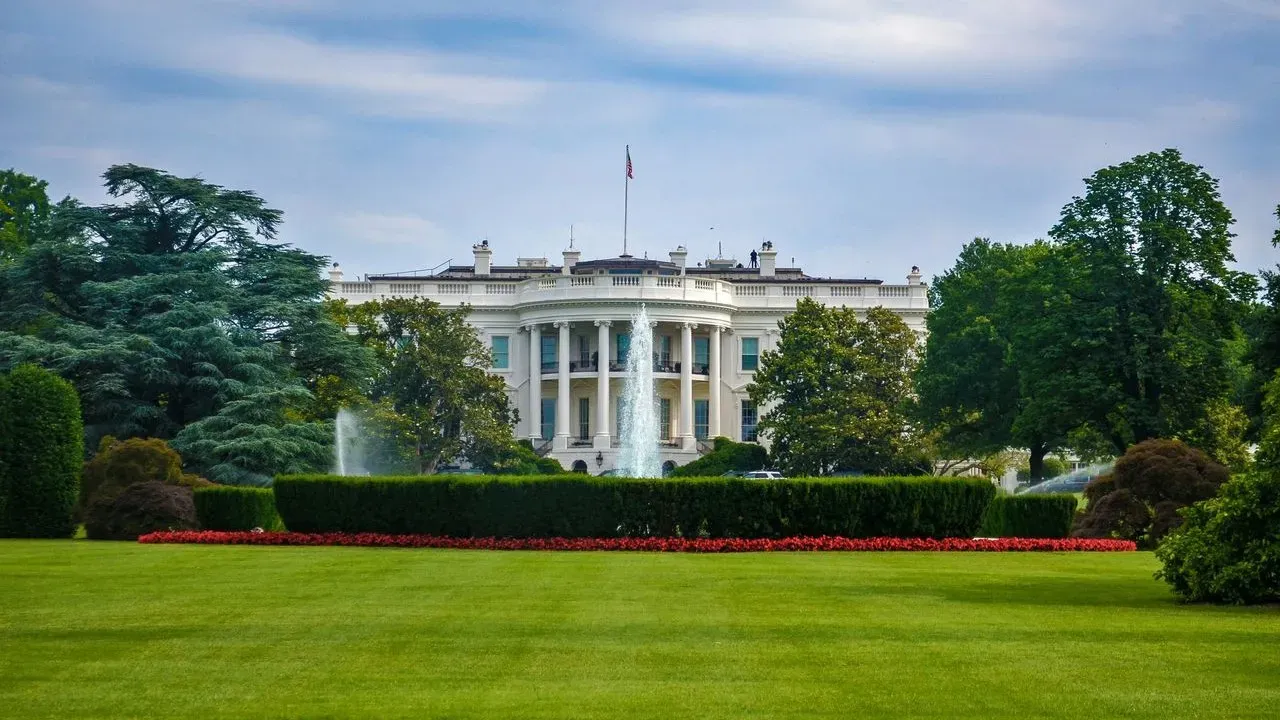

President Donald Trump announced Friday that CNN, MSNOW and Politico would no longer have access to the White House, effective immediately. The decision arrived in a social media post that also warned other outlets could face similar restrictions. Trump framed the move around what he called repeated fictional and negative coverage of his administration and the country. The announcement quickly sparked statements from the affected organizations and press advocates, highlighting long-standing debates over access and fairness in White House coverage.
Details of the Announcement
Trump posted the ban on Friday and followed up during an Oval Office event later that day. He said media outlets should not be allowed to report what he described as fiction and lies about the president or the United States. The president added that other outlets would follow the three named organizations. During the event, Trump stated he supports a free press yet insisted on fairness and honesty. He called it “sick” for a country to permit purposely negative stories and noted that he does not have to grant access to the people’s house. Trump said the decision stemmed from cumulative stories and stressed he was not attempting to intimidate journalists, only seeking honest coverage.
Immediate Reactions From the Outlets
CNN responded by affirming its commitment to fair and accurate reporting by its White House team. The network said it has a constitutional right to operate without government interference and described any implemented ban as an illegal assault on that right. Politico issued a statement on X vowing to continue fair reporting on the current and future administrations. It pledged to defend its First Amendment rights vigorously and rejected Trump’s claim of government subsidies as false and already debunked.
Broader Context and Prior Incidents
White House Correspondents Association President Jacqui Heinrich issued a statement noting that Trump had described his own action as a ban on the free press. She emphasized that the issue extends beyond journalists to the public’s right to an independent account of White House activities. The move echoes earlier disputes during Trump’s current and previous terms. The administration previously sought to limit Associated Press participation in the press pool over a naming disagreement involving the Gulf of Mexico. A similar effort targeting a CNN reporter occurred in the first term and ended after legal action. It remained unclear Friday afternoon how the new restrictions would operate in practice. Reporters from the three outlets continued working at the White House, conducting live shots and moving through the building as usual. The development leaves open questions about how access rules will evolve and what standards will guide future decisions on which organizations receive credentials.
AI Disclaimer: This article was created with the assistance of AI tools and reviewed by a human editor.