
As temperatures drop and skin starts to feel tighter, many people reach for multiple serums and creams in hopes of restoring comfort and glow. The instinct to layer products makes sense, yet some popular pairings can actually undermine results or irritate the skin barrier instead of helping it. Board-certified dermatologist Dr. Mona Foad has outlined clear guidance on which ingredients work together and which ones should stay apart. ([1])
Why Layering Order Matters More Than You Think
Dr. Foad emphasizes that the sequence of application determines whether active ingredients reach the skin effectively. Thinner formulas must go on first so they can absorb without a heavier cream blocking their path. Starting with a cleanser, followed by toner or essence, then serums, and finally creams or oils creates the right conditions for each product to perform.
Consistency in this order often proves more valuable than adding every new launch. Patients who rush the process or reverse the sequence frequently notice reduced benefits and increased dryness or redness. The same principle applies whether the goal is brighter skin in the morning or repair overnight.
Combinations That Can Cancel Each Other Out or Cause Irritation
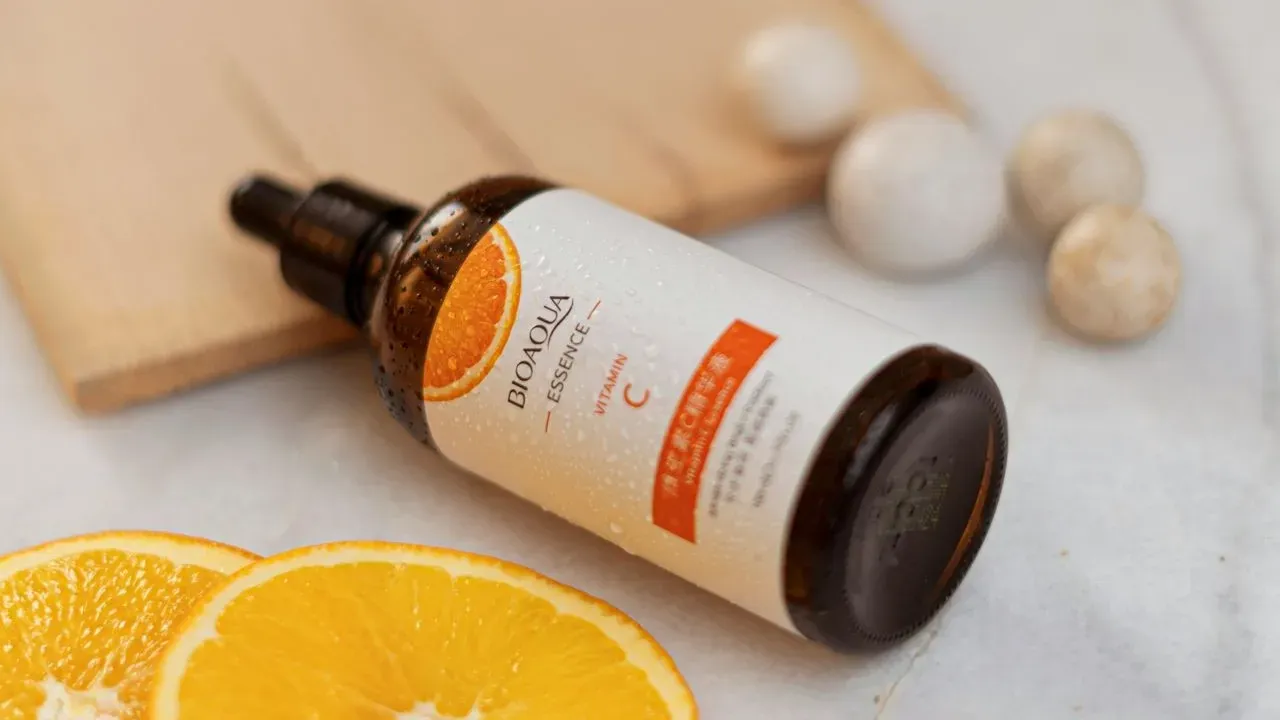
Retinol and vitamin C stand out as one of the most common clashes. Applying both in the same routine can overwhelm the skin barrier because each ingredient brings strong exfoliating or antioxidant effects. Dr. Foad advises using retinol at night and reserving vitamin C for morning use to avoid this overlap.
Vitamin C also loses effectiveness when paired directly with benzoyl peroxide, which can oxidize and deactivate it. AHAs and BHAs similarly conflict with retinol when used at the same time, raising the chance of irritation and barrier damage. Keeping these actives on separate schedules helps preserve their individual strengths while protecting skin tolerance.
Adjusting Routines for Sensitive or Mature Skin
People with sensitive or compromised skin benefit from simplifying first. Dr. Foad suggests introducing one active at a time and waiting a couple of weeks before adding another. A gentle cleanser, fragrance-free hydrating toner, niacinamide or ceramide serum, and rich moisturizer form a reliable base that supports the barrier without extra stress.
For mature skin, the focus shifts toward collagen support and extra hydration. Retinoids remain the foundation for evening routines, paired with richer moisturizers to counter dryness. Layering hyaluronic acid beneath moisturizer and using vitamin C with sunscreen in the morning adds antioxidant protection without excess irritation when introduced gradually.
Ingredients That Layer Well and Strengthen Results
Peptides and niacinamide stand out for their compatibility with most other actives. Niacinamide in particular calms inflammation and reinforces the barrier, making stronger ingredients like retinol or acids more tolerable. Hyaluronic acid and ceramides also pair reliably with exfoliants to offset dryness.
Azelaic acid works comfortably alongside niacinamide and can be introduced slowly with retinol when cell turnover is the goal. These supportive combinations allow routines to deliver visible improvements while minimizing the risk of redness or flaking that often follows mismatched layering.
Thoughtful separation of conflicting ingredients and steady adherence to a simple order can turn a frustrating routine into one that actually delivers. Over time, skin tends to respond with greater resilience and fewer setbacks when the focus stays on compatibility rather than quantity.
AI Disclaimer: This article was created with the assistance of AI tools and reviewed by a human editor.