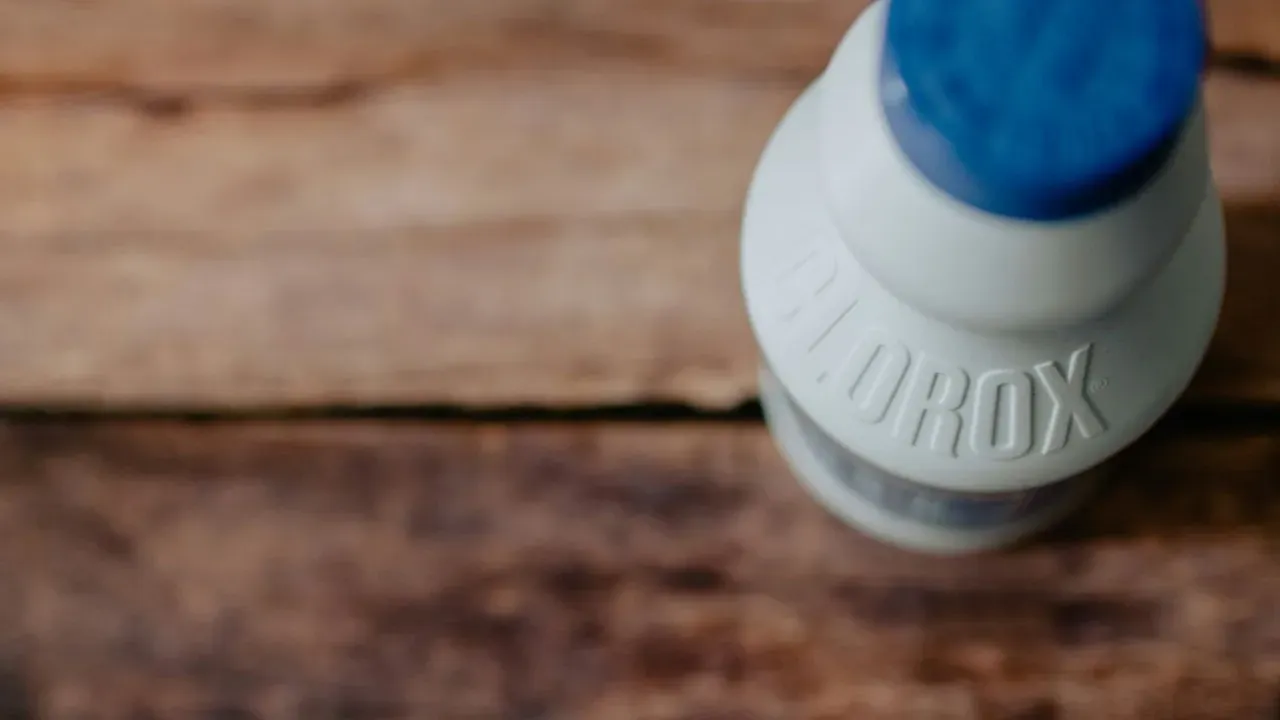

Many homeowners reach for a bottle of bleach under the sink or in the garage when it is time to clean garden tools, sanitize pots, or tackle mold on outdoor surfaces. The reality is that this common household product loses effectiveness over time, often sooner than people realize. Clorox guidance indicates that properly stored full-strength bleach remains reliable for general cleaning and laundry for up to a year from manufacture, though the window for EPA-registered disinfecting is shorter. ([1])
The Chemistry Behind the Short Shelf Life
Household bleach contains sodium hypochlorite, a compound that naturally decomposes into salt and water from the moment it is produced. Heat and light accelerate this process, which explains why bleach comes in opaque containers and why storage conditions matter so much. Manufacturers like Clorox even adjust summer batches with slightly higher concentrations to offset hotter shipping and storage conditions.
This built-in instability means the active ingredient breaks down steadily, roughly 20 percent per year under ideal conditions. Once the concentration drops too low, the product can no longer deliver reliable disinfecting power even if the liquid still looks clear.
How to Check If Your Bleach Is Still Strong
Clorox bottles carry a production code rather than a printed expiration date. Decoding that code reveals the exact manufacture date and provides the most accurate way to judge age. When the code is hard to read, a simple smell test offers a quick clue: a sharp chlorine odor indicates active ingredient remains, while a faint or absent smell suggests the bleach has largely broken down.
Visible darkening or yellowing of the liquid is another sign, though it is harder to spot in the usual opaque bottle. For garden tasks such as disinfecting pruning shears or treating algae on decks, relying on weakened bleach can leave surfaces inadequately sanitized.
Storage Practices That Preserve Potency
Keep bleach in its original tightly capped container and store it at room temperature or cooler, ideally near 70 degrees Fahrenheit. Avoid hot garages or sheds, where elevated temperatures can shorten effective life to just a few months. Buying large quantities rarely makes sense because the product continues to degrade regardless of storage.
Diluted solutions lose strength even faster. A typical bleach-and-water mix for spray bottles or soaking solutions retains reliable disinfecting power for only about a week. Mixing smaller batches as needed prevents waste and ensures better results on garden tools or outdoor surfaces.
Safety Rules That Never Change
Old bleach is not more hazardous from age alone, yet it should never be mixed with ammonia or acidic cleaners such as vinegar. That combination produces toxic gas whether the bleach is fresh or years old. Gardeners who use vinegar-based cleaners for other tasks should keep those routines completely separate from any bleach use.
When bleach has lost its strength, the remaining liquid is mostly salt and water and can be poured down the drain with running water in typical household amounts. Always dispose of the empty container according to local recycling guidelines and never combine old bleach with other products before disposal.
AI Disclaimer: This article was created with the assistance of AI tools and reviewed by a human editor.