
Your Brain Reads Disorder as a To-Do List

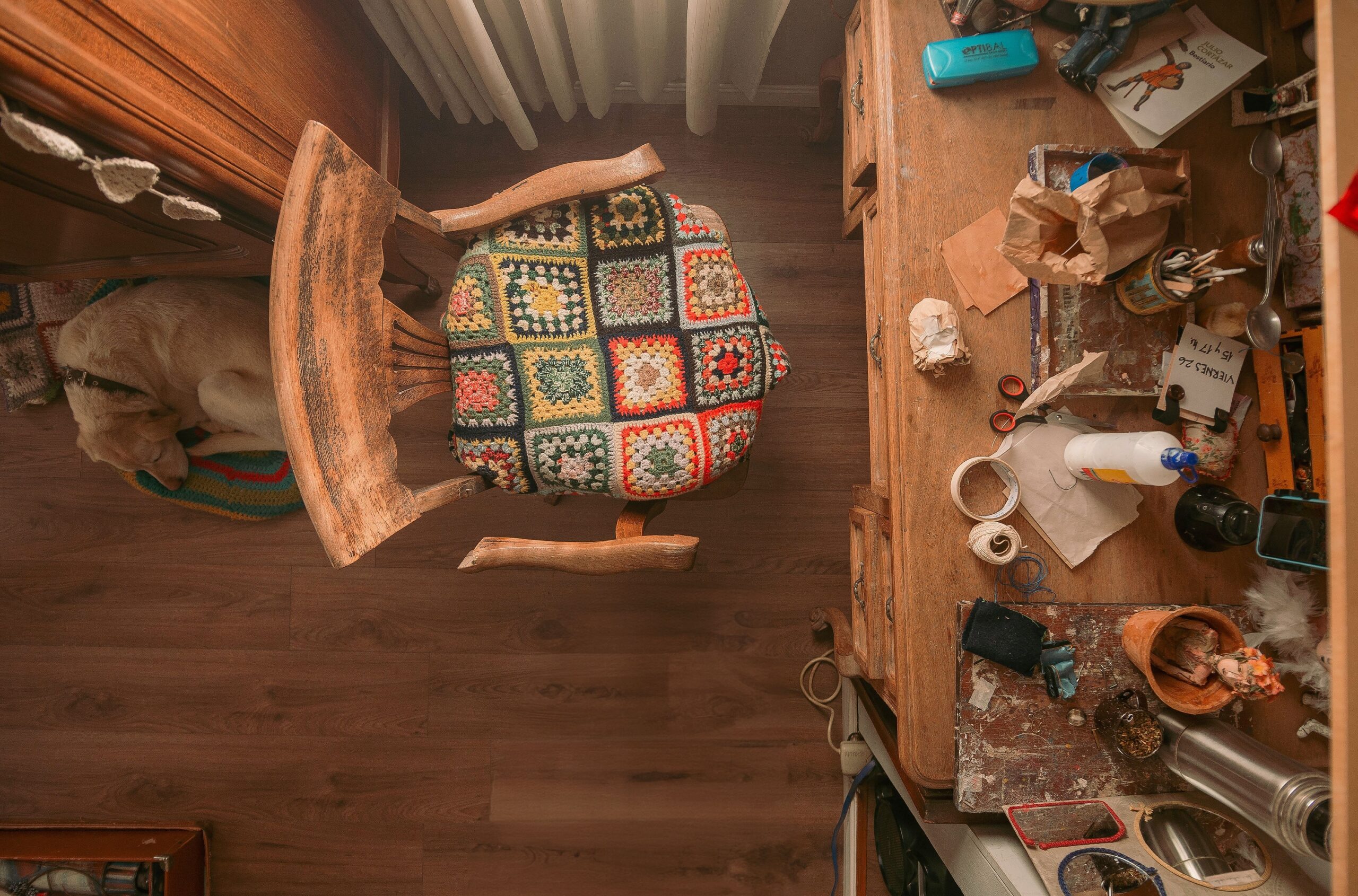
Clutter, by its very nature, signals to the brain that there’s work to be done. Studies have shown that excessive objects in one’s line of sight can lead to sensory overload, where the brain’s cognitive functions are impaired due to an excess of stimuli. That stack of receipts, the earbuds, the half-read book you’ve been meaning to finish – each one registers as an open loop.
Our brains are constantly scanning our environment. A cluttered nightstand can subtly signal unfinished tasks and mental “to-dos,” making it harder to fully disengage at bedtime. When the brain is cataloguing rather than winding down, sleep onset gets pushed further away.
Cortisol Stays Elevated When Clutter Is Present
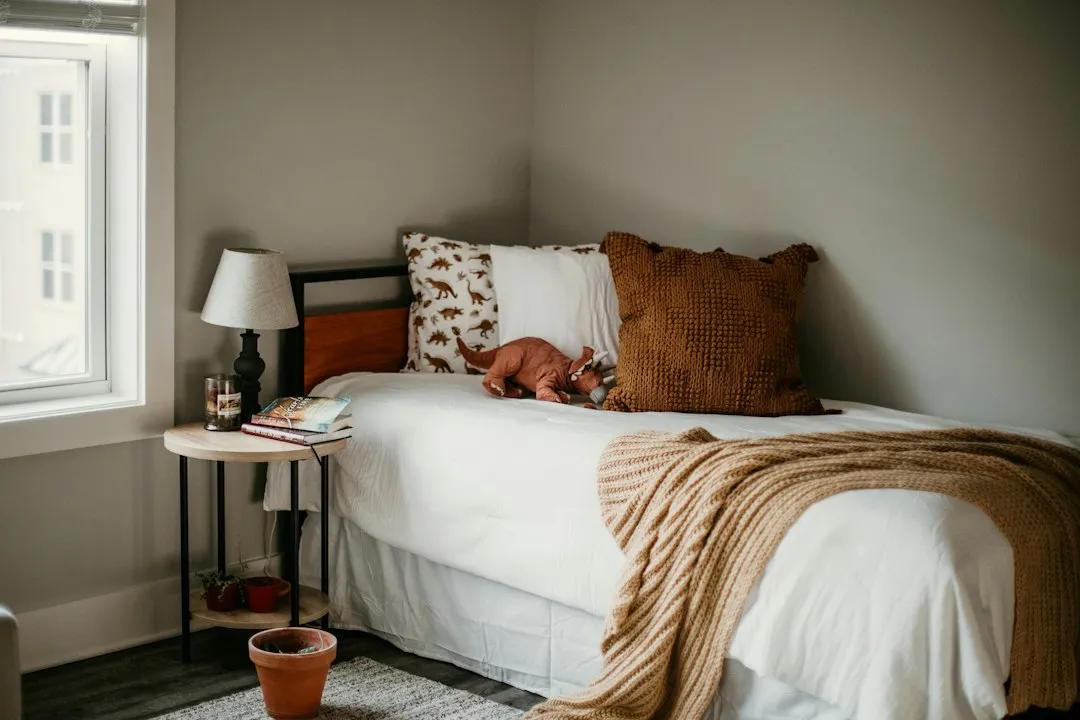
Cortisol, the stress hormone, normally drops in the evening to allow sleep onset. Research shows that cluttered environments keep cortisol elevated. When you see disorganisation – piles of laundry or stacked papers – your brain stays in a low-grade “fight or flight” state. This makes it harder to relax, delays sleep onset, and increases nocturnal awakenings.
Cortisol that is typically reduced in the evening to aid sleep can remain high in stressful environments, such as a cluttered bedroom. High cortisol levels can delay the onset of sleep and decrease the quality of sleep, leading to a less restorative sleep experience.
The Psychological Weight of Clutter Is Real and Measurable
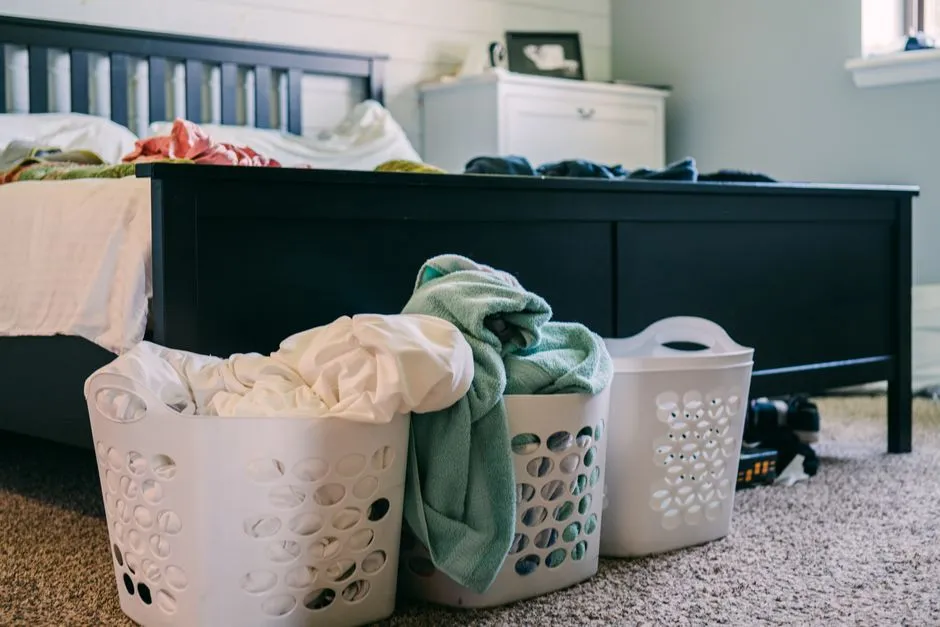
A study in the Journal of Clinical Sleep Medicine examined sleep quality in adults with significant clutter and found that clutter severity was associated with increased sleep disturbance, even when controlling for the inability to physically sleep in the bed due to objects on it. In other words, it is not just about physical space. The psychological weight of clutter disrupts sleep independently.
A study published in the Personality and Social Psychology Bulletin found that people with cluttered bedrooms experienced higher levels of cortisol compared to those with tidier sleeping spaces. So it’s not just a matter of aesthetics; clutter can directly impact your physiological response to stress, making it harder to fall asleep and stay asleep.
A Messy Nightstand Makes Anxiety-Prone Sleepers Worse Off
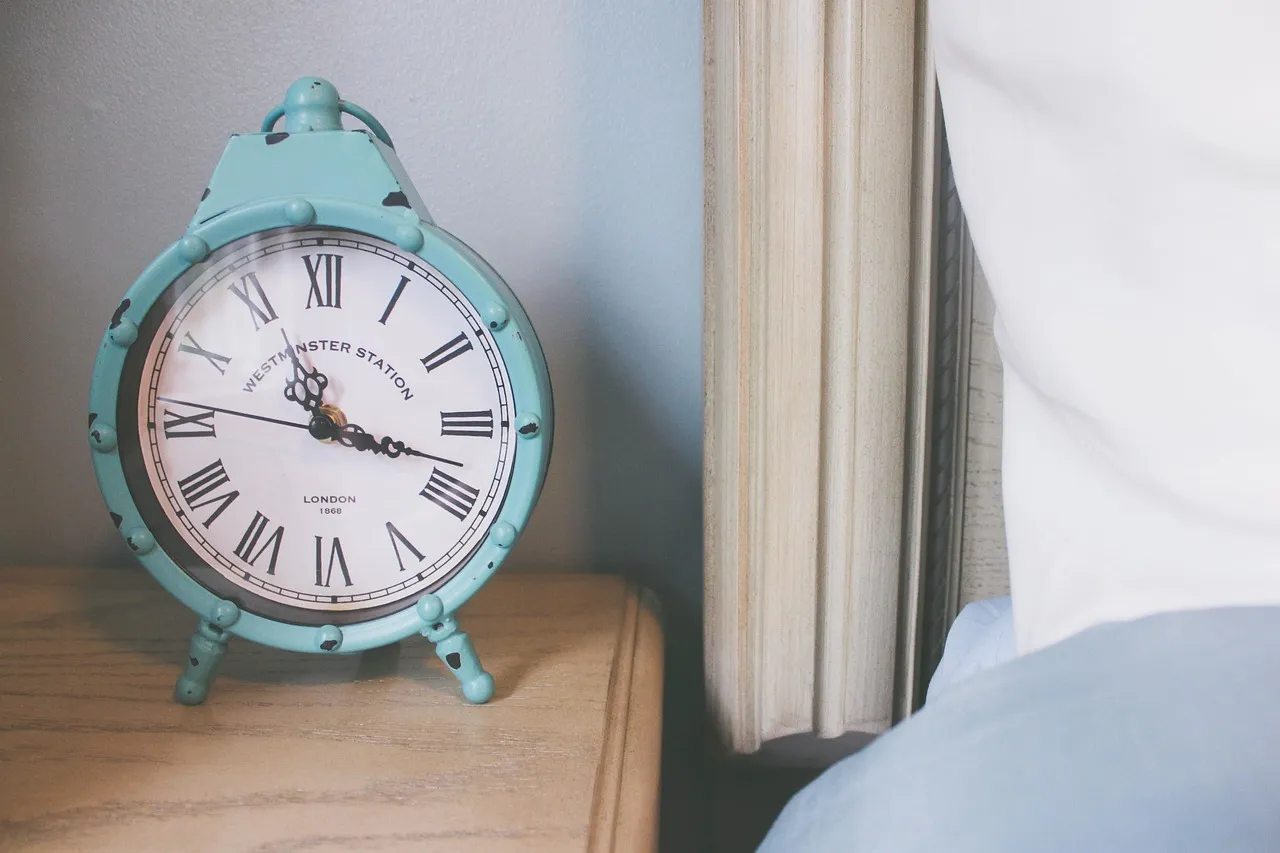
A messy nightstand can be even more harmful for anxiety-prone individuals, as “visual clutter can increase cognitive load and make it more difficult to shift into a calm, restorative state.” For people who already struggle with racing thoughts at bedtime, the problem is compounded rather than simply repeated.
If you’re surrounded by mess and clutter before falling asleep, you are likely to feel anxious or on edge. So even if you’ve invested in therapeutic paint and found the best mattress for your posture, you’re still likely to suffer a bad night’s sleep. Environment and physiology are more intertwined than we tend to credit.
Visual Clutter Tires Out Your Cognitive Resources

A cluttered room can elevate stress hormones, such as cortisol, particularly detrimental at night when we are trying to wind down. According to a study published in the Journal of Neuroscience, visual clutter competes with our brain’s ability to pay attention and tires our cognitive resources.
The less clutter you see as you prepare for sleep, the less your brain has to process, allowing you to fall asleep faster and enjoy deeper, more restorative sleep. It’s a straightforward equation that most people overlook in favor of more complicated sleep remedies.
Phones and Chargers on the Nightstand Add Another Layer of Disruption

Widespread evening exposure to short-wavelength, blue-enriched light from electronic screens has been shown to suppress melatonin secretion, delay sleep onset, and alter circadian rhythms. A charging phone on the nightstand is rarely just a phone. It’s an invitation to scroll, to check, to stay alert.
Blue light is a short-wave light that delays the circadian clock phase, otherwise known as our sleep and wake cycle, and suppresses the synthesis of melatonin. Melatonin is a natural hormone secreted by our pineal gland, which is inactive during the day and peaks during sleep. Reduction of the hormone makes it harder to fall and stay asleep. Keeping the phone off the nightstand entirely removes both the light risk and the temptation.
Most People Acknowledge the Problem but Don’t Act on It
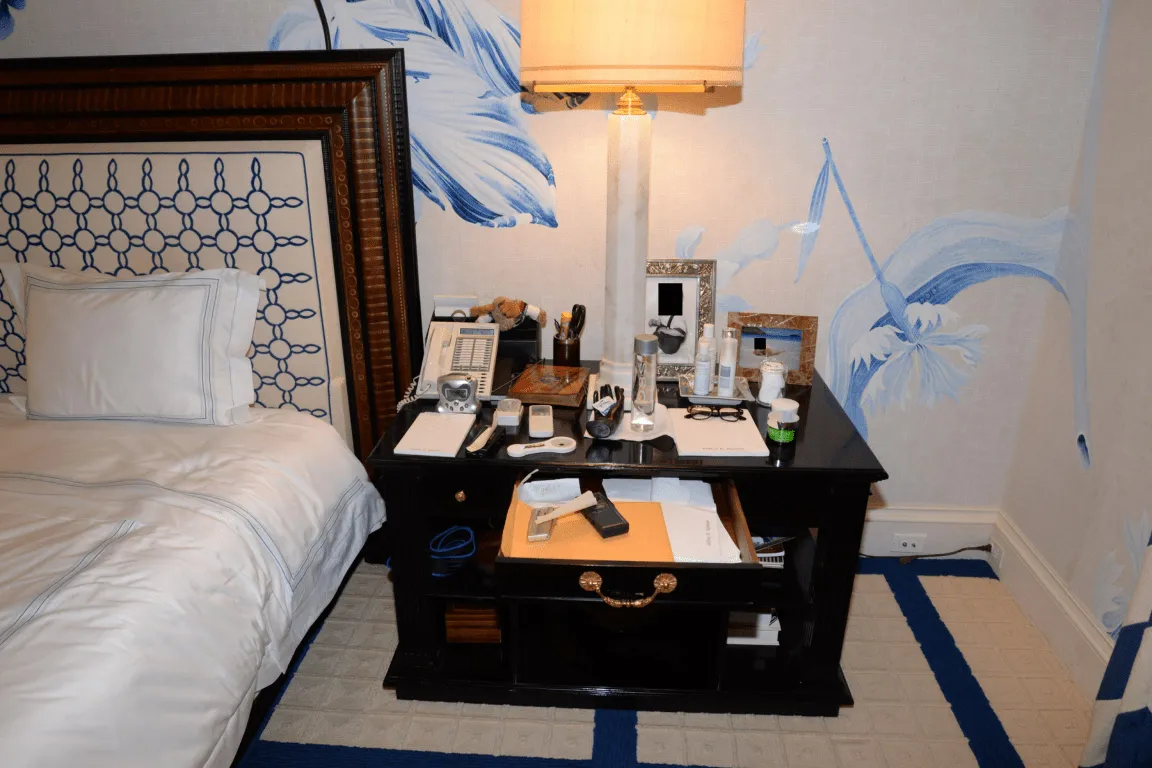
Fifty-six percent of those surveyed say they feel they get a better night’s sleep when their bedroom is neat and tidy, and this figure rose to more than sixty-seven percent for those aged between 25 and 34. Awareness clearly outpaces action in most households.
In a survey conducted by the National Sleep Foundation, roughly four in five respondents said that a comfortable and clean bedroom environment was important for getting a good night’s sleep. Yet cluttered nightstands remain the norm in most homes, treated as a minor inconvenience rather than a genuine sleep disruptor.
Decluttering the Bedroom Is a Legitimate Sleep Hygiene Step
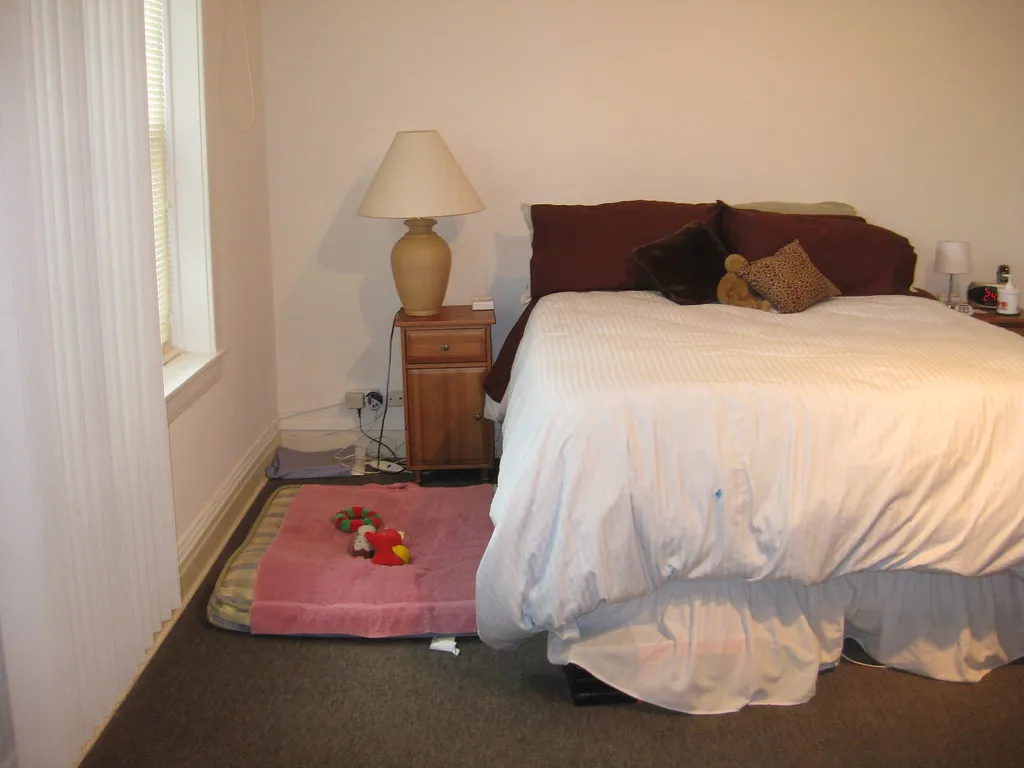
Clinicians often suggest sleep hygiene interventions for sleep disorders, such as developing a bedtime routine, sleeping in one’s own bed, and regular bed and waketimes. Contextual cues such as cluttered bedrooms may also interfere with sleep quality, perhaps by contributing to rumination or anxiety.
Hierarchical regression research revealed that decluttering and self-care habits predicted increased sleep quality and fewer sleep-related problems. Decluttering the bedroom area is not typically recommended to insomnia patients by health care providers – which suggests a real gap between what the evidence supports and what gets prescribed.
The Stress-Sleep-Clutter Cycle Is Self-Reinforcing

Research has established that sleep quality directly affects the body’s stress response system. A study in Psychoneuroendocrinology found that poor sleep quality altered cortisol reactivity to stress the following day. This creates a cycle: clutter causes stress, stress worsens sleep, poor sleep increases stress reactivity, and you become less likely to deal with the clutter.
Joseph Ferrari, PhD, professor of psychology at DePaul University, defined clutter as “an overabundance of possessions that collectively can create chaos and disorderly living spaces.” Ferrari found there’s a negative correlation between life satisfaction and clutter. The greater the clutter, the greater the stress. When sleep suffers consistently, that tolerance for mess tends to grow.
What Should Actually Live on Your Nightstand
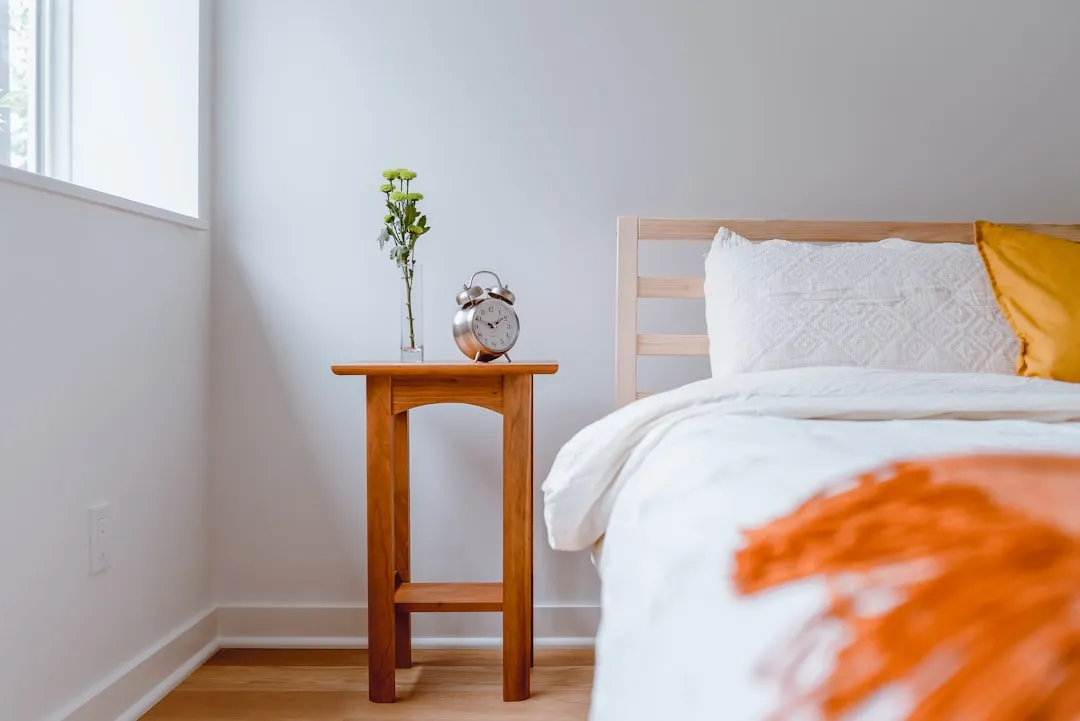
Nightstands, dressers, window sills, and the floor around the bed are what you see when you are lying in bed. Clear these first. The goal is not perfection. It is reducing the visual noise enough that your brain can stop cataloguing.
Really, if you want to get down to the basics, a lamp and perhaps a glass of water is all you need on the surface of your nightstand each night. You may find that going utilitarian might just be what your tired brain needs to catch some rest. A book is fine. A charger tucked out of sight is fine. The pile of miscellaneous life debris is the part that quietly works against you.
The National Sleep Foundation found people with tidy bedrooms were notably more likely to report better sleep quality. Japandi minimalism directly addresses this by removing unnecessary objects from the sleep environment. You don’t have to adopt an aesthetic philosophy to benefit. Simply clearing the surface before bed is a meaningful start.
The Quiet Takeaway
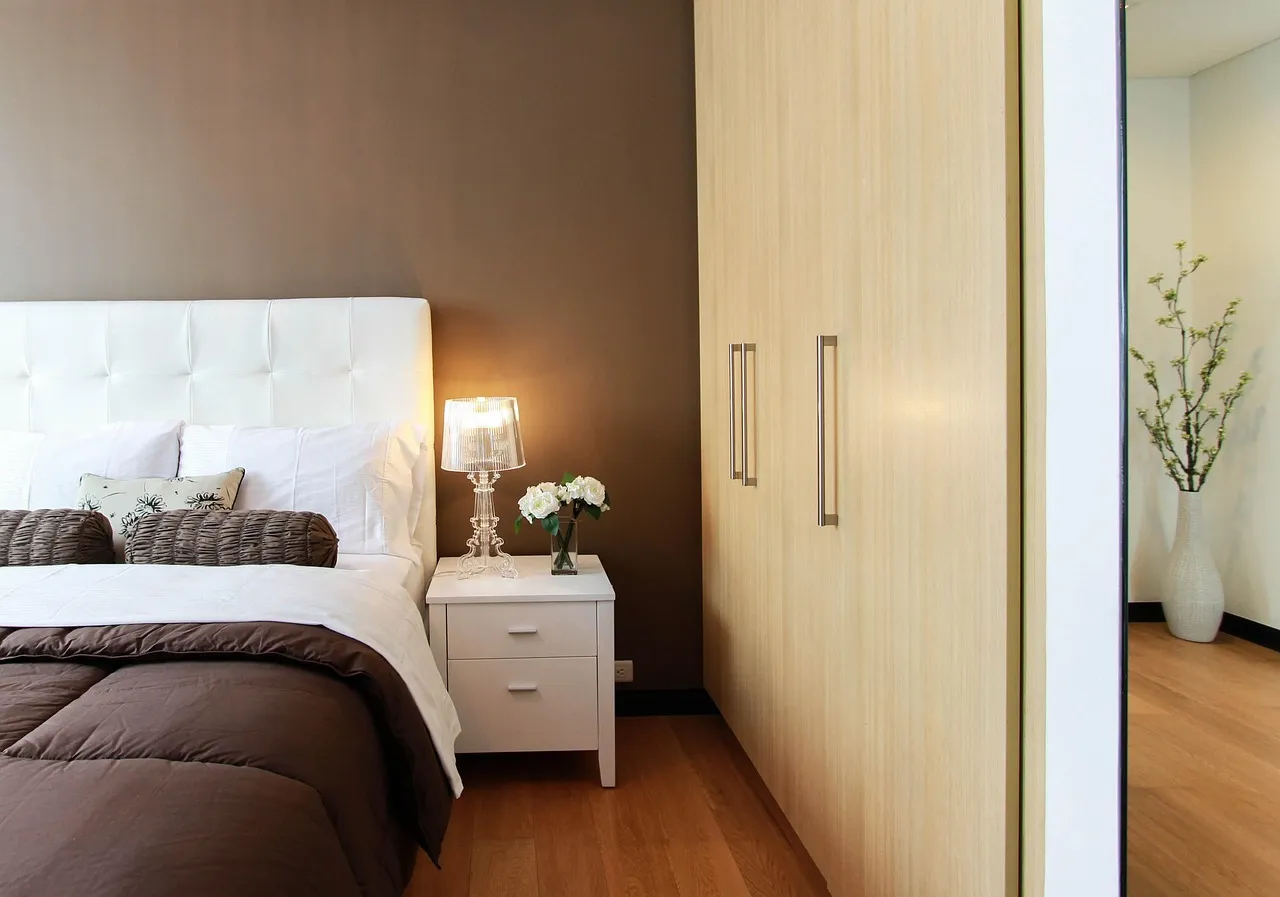
Sleep advice tends to focus on mattresses, temperature, and screen time limits. Those things matter, but the nightstand sits right at eye level as you lie down – and whatever lives on it is what your brain falls asleep to.
The research is consistent: a tidier sleep environment reduces cortisol, lowers cognitive load, and is associated with faster sleep onset and fewer nighttime awakenings. None of that requires a total bedroom overhaul. It just requires treating the nightstand as something more intentional than a catch-all surface.
Sometimes the smallest changes carry the most weight. The few minutes it takes to clear that surface might be the most underrated thing you do for your sleep tonight.
AI Disclaimer: This article was created with the assistance of AI tools and reviewed by a human editor.