
Scalping the Grass Every Single Time
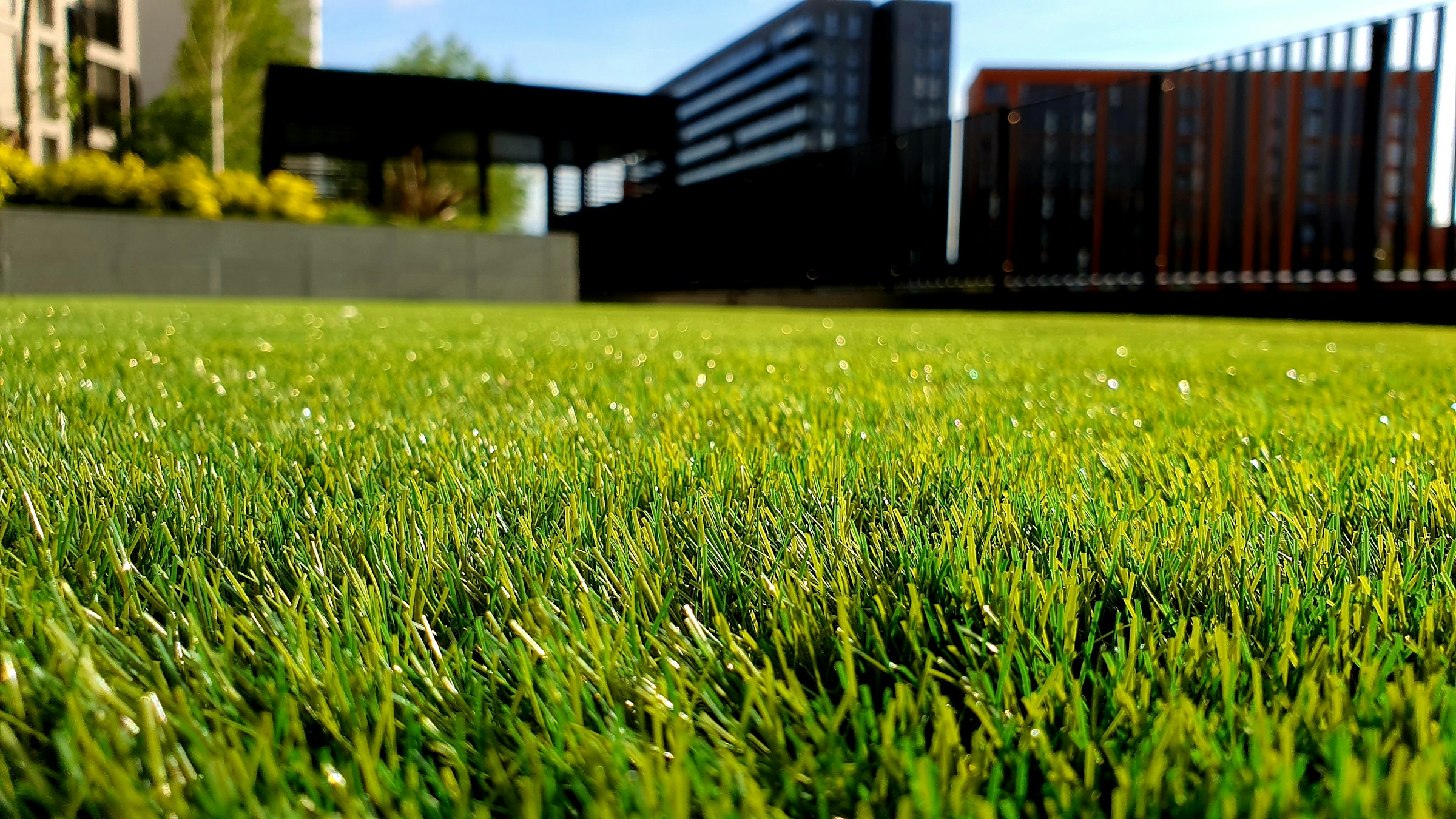
The most common habit that gives a new homeowner away is cutting the grass too short. Many people believe that cutting grass as short as possible reduces the need for frequent mowing. However, this stresses the grass, weakens the root system, and makes it more susceptible to weeds and drought.
Mowing grass too short, called lawn scalping, is harmful to your lawn. When grass is short, sunlight gets through and encourages weed growth, but tall grass shades the soil.
The solution is to follow the one-third rule: never remove more than one-third of the grass height in a single mowing session. Keeping your grass at an optimal height allows for deeper root growth and better resistance to heat and pests.
Watering Every Day Like a Garden
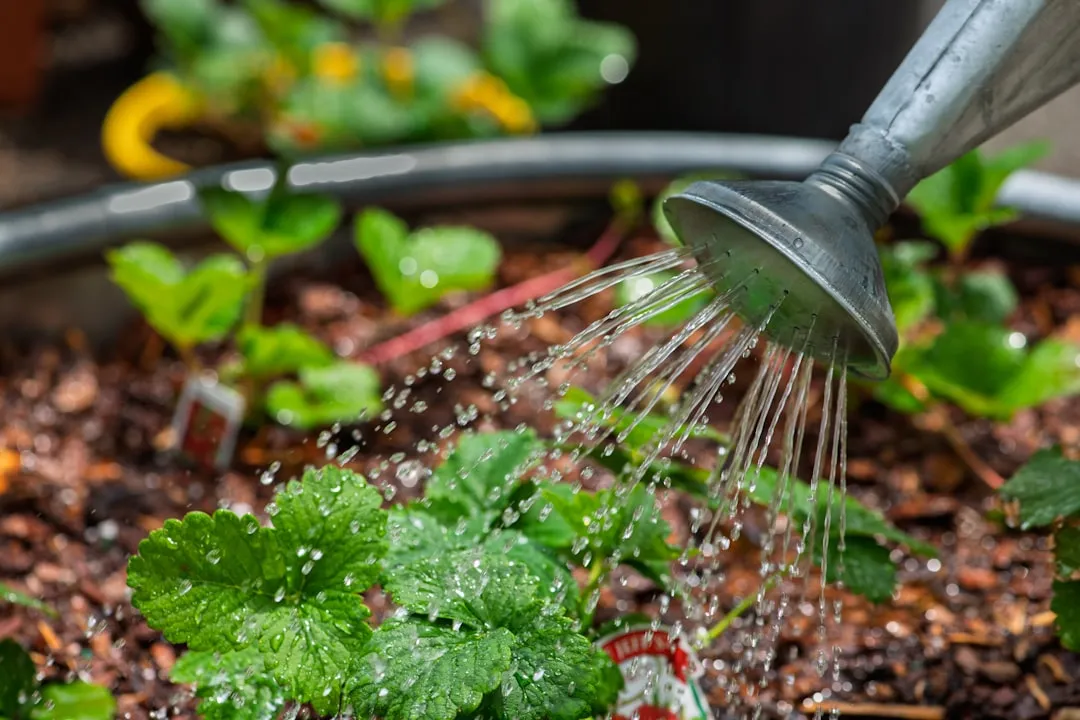
One of the more common lawn care mistakes is watering every day. This mistake can cause your lawn to develop shallow roots. Shallow roots can’t survive heat or drought, which turns an otherwise manageable dry spell into visible damage.
Some experts estimate that roughly half of irrigation water is wasted due to evaporation, wind, or runoff. Watering daily encourages shallow roots that can’t survive drought or heat.
Water deeply once a week, and do it before 8 a.m. Watering at night leaves grass wet overnight, creating a breeding ground for fungus. That’s a simple timing shift that most new homeowners never think about.
Mowing in the Same Direction Every Week
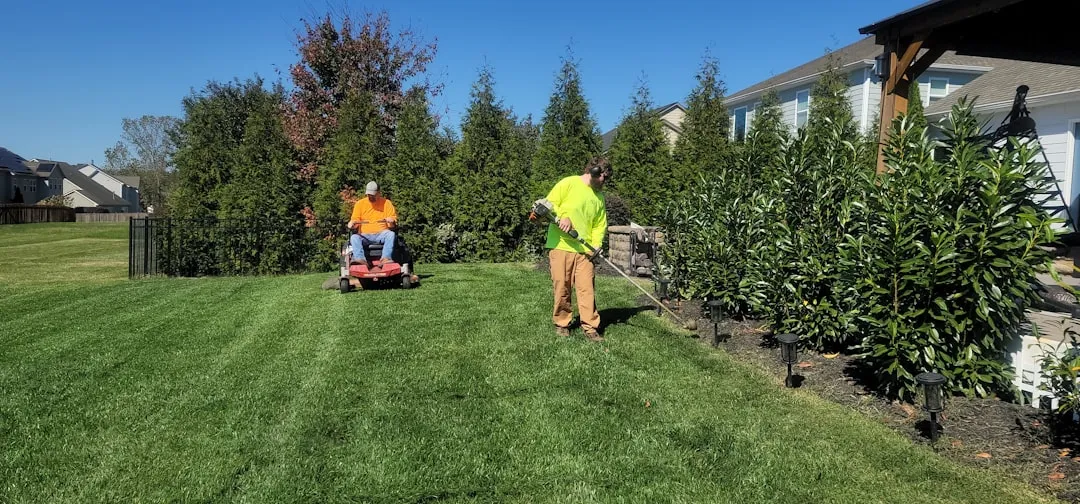
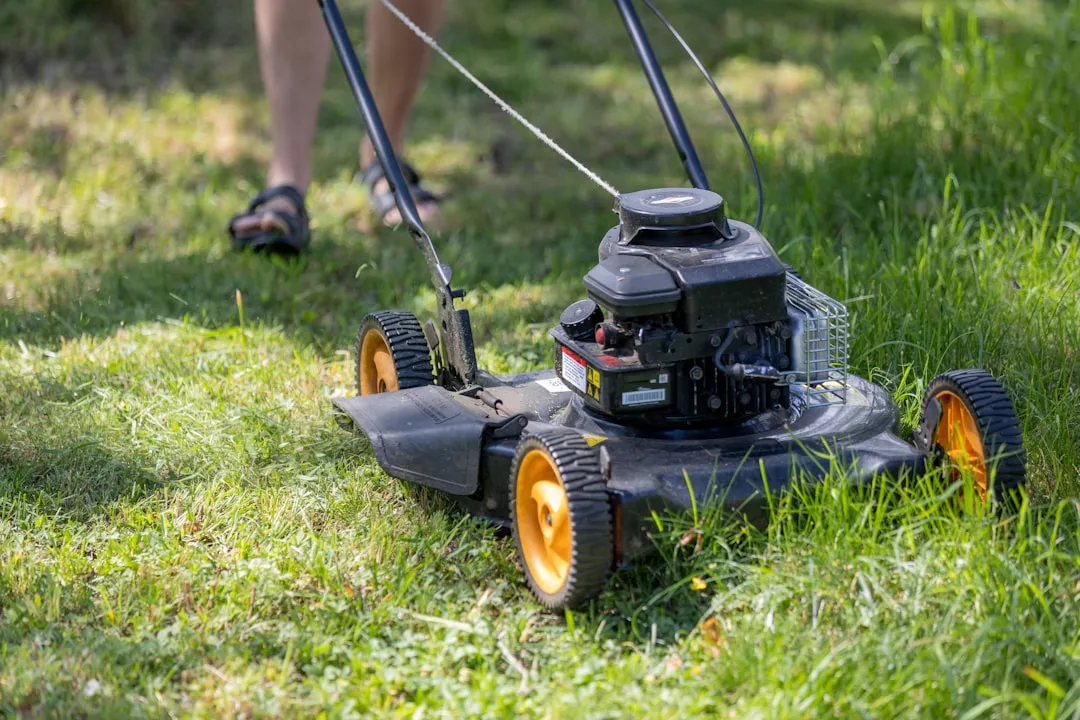
Experts say you should never cut grass in the same direction every time. There is a correct technique to ensure healthier, greener grass. Repeating the same pattern presses the grass blades flat and can create ruts over time.
For the first week, cut your lawn horizontally from left to right, while on the second week you should mow diagonally from bottom left to right. The third week, mow vertically, and the fourth, diagonally from right to left.
A survey referenced by Tom’s Guide found that well over half of American homeowners make this exact mistake. It sounds almost too simple, yet rotating your mowing pattern consistently produces noticeably greener, more upright turf over a growing season.
Letting Clippings Clump and Sit
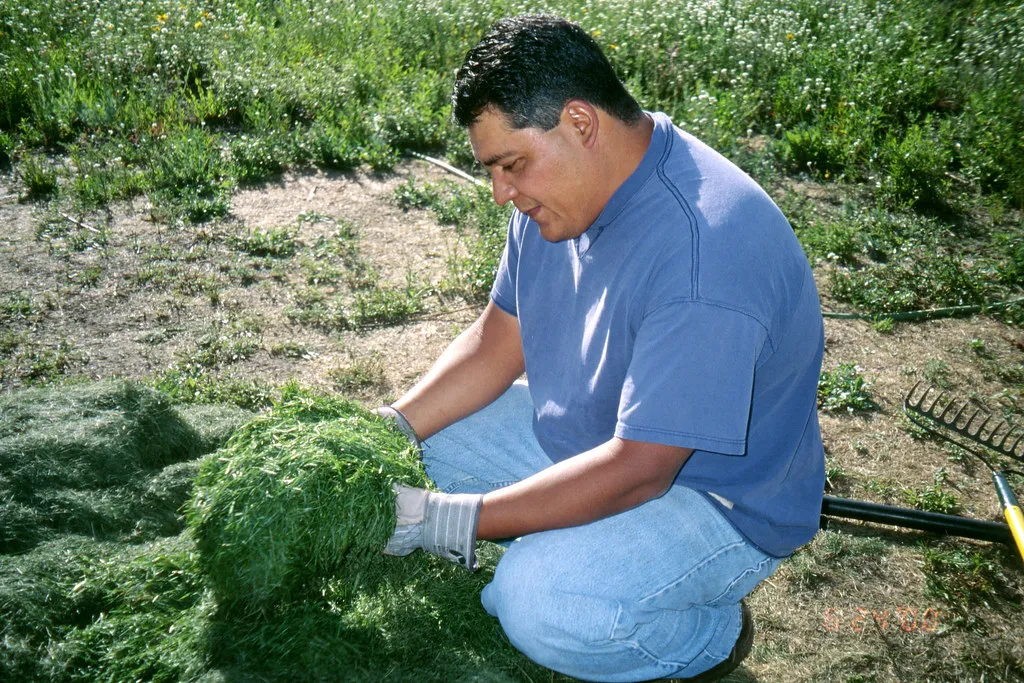
Always make sure clippings are spread evenly or remove large clumps after mowing. Using a lawn mower with a mulching blade can help break clippings into fine pieces that disappear quickly into the turf. It’s a small habit that makes a big difference.
Many beginners fail to utilize the benefits of grasscycling, which means mulching grass clippings back into the lawn. Grass clippings are a valuable source of nutrients, returning nitrogen and other essential elements to the soil.
New homeowners often bag everything out of habit or tidiness instinct. Leaving finely chopped clippings on the lawn is actually a free, low-effort fertilizer application. The key word is “finely chopped.” Thick mats of wet clippings, left in clumps, will smother the grass underneath.
Using Dull Mower Blades
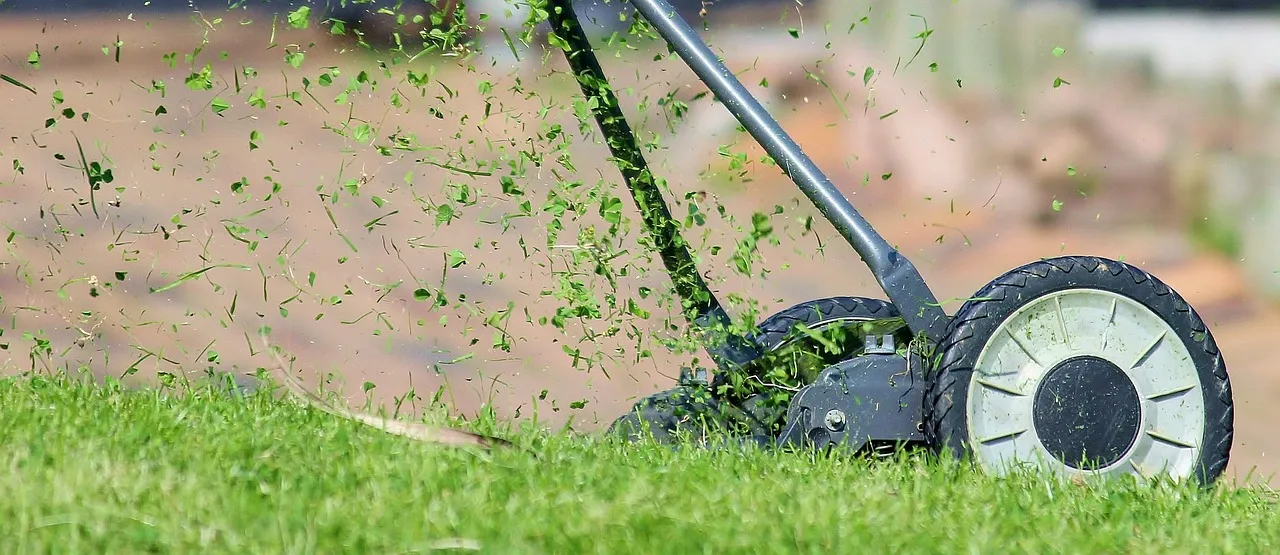
A frequent mistake is neglecting mower blade maintenance. Dull blades rip and tear the grass blades rather than making a clean cut. This jagged damage creates entry points for diseases and pests, leading to a brown, unhealthy appearance.
Dull blades don’t really cut; they just tear at your grass, stressing it out. Since the blades aren’t cleanly slicing through the grass, your lawn becomes more susceptible to various diseases.
Sharp blades ensure a precise cut, promoting quicker healing and minimizing stress on the grass plant. Most lawn professionals recommend sharpening mower blades at least once a season, or after roughly every 25 hours of use.
Fertilizing Without Testing the Soil First
Ignoring the underlying soil structure and chemical makeup is perhaps the most costly long-term mistake. Soil is not a universal medium. Without a soil test, homeowners blindly apply nitrogen, phosphorus, and potassium, often over-applying.
Testing your soil every two or three years is the best way to know when and how much fertilizer your grass needs. It will help you determine nutrient deficiencies and excesses, so you won’t pay for or apply fertilizer you don’t need.
Fertilizing too infrequently can leave grass undernourished, while overfertilizing can burn your grass and increase the risk of nutrient runoff. Both extremes are visible to anyone walking past. A soil test from your county extension office typically costs only a few dollars and removes all guesswork.
Ignoring the One-Third Mowing Rule After a Long Gap
The second major mowing mistake is not the exact height, but the interval between cuts. Long gaps followed by severe reductions stress the turf even when the final height falls within recommended ranges.
Extension research from Rutgers University demonstrates that removing more than one-third of the leaf blade at a single mowing shock-loads the plant’s energy balance and reduces root growth for several days. Repeating this pattern weakens turf over the season.
Long intervals between mowings lead to removing more than one-third of the blade at a time, which shocks the grass and leaves brown stems exposed. It’s one of the clearest visual signs of an irregular care routine, and it shows in the lawn’s color for days after.
Skipping Seasonal Height Adjustments
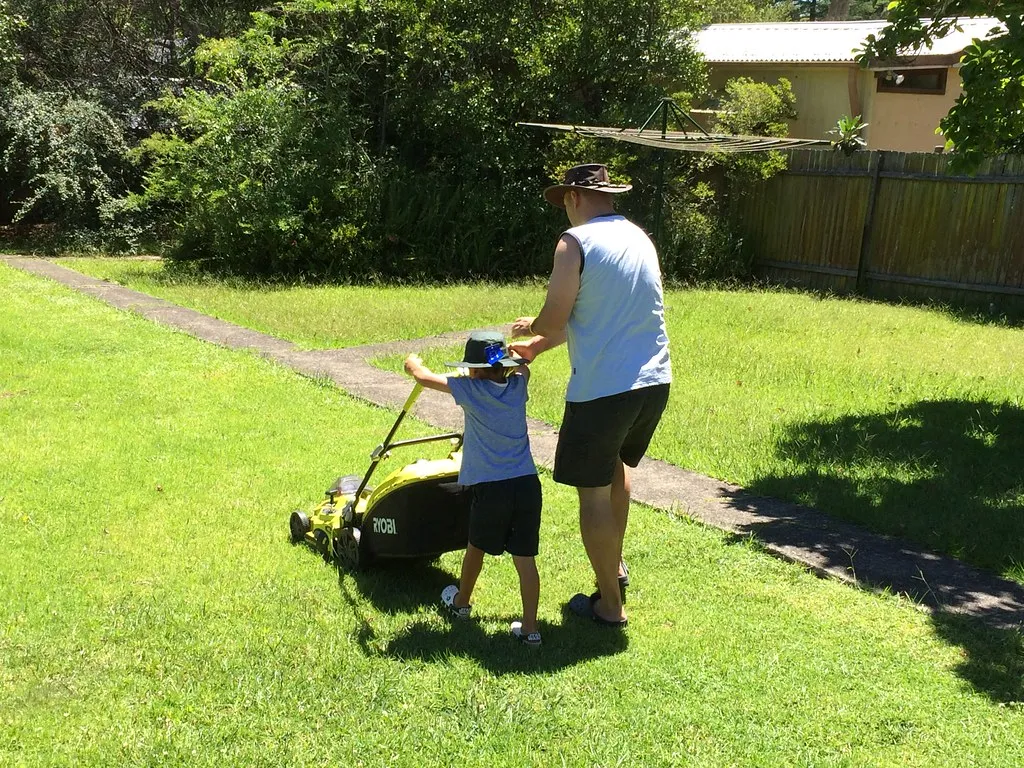
Maintaining a consistent mowing height throughout the growing season can be detrimental. Adjusting the mowing height based on the season allows the grass to adapt to changing weather conditions. During hotter months, slightly raising the cutting height provides shade to the soil, helping to retain moisture and prevent the grass from drying out.
Taller grass means a healthier lawn. It shades the soil surface, keeps the soil from drying out, and reduces watering needs. Shaded soil also makes it harder for weeds to get started.
New homeowners tend to set the mower deck once and leave it there. Experienced ones tweak it with the seasons. The difference between a lawn mowed at two inches in August versus one mowed at three and a half inches is often the difference between brown patches and green ones. It’s that direct.
Leaving Debris to Accumulate
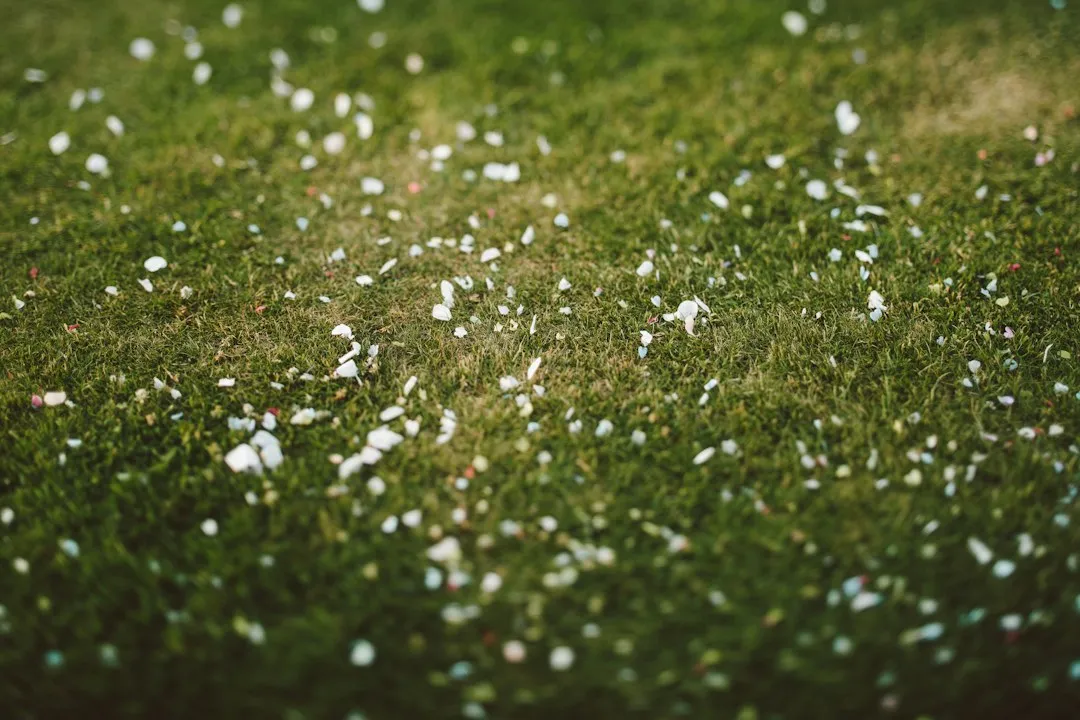
Fallen leaves and yard debris might seem harmless, but leaving them on your lawn for too long causes real problems. They block light and air from reaching the grass, creating damp, dark conditions where disease and pests thrive. Regular leaf clean-up keeps your lawn breathing freely.
Many homeowners focus solely on watering and mowing but overlook the health of their soil. Compacted, nutrient-deficient soil can lead to poor grass growth, excessive weeds, and water runoff. Debris accelerates that compaction and creates an uneven surface over time.
The seasonal timing of this matters more than people realize. A thick mat of wet leaves sitting on the lawn through early winter can leave dead, matted patches that take weeks to recover in spring. Clearing debris regularly isn’t just tidiness. It’s active lawn protection.
Treating Lawn Care as a One-Time Project
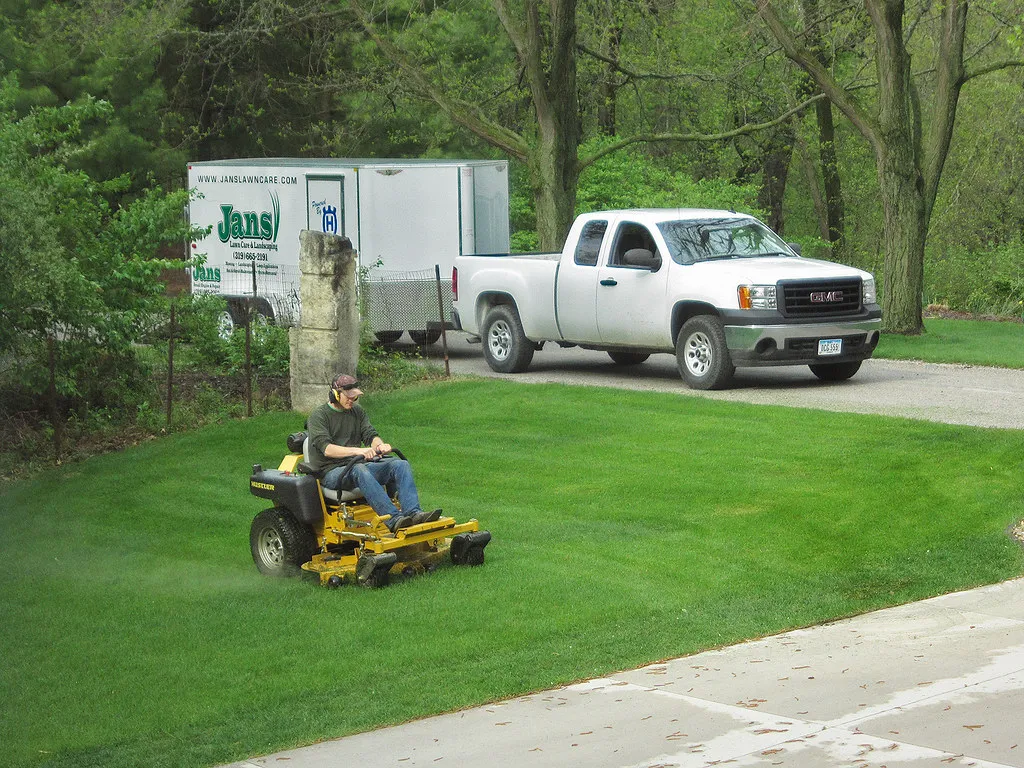
Lawn care behaves like fitness, not like painting a room. One hard weekend cannot replace consistent, appropriately timed actions. When beginners view lawn care as a single spring cleanup followed by neglect, several predictable problems appear.
According to Michigan State University Extension, irregular mowing, inconsistent watering, and infrequent fertilization all weaken turf density, which in turn increases weed pressure and disease severity. Gaps in the canopy give annual weeds like crabgrass and goosegrass the exact space and light they require.
Extension research from universities across the country consistently demonstrates that when homeowners align their practices with their grass type, local climate, and soil conditions, turf performance improves sharply without dramatically increasing time or cost. A few key shifts, such as maintaining correct mowing height, following the one-third rule, and performing a soil test every two to three years, resolve a majority of chronic lawn issues.
What It Actually Takes to Fit In
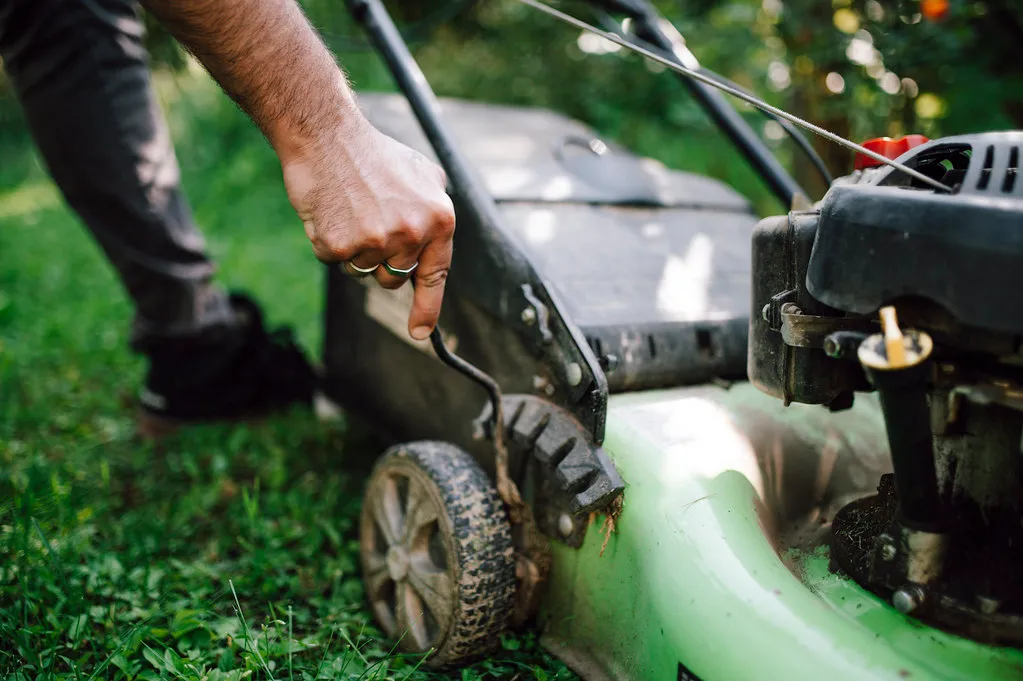
The habits that signal “new to the neighborhood” aren’t embarrassing. They’re just habits that haven’t been corrected yet. Every experienced lawn keeper went through the same learning curve. The difference is simply that they’ve already made these mistakes, felt the consequences, and adjusted.
None of the corrections require expensive equipment or professional intervention. They require a bit of timing awareness, the willingness to test the soil rather than guess, and the discipline to mow on a regular schedule rather than whenever the grass looks too long. Small, consistent actions produce results that one big, enthusiastic weekend never will.
The lawn that fits quietly into a neighborhood isn’t necessarily the greenest one on the block. It’s the one that looks steady. That steadiness comes from routine, not effort. And that’s something any new homeowner can build, one season at a time.
AI Disclaimer: This article was created with the assistance of AI tools and reviewed by a human editor.