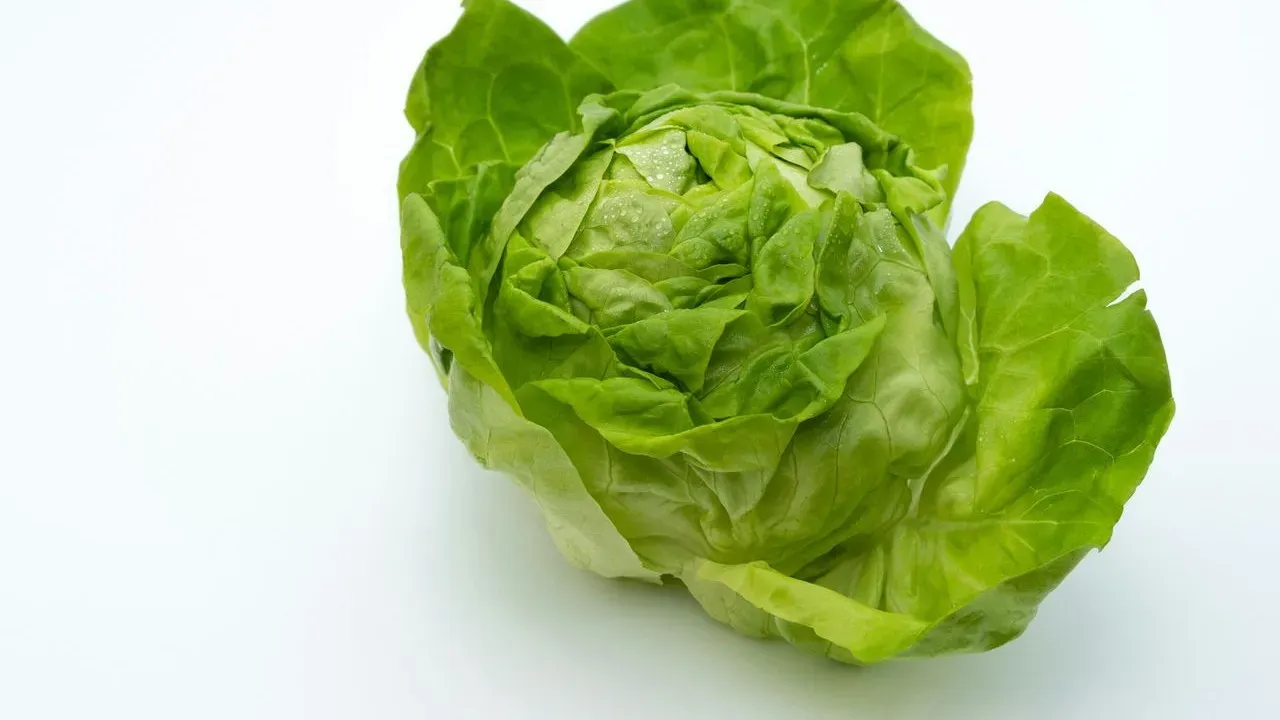

The Centers for Disease Control and Prevention declared the summer Cyclospora outbreak over on September 11, yet grocery data reveal that consumer caution around fresh lettuce and related products has not fully eased. Mexican iceberg lettuce linked to the contamination was pulled from shelves in July after more than 12,000 illnesses were reported across 21 states. Retailers now face the harder task of restoring confidence in an entire produce category rather than simply removing one recalled item ([1]).
Timeline of the Outbreak
The contamination surfaced during peak summer months when fresh salads feature prominently in many households. Health officials traced the source to imported iceberg lettuce and moved quickly to issue the recall. By early September the CDC determined that the contaminated supply was no longer in circulation, closing the active phase of the investigation. Even with the official end date, the episode highlighted how quickly a single product issue can affect broader purchasing patterns. Shoppers who encountered news of the outbreak often generalized their concern to all leafy greens and prepared salads on store shelves.
Measured Sales Declines
Receipt analysis from Fetch Data, covering $212 billion in transactions, documented clear shifts during the height of the outbreak. National fresh lettuce sales dropped 9 percent. Salad mixes fell 23 percent and salad kits declined 27 percent in the two weeks that followed the initial recall announcements. Some households redirected spending toward other vegetables and frozen produce, which posted a 17 percent sales increase in the same period. The data indicate that consumers continued to shop for groceries but altered their choices within the produce aisle and beyond.
Ripple Effects Across the Store
A single head of lettuce rarely stands alone in a shopping basket. When customers decide to skip salad ingredients, they often forgo tomatoes, dressing, cheese, or proteins that complete the meal. Retailers therefore absorb losses that extend well beyond the margin on the recalled item itself. Kroger reported that the outbreak trimmed its identical-sales growth by roughly 35 basis points for the quarter. The figure illustrates how a food-safety event can register on corporate earnings even after the physical product has been removed from inventory.
Outlook for Recovery
The CDC has stated that the contaminated lettuce is no longer available in stores or restaurants, reducing the immediate health risk. The remaining uncertainty centers on how rapidly shoppers revert to earlier buying habits. A swift rebound would frame the episode as a short-term disruption. Persistent hesitation, whether tied to lingering questions about oversight or simple habit change, could produce longer-term adjustments in demand. Growers, packers, and retailers are watching weekly sales figures closely to gauge whether the category stabilizes or requires sustained promotional and communication efforts to regain ground.
AI Disclaimer: This article was created with the assistance of AI tools and reviewed by a human editor.