
The Everyday Habit Making It Worse
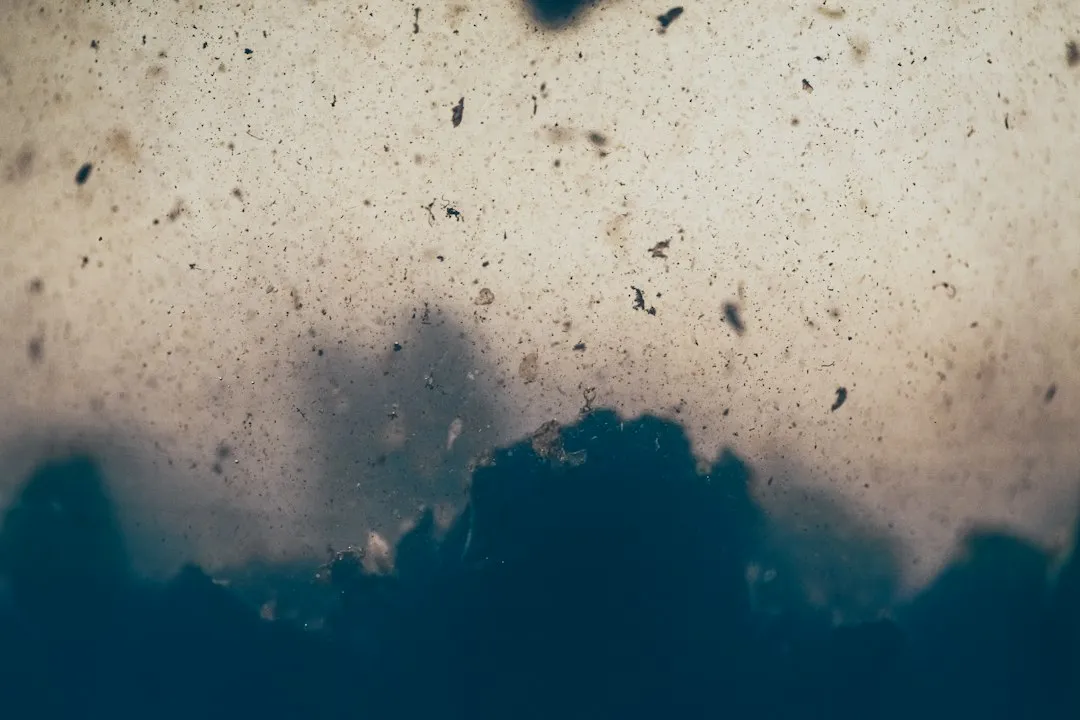
The habit in question isn’t dramatic. It’s simply adjusting your blinds without ever cleaning them first. Every time you open or close the blinds, you can disturb accumulated particles, sending them back into the air you breathe. This happens dozens of times a week in most homes, and barely anyone thinks twice about it.
Fine particles released from blinds when they move – whether from a breeze, air conditioning, or simply raising and lowering them – become airborne again and can be inhaled. For most people this goes unnoticed, but for those with allergies, asthma, or sensitivities, it can contribute to symptoms like sneezing, congestion, or irritated eyes, particularly in rooms where blinds are used frequently.
Why Blinds Collect So Much Dust

The problem is twofold: accumulation and material off-gassing. Blinds with rough textures or many small slats, like some traditional fabric blinds, act like magnets for airborne particles. Dust mites thrive in these environments.
Fabric window treatments with textured surfaces or multiple folds create countless spaces where dust and allergens can hide. Heavy drapes and curtains act like magnets for airborne particles, and their porous materials make it difficult to remove allergens completely, even with regular cleaning.
Blinds collect dust, dirt, and allergens faster than most people realize. The horizontal orientation of traditional Venetian blind slats is particularly problematic since gravity does the work of settling particles right onto the surface.
What’s Actually Hiding in That Dust

Dust is not a singular substance, but rather a complex mixture of particles. Common components include dead skin cells, which human skin sheds continuously, textile fibers from clothing and upholstery, and pet dander, which consists of microscopic flecks of skin shed by animals.
Over weeks and months, this builds into what’s effectively a reservoir of dust mites, pollen, pet dander, and, in humid conditions, potential mould spores. It collects silently, layer by layer, until the blind is doing almost the opposite of what a clean home requires.
The Dust Mite Problem on Blinds
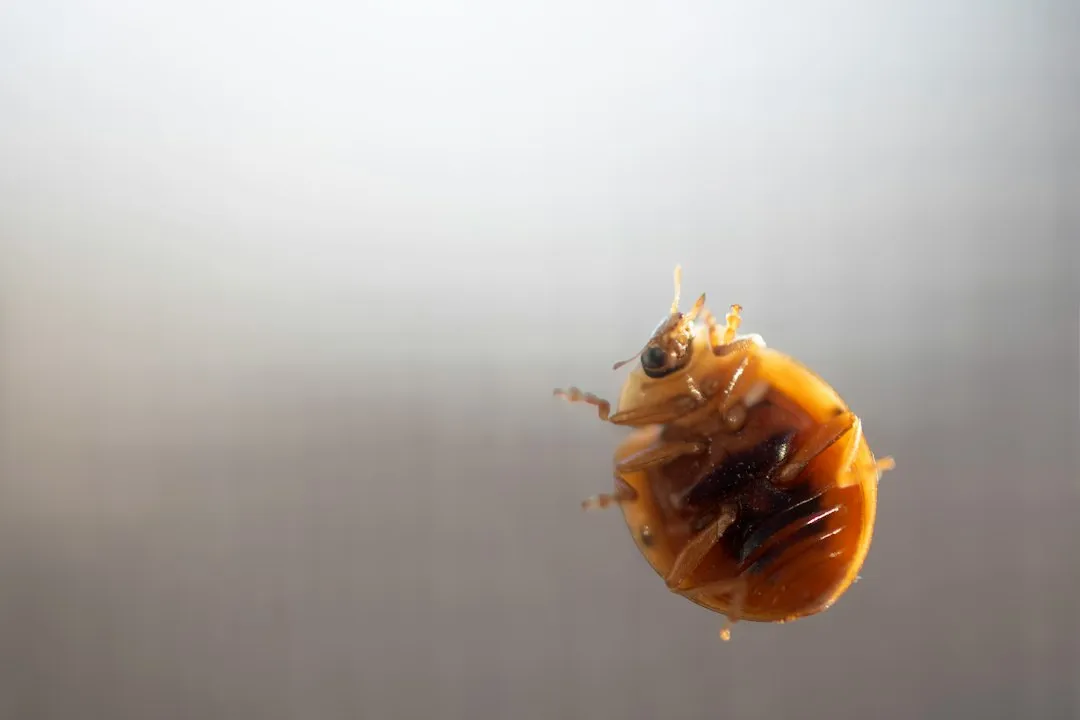
Dust mites are microscopic arachnids that feed on dead skin flakes from humans and pets. They thrive in warm, humid environments and particularly love fibrous materials where food and moisture are abundant. Unfortunately, this makes many window treatments a potential habitat.
Dust mites and pollen accumulate on horizontal surfaces, triggering allergy symptoms. Fabric blinds and Roman shades with their deep folds are especially welcoming territory. Dust mites thrive in humidity above fifty percent, so keeping indoor humidity levels between thirty and fifty percent helps discourage their growth.
How Infrequent Cleaning Compounds the Problem
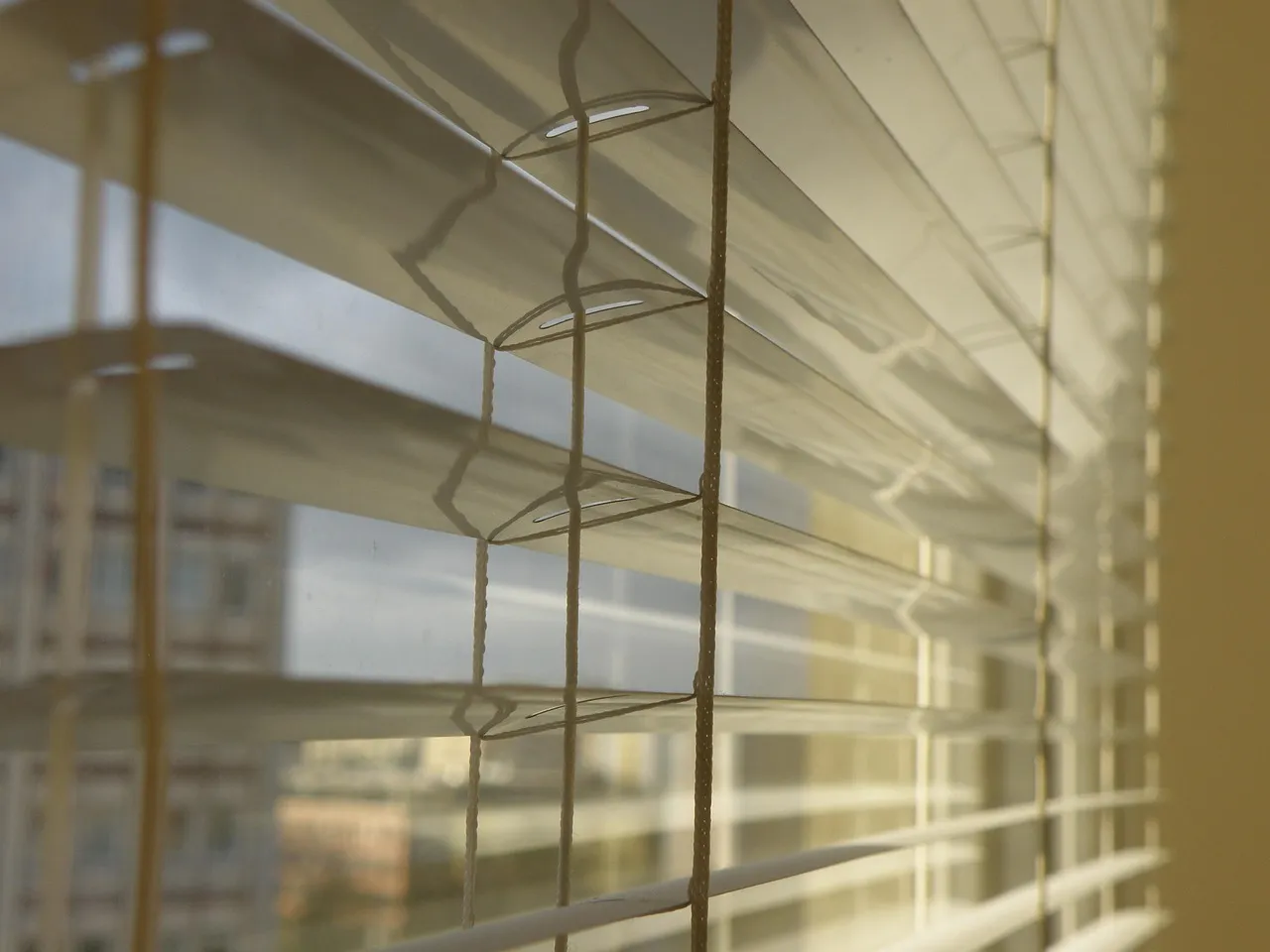
It is inevitable that blinds eventually start gathering dust, and sometimes you only realize you need to clean your blinds when there is a thick layer of dust accumulated on them. By that point, the allergen load is already significant.
For general maintenance, experts recommend dusting or lightly cleaning your blinds every one to two weeks to prevent buildup. Deep cleaning should be done every two to three months, depending on material and environmental factors. Most households fall far short of that schedule.
Homes with pets, allergies, or high dust exposure may require more frequent cleaning. Yet those are often the exact households where the blinds get touched the most and cleaned the least.
The Health Consequences Are Real
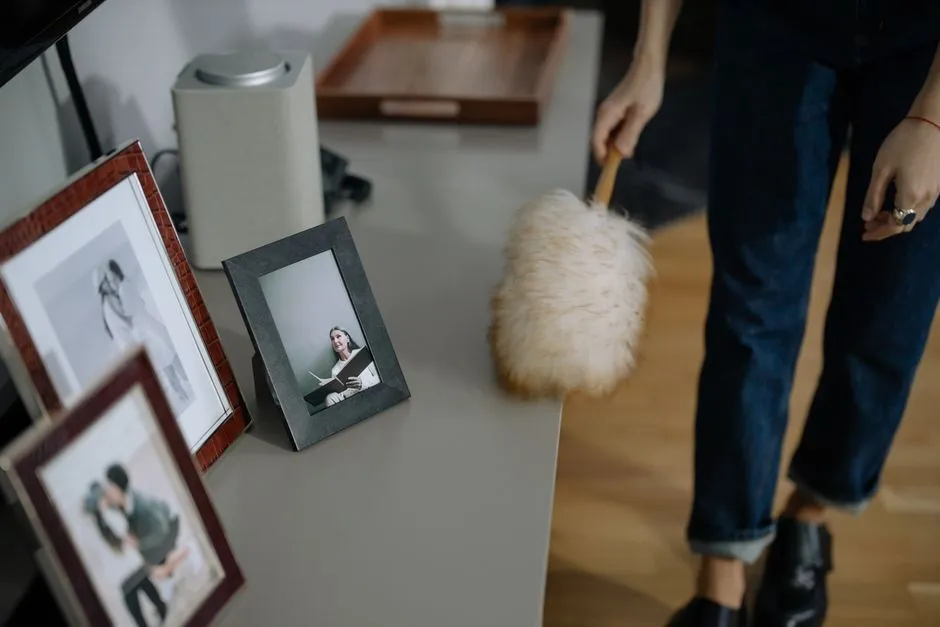
In the short term, dust can cause lung irritation, allergies, and asthma. Longer term, some chemicals found in dust are linked to diabetes, various cancers, reproductive problems, and other serious health problems. That’s a heavy toll for something most people treat as a minor nuisance.
Dust and dust mites are among the top asthma triggers, and fatigue and headaches can result, especially if dust is mixed with mold spores or VOCs. Individuals with COPD or compromised immune systems may see their symptoms intensify.
Children, the elderly, and people with pre-existing conditions are particularly vulnerable to the effects of indoor dust. Their rooms are often those with the most blinds and, statistically, the least frequent cleaning.
Material Matters More Than Most People Think

Porous fabrics and complex structures trap dust, pollen, pet dander, and can even foster mold growth in humid conditions, constantly releasing these triggers into your air. The material your blinds are made from directly affects how much of this happens.
Hard surfaces like vinyl, composite, or faux wood are non-porous, making it difficult for dust and allergens to adhere. These materials are also resistant to moisture, which discourages the growth of mold and mildew, common triggers for allergies.
Vertical blinds rank near the top of the list for allergen-resistant window coverings, particularly in comparison to Venetian blinds, which have multiple individual slats that are absolutely prone to dust accumulation.
VOCs: The Other Hidden Problem

Some blind materials can release Volatile Organic Compounds (VOCs), which can irritate the respiratory system and worsen allergy or asthma symptoms. This is less talked about than dust, but it adds another layer of concern for sensitive households.
Many homeowners concerned about allergies also look for low VOC and GREENGUARD certified window treatments that support healthier indoor air quality. Certification programs like GREENGUARD exist precisely because off-gassing from indoor materials is a documented issue, not just a marketing concern.
What Actually Works for Prevention
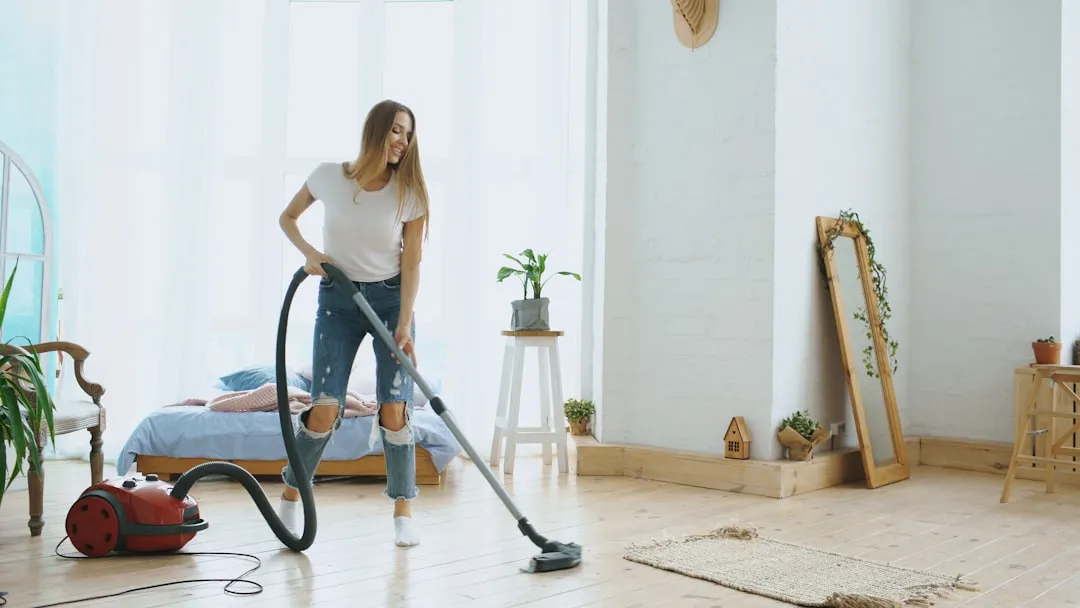
Hard-surface blinds collect less dust than fabric curtains, and cellular and roller shades trap fewer allergens when cleaned on schedule. A weekly dusting or vacuuming with a brush attachment prevents allergens from spreading.
Vacuuming with a HEPA filter is particularly effective, as these filters are designed to capture 99.97 percent of airborne particles as small as 0.3 microns, including dust mites, pollen, pet dander, and mold spores.
A full wipe-down with a mild cleaning solution every two months removes the layer of grime that dusting alone leaves behind. It takes less time than most people expect and makes a measurable difference in what’s circulating in your air.
Smarter Choices Going Forward
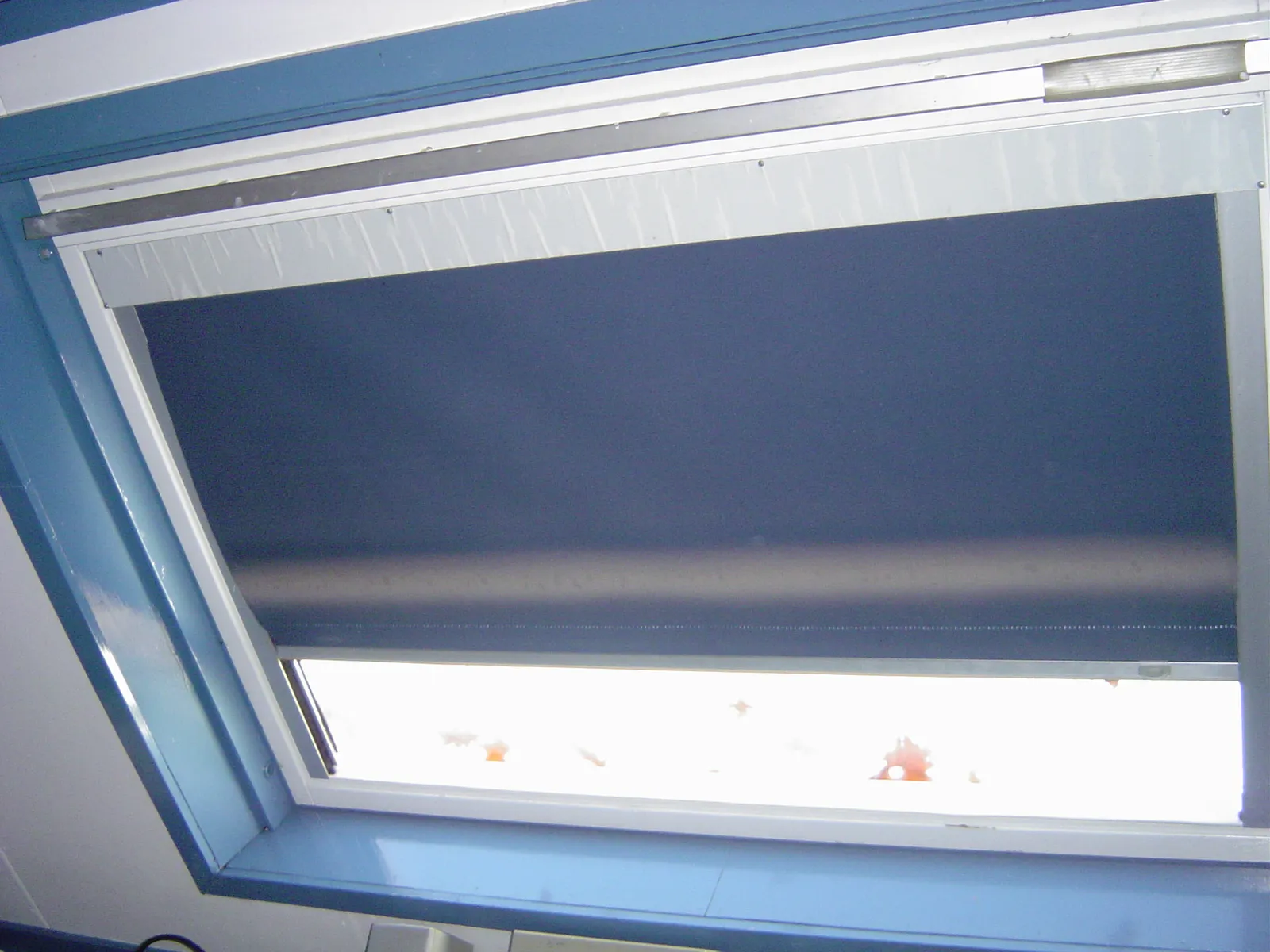
The cleanest window treatments for minimizing dust and allergens are generally smooth, non-porous materials like roller blinds and aluminum Venetian blinds, particularly those with anti-static properties, as they deter dust accumulation and are exceptionally easy to wipe clean.
Roller shades offer an added practical advantage: dust can’t accumulate when the shades are rolled up. That’s a meaningful structural benefit that fabric alternatives simply can’t replicate. Using fabric softener sheets when wiping blinds after cleaning can also help, as their anti-static properties repel dust for longer.
The Takeaway
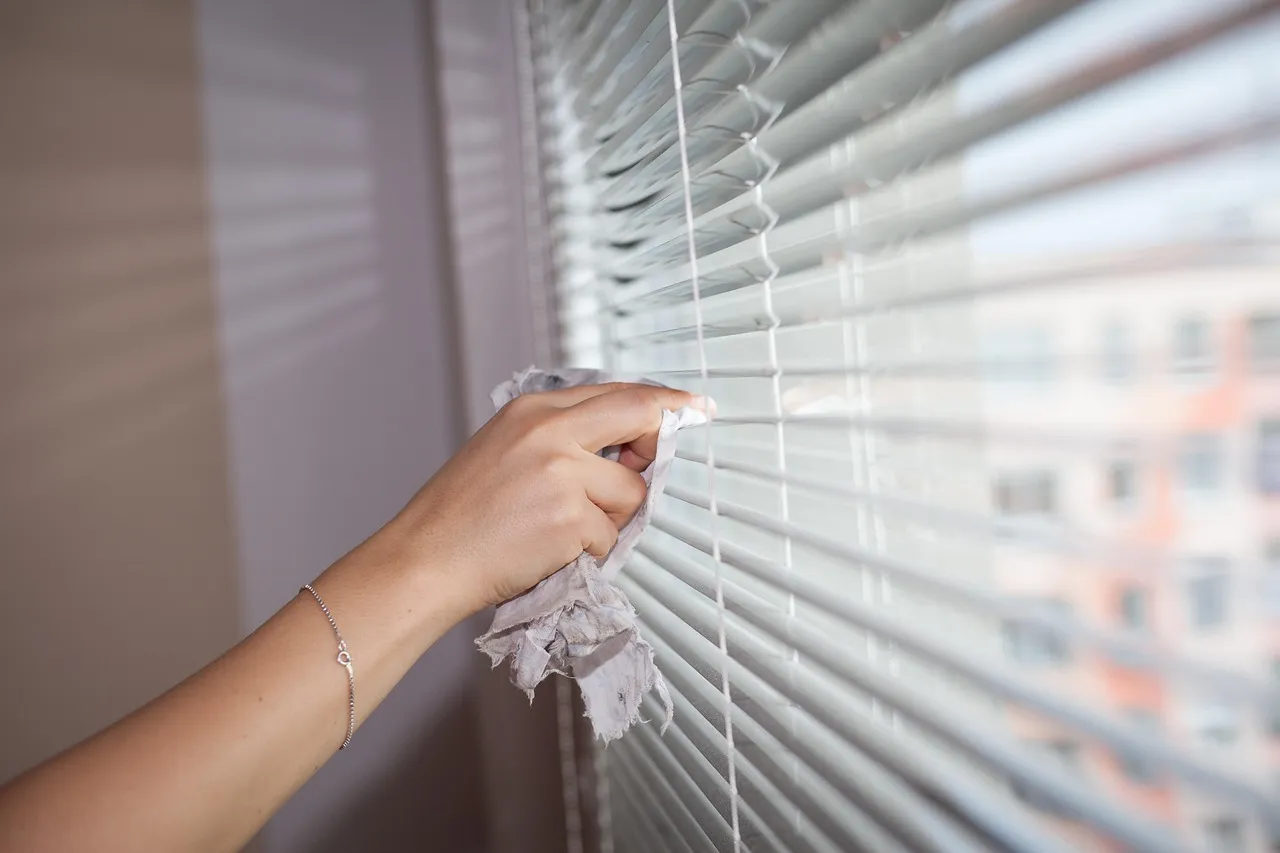
The window blind habit that’s quietly trapping dust and allergens isn’t one dramatic mistake. It’s the slow accumulation of small, unconsidered moments: adjusting the blinds without cleaning them, choosing materials based on aesthetics alone, and letting weeks turn into months between real cleanings.
Regular maintenance not only keeps blinds looking fresh but also improves indoor air quality and helps preserve the blinds over time. That’s a practical return on a modest investment of time.
The air inside your home is shaped by habits you might not even realize you have. Window blinds are a small but surprisingly consequential piece of that picture. Knowing what’s building up on those slats – and what gets released into the room every time you reach for the cord – is the kind of detail that actually changes behavior.
AI Disclaimer: This article was created with the assistance of AI tools and reviewed by a human editor.