
Something shifts the moment a baby arrives. It’s not just the sleep schedule or the new priorities. It’s the sudden, almost visceral awareness of how much stuff is in the house, and how little of it actually matters. Many new parents describe a quiet but urgent impulse to clear out, pare down, and breathe easier in their own space.
This isn’t a passing phase or a lifestyle trend borrowed from social media. Research continues to confirm what exhausted parents feel instinctively: the environment around them directly shapes how they feel, how they cope, and how their children develop. Here’s why so many new parents are choosing less.
1. Clutter Raises Stress Hormones, Literally
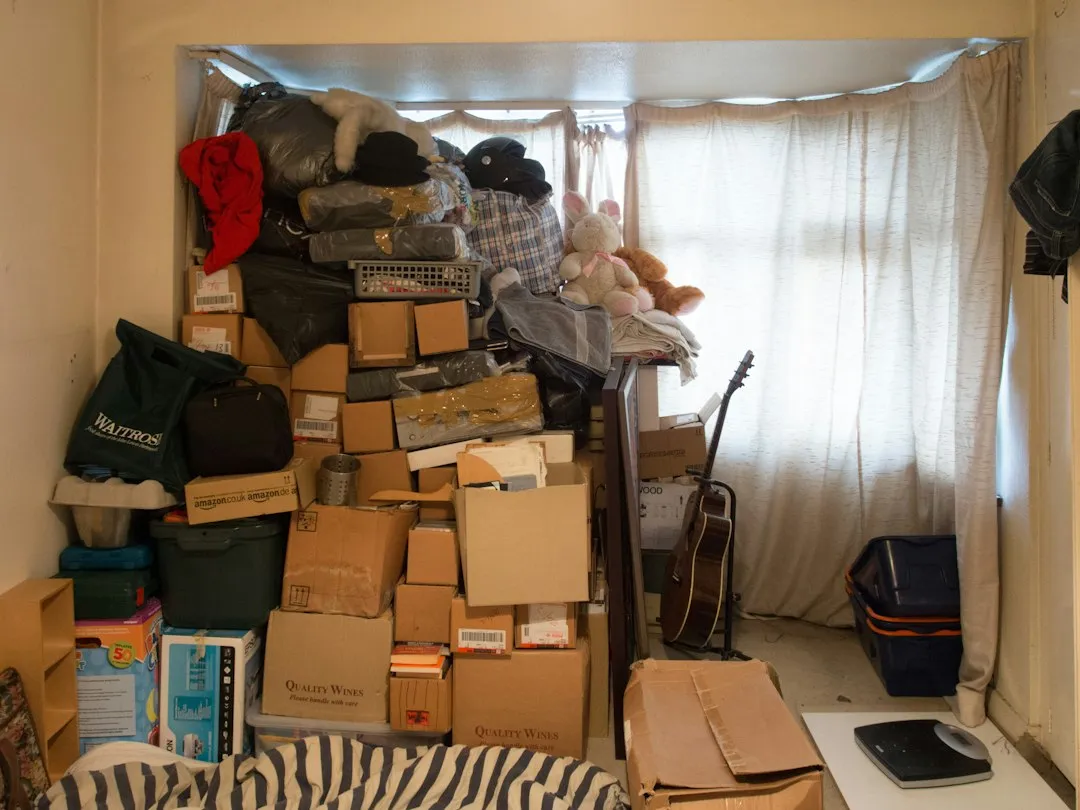
A study by UCLA’s Center on Everyday Lives of Families observed 32 middle-class families and found that mothers’ stress hormones spiked specifically during the moments they were dealing with their belongings. Using saliva swabs, researchers found consistent increases in cortisol, the hormone most associated with the human stress response.
Research has confirmed that individuals, particularly mothers, experience high cortisol levels when surrounded by disorganization. For a new parent already managing sleep deprivation and a thousand small decisions, a cluttered home adds a measurable physiological burden on top of everything else.
Clutter can have a significant impact on mental health, contributing to feelings of anxiety, stress, and overwhelm. When you live in a cluttered environment, it can be challenging to focus and process information, leading to cognitive overload. That’s a real cost when your mental bandwidth is already stretched thin.
2. Sleep Deprivation Makes Every Object Feel Like a Problem
Research from a 2025 Bounty UK study found that sleep challenges persist well beyond the newborn phase, with over half the respondents having babies older than twelve months. That means the fog lasts far longer than most first-time parents expect.
More than half of parents surveyed said lack of sleep has negatively affected their relationship with a partner, with exhaustion fueling irritability, emotional withdrawal, and reduced communication. When you’re running on empty, a messy kitchen counter or a living room scattered with gear isn’t just untidy. It registers as another thing to deal with.
One of the most overlooked psychological effects of clutter is distraction. Clutter causes our brains to shift into a kind of multitasking mode, which is incompatible with real focus. In that state, a simpler home starts to feel less like a preference and more like a necessity.
3. The Sheer Volume of Baby Gear Is Overwhelming
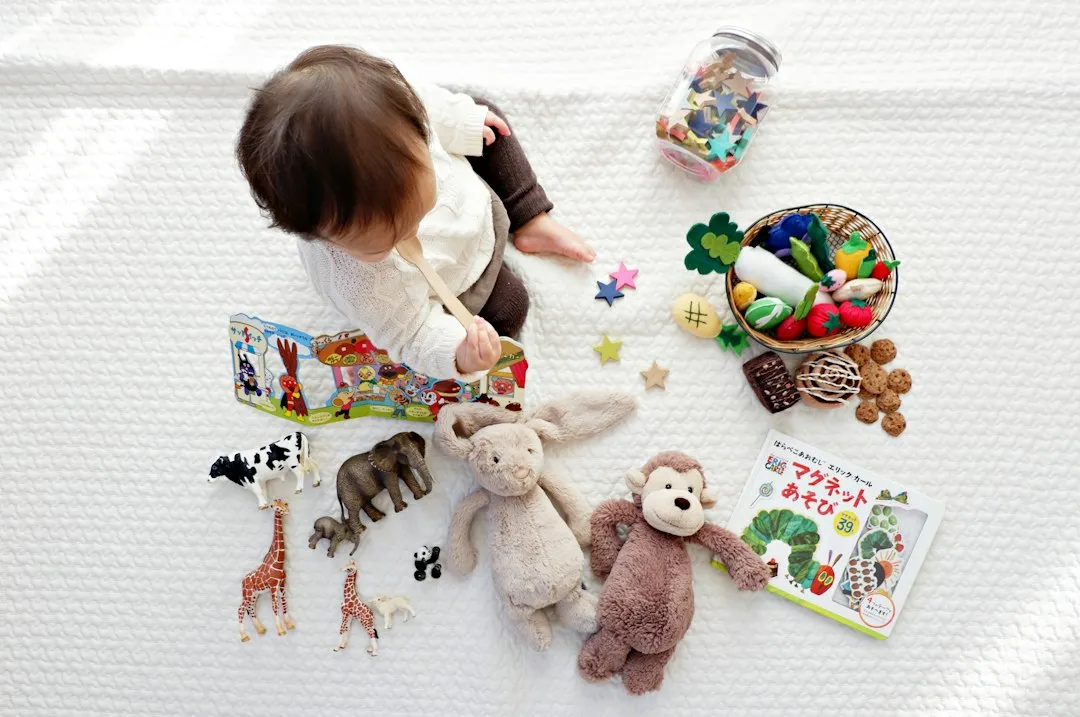
A recent study found that the average American home contains over 300,000 items. Add a newborn to that equation, and the number climbs fast. Baby bouncers, swings, nursing pillows, play mats, bottle warmers, and three different kinds of pacifiers can fill a room before the first month is out.
Kids need things, but they grow out of their toys, clothes, and furniture so quickly. Families can be left struggling with clutter, as seen on decluttering shows like BBC One’s Sort Your Life Out, where families wade through large amounts of toys and children’s clothes.
Many American families realize that excess clutter makes their homes more crowded and challenging to organize properly. For new parents who already feel like time is gone, managing a home packed with gear they barely use becomes its own source of friction.
4. A Cluttered Home Affects Children’s Development Too
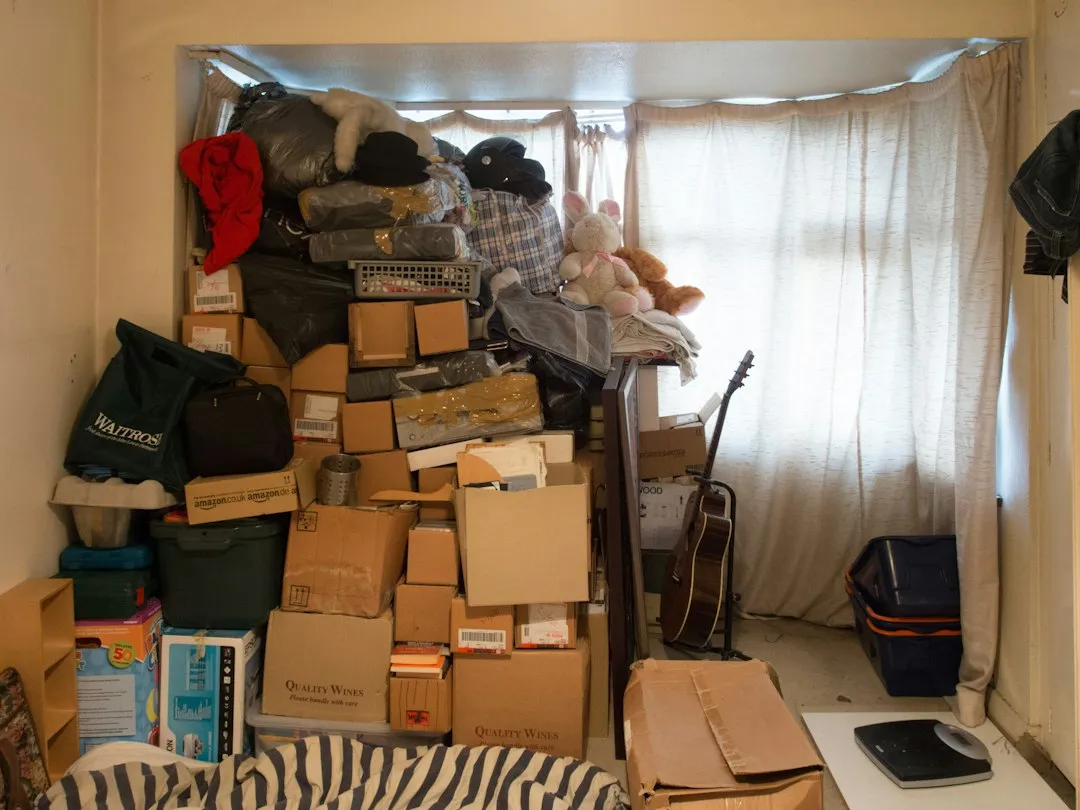
Research from the National Institute of Mental Health found that children raised in chaotic, cluttered environments show more signs of learned helplessness, the belief that nothing they do will change their environment. That’s a sobering finding for parents who want to give their child the best possible start.
A related twin study found that kids who do better in school tend to come from quieter, more organized homes with predictable routines, regardless of income level. The implication is clear. A calmer home isn’t just more pleasant. It actively supports a child’s growth.
Chronic clutter or chaotic environments can raise stress hormones, hinder focus, and reduce a child’s sense of safety. By simplifying spaces, setting gentle routines, and modeling calm behavior, parents create homes that nurture emotional stability and confidence.
5. Too Many Toys Actually Shortchange Kids
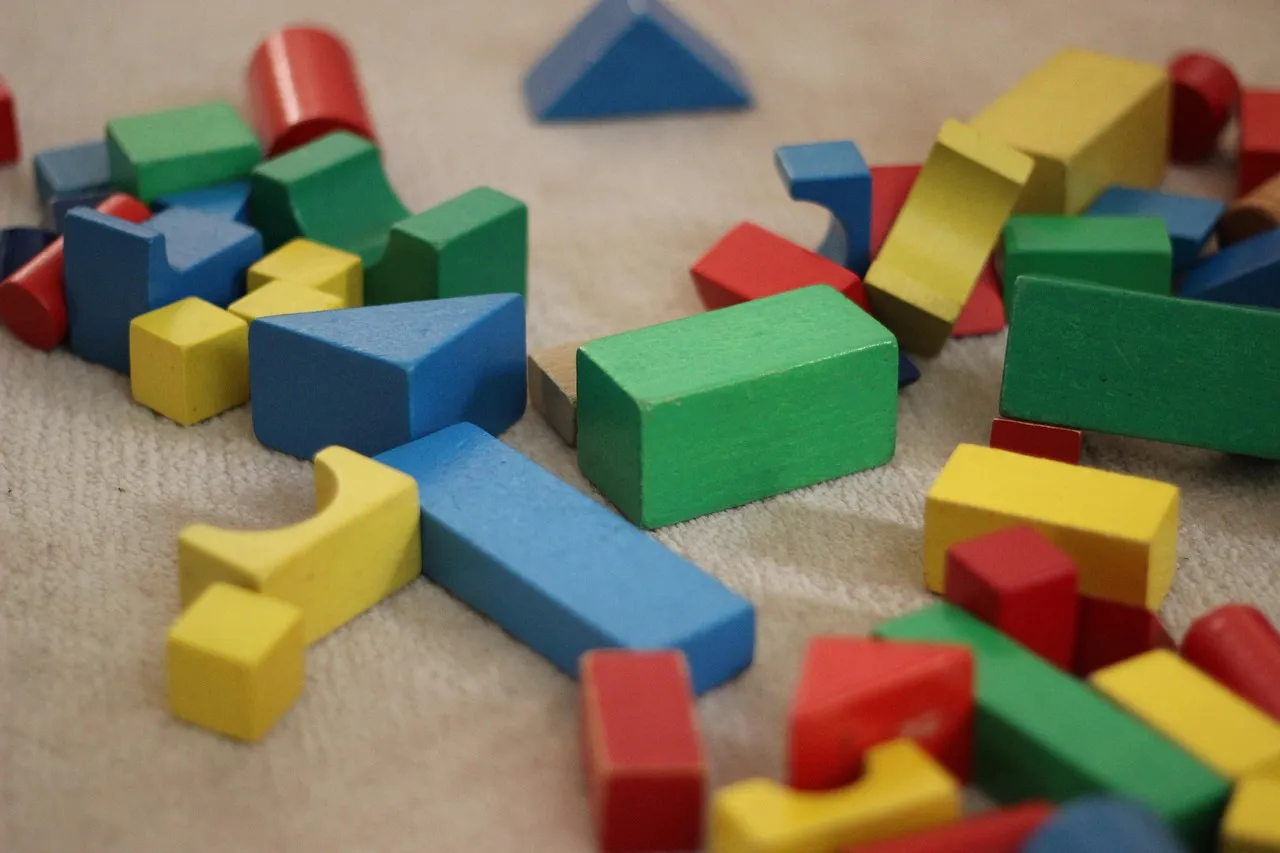
One recent study found that having too many toys can stifle a child’s creativity, shorten attention spans, and even hinder the development of essential life skills. That’s counterintuitive for parents who equate more toys with more opportunity, but the evidence points consistently in the other direction.
Studies have shown that kids play more deeply and creatively when they have less to choose from. The over-consumption of toys has led to rooms full of stuff that kids rarely touch, much less even know they’re there.
Parents are feeling overwhelmed with messy playrooms and kids feel overstimulated with the clutter. The toy rotation trend gained strong momentum in 2024, built on the concept of only having a small collection of toys out and available for kids to play with while others are packed away. Many families who’ve tried it report that engagement and focus both improve noticeably.
6. The Home Organization Industry Is Booming for a Reason
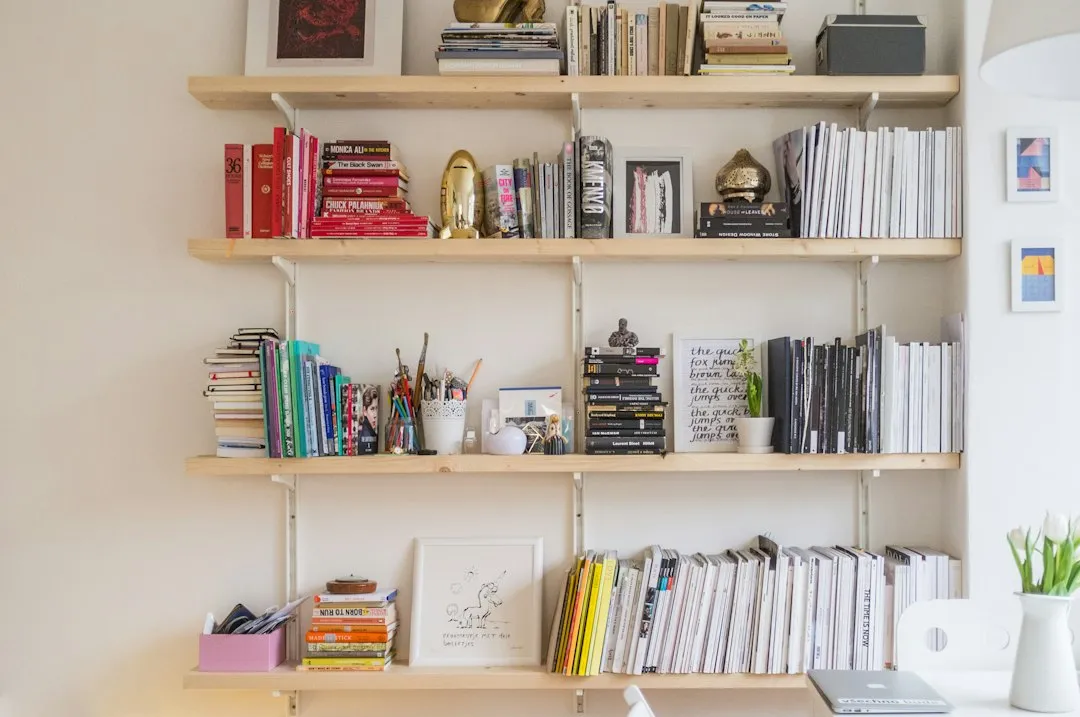
According to the Home Organization Products Market Study authored by Debadatta Patel, the home organization industry was valued at $14.8 billion in 2025, and its rate of growth keeps rising. That number doesn’t reflect a fad. It reflects a genuine and widespread need.
A 2024 survey conducted by Talker Research found that seven in ten Americans believe a clutter-free home helps create a more successful and productive year. For parents navigating their first or second year with a baby, that sense of control over their environment can feel surprisingly meaningful.
Experts point out the influence of wellness culture and changed lifestyles as the most prominent reasons why people choose home organizing. New parenthood, with its radical shift in how people spend time and what they value, tends to crystallize that pull toward intentionality.
7. Guilt and Consumerism Feed the Clutter Cycle

Research in the US has shown that we have “child-centered homes,” with children’s belongings spilling out into living rooms, dining rooms, kitchens, and even parents’ bedrooms. Parents purchase more for their children because they work more to maintain their quality of life and therefore feel guilty about not spending time with their children.
Feelings of guilt, and the deep-down awareness that material goods are a poor substitute for time together, add to depression and anxiety. So even without the physical clutter itself, participating too much in consumerism can affect mental health negatively.
Children and their parents are under ever-increasing pressure to buy more. Ads are stealthily embedded into online content and games. Kid influencers create videos of themselves unboxing new toys, piling on the pressure to purchase. Recognizing that cycle is often the first step toward stepping out of it.
8. Clutter and Relationship Strain Are Closely Linked
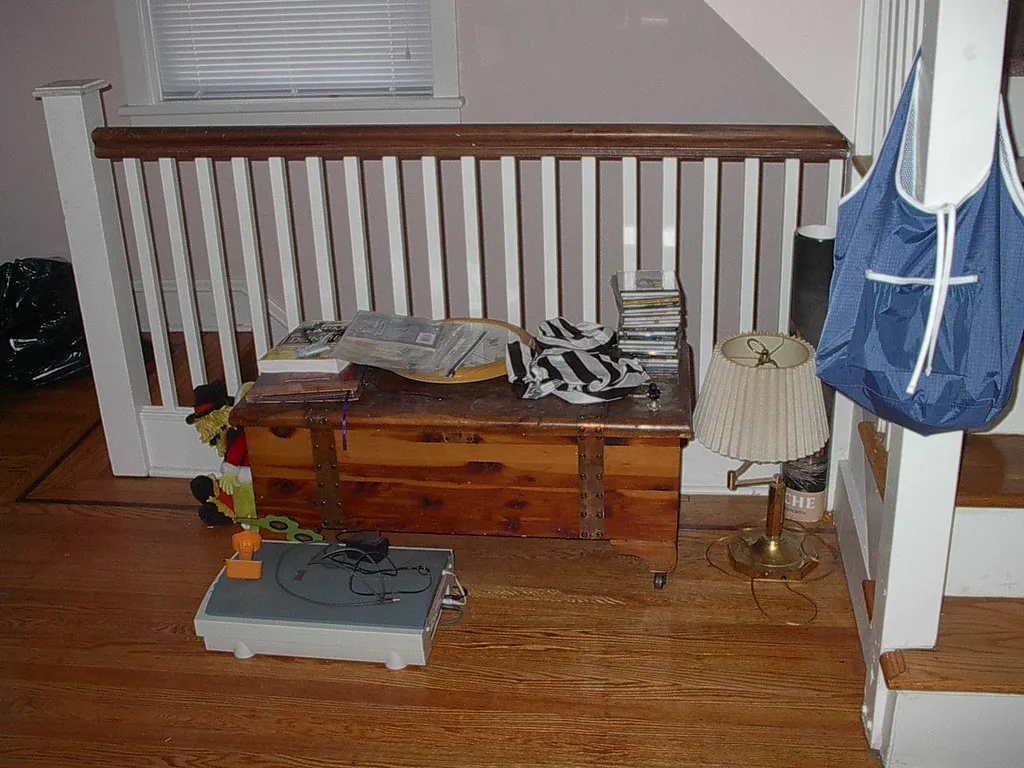
Studies from the International OCD Foundation show that clutter may increase conflict inside households. That’s particularly relevant for new parents, who are already navigating one of the most demanding transitions a couple can face together.
Clutter has been linked to two of the top five reasons for divorce, excessive arguments and financial problems. While correlation isn’t causation, the pattern is consistent enough that researchers take it seriously. A household stretched thin in every direction doesn’t need extra friction.
Fatigue can amplify tension, reduce empathy, and make communication harder, creating emotional distance in already demanding family routines. Sleep deprivation erodes patience and empathy, turning everyday interactions into emotional challenges. Clearing physical space can remove at least one layer of that tension.
9. Minimalism Shifts the Focus from Ownership to Experience
Younger generations increasingly crave experiences over ownership of items. Becoming a parent tends to accelerate that shift dramatically. Time with a newborn is irreplaceable, and every hour spent managing, sorting, or cleaning excess possessions is an hour that could have gone elsewhere.
By consuming less and making mindful purchases, minimalist parents contribute to a more sustainable future for their children. That environmental dimension resonates with many new parents who begin thinking more deliberately about the world their child will inherit.
The more we declutter, the better we get at it and the more aware we become of choosing what to keep, dump, and seek in our lives. A little empty space makes room for a new way of living that enables stronger relationships and a stronger sense of self through better physical and mental health.
10. Simplifying the Home Actually Feels Good, According to Research
Research shows that over 80 percent of individuals experience stress and anxiety directly related to clutter in their living spaces, while roughly 80 percent feel more motivated when their living space is not cluttered. The psychological relief of an organized home isn’t imaginary. It’s measurable.
Research in environmental psychology has shown that clutter can decrease productivity, increase irritability, and lower your overall sense of well-being. Flipping that equation, even partially, gives new parents a sense of agency in a season of life where so much feels out of their control.
Regular cleanups are not just about maintaining a tidy home but also about safeguarding a child’s mental health. By reducing clutter, parents create a calmer environment where a child can relax, focus, and feel less overwhelmed. For a parent who wants to do right by their baby without burning out, that’s a compelling reason to start small and keep going.
The Takeaway
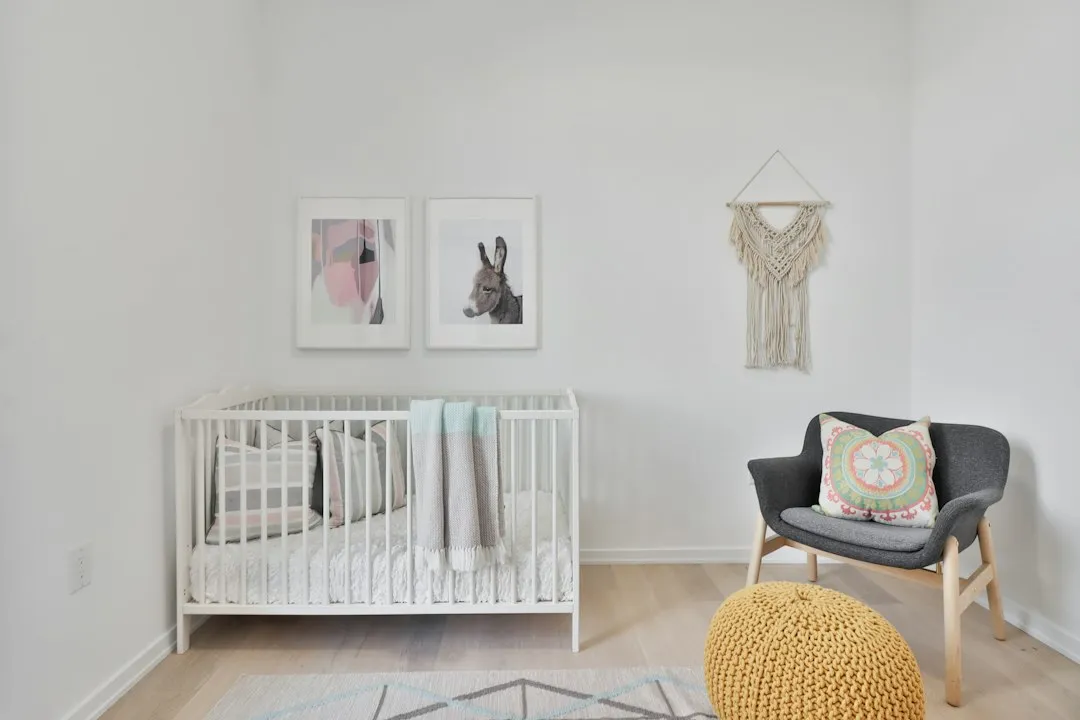
The pull toward a simpler home after having a baby isn’t nostalgia or a minimalist aesthetic phase. It’s a rational, well-supported response to a genuinely overwhelming set of new demands. Science backs it. Parents feel it. Children benefit from it.
New parenthood has a way of reordering what feels important almost overnight. The floor space, the quiet, the visible surfaces where nothing is piled high. These things stop being luxuries and start feeling like air. Sometimes the most meaningful thing you can do for your family is simply have less in the way.
AI Disclaimer: This article was created with the assistance of AI tools and reviewed by a human editor.