

The Number Doctors Keep Coming Back To
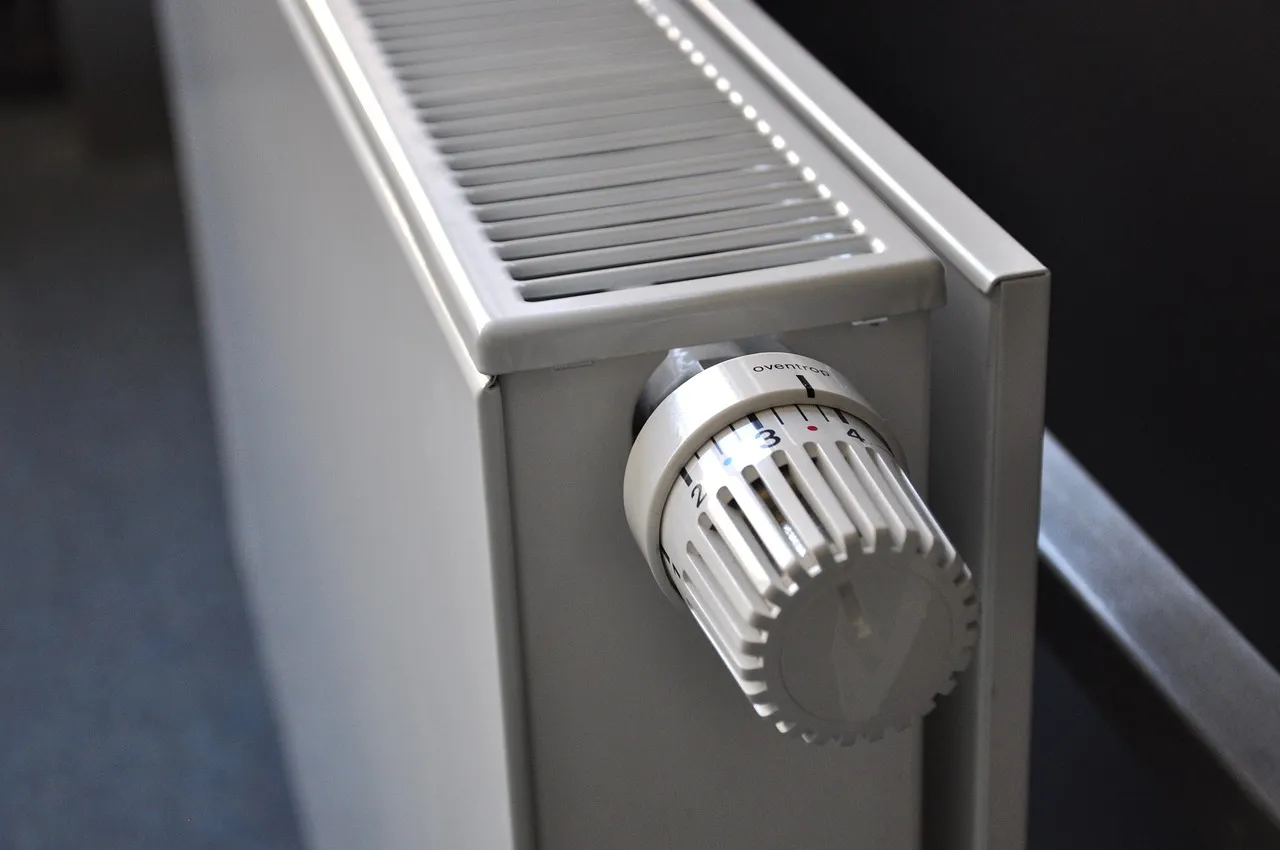
The Sleep Foundation puts the ideal room temperature for sleep at approximately 65 degrees Fahrenheit (18.3 degrees Celsius), while most doctors recommend keeping the thermostat set between 65 and 68 degrees Fahrenheit for the most comfortable sleep. That relatively narrow window isn’t arbitrary. It reflects what the body actually needs to transition into and maintain deep, restorative sleep stages.
Most doctors agree that the ideal sleep temperature falls between 60°F and 67°F, creating a cool environment that helps the body naturally wind down. As you prepare for bed, your core body temperature drops, signaling to your body that it’s time to rest. If the room is too hot or too cold, it can disrupt this process, making it harder to fall asleep and stay asleep throughout the night.
Why Your Body Temperature Drops at Night

Core body temperature typically declines in the evening as part of the circadian rhythm, and this drop is closely associated with the initiation of sleep and the transition into deeper sleep stages. This isn’t a passive process. It’s a carefully orchestrated biological event that the body has been performing every night of your life.
Core body temperature follows a circadian rhythm, peaking in the late afternoon around 5 to 7 PM and reaching its lowest point in the early morning hours around 4 to 5 AM. Sleep onset coincides with, and depends upon, the falling phase of this temperature curve. For sleep to initiate, core body temperature must drop approximately 1 to 2°C from its daytime peak, achieved through peripheral vasodilation – the widening of blood vessels in the hands and feet that allows heat to radiate outward.
What Happens When Your Room Is Too Warm
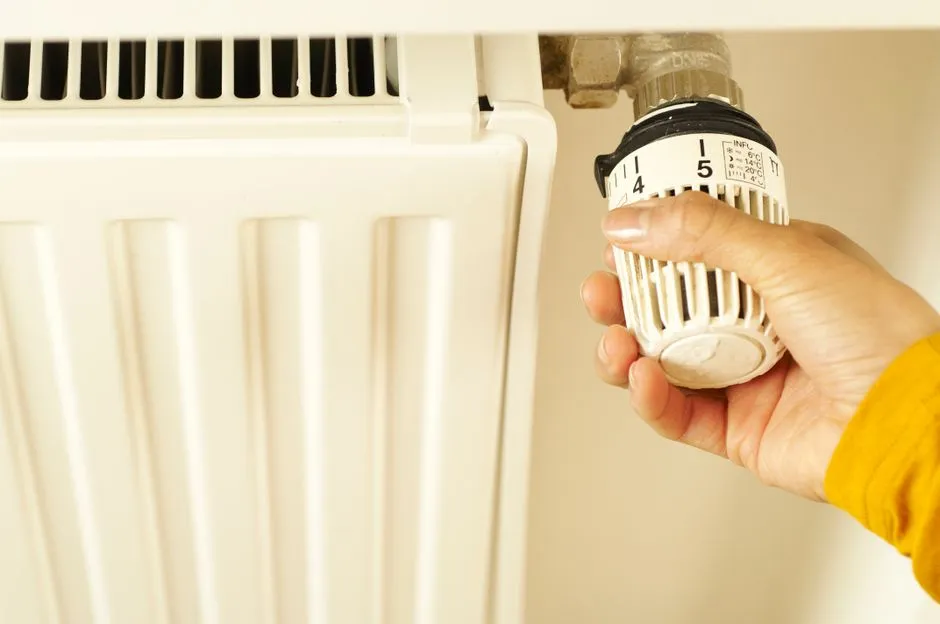
If your bedroom temperature is too warm, your body struggles to cool down, which can delay sleep onset and increase nighttime awakenings. Many people attribute their poor sleep to stress or screen time, never thinking to check the thermostat.
Scientific research indicates that most people sleep in environments that are too warm for optimal rest. Studies suggest that an ideal bedroom temperature for sleep falls between 60°F and 67°F (15°C to 19°C), though some research recommends a slightly broader range of 68°F to 77°F (20°C to 25°C). Even relatively modest warmth can chip away at sleep quality in ways that are hard to notice in the moment but accumulate over time.
The Large-Scale Study That Confirmed the Risk

One large-scale study involving over 34,000 participants found that sleep quality tends to decline as bedroom temperatures exceed 60°F (16°C). Global data also indicates that sleep efficiency drops significantly in temperatures above 50°F (10°C). These findings suggest that even mild increases in ambient temperature can negatively impact sleep duration and depth.
In fact, in the largest study of billions of sleep measurements from people in 68 countries, it was found that higher nighttime temperatures across the world are specifically leading to more trouble falling asleep. The scale of that finding is worth sitting with: this isn’t a lab anomaly, it’s a global pattern.
The REM Sleep Connection

Sleep specialists suggest that the optimal sleeping temperature in the bedroom for adults should be between 60 and 67°F, and this range of temperature is thought to actually help facilitate the stability of REM sleep. REM is the sleep stage most closely tied to memory consolidation, emotional regulation, and cognitive performance, so protecting it matters.
Overheating at night can reduce deep sleep and increase wakefulness. A 2024 study published in Scientific Reports added further detail: enhanced body heat loss during sleep increased slow-wave activity by 14% and simultaneously reduced heart rate, indicating deeper parasympathetic activation. Slow-wave sleep is the deepest, most physically restorative stage of the sleep cycle.
The Different Number for Older Adults

For most people, keeping the bedroom cool – anywhere from 60 to 67 degrees per the National Sleep Foundation – will likely result in higher sleep efficiency. However, a study published in the journal Science of the Total Environment indicates that older adults in particular may benefit from slightly warmer temperatures at night, between 68 and 77 degrees.
Older adults sleep best when the room temperature is 70 to 74 degrees, according to a study published in the journal Science of the Total Environment, which tracked the sleep habits of 50 people aged 65 and older in the Boston area. Environmental sensors were placed in their bedrooms to track nightly temperatures, and participants wore a ring linked to a smartphone to measure how long they slept and how much they tossed and turned. The takeaway: the “right” number is not universal, and age is one meaningful variable.
Why Babies Need a Different Range Entirely
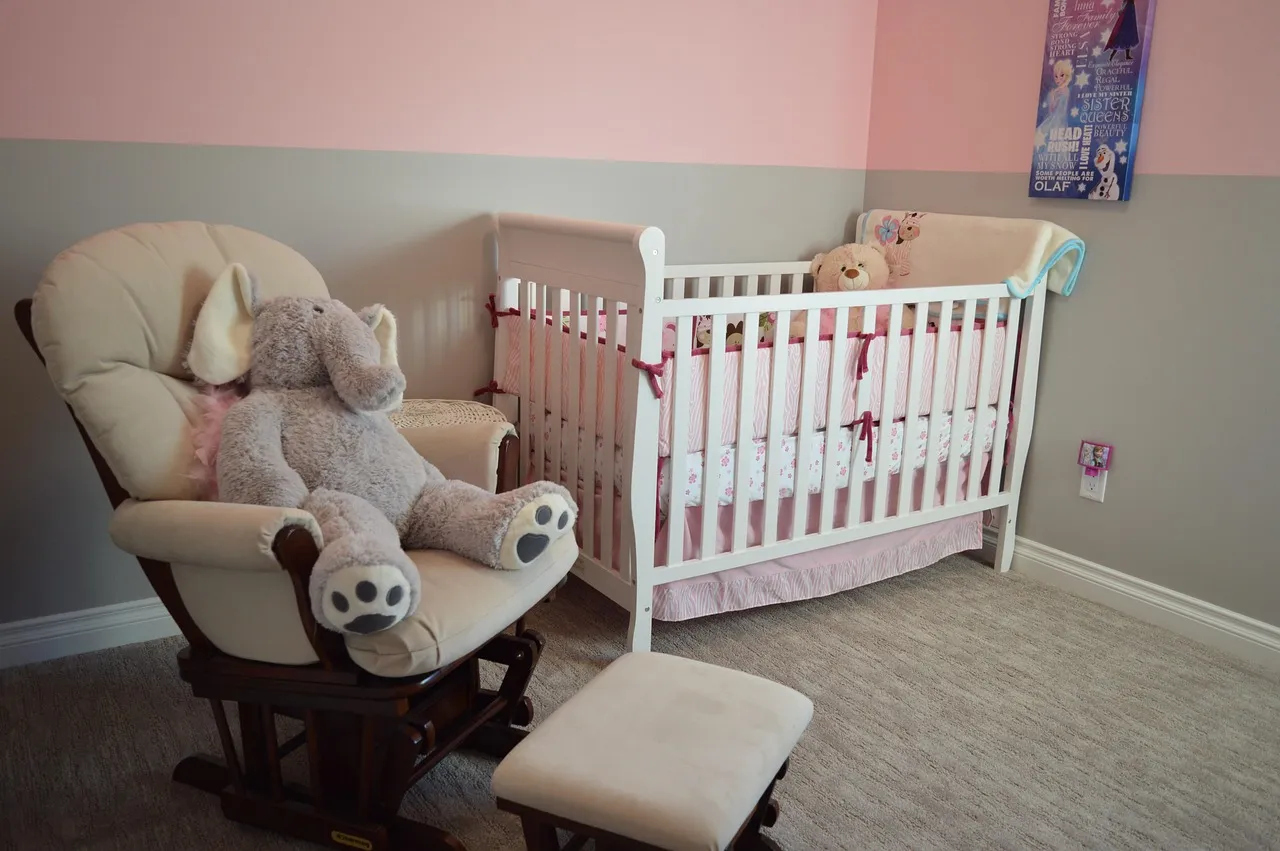
Infants may benefit from a bedroom that is one or two degrees warmer, up to 69 degrees Fahrenheit (20.5 degrees Celsius). As their bodies are smaller and still developing, they are more sensitive to changes in ambient temperature. A bedroom that is too warm may increase the risk of sudden infant death syndrome (SIDS).
Infants may need a slightly higher room temperature for sleep, but parents should avoid turning up the thermometer more than a few extra degrees, as this is to prevent them from getting overheated. Getting this right for a baby’s room deserves the same careful attention as getting it right for your own.
How Your Mattress Plays Into the Equation
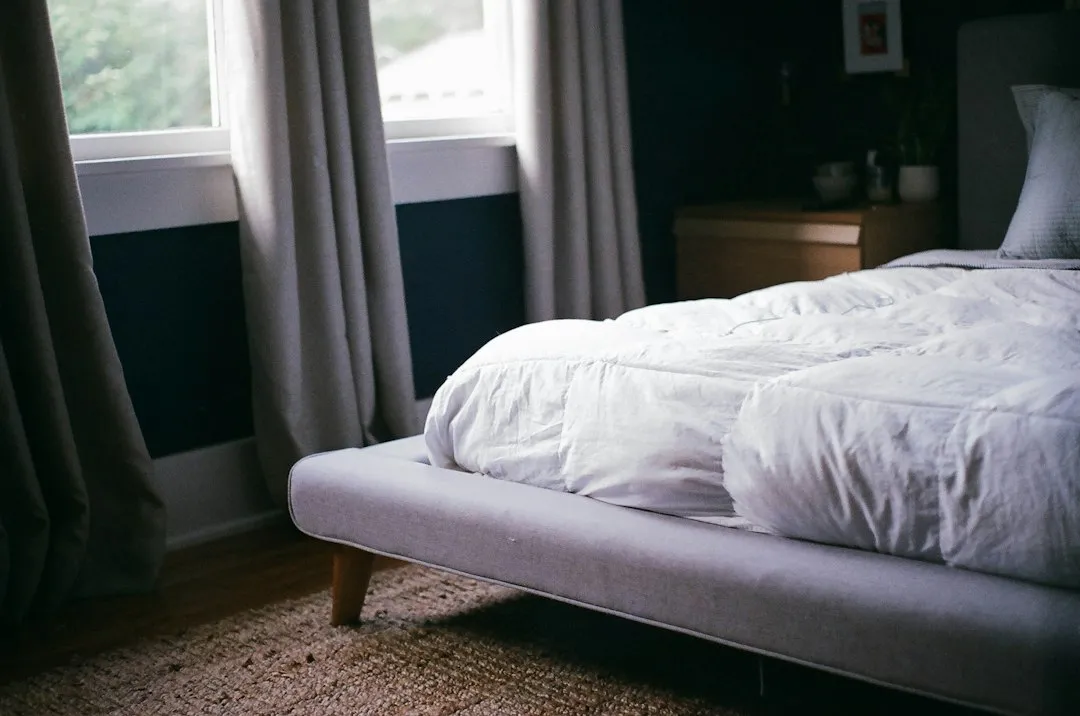
A bedroom that is too warm interferes with the body’s heat-dissipation process. A mattress that traps body heat at the sleep surface further impedes the temperature drop required for sleep onset and maintenance. So even if the thermostat reads 65°F, the wrong mattress material can create a microenvironment that works against you.
A 2024 temperature-controlled mattress cover study showed deep sleep increases of 14 minutes, representing roughly a 22% gain, with cooler sleep surfaces. That’s not a trivial difference. Gaining that much additional deep sleep nightly adds up to meaningful improvements in recovery, mood, and daytime function over weeks and months.
When Experts Don’t Fully Agree
There doesn’t appear to be a global consensus on a single ideal bedroom temperature for sleep, as it varies from person to person. Research studies, medical organizations, and online sources often recommend different temperature ranges to experiment with. Most recommendations for the ideal bedroom temperature for adults fall between 60 to 67°F (15.6 to 19.4°C).
There is no single perfect number for everyone. Factors like age, metabolism, hormone levels, bedding, and personal preference all play a role. The recommended range gives you a reliable starting point. From there, individual biology takes over, and some experimentation is genuinely warranted.
Practical Ways to Hit the Right Number
Most people sleep best when their room is between 60°F and 67°F (about 16°C and 19°C). If your bedroom is too hot, it can disrupt your sleep and cause you to wake up more often in the middle of the night. A programmable thermostat is one of the most straightforward tools for maintaining that range consistently without having to think about it each night.
If you’re used to keeping your bedroom warm, lowering the temperature 2 to 3 degrees at a time is a reasonable approach. If it gets too cold, you can always adjust back up a bit. Gradual changes allow your body to adapt and give you a clearer sense of where your own comfort zone actually sits within the recommended range.
The Takeaway

The number sleep doctors keep pointing to is around 65 degrees Fahrenheit, with a workable range of roughly 60 to 67°F for most adults. That’s not a rough guess – it’s grounded in decades of thermoregulation research and confirmed repeatedly in large-scale sleep studies. Your age, your mattress, and your individual physiology can shift that range slightly in either direction.
Temperature is one of the few sleep factors you can change tonight without a prescription, a device, or a lifestyle overhaul. Sometimes the simplest interventions are the ones that actually move the needle – and a cooler bedroom is a genuinely well-supported place to start.
AI Disclaimer: This article was created with the assistance of AI tools and reviewed by a human editor.