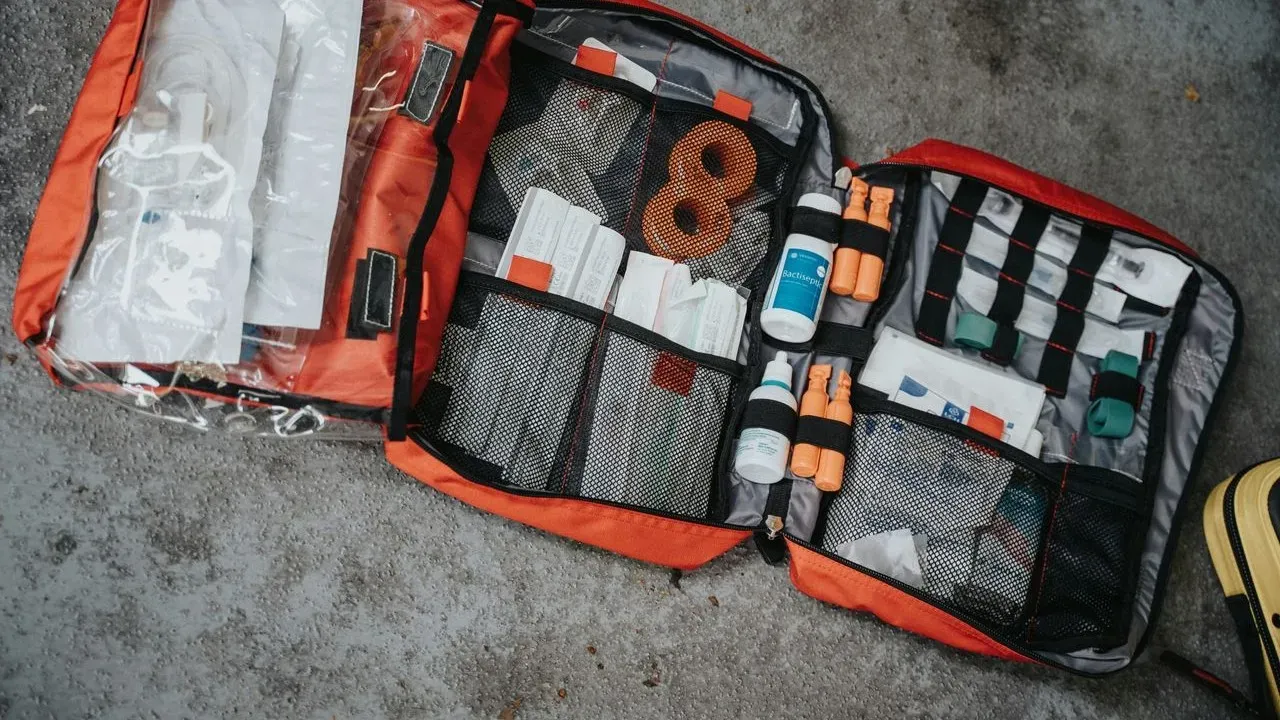

Many households keep a first aid kit tucked away for years, only to reach for it during an emergency and wonder if its contents remain effective. The plastic case or nylon pouch itself shows no signs of wear, yet the supplies inside follow their own timelines. According to guidance from the American Red Cross, most items can remain usable for up to five years when packaging stays sealed and undamaged, but that general window masks wide variation across categories ([1]). The kit proves only as reliable as its weakest component.
The Absence of a Single Expiration Date
A first aid kit is not a single product with one failure mode. It combines medications, sterile dressings, adhesives, and reusable tools, each subject to different chemical or physical changes over time. Manufacturers sometimes print a broad three-to-five-year recommendation on the outside of a complete kit, yet that figure serves mainly as a planning aid rather than a strict regulatory cutoff.
Medications fall under FDA oversight and carry printed expiration dates that reflect measured loss of potency or stability. Sterile items lose protection only when their wrappers are breached. Adhesives simply lose tack. Metal tools resist time altogether. Because these processes unfold independently, checking the kit requires examining each category rather than relying on one overall date.
Medications Require the Closest Attention
Pain relievers, antihistamines, antibiotic ointments, and hydrocortisone creams carry the clearest deadlines. Once past the printed date, the active ingredient may weaken or degrade, and in some cases the FDA has noted risks such as bacterial growth in certain expired products. Sub-potent antibiotics, for instance, can fail to resolve an infection.
Antiseptic wipes and alcohol pads also belong in this group because the disinfecting liquid evaporates inside the packet even when the seal appears intact. Typical usable life ranges from two to three years. Any packet that feels dry or shows discoloration should be replaced regardless of the printed date.
Sterile Supplies, Adhesives, and Tools
Sterile gauze, compresses, and similar dressings remain sterile indefinitely provided the wrapper stays intact and dry. A torn, punctured, or damp package compromises the item immediately, even if years remain on any printed indicator. The same rule applies to any dressing meant to contact an open wound.
Adhesive bandages and medical tape do not become unsafe with age; they simply lose their ability to stay in place. The backing material holds up, but the glue dries and cracks. Testing a single bandage from an old package quickly reveals whether the adhesive still works.
Scissors, tweezers, thermometers, and CPR masks have no expiration. Regular inspection for rust, corrosion, or cracked plastic is sufficient. Battery-powered items such as digital thermometers or flashlights need separate battery checks, since leaking cells can damage the device itself.
Storage Practices That Extend Usability
Heat and humidity accelerate nearly every form of degradation in a first aid kit. A car trunk or an unconditioned garage during summer months shortens the life of medications and ointments more quickly than any calendar date suggests. Direct sunlight further breaks down both active ingredients and plastic containers.
Twice-yearly checks, timed to daylight-saving changes or another memorable date, keep the contents current without requiring a full overhaul each time. A simple written or digital inventory noting the last inspection date prevents repeated full examinations. Any item used or found compromised should be replaced promptly rather than left until the next scheduled review.
Proper Disposal Protects Both Safety and the Environment
Expired medications should not enter household trash or wastewater. Drug take-back programs remain the preferred route; when unavailable, the FDA recommends mixing pills with an unappealing substance such as coffee grounds or cat litter, sealing the mixture in a bag, and discarding it with regular waste. Chemical hot and cold packs belong in regular trash but should never be opened first.
Sharps such as lancets require a dedicated sharps container regardless of expiration status. Everything else – old gauze, bandages, wipes, and plastic tools – can enter household trash once it is clear the items will not be reused. Following these steps keeps the kit ready without creating secondary hazards.
Key points to remember: Medications follow printed dates strictly. Sterile items depend on intact packaging. Adhesives lose effectiveness rather than safety. Tools last indefinitely with basic inspection. Twice-yearly reviews and cool, dry storage preserve reliability across the entire kit.
AI Disclaimer: This article was created with the assistance of AI tools and reviewed by a human editor.