

What “Warm Light” Actually Means

Color temperature is measured in Kelvin (K), and the numbers can be counterintuitive at first. Lower Kelvin values produce warmer, more amber light, while higher values push toward a blue-white daylight appearance. Warm light, sitting in the range of 2700K to 3000K, creates a cozy, relaxing atmosphere and promotes feelings of comfort and intimacy. That is the zone where most “soft white” and “warm white” bulbs live on store shelves.
A warm 2700K bulb reads as evening candlelight and triggers relaxation. It mimics the kind of light that humans have lived with for most of history – firelight, oil lamps, the amber glow just after sunset. The body recognizes these cues on a biological level, not just a psychological one.
The Science Behind the Feeling
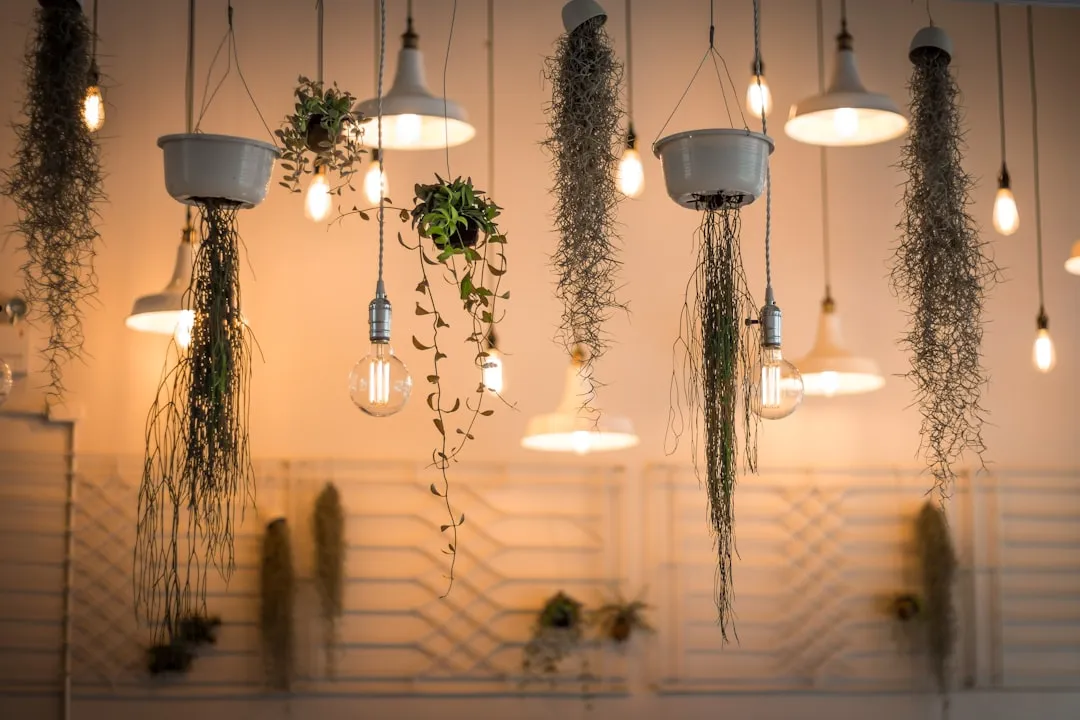
Research into how light color affects emotional states has grown considerably in the past few years. A 2024 study published by Psi Chi, the International Honor Society in Psychology, examined the interaction effects of color and lighting temperatures on mood, heart rate, and cognitive performance in a 2×2 randomized experiment at Pepperdine University with 78 participants. The study measured everything from self-reported mood to reaction times and heart rate.
Researchers found that warm lighting, around 2700K, evoked feelings of happiness, joy, relaxation, and privacy compared to cool lighting at 5600K. That’s not a subjective impression – these were measurable shifts in emotional state reported by participants across controlled conditions.
Neuroscience research is clear: some colors and intensities of light indoors create better atmospheres for particular situations, while alternatives are found in settings where different sorts of thoughts and behaviors are most likely.
How Warm Light Affects the Body Physically

Warm light in the 2700–3000K range relaxes, slows heart rate, and signals the body to produce melatonin – making it ideal for evenings, bedrooms, and dining. These are physical, measurable responses, not just feelings. Melatonin is the hormone that prepares the body for sleep, and the light environment is one of its key regulators.
Light serves as the main synchronizer of the circadian system. The amount of light and its spectral distribution throughout the day influence hormonal secretion and sleep-wake regulation. Choosing warm bulbs for your evening environment works with that system rather than against it.
A 2025 long-term study on office lighting further confirmed this, finding that light exerts profound non-visual effects on human circadian rhythms, emotional regulation, and metabolic processes. The implications reach far beyond simply feeling sleepy or alert.
Warm Light and Social Connection

Warm lights are great for creating a cozy, relaxing atmosphere, one where people have a good time socializing with others and are apt to think more creatively, while cool lights are best for times when we need to feel alert or active and when we need to really concentrate. This distinction matters practically: the light in a dining room or living area shapes the entire social dynamic of time spent there.
Studies show that warm light can reduce stress and make you feel safe and comfortable. This is why warm lighting is commonly found in places meant for relaxation, like spas or cozy cafes. Those businesses aren’t just following aesthetic trends – they’re applying lighting science deliberately to keep people at ease and encourage them to linger.
The Role of Color Temperature in Specific Rooms
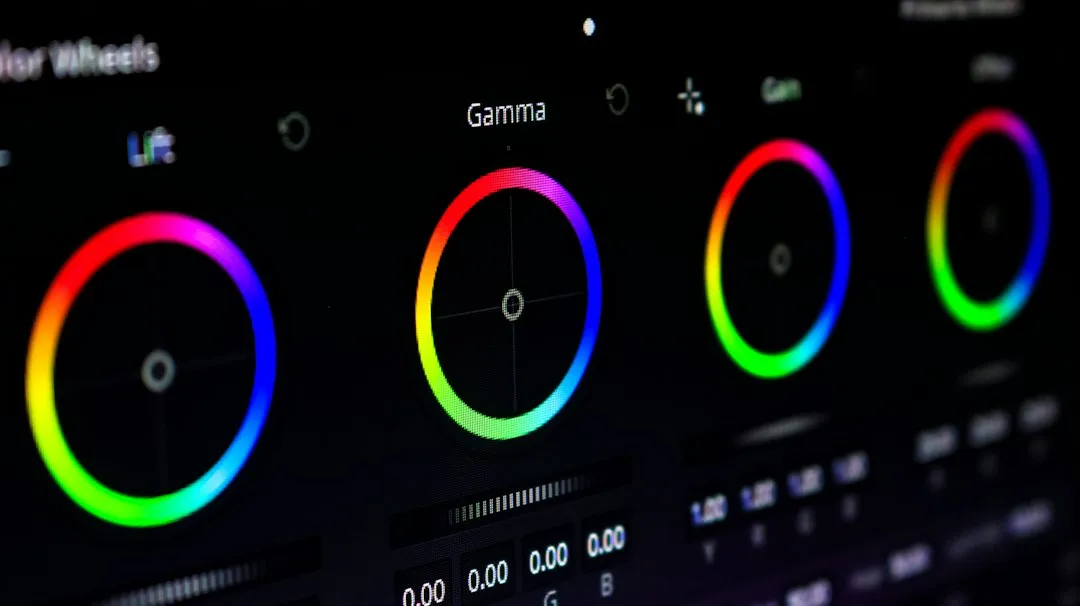
Not every room calls for the same approach, and the research reflects that nuance. The best approach for homeowners is to layer lighting – combining ambient, task, and accent lighting – while ensuring the color temperatures align with the intended purpose of the room. Bedrooms benefit from warmer tones at 2700K, while workspaces thrive under bright, cool light above 5000K.
Living rooms and bedrooms benefit most from warm white light, which creates a cozy, inviting atmosphere and encourages relaxation. The warm yellowish glow of these spaces makes them perfect for unwinding or socializing with family and friends. Kitchens and bathrooms, where task accuracy matters more, can handle a slightly cooler tone without disrupting the feel of the home overall.
What Happens When You Use Cool Light Instead

Cool lighting feels more like daylight. It can help you focus and stay alert, but it is not ideal for mood and relaxation in the evening. Too much cool light before bed can even disrupt your sleep. This is not a minor inconvenience – disrupted sleep carries cascading effects on mood, concentration, and physical health over time.
A 2024 ScienceDirect study on emotional responses and lighting found that younger adults maintained a negative mood better under warm lighting, while older adults benefited from cool lighting. This suggests that the “right” temperature can also vary by the person, not just the room, adding another layer of nuance to a topic often treated as one-size-fits-all.
Layering Warm Light for Maximum Effect

Instead of sticking to just warm or cool lighting, layering different light sources allows you to adjust based on your needs. Using different sources within the same room can help create varied moods and functionalities, such as combining warm lighting for relaxation with cooler lighting for tasks. This approach gives a room flexibility without requiring you to commit to one extreme.
Using different lights like ceiling lights, table lamps, and accent lights adds layers and stops harsh shadows in your room. Placing warm sources at lower heights – floor lamps, table lamps – also mirrors how light naturally behaves in the evening, which the brain registers as inherently calming. Placing warmer lighting in tabletop and floor lamps and cooler light overhead reflects how light appears in nature.
Smart Bulbs and Adaptive Warm Lighting
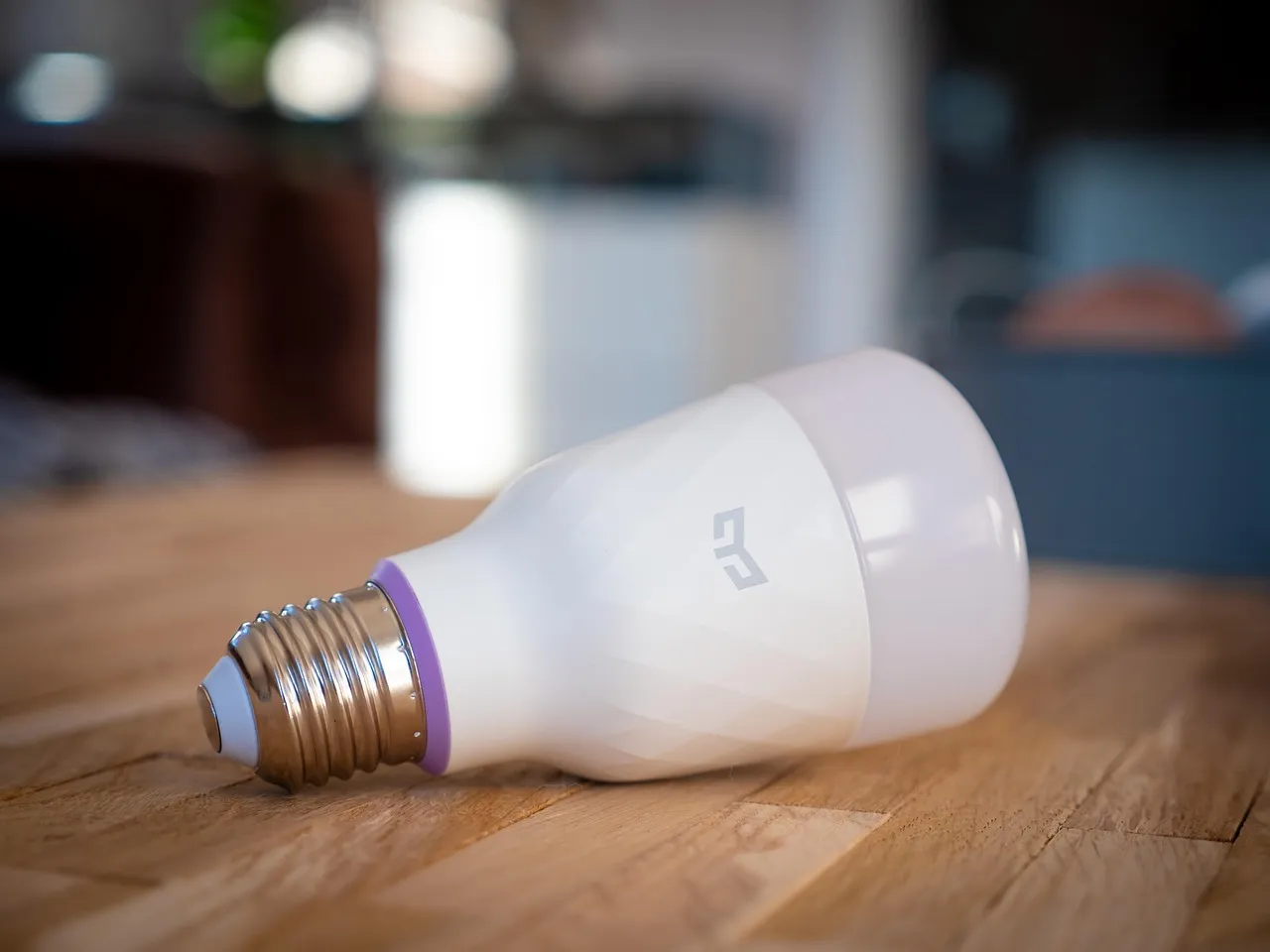
Smart lighting systems allow you to adjust both color temperature and brightness, so you can easily customize the ambiance to suit different occasions or times of day. This technology has become more accessible and affordable over recent years, putting circadian-friendly lighting within reach for most households.
Smart bulbs that automatically adjust temperature throughout the day essentially replicate the way natural light behaves – bright and cool in the morning, gradually warming as the day progresses. For people who spend most of their waking hours indoors, this kind of dynamic adjustment can meaningfully support well-being over the long term. These findings confirm that optimizing workplace and home lighting enhances employee and resident well-being and productivity.
Warm Light and Mental Health Considerations

One often-overlooked application of color temperature involves seasonal affective disorder (SAD). People in northern climates, where daylight is limited in winter, may experience depression symptoms due to lack of exposure to high color temperature daylight. While warm light serves relaxation, the flip side is that insufficient bright light during the day, particularly in darker months, carries its own health costs.
A 2025 study published in the Journal of the Endocrine Society found that personalizing light exposure recommendations can improve sleep quality and circadian rhythm disorders, and that taking into account an individual’s sex and seasonal changes could make light-based treatments more effective for sleep and mood issues. It’s a reminder that lighting isn’t a purely decorative choice – it’s a health variable.
Why Warm Light Feels Honest in a Way Cool Light Doesn’t
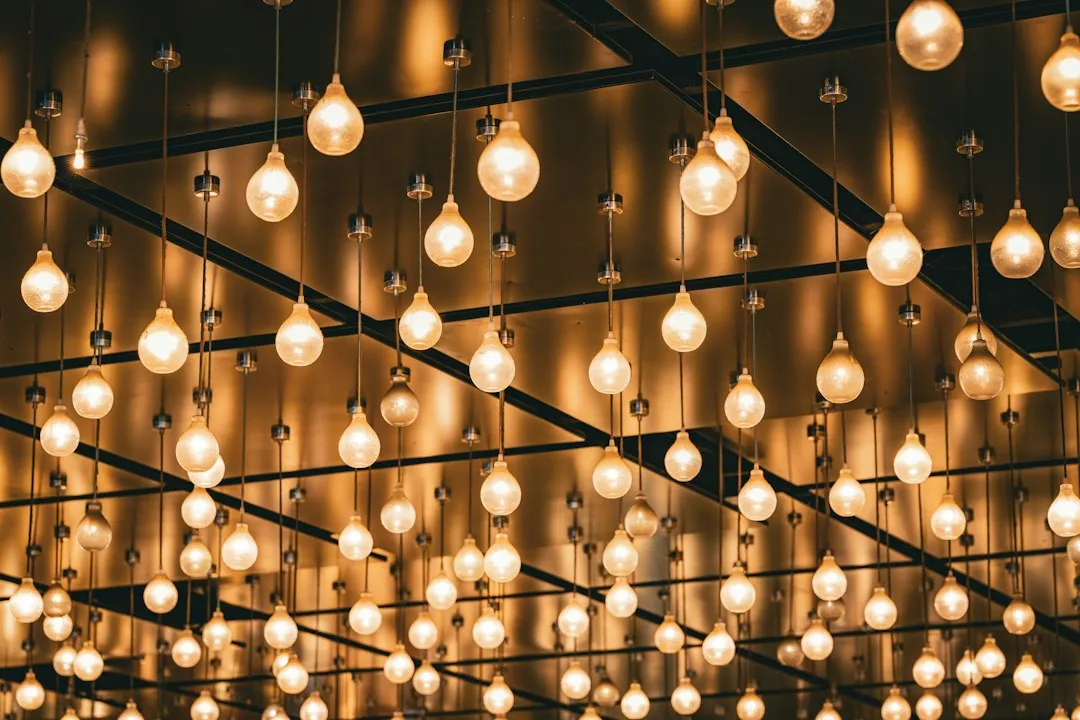
There’s an almost intuitive quality to warm light that’s hard to pin down with data alone. Rooms lit with soft amber tones tend to feel inhabited, lived-in, and intentional. Spaces drenched in blue-white light, by contrast, often feel transactional – like a waiting room or a fluorescent-lit office. Warmer tones in lighting tend to create a cozy, creative atmosphere.
Using consistent color temperature – such as warm white light in all living areas – helps create a unified, inviting atmosphere that flows seamlessly from room to room. This consistency in color temperature not only enhances the overall design but also supports the intended mood of each space. That cohesion is something visitors feel even when they can’t articulate why a home feels welcoming.
The Takeaway

Most people think of lighting as background infrastructure – something you install and forget. The research tells a different story. The color temperature of your bulbs shapes how you feel after dinner, how well you sleep, how easy it is to unwind, and how connected you feel to the people around you.
Warm light doesn’t just look nice. It works with the body’s ancient rhythms rather than against them. Lighting does more than just help you see – it shapes your mood and relaxation every day. A simple change in bulb temperature, particularly in the spaces where you rest and gather, is one of the lowest-effort, highest-return adjustments available in any home.
If a room hasn’t felt quite right and you can’t figure out why, start with the light. It’s usually closer to the answer than you’d expect.
AI Disclaimer: This article was created with the assistance of AI tools and reviewed by a human editor.