
The Scale of Home Fires Is Already Enormous
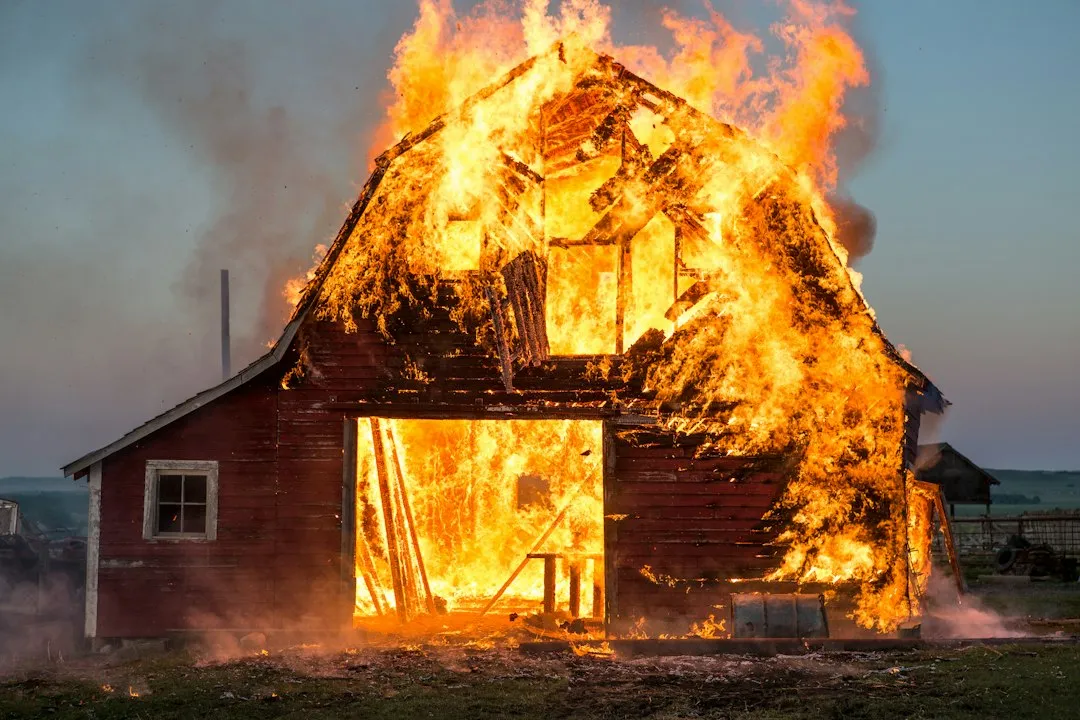
Around 944 house fires occur every day in the United States. That figure already reflects a baseline level of risk that most households quietly live with. When a widespread power outage arrives, several of the factors that keep that number stable are suddenly removed, and others that drive it upward are introduced simultaneously.
Once a house fire starts, it can grow quickly and without restraint, becoming a major fire in under three minutes. That speed matters enormously during an outage, when emergency communications may be disrupted and fire trucks may struggle to reach affected neighborhoods. The fire safety margin that modern households depend on shrinks considerably when the grid goes dark.
Outages Are Lasting Longer Than Before
Halfway through 2025, the longest outage reported averaged 12.8 hours, up from 8.1 hours in 2022. Longer outages mean households spend more time relying on improvised heat and light sources, and the longer those sources are in use, the greater the probability of something going wrong.
When extreme weather caused outages, they averaged 95.2 hours, according to survey data compiled in late 2025. Nearly four days without power forces families well beyond the point of patience. Improvised solutions that might seem temporary on hour one become normalized routines by hour forty, and normalized routines are where attention slips.
Candles Remain the Most Underestimated Threat
According to the U.S. Fire Administration, candles are responsible for an estimated 15,600 residential fires a year, causing 150 deaths, 1,270 injuries, and $539 million in property damage. These are not freak accidents. They are the predictable result of open flames being brought into homes that were not designed around them.
The connection to power outages is direct and well-documented. Candles were used for light in the absence of power in roughly one quarter of fatal home candle fires reviewed in one NFPA analysis, and candles used for light in the absence of electrical power appear to pose a particular risk of fatal fire. The darkness of an outage turns a decorative item into a survival tool, and that shift in purpose brings a shift in risk.
The Bedroom Factor Makes It Especially Dangerous
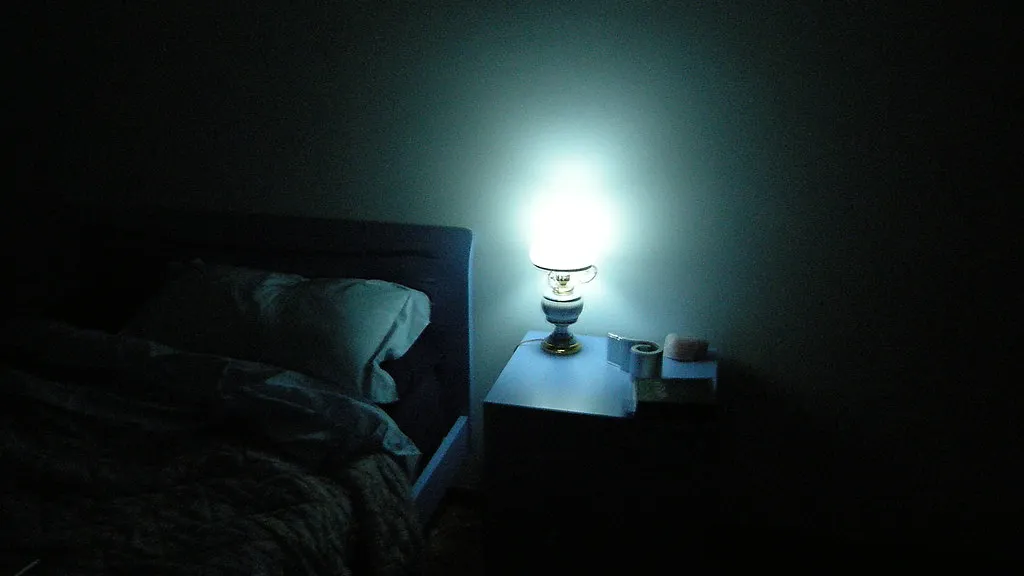
Roughly one third of home candle fires start in the bedroom. People bring candles to the places where they sleep, which is also where they are most likely to lose awareness of a flame that hasn’t been extinguished. The combination of darkness, fatigue from a stressful outage event, and an open flame in an enclosed space is one of the most dangerous in residential fire history.
On average, 20 home candle fires are reported per day, and three of every five home candle fires occur when some form of combustible material is left or came too close to the candle. Bedding, curtains, and clothing are all close at hand in a bedroom. None of that changes during an outage. The candle simply burns longer, with less supervision.
Portable Generators Introduce a Separate and Lethal Risk
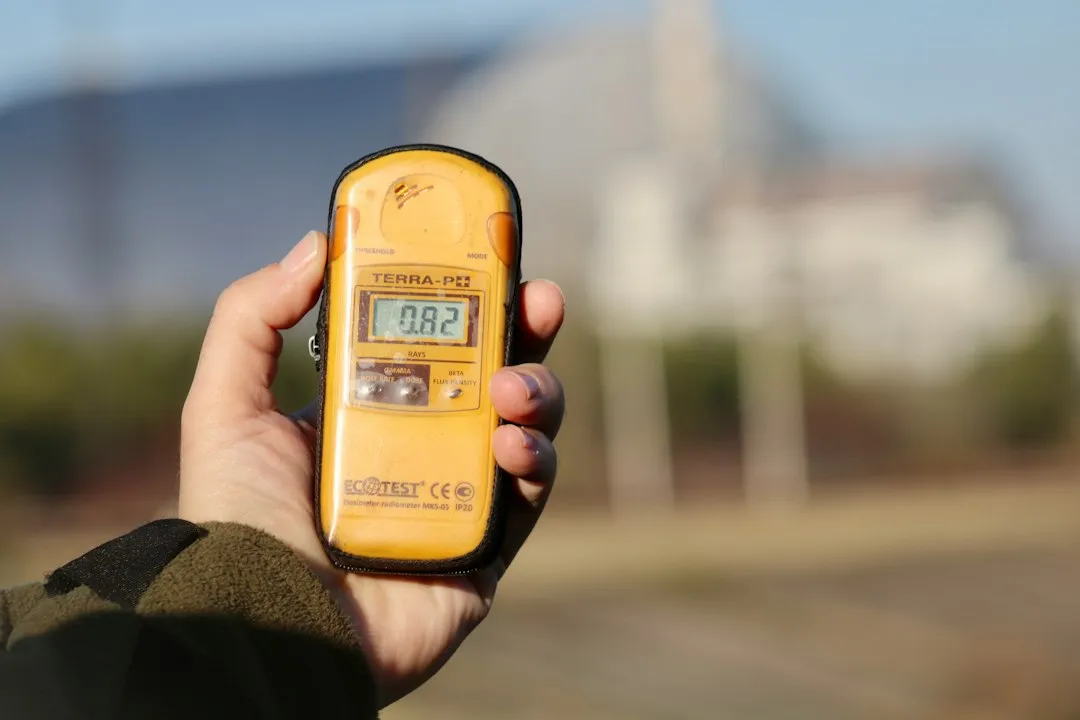
Power outages often lead families to rely on portable generators and other fuel-burning devices for heat and electricity, but improper use can be deadly. The hazard here goes beyond fire in the conventional sense. Generators running in or near a home produce carbon monoxide, a colorless and odorless gas that incapacitates before it kills.
An average of nearly 100 consumers die in the U.S. each year from CO poisoning from portable generators, according to CPSC’s report on Non-Fire Carbon Monoxide Deaths Associated with the Use of Consumer Products. That number rises sharply after major storms. Hurricane Beryl, which made landfall near Matagorda, Texas on July 8, 2024, caused 2.8 million electricity customers in the Houston area to lose power, and calls to 9-1-1 about CO incidents were reported to be spiking.
Electrical Surges and Faulty Wiring Ignite Fires When Power Returns
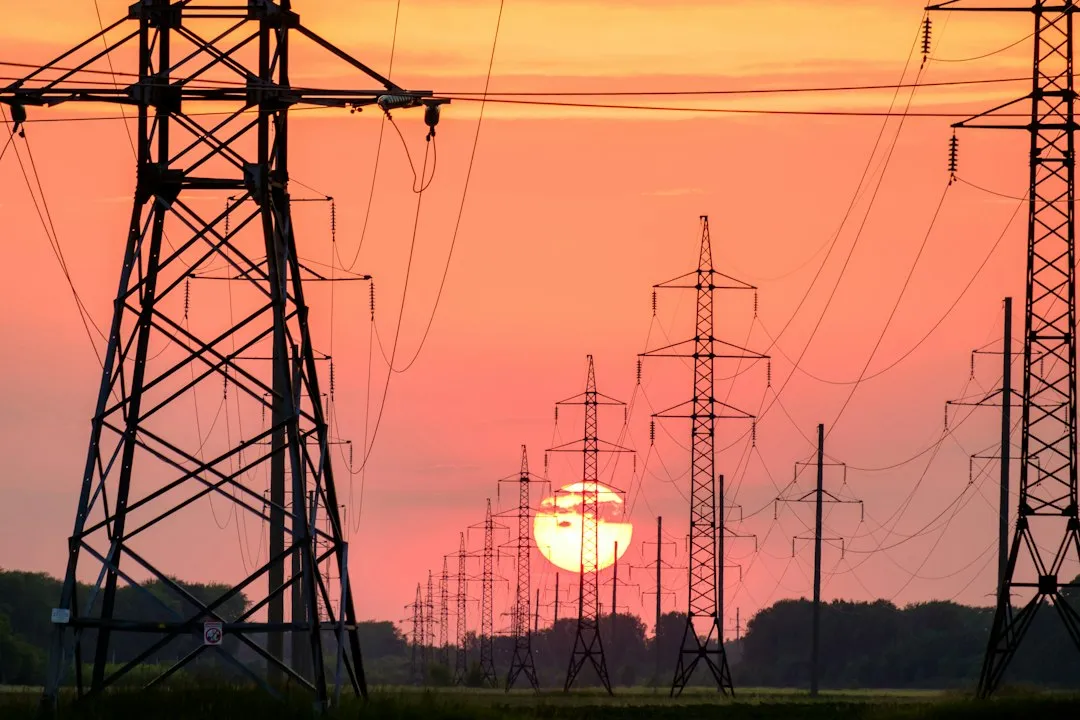
One of the least discussed fire risks comes not when the power goes out, but when it comes back. Electrical surges during power restoration can overwhelm household wiring, especially in older homes. Appliances left on during the outage suddenly receive current, sometimes in irregular bursts, and that surge can arc within walls or overheat devices that were never meant to receive such a load simultaneously.
Electric short circuits are among the most common causes of residential fires, according to fire engineering researchers. During an outage, occupants may not realize how many devices remain switched on. When the grid comes back, every one of those draws current at once, and in homes with aging wiring or already-damaged circuits, that moment of restoration carries real ignition potential.
Space Heaters Fill the Gap When Heating Systems Go Offline
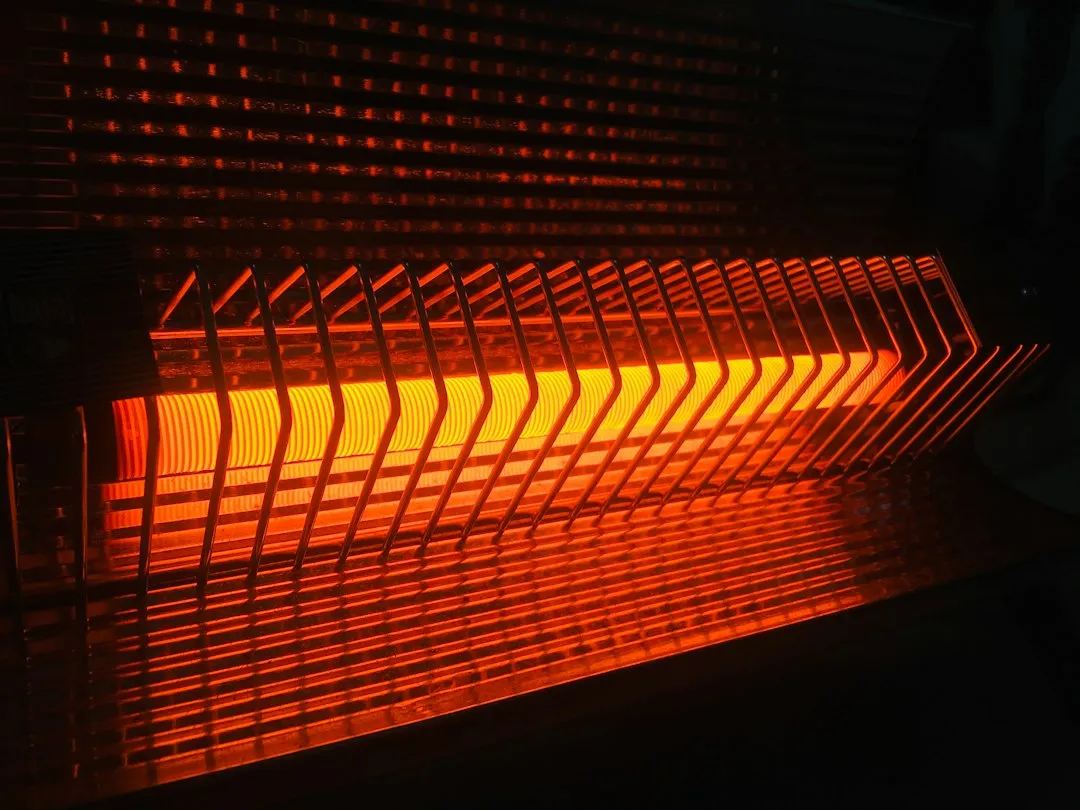
When central heating systems stop working during a winter outage, space heaters become the obvious substitute. They are effective, they are widely available, and they are responsible for a significant share of cold-weather home fires. The U.S. Consumer Product Safety Commission has issued repeated warnings specifically about the combination of power outages and portable heating devices.
As severe weather moves across the country, the CPSC urges Americans to protect themselves from carbon monoxide poisoning and fire, noting that improper use of portable generators and other fuel-burning devices during power outages can be deadly. Space heaters placed near curtains, furniture, or bedding account for a significant portion of fire incidents that follow winter storms. The urgency to stay warm often outpaces awareness of safe clearance distances.
Winter Storms Create the Perfect Storm for Fire Risk
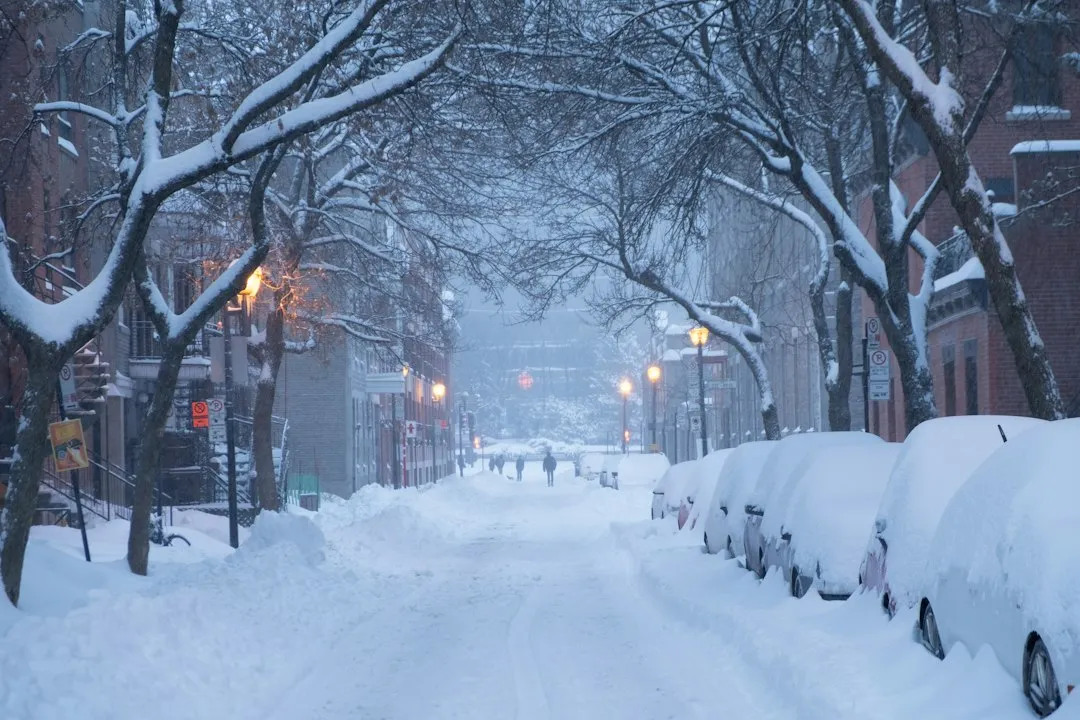
The majority of generator-related CO deaths occur during November through February, aligned with winter storms and the outages they cause. This seasonal concentration matters. Winter outages create simultaneous demand for heat, light, and electricity, which means households are deploying multiple improvised solutions at the same time, each carrying its own ignition risk.
December is the peak month for home candle fires, with roughly a quarter of all candle fires occurring in December or January. The overlap between peak candle fire season and peak generator CO death season is not a coincidence. It reflects what happens when darkness and cold arrive together, and the grid can’t hold.
Power Infrastructure Failures Can Spark Fires Directly
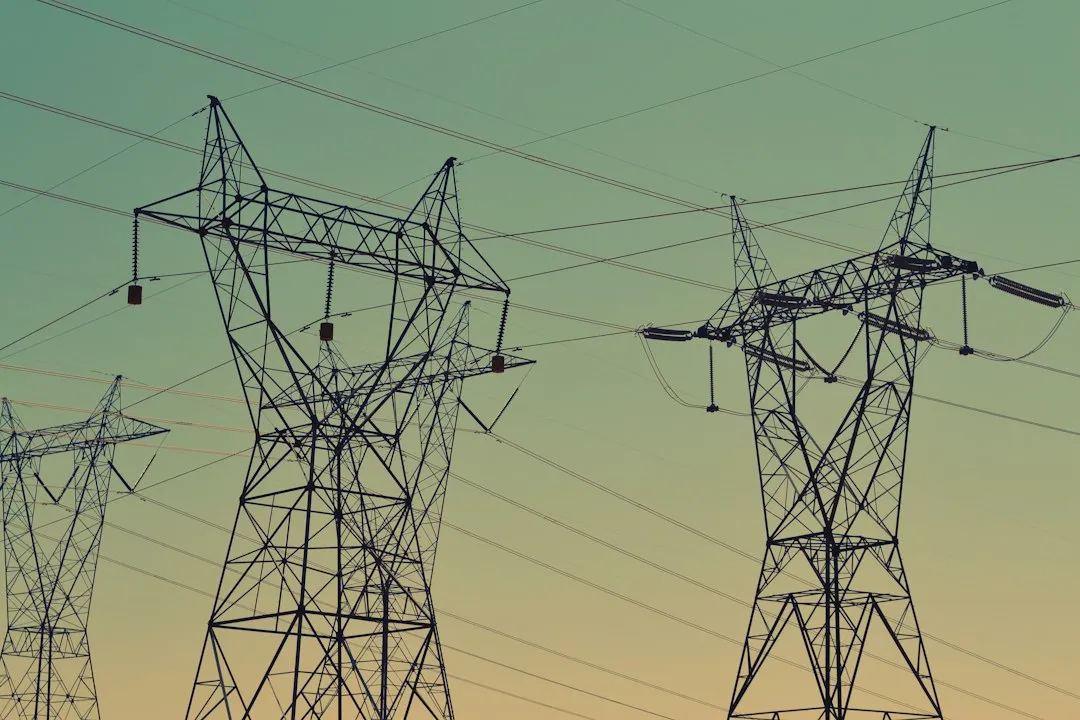
The fire danger of outages is not limited to what happens inside homes. In some cases, the electrical infrastructure itself starts the fire. The 2024 Smokehouse Creek Fire in Texas, one of the largest in that state’s history, was caused by downed power lines due to a broken utility pole. That single infrastructure failure burned over a million acres and cost an estimated one billion dollars in damage.
The Smokehouse Creek fire knocked out power for thousands of people due to both preemptive shutoffs of power lines and direct grid damage, and grid damage appears to have sparked the fire as well. This bidirectional relationship, where infrastructure failure causes fires which then cause outages which then create new fire conditions inside homes, is one of the more troubling dynamics in modern disaster planning.
Smoke Alarms Lose Power Too, and That Changes Everything
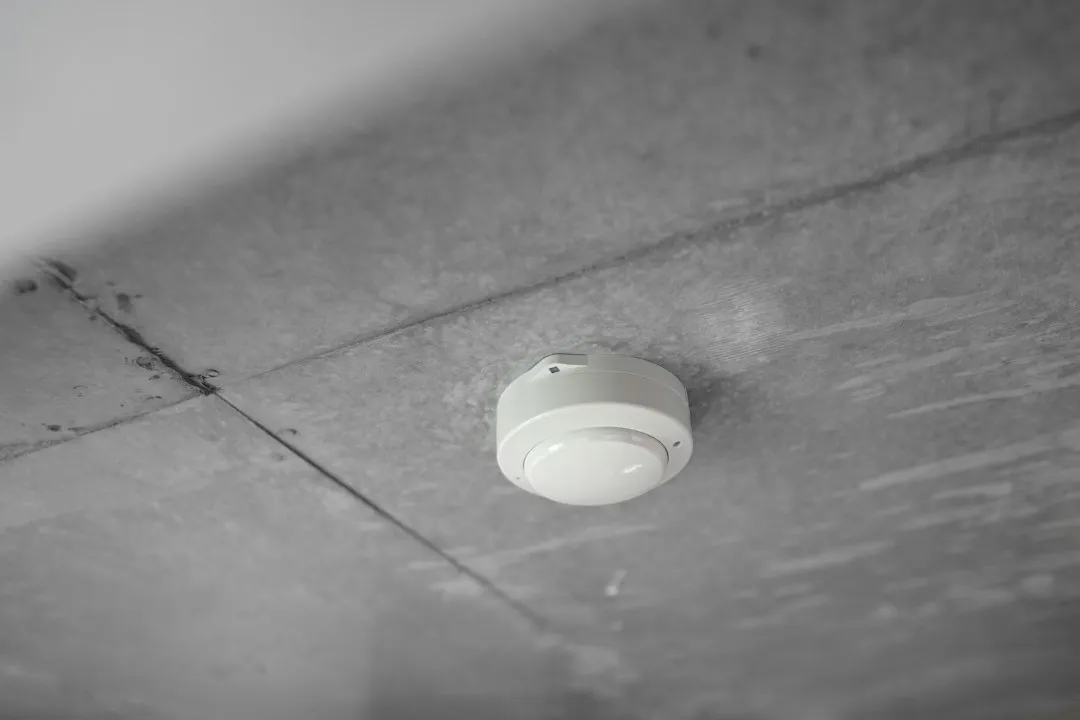
A functioning smoke alarm is one of the most effective life-safety tools in a home. During a power outage, hardwired alarms that lack battery backup go offline. Many households do not realize this until it is too late, because the alarm that should warn them is the same alarm that stopped working when the lights went out. Home fires are a threat after a natural disaster, and fire trucks may have trouble getting to your home.
In 2023, the National Fire Incident Reporting System data included 82,245 CO incidents which required a local fire department response. Emergency responders are already stretched thin after major outage events. A home without a working alarm and without easy emergency access represents a combination of conditions that fire safety experts have consistently identified as the highest-risk scenario. The gap between when a fire starts and when anyone knows about it can be the difference between a contained incident and a total loss.
The Takeaway
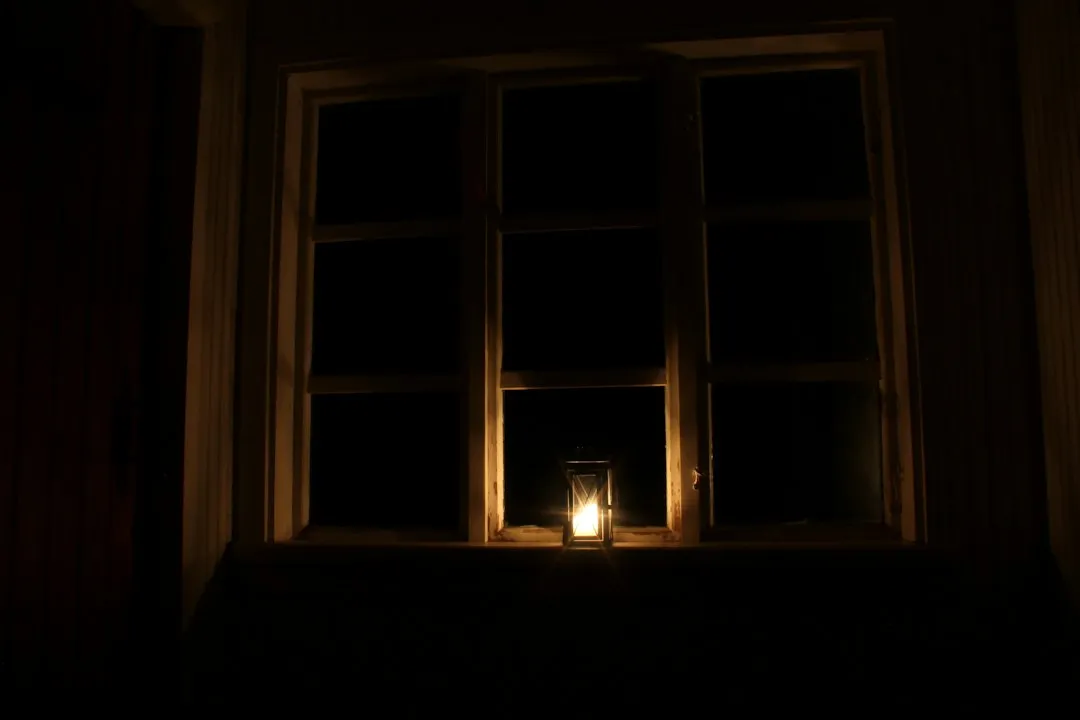
Power outages feel passive. They are something that happens to you, not something you do. That framing is part of what makes the fire risk so easy to overlook. The danger is not in the darkness itself. It is in the decisions made in the dark, the candle left burning, the generator placed too close to the house, the space heater crowded by winter blankets.
The data from the CPSC, USFA, NFPA, and CDC all point in the same direction. Outages consistently create the conditions for fire, and those fires hit harder because response systems are slower and early-warning tools may have gone offline with the grid. Understanding that sequence clearly is not alarmist. It is simply what the evidence shows, and knowing it in advance is the only practical protection.
AI Disclaimer: This article was created with the assistance of AI tools and reviewed by a human editor.