
Merriam-Webster has expanded its dictionary with 1,400 new words and definitions that capture shifts in how people communicate today. The update reflects broader cultural patterns around personal transformation, seasonal relationships, and workplace habits. It arrives at a time when digital slang moves quickly from social platforms into everyday conversation. ([1])
Why the expansion matters now
Language changes faster than ever because of social media and remote work. Dictionary publishers must decide which terms have enough staying power to warrant inclusion. Merriam-Webster’s latest round shows the company tracking those patterns closely rather than waiting for terms to settle for years. The result gives writers, editors, and students a clearer reference point for current usage.
Key additions that stand out
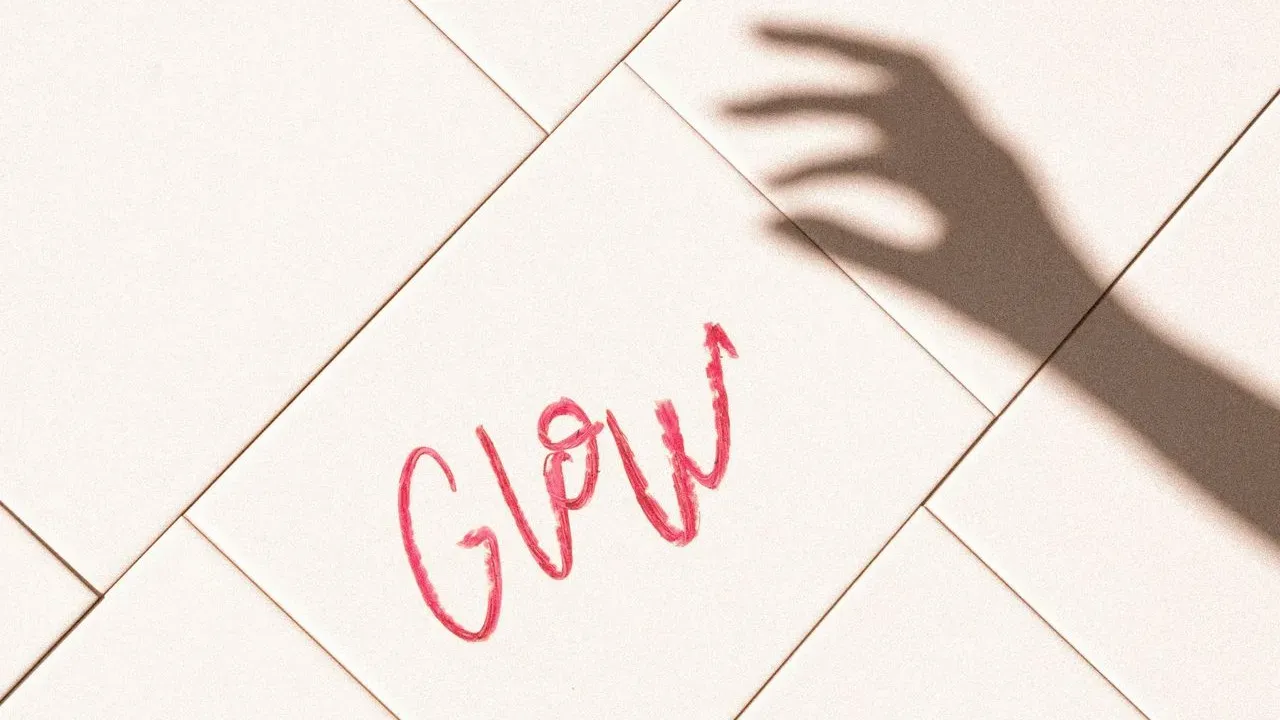
Several entries highlight personal and social experiences that have gained traction in recent years. “Glow-up” describes a noticeable improvement in appearance or confidence, often after deliberate effort. “Cuffing season” refers to the period when people seek steady partners as colder months approach. “Sunday scaries” captures the anxiety many feel on weekends as the workweek looms. “Vibe coding” points to a relaxed approach to programming that prioritizes feel over strict structure. These terms join a longer list of additions that together paint a picture of contemporary life. They cover everything from wellness routines to digital interactions. The selection process at Merriam-Webster involves monitoring frequency, context, and evidence of sustained use across sources.
Practical effects for readers and professionals
Writers and editors gain a standardized spelling and definition for terms that previously floated in informal spaces. Students working on papers or reports can now cite these entries with greater confidence. Businesses that produce content for younger audiences may find the update helpful when aligning language with audience expectations. The dictionary itself benefits from remaining relevant in a market where free online tools compete for attention.
Broader context for language tracking
Merriam-Webster has long balanced tradition with responsiveness to new usage. Past updates have incorporated technology terms and social movements as they proved durable. The current batch continues that approach by focusing on expressions tied to mental health, relationships, and creative work. Observers note that such updates help preserve a record of how society talks about itself at a given moment. The 1,400 entries represent a measured response to ongoing linguistic change rather than a rush to include every passing trend. They underscore the dictionary’s role as both a record and a practical tool.
AI Disclaimer: This article was created with the assistance of AI tools and reviewed by a human editor.