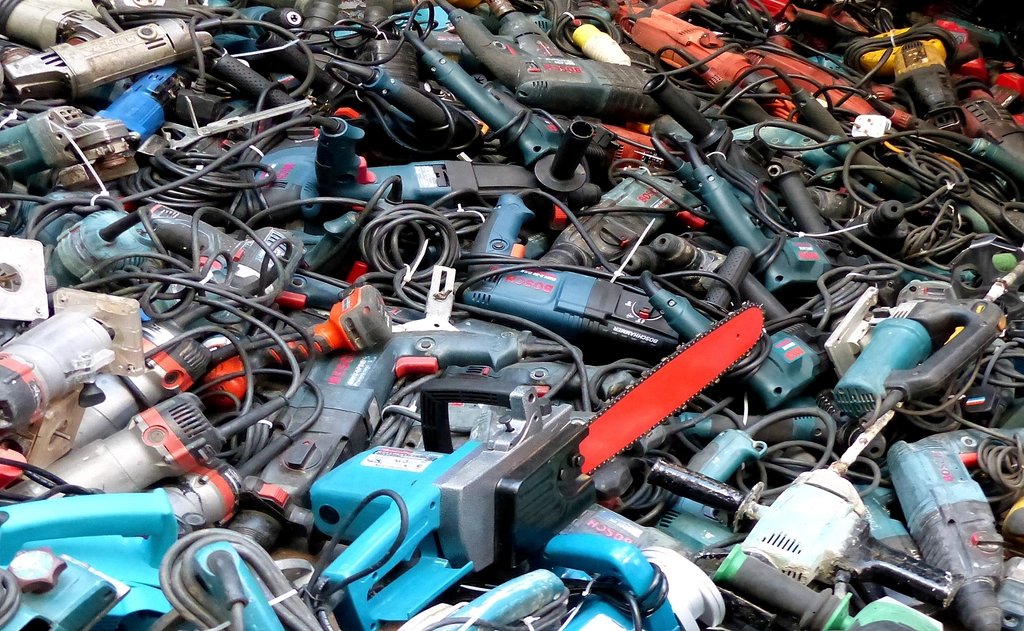

There’s a real case to be made for buying used tools. The secondhand market is full of well-built equipment that still has years of work ahead of it, and knowing how to spot the good from the gone saves both money and frustration. The challenge is that a tool can look fine on the outside while quietly failing on the inside, or it can look rough and still be completely salvageable.
Getting this right takes a bit of knowledge and a few minutes of honest inspection. The ten checks below cover the most important things to look at, from the housing to the battery contacts, so you can make a confident call before handing over any money.
1. Start with the Housing and Body
Watch out for cracked tool housing and missing screws and parts. Make sure all guards and safety features are in place. These aren’t just cosmetic issues. A cracked body can allow dust and moisture to reach internal components, which speeds up motor degradation significantly.
Check the housing for cracks, dents, or missing screws that could allow dust or moisture to enter. Pay attention to handles and guards, since loose or damaged parts can compromise safe operation. If the housing looks like it’s been dropped hard or has stress fractures near the switch area, that’s worth pausing on. A tool’s shell protects everything inside it, and once that protection is compromised, the clock runs faster.
2. Listen While It Runs
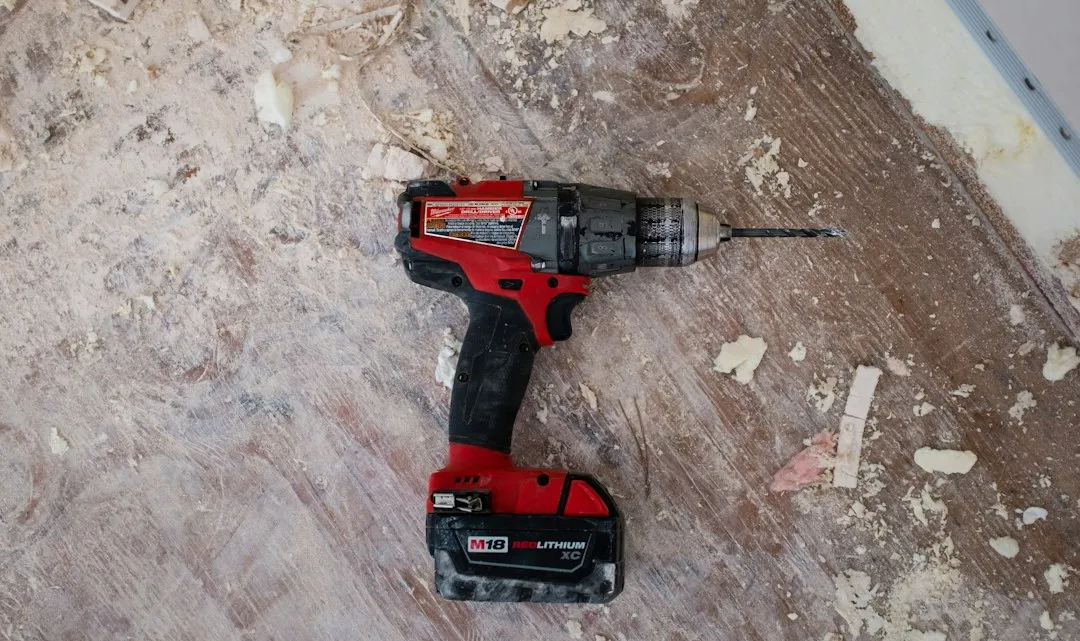
Listen for unusual noises and note how the tool feels in your hand. Wobbling could mean a blade or shaft is loose. A smooth-running tool produces a consistent hum. Grinding, rattling, or intermittent stuttering tells a different story entirely.
Whenever possible, plug in the tool or turn it on. Listen for unusual sounds like grinding or buzzing, which could point to internal damage. Even a brief test run can reveal bearing wear, loose internal components, or an overworked motor. It takes thirty seconds and can save a costly mistake.
3. Inspect the Cord and Plug on Corded Tools

The plug should have its original prongs intact. If you see any signs of fraying, loose, exposed, or taped wires, you’re better off not buying the tool. Taped wiring is a signal that someone tried to patch a problem rather than fix it properly, and electrical repairs done informally rarely hold up under regular use.
Inspect cords and cable insulation for cracks, kinks, or exposed conductors before every use. When buying secondhand, this step is non-negotiable. A cord replacement can be done, but it adds cost and effort, and some older models make parts hard to source.
4. Check the Battery and Its Contacts
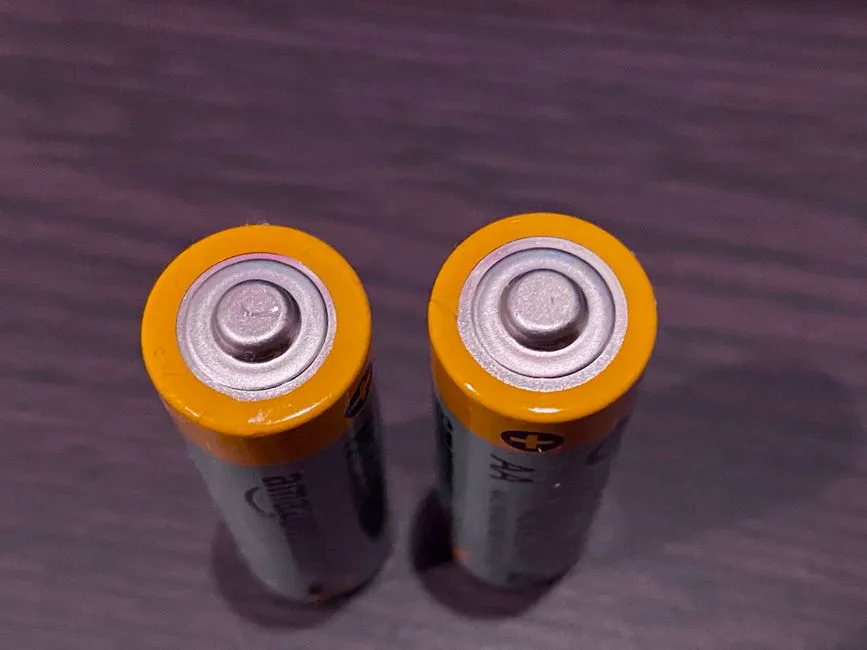
If you decide to buy used, be sure to check the battery contacts for rust or corrosion, as they can usually indicate if a cordless tool will need to have its battery replaced soon. This is one of the clearest signals available and takes only seconds to check. Corroded contacts don’t just reduce performance, they can cause inconsistent power delivery that damages the motor over time.
Battery packs may only last a few years. New packs can get expensive quickly, so test run the tool long enough to ensure the battery holds up. Only buy a used cordless tool from a seller who can tell you how old it is. Replacing a battery pack on a cordless tool can cost as much as the tool itself, so knowing the battery’s age matters a great deal before you commit.
5. Watch for Signs of Carbon Brush Wear

If a tool sputters or sparks, check its brushes, which are small blocks of hardened carbon that wear out over time. Carbon brushes are a normal wear item in many corded power tools, but when they’re worn down, the symptoms become hard to ignore. Sparking through the vents, intermittent power loss, and a burnt smell are all signals.
Brushes are sacrificial. As they shorten, spring pressure drops, contact gets inconsistent, arcing starts, and heat follows. Ignoring it leads to arcing that pits the commutator in ten to twenty operating hours, and insulation can start failing above 180 degrees Fahrenheit. The good news is that brush replacement is inexpensive if caught early. The bad news is that ignoring it turns a small repair into a motor replacement.
6. Look Carefully at Rust and Surface Corrosion
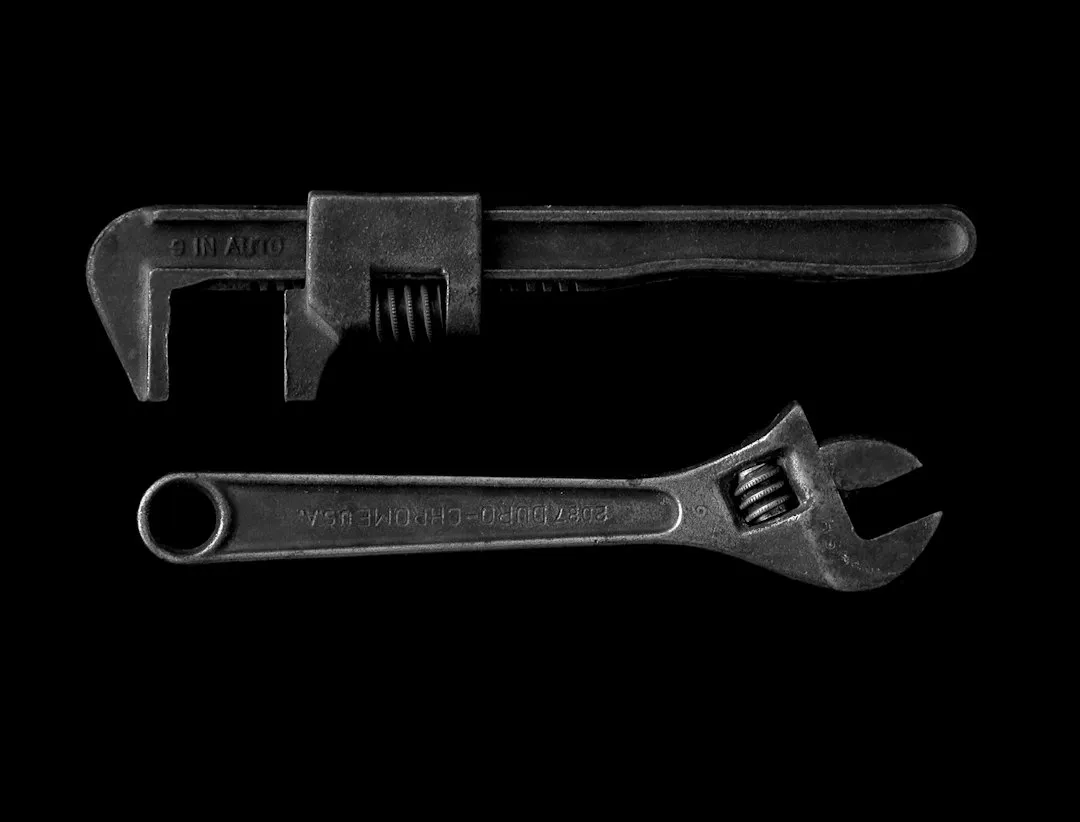
Look over hand tools carefully for corrosion and rust, cracks, or other signs of wear. If a tool has moving parts, check to see that they move freely. Surface rust on a wrench or hammer is often superficial and cleanable. Rust that has pitted the metal deeply, or that sits inside joints and pivots, is a different matter.
Sometimes a rusty wrench that’s sat around accumulating rust is one quick soak and scrub away from looking brand new. One tool could have collected dirt and grime simply from lying around for a long time, barely used. The key distinction is whether the rust is structural or cosmetic. Run a fingernail across the surface. Light rust sits on top. Deep pitting means the metal itself has been compromised.
7. Test All Moving Parts Deliberately
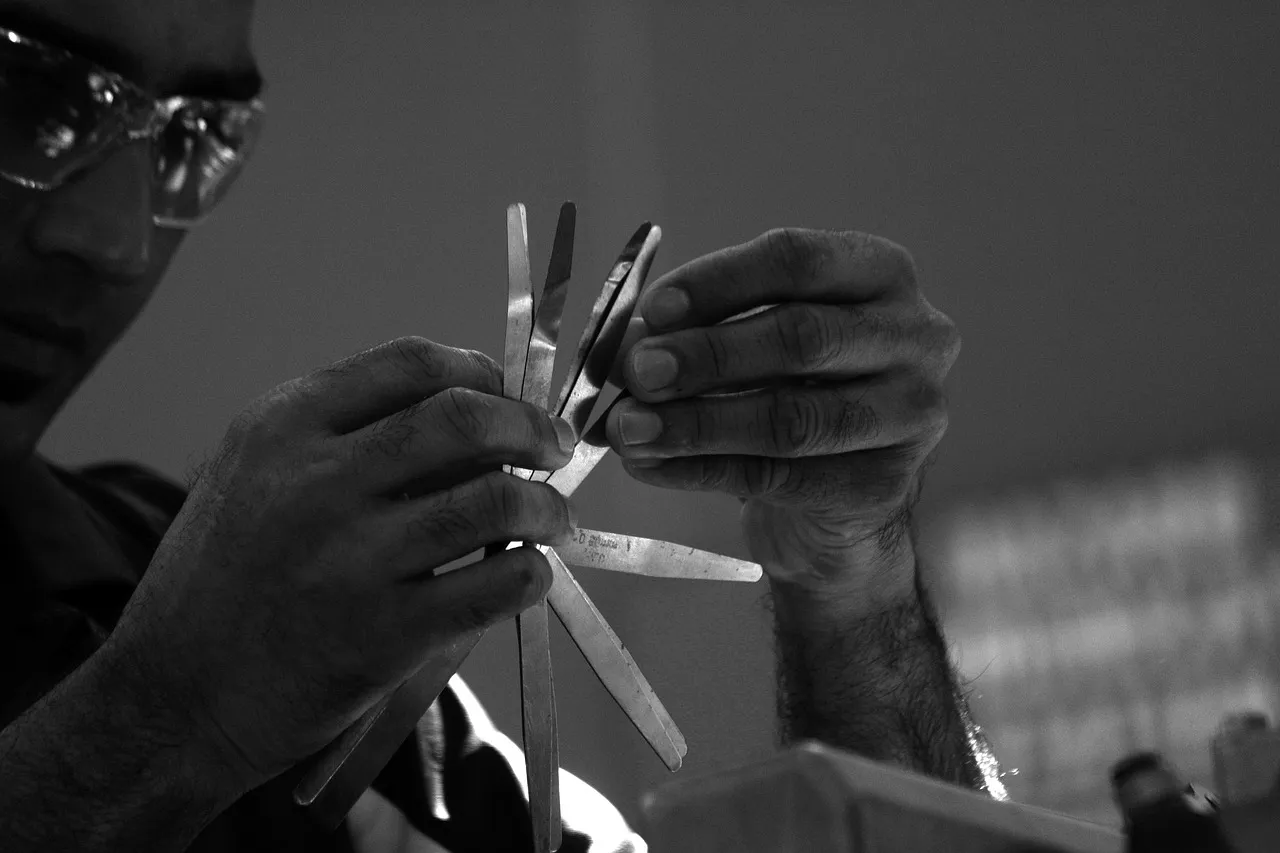
Drift between jaws and rivets, or handles loosening under torque, signal mechanical fatigue. Even misalignment by half a millimetre can cause fit or finish issues. Jaws with play, grips under strain, or binding pivots indicate it may be time for replacement before operator fatigue causes quality issues. These small problems feel minor at first, but under real working conditions they become both annoying and unsafe.
For moving parts like pliers or adjustable wrenches, apply a light machine oil to keep them operating smoothly. Take the opportunity to check for cracks, bent components, loose fasteners, or signs of wear. When inspecting in person, cycle every moving part through its full range of motion. Stiffness or slop in either direction is worth noting, even if it doesn’t immediately disqualify the tool.
8. Check the Brand, Model, and Parts Availability

Quick online research can show common problems reported by other users. This also helps you gauge whether spare parts are still available. A tool from a reputable brand with an active parts ecosystem is worth far more than the same tool from a manufacturer that’s discontinued the line. Spare parts availability is what separates a tool you can maintain from one you’ll eventually have to discard.
A well-made power tool from a reputable brand is designed to last for years, not just a single project. Keeping quality equipment in service reduces waste and supports a more sustainable workflow. The average lifespan of a professional power tool is approximately five to seven years, but well-maintained tools from established brands routinely outlast that estimate by a considerable margin.
9. Ask About Its History
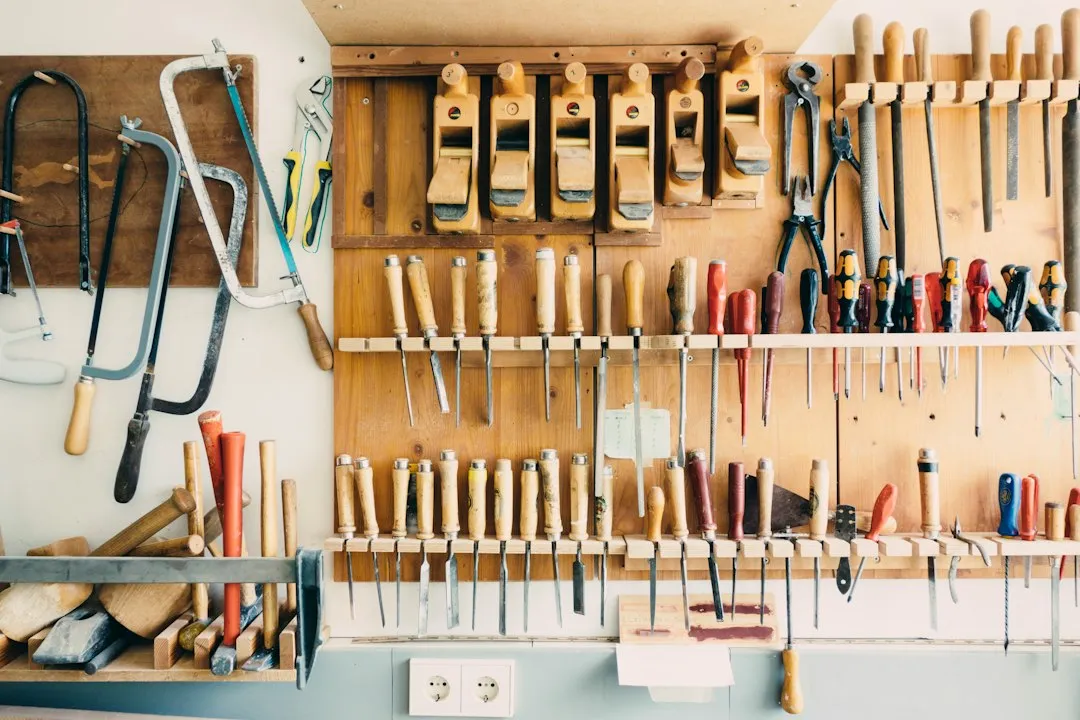
Ask about its history, since pawn shop staff often have insights about how the previous owner used or abused the item. Even private sellers usually know whether a tool came from a light home-use setting or a full-time job site. That context changes the math on how much life is left, considerably.
A used pro tool has a track record that a brand-new tool can’t claim; it has already proven its durability in the real world. A tool that spent three years in a professional contractor’s van has different wear patterns than one used occasionally for weekend projects. Neither is automatically better or worse, but knowing which is which helps you set realistic expectations about what you’re getting.
10. Consider the Refurbished Option as a Benchmark
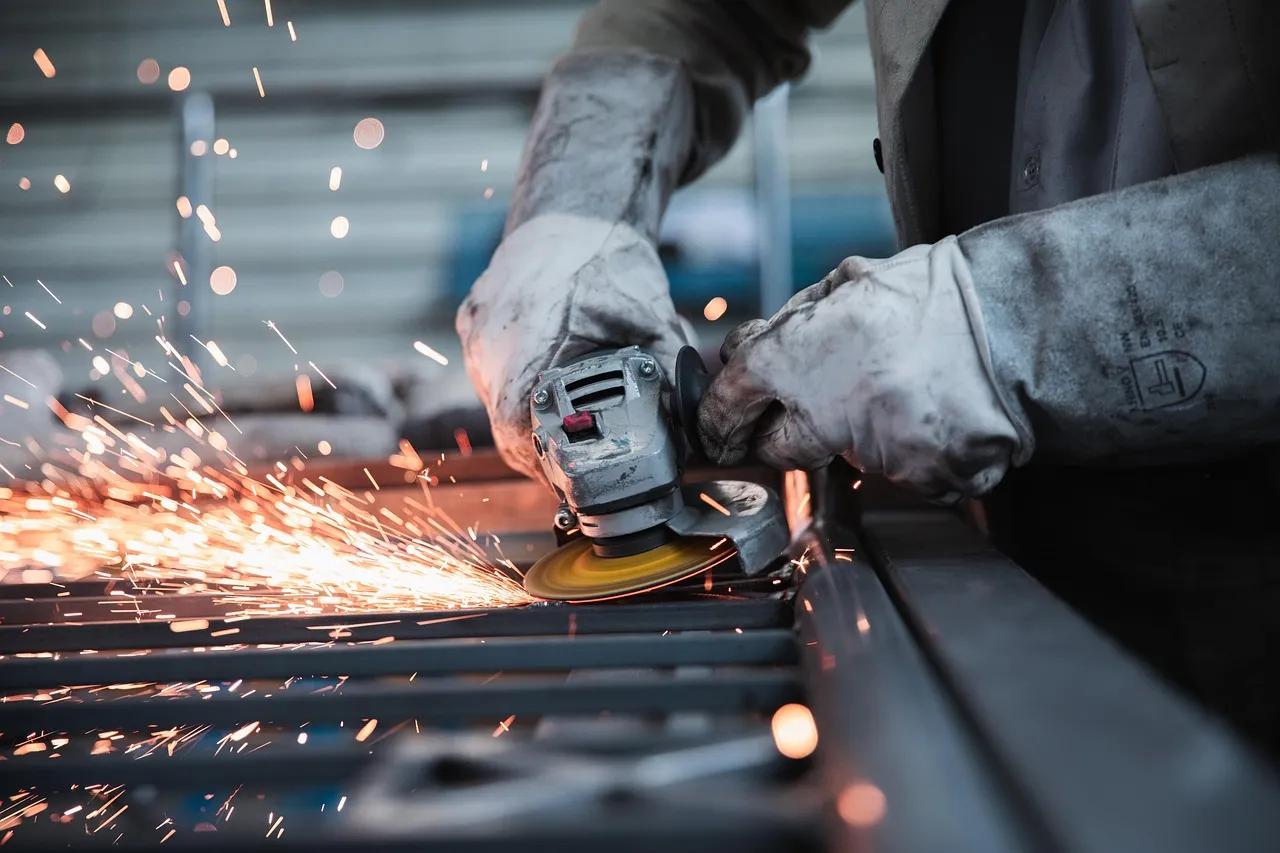
Refurbished products have been recently inspected and repaired to function like new. Always double-check whether a tool has been factory refurbished. When the item is officially factory refurbished, it often comes with a warranty and the original accessories straight from the brand shop. Knowing what factory refurbished looks and costs like gives you a useful reference point when evaluating strictly used options.
Compare the original price of the new tool on brand websites, Amazon, or Home Depot. A good refurbished deal should be roughly twenty to thirty percent cheaper than buying new. If a used, uninspected tool is priced only slightly below a certified refurbished one, the math often favors the refurbished route. Warranty coverage typically expires with the original owner. Some manufacturers offer transferable warranties, but it’s relatively rare. If a warranty is important, consider buying new.
The Takeaway
Buying a secondhand tool isn’t a gamble if you know what to look for. The global used machine tools sector was projected to hit around 2.17 billion dollars in 2025, driven by businesses cutting capital costs by up to roughly half, which tells you just how normal and widespread this practice has become. The market is mature, the tools are often genuinely good, and the savings are real.
The difference between a smart buy and a frustrating one usually comes down to ten minutes of careful inspection. Check the housing, run the tool, test the battery, look for rust that goes deeper than the surface, and find out what you can about its past. So long as you have good customer savvy and patience, buying secondhand can be a good way to expand your toolbox without breaking the bank. Prioritize your safety, thoroughly inspect any tool before you buy, and take advantage of opportunities to negotiate costs down for the best possible deal. A tool that’s been well used isn’t necessarily a tool that’s been used up.
AI Disclaimer: This article was created with the assistance of AI tools and reviewed by a human editor.