

The Appliance That Used to Last a Lifetime
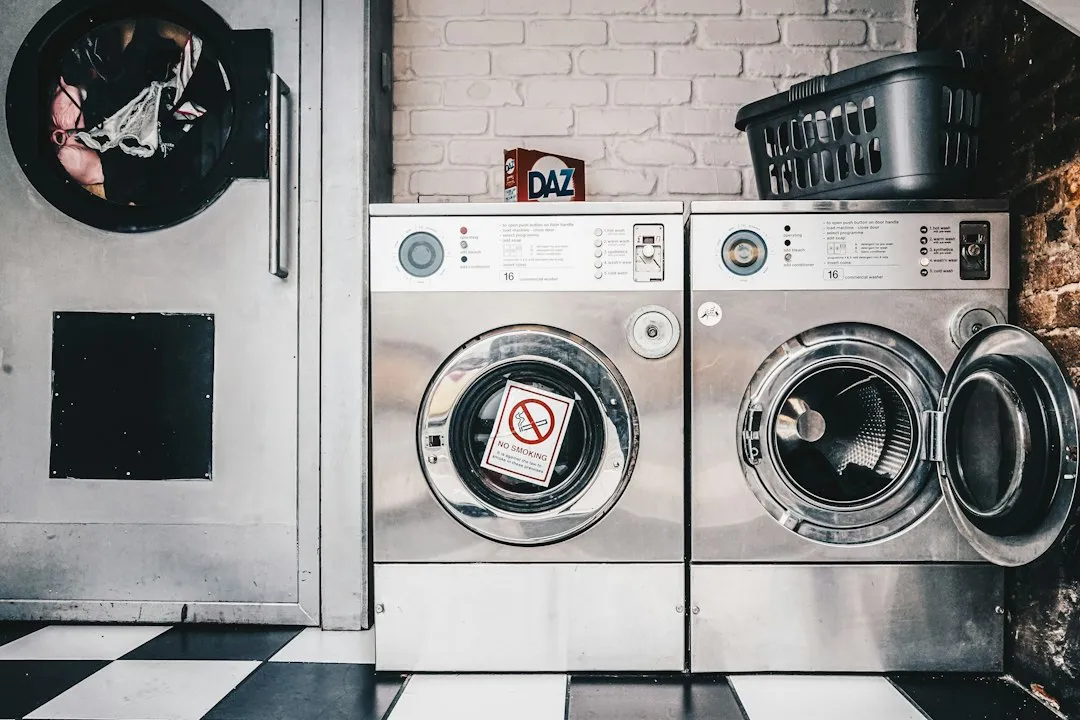
A washing machine from the 1960s or 1970s was built with straightforward mechanical parts that any competent repair technician – or patient homeowner – could access and replace. Many of those machines ran for twenty or thirty years without ever being discarded. Today, the picture is starkly different. Consumer Reports found that roughly six in ten consumers replace rather than repair a broken large appliance, and nearly nine in ten replace small appliances.
The top reasons people give are that the appliance was too old to repair, according to roughly four in ten respondents, or that replacing was simply more cost-effective. That second reason is worth sitting with. It’s not that people don’t want to fix things. It’s that the math increasingly doesn’t work in repair’s favor. Replacing products has become easier, and sometimes cheaper, than repairing them – and over time, this has created a culture where disposal feels expected and durability feels almost old-fashioned.
Clothing: From Darning Needles to Landfill Piles
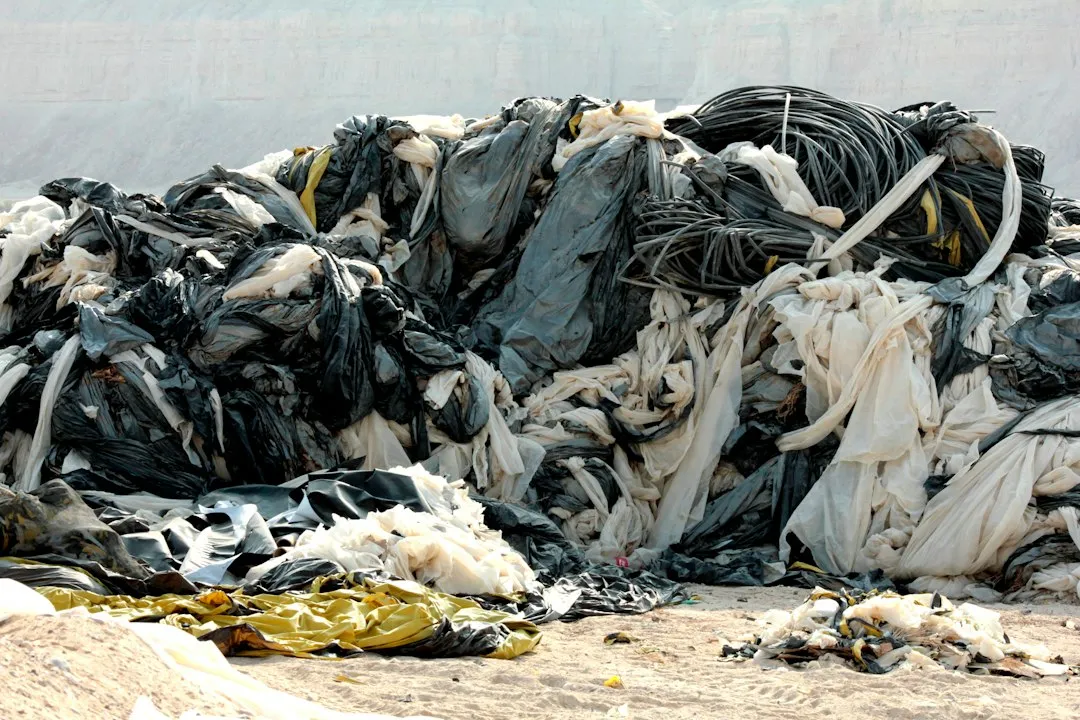
Our grandparents darned socks. They patched elbows, turned shirt collars, and let down hems as children grew. Clothing was expensive relative to income, so it was treated accordingly. That relationship with fabric has been almost completely inverted by fast fashion, which produces cheap garments designed to be worn a handful of times and discarded. The throwaway culture has worsened progressively; today, many items are worn only seven to ten times before being tossed – a decline of more than thirty-five percent in just fifteen years.
Global textile waste reached 120 million metric tons in 2024, up from earlier estimates of around 92 million, and of this total, roughly eighty percent is landfilled or incinerated, twelve percent reused, and less than one percent recycled into new textiles. Those numbers are hard to square with any notion of a sustainable economy. Fast fashion alone contributes over 18 million tonnes of clothing waste annually.
Electronics: Built Not to Last

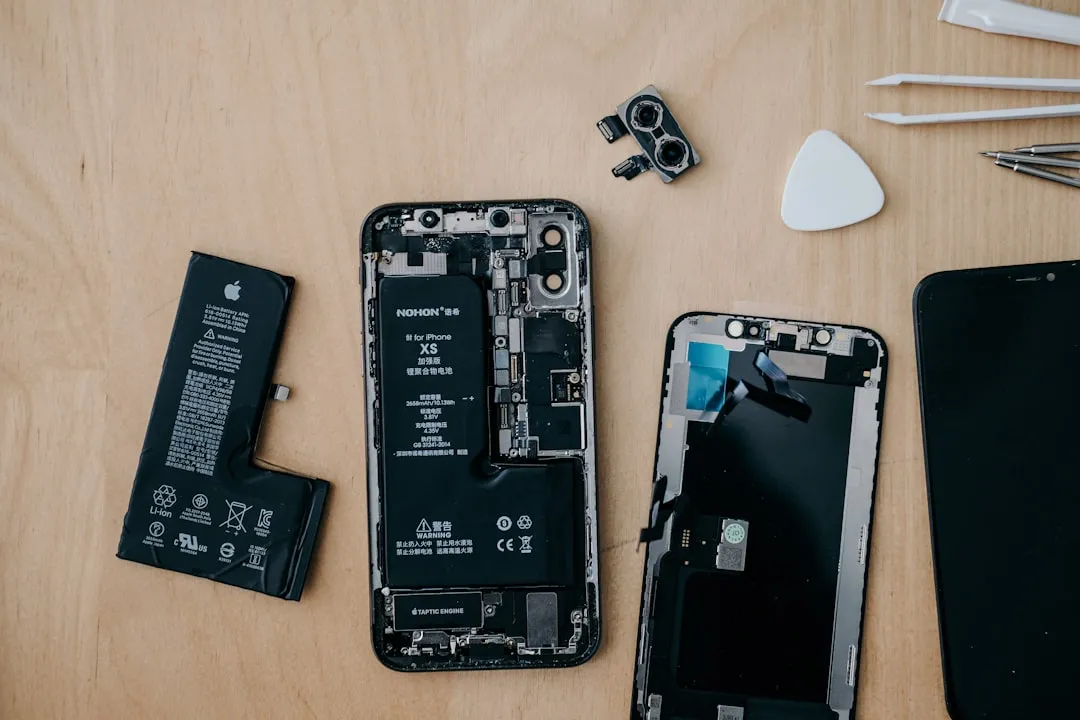
Grandparents kept radios and televisions for decades, calling the repair shop when something buzzed or went dark. Today, consumer electronics have shorter lifespans by design – and repairing them has become technically difficult, legally murky, and financially discouraging. According to the United Nations’ Global E-Waste Monitor 2024, the world generated a record 62 million metric tons of electronic waste in 2022, marking an eighty-two percent increase since 2010.
Of all that e-waste, only about twenty-two percent was formally collected and recycled, while improper disposal releases hazardous substances like lead, mercury, and cadmium that leach into soil and water, contaminating ecosystems and posing risks to human health. The scale of this problem is genuinely difficult to absorb. One of the more notorious examples involved Apple slowing down software and batteries on older iPhones, which essentially pushed consumers toward upgrading to a more expensive phone.
Planned Obsolescence: The Strategy Behind the Cycle
The shift from repair to replacement didn’t happen accidentally. As product categories matured and innovations slowed, companies realized that highly durable goods limited future sales potential – so by controlling product life cycles, businesses created continuous revenue streams and forced recurring purchases. This is what economists and critics call planned obsolescence, and it now runs through nearly every consumer product category. Fast fashion promotes short-lived trends and low durability, driving up textile waste and consumer turnover – and from phones to fashion to printers, planned obsolescence touches many corners of everyday life.
Planned obsolescence also has a notable impact on the affordability and accessibility of goods; while the initial purchase price of products designed for shorter lifespans might be lower, consumers with limited financial resources are often trapped in a cycle of frequent replacements, leading to higher long-term costs. That’s a quiet but significant form of economic pressure that falls hardest on people who can least absorb it.
The Financial Toll of Replacing the Repairable
The cost of our replacement habit is measurable in real money. A survey conducted for London Recycles ahead of Repair Week 2025 revealed that Londoners spent an average of £464 per person replacing damaged or broken items they believed could have been repaired over the past year – adding up to £3.24 billion across London, a £240 million increase from a similar poll the previous year. That figure is for one city, in one year. Scaled globally, the numbers become extraordinary.
Repairing devices and prolonging their lives could save U.S. households an estimated $40 billion per year and help support the circular economy. That potential saving represents real money sitting on the table, year after year, while the replacement cycle continues. When consumers decide whether to repair or replace, roughly seven in ten focus on the cost of the repair, while about four in ten consider whether they can do it themselves.
Cars: When a Tune-Up Became a Software Update
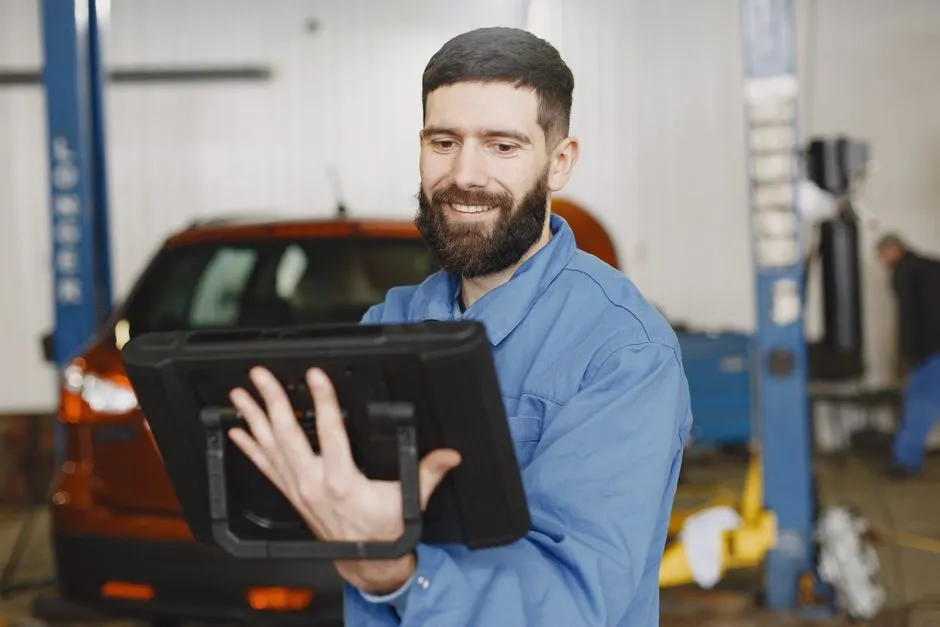
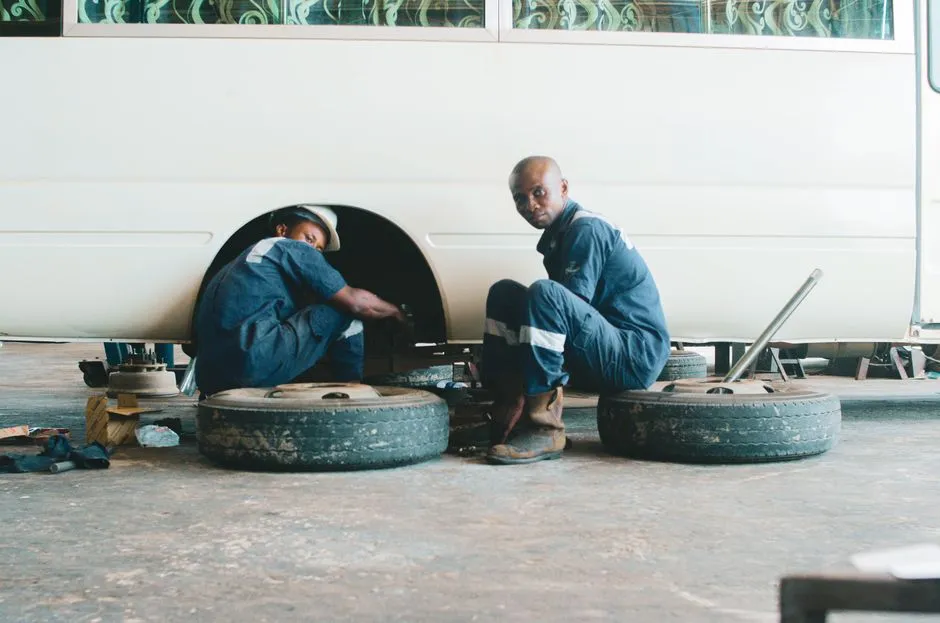
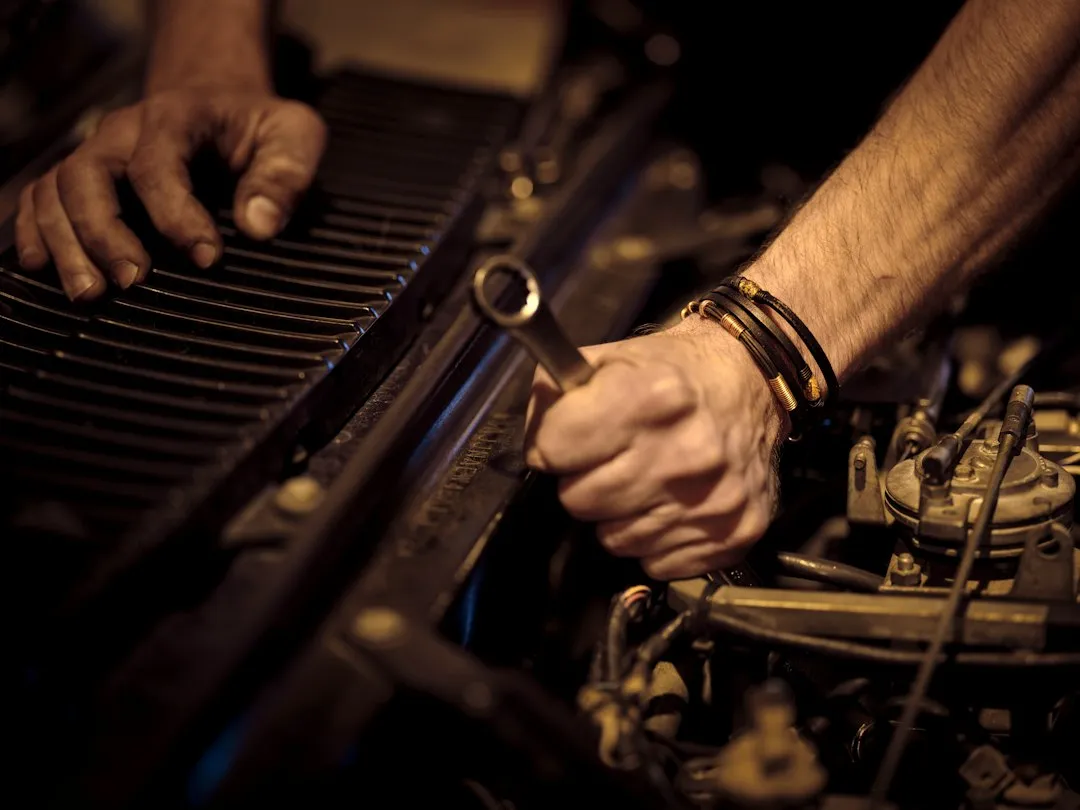
For much of the twentieth century, fixing a car was something many people did in their own driveway. Oil changes, brake pads, spark plugs – these were weekend tasks, not specialist procedures. Modern vehicles are still repairable, but the bar has risen considerably. The consumer price index shows that costs for motor vehicle maintenance and repair have consistently risen through the 2020s, with a particularly sharp increase since mid-2022 – totaling nearly a twenty-five percent rise from early 2022 to June 2024.
At the same time, modern vehicles are embedded with proprietary software systems that effectively lock out independent mechanics. Historically, manufacturers of computers, cars, and tractors have cited copyright law to claim exclusive repair rights, allowing them to sue independent repair companies while preventing consumers from finding lower-cost options. Our grandparents’ cars had no such gatekeeping.
The Right to Repair Movement Pushes Back
The growing awareness of what’s been lost hasn’t stayed quiet. A legal and legislative movement has taken shape around the idea that consumers deserve the right to fix the things they buy. Once a fringe advocacy cause, the right-to-repair movement has grown into a significant regulatory force, with seven U.S. states enacting right-to-repair laws since 2022 and an additional thirty-three states actively considering similar bills.
California’s sweeping Right to Repair Act, which took effect in July 2024, requires consumer electronics and appliance manufacturers to provide repair documentation, parts, and tools for three to seven years after a product’s manufacture date. Oregon’s law went further, becoming the first in the nation to restrict “parts pairing” – a practice that required replacement parts to be linked to a device through proprietary software, which previously forced consumers to pay more than necessary for repairs. These are meaningful shifts, even if the patchwork of state-by-state laws means the picture remains uneven.
Europe’s Approach: Designing for Repairability
Across the Atlantic, the legislative response has been more sweeping. The European Union’s Ecodesign Regulation, which came into force in June 2025, establishes new requirements for smartphone manufacturers with regard to consumer information, product durability, and repairability, with the aim of making electrical appliances more efficient, durable, and resource-friendly. This represents a fundamentally different philosophy from the American approach of letting markets set the terms.
In the EU, new repairability legislation has passed: smartphones and tablets now need to be designed with minimum repairability requirements, and replaceable batteries for electronic devices are becoming the norm. Canada has also joined the movement, with Quebec passing legislation in November 2023 that amended their Consumer Protection Act, banning planned obsolescence in devices and creating a right to repair consumer goods. The contrast with a generation ago – when no such legislation existed anywhere – is stark.
The Skills Gap: Who Even Knows How Anymore?

There’s another dimension to this story that rarely gets discussed: the gradual disappearance of practical repair knowledge itself. When fixing things was normal, the skills passed naturally from generation to generation. Today, many people are unaware of affordable repair options or simply don’t feel they have the skills to fix things themselves. That knowledge gap is both cause and consequence of the replacement culture – each reinforces the other.
Roughly one in three Americans who owned a large appliance that broke disposed of it because they could not find someone they were happy with to fix it. A reliable repair person is exactly what most people are missing – not just the will. Research from the London Repair Week survey found that more than half of respondents agreed that participating in a repair workshop would make them feel more connected to their local community. Repair, it turns out, is also social infrastructure.
What Smart Appliances Have Made Worse

Just as the repair movement has been gaining momentum, a new complication has arrived: the connected appliance. Wi-Fi enabled refrigerators, smart washing machines, Bluetooth toasters – these products combine mechanical complexity with software dependency in ways that create entirely new categories of failure. JD Power’s 2025 study found that Wi-Fi and Bluetooth connected appliances average eighty-seven problems per one hundred units, versus sixty-three for non-connected appliances, and consumers who actively use connected features see nearly fifty percent more problems.
The growing installed base of Wi-Fi appliances is generating a new category of repair demand requiring software diagnostics alongside mechanical skills. Most independent repair shops aren’t equipped for that – and most homeowners certainly aren’t. Our grandparents’ tools were a wrench and a multimeter. Today’s equivalent might require a proprietary diagnostic tablet and a manufacturer login. The U.S. appliance repair industry reached $7.0 billion in revenue in 2025, with growth continuing, suggesting that demand for repair persists even as the act of repairing grows more complex.
The Quiet Return of Repair Culture
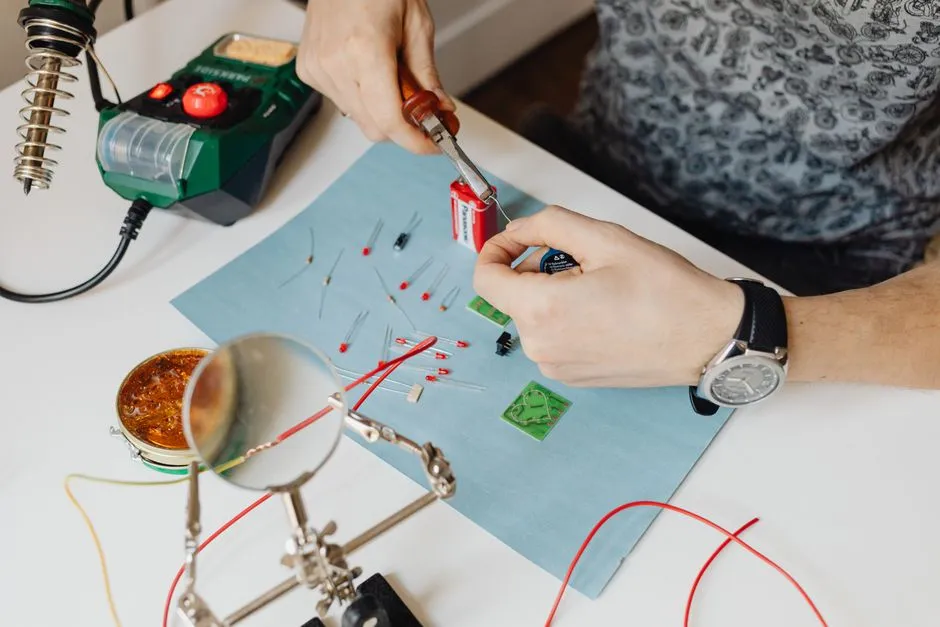
Despite everything, something is shifting again. Community repair cafes have multiplied across the U.S., Europe, and Australia. Thrift and secondhand markets have expanded significantly. By 2025, the apparel thrifting industry was poised to generate over $77 billion as more and more people chose to buy secondhand rather than new. That’s a market signal, not just an environmental preference.
As of early 2025, right-to-repair bills had been introduced in all fifty U.S. states, and twenty state legislatures were actively debating such legislation. The momentum is real, even if the outcome in any given state is uncertain. People seem to be rediscovering something their grandparents knew intuitively: that fixing what you have is usually smarter than throwing it away and starting over.
Where Things Stand Now
AI Disclaimer: This article was created with the assistance of AI tools and reviewed by a human editor.