

The Blurred Line That Remote Work Created
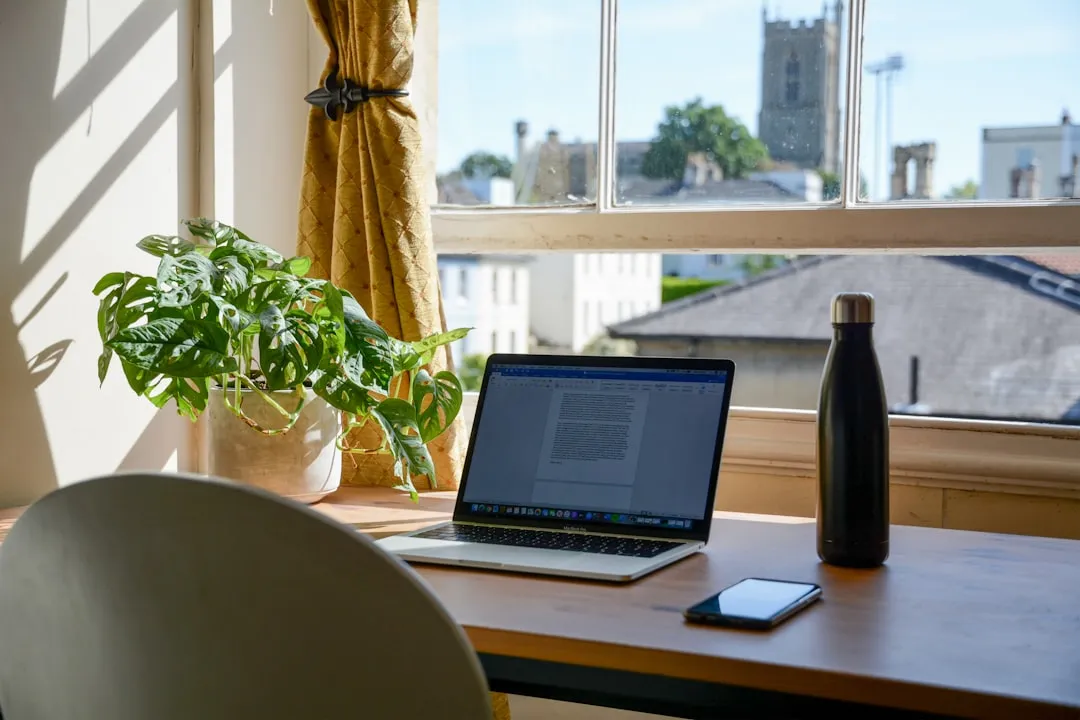
When your office is fifteen steps from your bed, the workday has no natural edges. A survey of 2,000 workers found the top drivers of burnout included working longer hours and the inability to separate work from personal life. A separate Vitality study found that six in ten workers struggled to keep those two worlds apart while working from home. The commute, as tedious as it often felt, served as a psychological airlock. It let you decompress, shift gears, and arrive somewhere mentally rather than just physically.
Routines provide structure that helps remote workers maintain a sense of normalcy and control over their workday. In the absence of traditional cues like commuting or scheduled lunch breaks, the day can quickly become unstructured and chaotic. The fake commute walk is, at its core, an attempt to rebuild that structure from scratch.
What the Numbers Actually Show

Throughout 2025, roughly three quarters of employees engaged in some form of remote work for at least part of the year. That’s an enormous share of the workforce navigating the same structural void. In the United States alone, about 22.8% of employees worked remotely at least part-time as of August 2024, translating to approximately 35.1 million people.
Remote workers in the U.S. save an average of 55 minutes every day by not commuting. That sounds like a gift. The problem is that when remote workers save time from not commuting, only about 40% of that time gets redirected to productive work activities. A meaningful portion simply dissolves into a day without boundaries, which is exactly the problem the fake commute walk tries to solve.
The Mental Health Picture Is More Complicated Than It Looks
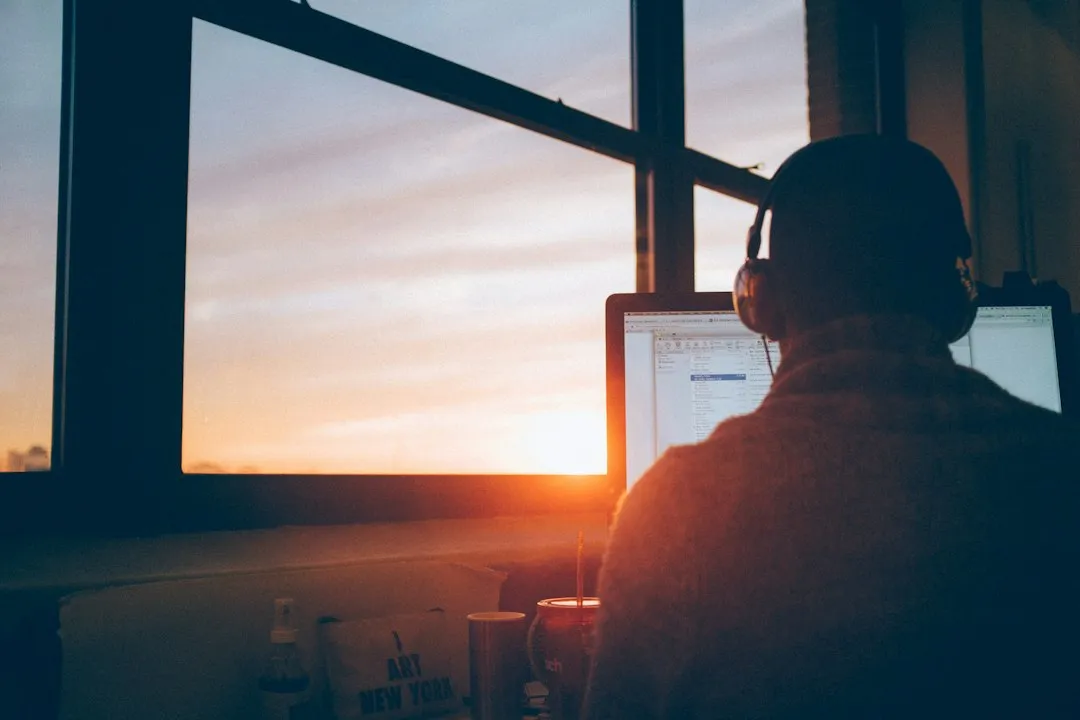
Many studies show that remote working improves job satisfaction and possibly performance in the short term, but a new study published in Science shows that long-term effects on mental health may instead be negative. That tension between short-term relief and long-term cost is important. By 2024, workers in remote-eligible roles were spending about 30% of workdays fully remote, and researchers also documented a precipitous rise in mental health problems for those same workers.
Fully remote workers report a 20% higher burnout risk, and roughly a quarter experience loneliness, compared to about 16% among in-office staff. That loneliness statistic matters a lot here. All these impacts were worse for remote workers who live alone, who saw the largest increase, around 83%, in chances of spending their days with no social contact whatsoever. A simple walk outside, even a solitary one, breaks that pattern in a small but real way.
Why Walking Specifically Works
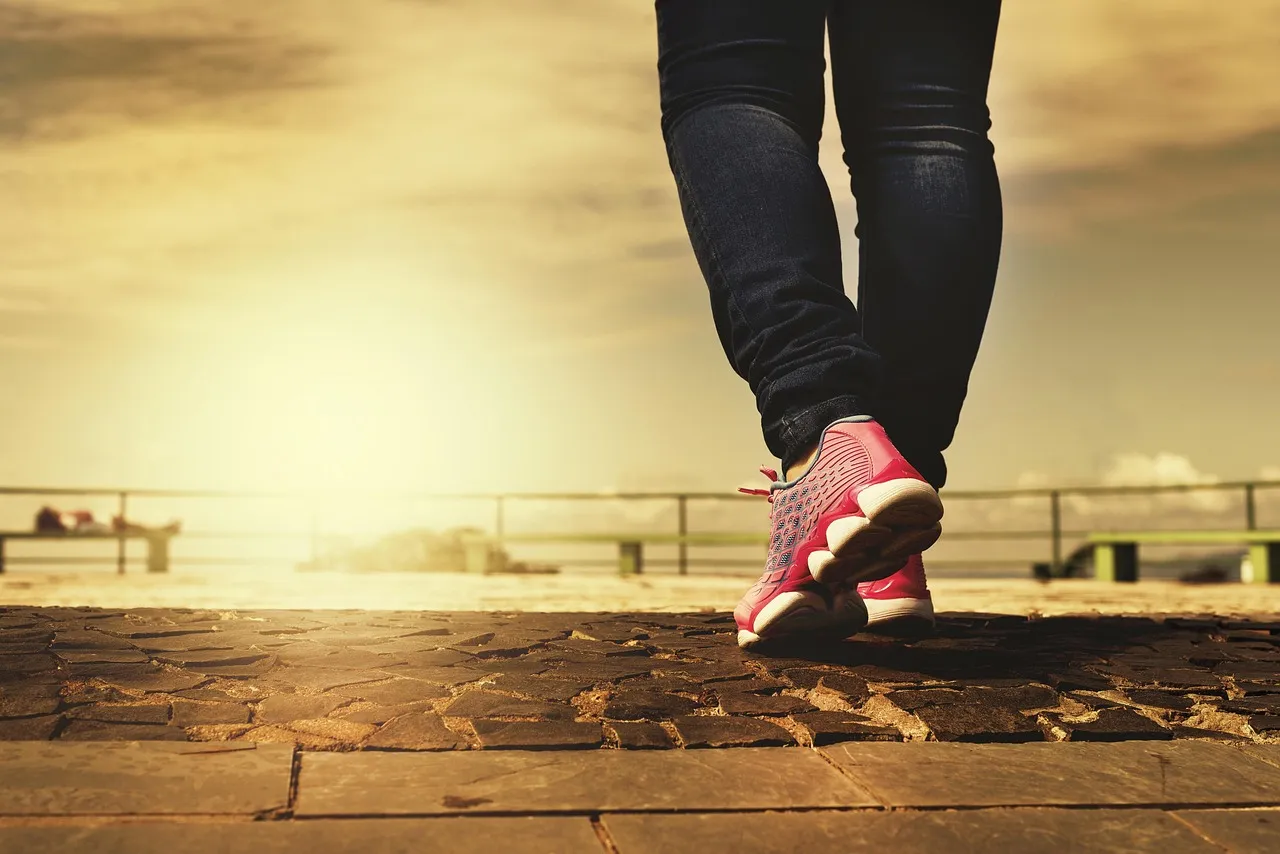
A 2024 review in Discover Psychology, examining dozens of experiments, concluded that low-intensity natural walking reliably boosts originality and divergent thinking. These are the cognitive functions behind idea generation, problem-solving, and innovation. Notably, the effect was present even after just a few minutes of walking.
A 2021 study in the Journal of Environmental Psychology followed employees with stress-related complaints who participated in periodic walk-and-talk coaching in nature. Compared to a control group, participants reported nearly twice as many positive changes in areas like mental health, job satisfaction, and self-esteem. The body of evidence on walking is consistent enough that it’s hard to dismiss this as a wellness trend with no real grounding.
Creating a Mental Boundary Between Home and Work
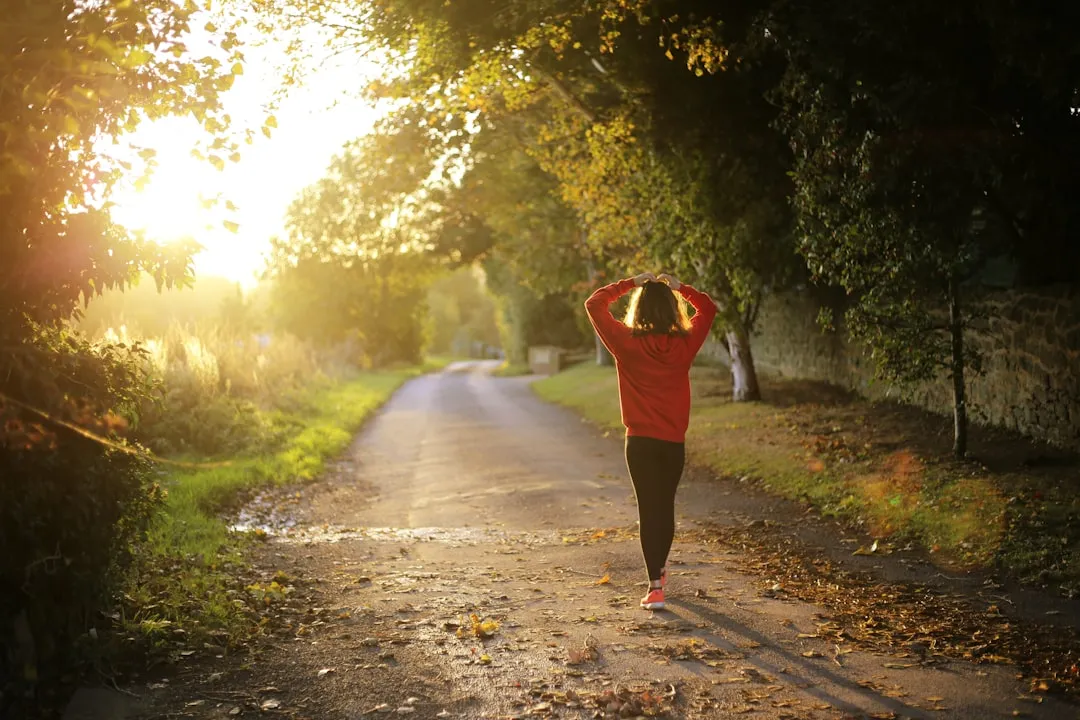
Although the commute was sometimes stressful and a drain on time, it also gave workers a window before and after work to close off their thoughts, arrive at work with a “work mindset,” or arrive home with the day’s tensions left behind. The fake commute walk mimics exactly that transition. It’s a signal to the brain that a shift is happening.
A 10 to 15 minute morning walk replaces the commute psychologically. It creates a clean start-of-work signal, hits you with morning light that resets your circadian rhythm, and can double as a walking one-on-one with a teammate. The ritual doesn’t have to be elaborate. It just has to be consistent and intentional.
The Customizable Nature of the Routine
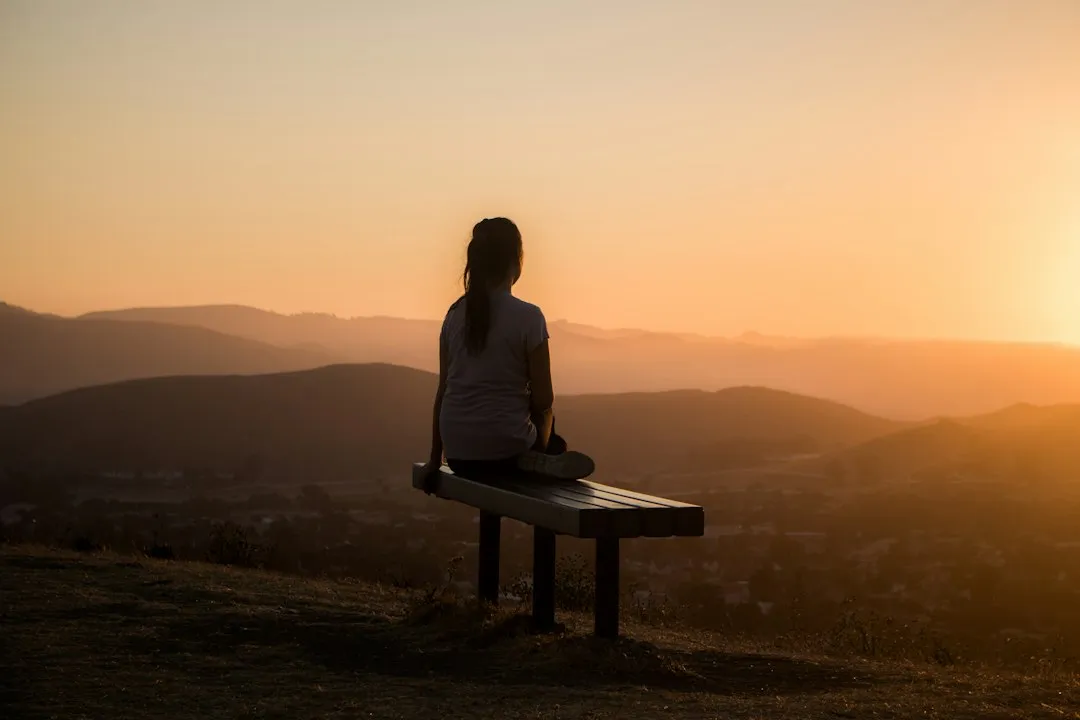
The beauty of the fake commute is that it’s completely customizable. You might start your day with a short meditation, a favorite podcast, or a few minutes of journaling. These rituals can create a calm, intentional start and end to each day. There is no single correct version of this habit.
Julie Broderick, a physiotherapy researcher at Trinity College Dublin, has published extensively on “movement snacks,” brief two-to-ten minute activity bursts that bump energy expenditure without requiring a formal workout. The fake commute walk fits neatly into that category. It’s low-friction, low-commitment, and genuinely effective when done consistently.
Morning Light and Circadian Rhythm

One underappreciated element of the morning fake commute is its timing. Getting outside within the first hour of waking exposes the eyes to natural daylight, which plays a direct role in regulating the body’s internal clock. This isn’t optional biology. The circadian rhythm governs sleep quality, alertness levels, and mood, all of which feed directly into how well someone performs at a desk later in the day.
A morning walk creates a clean start-of-work signal and hits you with morning light that resets your circadian rhythm. Remote workers who skip this entirely, rolling from bed to laptop in a darkened room, are essentially working against their own neurology. The walk changes that equation with minimal effort.
The End-of-Day Walk Matters Just as Much
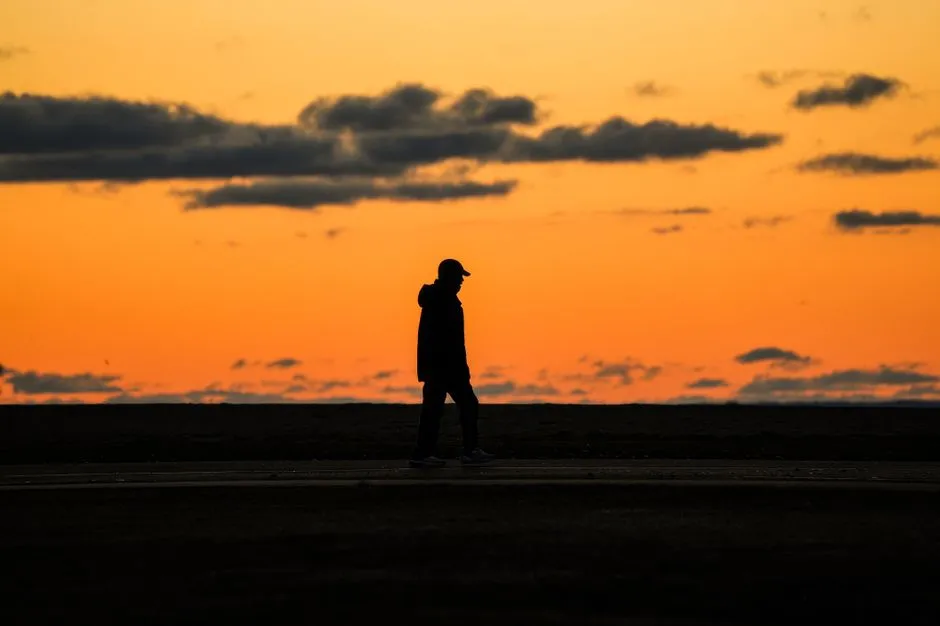
Most conversations about the fake commute focus on the morning ritual. The evening version, however, may be equally important. The traditional commute served as a decompression chamber at day’s end, a quiet period when the brain could process, unwind, and return to life outside work. Without it, many remote workers report a persistent sense of never being truly off.
An evening walk after the last meeting acts as a boundary walk. It signals to the body that the workday is over, even when the office is the kitchen. Walking as exercise has documented mental and physical benefits, but the ritual value is significant too. It helps workers shut off the work brain and creates a boundary between the person and overworking.
How It Addresses the Burnout Problem

TravelPerk and Buffer have reported that roughly four in five remote workers check email after hours, with nearly half now working more than they did before the pandemic. That’s not a productivity story. That’s a boundaries story. High levels of stress, isolation, or burnout, reported by more than half of employees in a 2024 NAMI/Ipsos survey, can counteract the potential benefits of remote work.
A fake commute walk doesn’t eliminate burnout on its own. Nothing does that alone. What it does is introduce a reliable checkpoint, a moment where you stop, move, breathe outside air, and exist outside the context of work. Over time, that checkpoint becomes a psychological firewall. Remote work offers flexibility but requires intentional effort to create a sustainable and balanced routine. By establishing a fake commute and setting clear boundaries, remote workers can enjoy both productivity and well-being. Creating that healthy routine is about more than productivity and it supports mental health in the long run.
The Social Dimension People Don’t Talk About Enough

One quiet benefit of the fake commute walk is that it gets people outside, where accidental social contact happens. A nod to a neighbor, a brief exchange at a coffee shop, a moment of shared space with other humans. These micro-interactions are easy to dismiss as trivial, but research suggests they contribute meaningfully to a sense of connection. People easily recognize that the commute was a pain, but they tend to underestimate how much they would miss the social contact embedded in that daily movement.
Remote work offers clear benefits including better work-life balance, reduced commuting time, and a more comfortable workspace. Yet the mental health picture is mixed, and a significant number of professionals report that their mental health improved specifically when they added structured physical movement to their remote day. The walk is a small, low-cost intervention that addresses several problems at once.
A Habit That Reflects a Broader Shift in How We Think About Remote Work

The popularity of the fake commute walk reflects something deeper than a wellness trend. It signals a growing maturity in how remote workers understand their own needs. The early days of working from home felt like pure freedom. Over time, it became clear that freedom without structure creates its own kind of pressure. Remote work status may function as a social determinant of mental health, and research findings suggest that hybrid work may represent a healthier working style for many people.
Remote work offers flexibility, but it also requires intentional effort to create a sustainable and balanced routine. The fake commute walk is one of the most accessible ways to build that intention into the day. It costs nothing, requires no equipment, and takes fifteen minutes. The workers who have adopted it aren’t trying to recreate the old commute. They’re taking the one useful thing it offered and choosing it deliberately, on their own terms.
The Takeaway
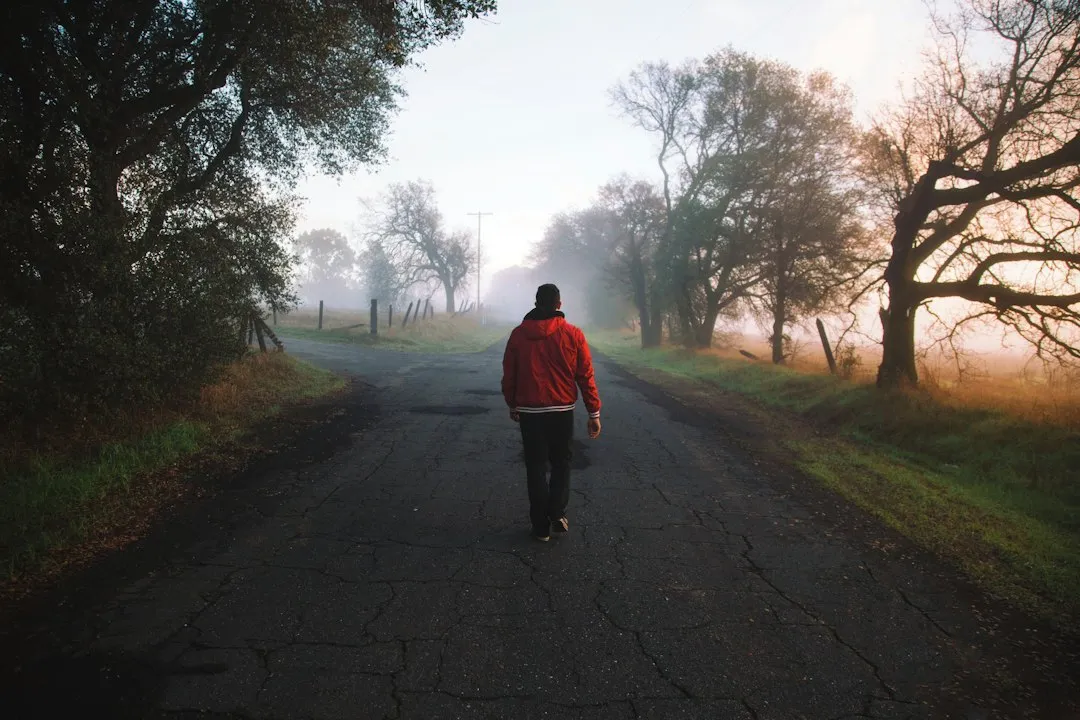
The fake commute walk isn’t a workaround or a productivity hack dressed up in wellness language. It’s a practical response to a real structural gap that remote work created. The commute, for all its genuine inconveniences, was also doing useful psychological work. When it disappeared, so did the transition ritual, the daylight exposure, the physical movement, and the mental boundary that separated the person from the job.
The workers adding this habit back into their mornings aren’t being nostalgic. They’re being strategic. And the research on walking, circadian rhythms, burnout, and loneliness all point in the same direction: a short walk outside, done consistently, makes the day go better. Sometimes the simplest interventions are the ones that actually hold.
AI Disclaimer: This article was created with the assistance of AI tools and reviewed by a human editor.