

Most dog owners know the sound well. Your dog shuffles to their favorite spot, circles a few times, and then drops down with a long, dramatic exhale that fills the room. It feels almost human. In a quiet way, it actually is.
Canine sighing is one of those behaviors we tend to overlook, yet it carries real physiological and emotional weight. Understanding what’s behind those deep exhales helps you read your dog more clearly and respond to what they actually need.
It’s Rooted in Basic Physiology
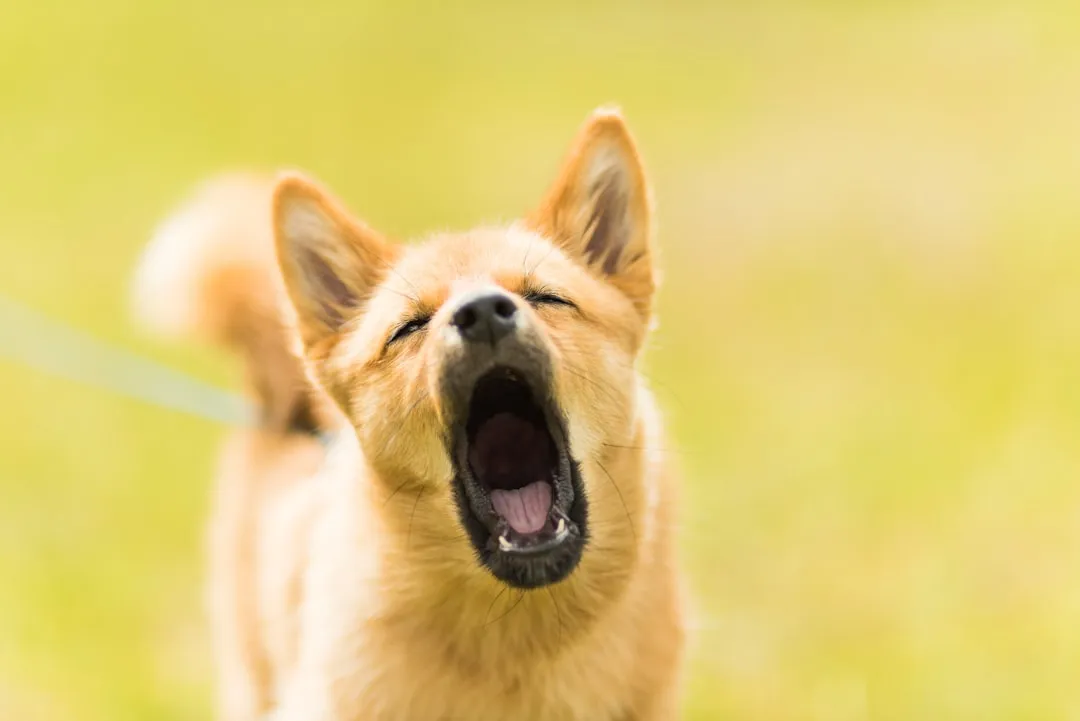
Sighing is a natural body function common to humans and other animals, according to Dr. Jerry Klein, DVM, chief veterinary officer at the American Kennel Club. He describes it as a moment where “the normal quiet respiratory rate is interrupted involuntarily by a louder and longer inhale followed by an appropriate exhale.”
A dog’s sigh is physically similar to ours – a deep breath followed by a slow, exaggerated exhale. As Dr. Samantha Palermo, DVM, explains, the physiological result of a sigh is to bring oxygen into the body to supply important organs and tissues with energy and expel carbon dioxide on the exhale.
The physical act of lying down itself can push out a breath, resulting in a sigh. This sigh can be big or small, but it’s usually a one-time event followed by normal breathing. So sometimes, the loud exhale isn’t emotional communication at all. It’s just what happens when a body settles into a horizontal position.
The Lungs Have Their Own Agenda
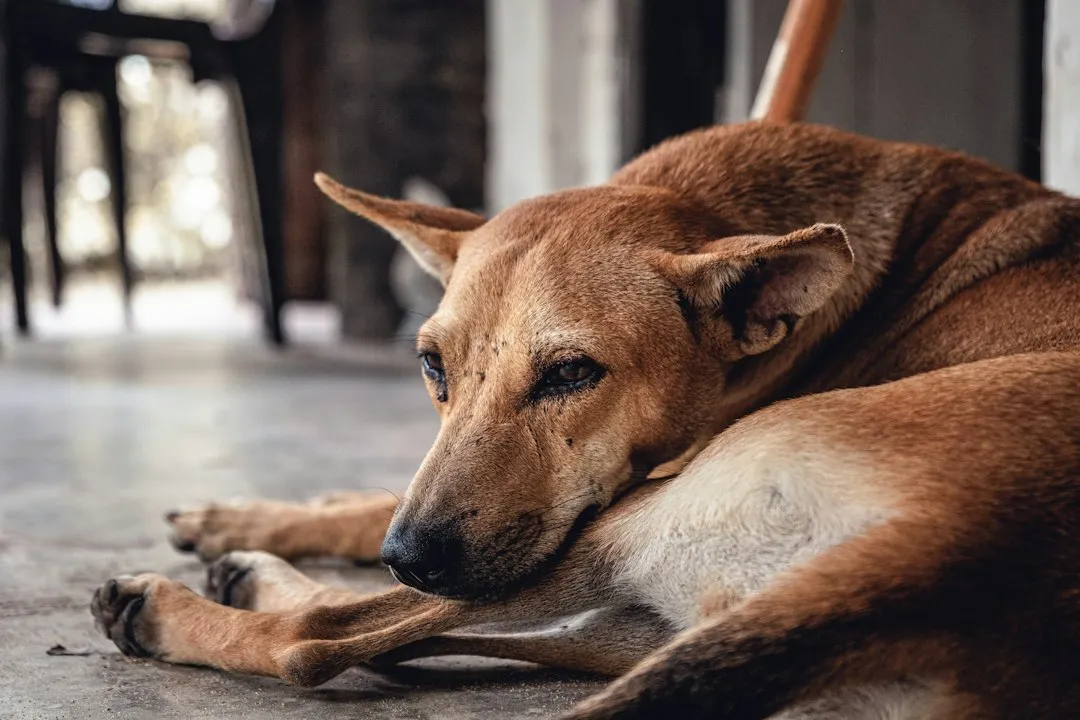
Sighing is a natural spontaneous reflex that happens for all mammals, including dogs, multiple times every hour to help keep the lungs working properly. This isn’t something your dog consciously decides to do.
The lung is composed of hundreds of millions of alveoli, the gas exchange units at the terminal ends of the respiratory tract. During normal breathing, alveoli can spontaneously collapse, a pathological condition known as atelectasis. A sigh is thought to reverse this collapse, because it is a large breath that re-expands all alveoli, filling them with air.
These occasional deep breaths stretch the lungs and prevent alveoli, the tiny air sacs in the lungs that facilitate gas exchange with blood, from collapsing. As Dr. Klein puts it, “Occasionally, some air sacs can collapse, and sighing can help reset them.” In other words, the loud sigh your dog lets out when lying down may literally be their lungs resetting themselves.
Contentment Is the Most Common Reason
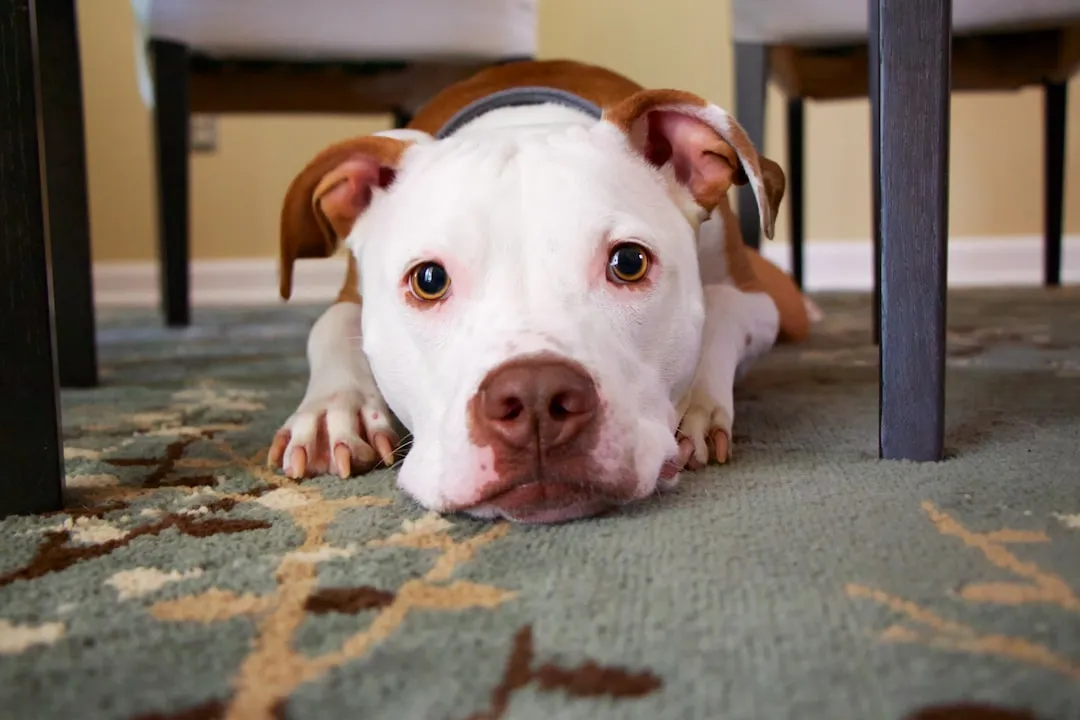
Contentment is one of the biggest reasons dogs sigh, especially if they sigh while resting or before lying down. If your dog lets out a loud sigh after a fun day and proceeds to settle in and relax, there’s a good chance they let out that breath because they feel content and safe.
According to Dr. Rhiannon Koehler, DVM, MPH, “your dog’s laying down, just kinda resting and you hear them sigh, that’s usually going to be just that nice sign of contentment that they’re comfortable in their environment.”
A dog who sighs while or after lying down is likely expressing pleasure, especially if they end up with their head on their forepaws. A clue to the sigh’s sentiment is the dog’s eyes: half-closed lids indicate contentment. It’s essentially a dog’s version of a satisfied exhale at the end of a good day.
The Eyes Tell You Everything
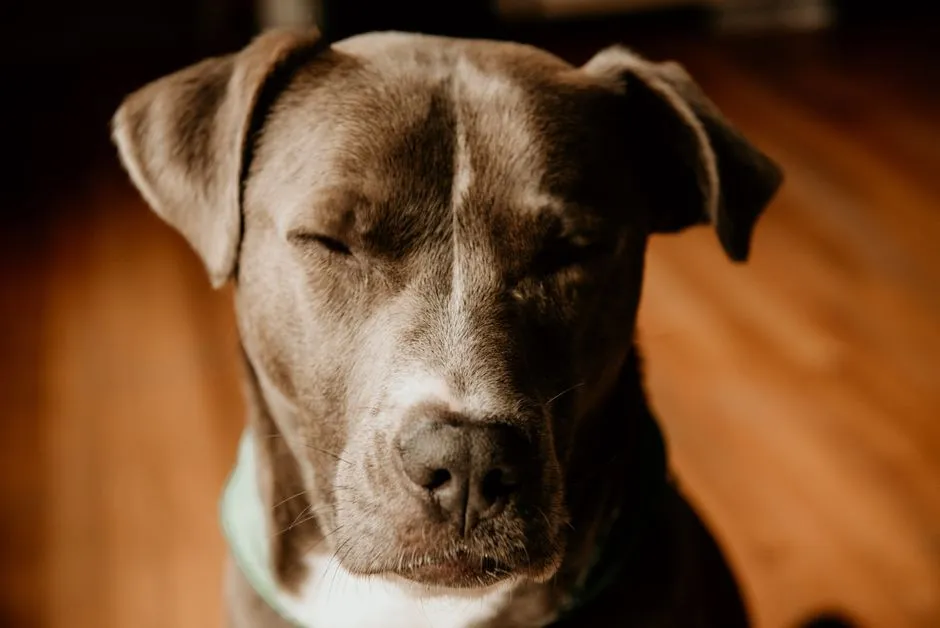
A key clue is often in the eyes. If they’re wide open, think frustrated groan. If they’re almost closed, relax – they’re settling in for a contented sleep. This single detail cuts through a lot of the ambiguity around dog sighing.
If a dog sighs because they feel pleasure, their face will appear soft, their ears and body will be relaxed, and their eyes will be shut or semi-shut. Contrast that with a dog whose eyes are alert and darting, and you’re likely looking at a different kind of sigh entirely.
If your dog sighs while lying down and their eyes remain wide open, it could be an expression of disappointment. Perhaps they’ve given up on going out again, or wanted to keep playing. Same sound, very different story.
Sometimes It’s Disappointment or Frustration
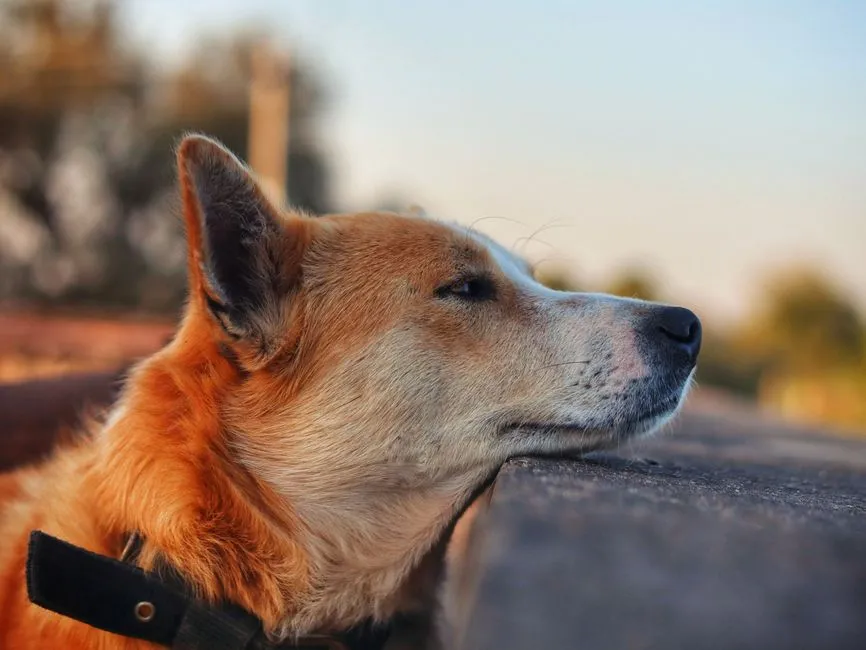
Ever notice that your dog will sigh when playtime is over or when a long walk comes to an end? This might mean they’re disappointed. According to Dr. Klein, when a dog sighs because of disappointment, their eyes will be open and alert, and they might be lying down or sitting up and anticipatory.
Dogs who sigh while lying down, or more likely sitting up and glaring at you, could be expressing frustration. Supporting evidence would be an open face with an alert expression.
Dog sighing is a common behavior that can convey a range of emotions and physical states. While a dog’s sigh is frequently a sign of contentment, it can also indicate other feelings, such as mild frustration, boredom, or even discomfort. Reading these signals correctly matters more than most owners realize.
Boredom Drives Dramatic Sighs Too

Dogs can feel boredom when they don’t have enough mental or physical stimulation. Just like humans, dogs get pleasure out of meaningful work such as fetching or digging. They find the challenge rewarding, so if they have nothing to accomplish, they can get bored. A dog sighing can be a sign of this.
Dr. Klein says that some dogs may sigh as a sign of boredom. In this case, the dog will have alert, open eyes, and their body will be anxious or anticipatory. Boredom sighs often happen in the middle of the day, not just at bedtime, which helps separate them from the contentment variety.
If it’s been a while since you’ve gone for a walk or played together, boredom might be to blame for those dramatic sighs. An increase in sighing frequency without any clear change in routine is worth paying attention to.
Dogs Can Learn to Use Sighing Strategically
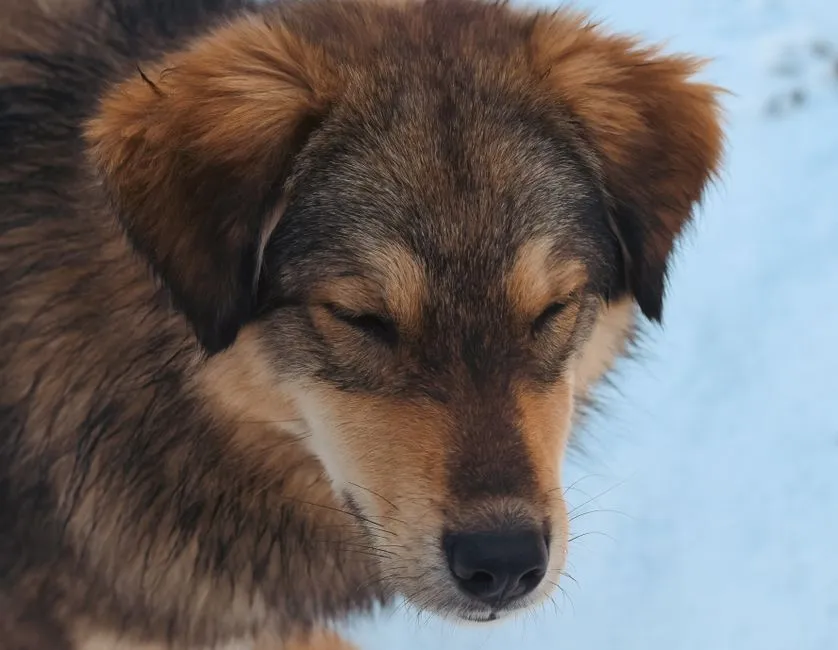
If you give your dog lots of love and attention when they sigh, they’ll learn that this type of vocalization leads to human attention. The next time they want your attention, they know that sighing is a surefire way to get it.
Dogs are smart and can learn to sigh to get your attention. If this behavior results in you petting or playing with your dog, it’s something they might start offering more often. This is a learned behavior, not manipulation exactly – just a dog figuring out what works.
It’s worth being conscious of your own reactions. If you immediately rush over every time you hear that big exhale, you may be encouraging a habit rather than responding to a genuine emotional state.
Stress and Anxiety Can Also Trigger Sighing
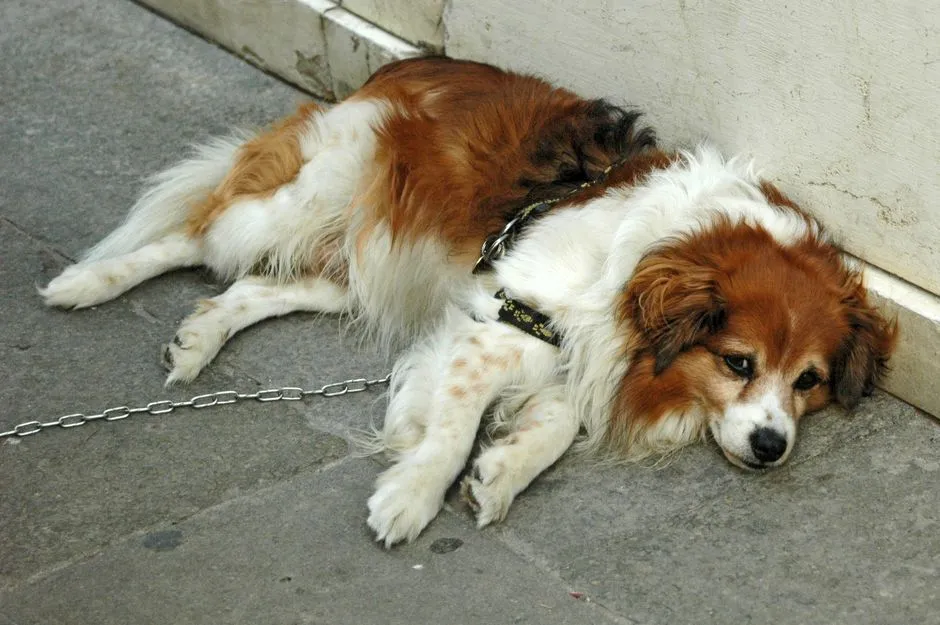
According to Dr. Vanessa Spano, Senior Veterinarian and Board-Certified Veterinary Behaviorist at the Schwarzman Animal Medical Center, “If the dog is in a chaotic environment and displaying other behavioral signs of anxiety, such as yawning or lip licking, a sigh is likely communicating that the dog is stressed.” Because deep breathing can help counteract feelings of stress, sighing could be a natural calming response from the dog’s body.
Other signs of anxiety in dogs include a tucked tail, ears flat against the head, trembling, excessive panting, and a hunched posture. If these are accompanying sighing, removing your dog from the stressful situation makes sense.
On its own, sighing isn’t usually a sign that your dog is feeling stressed or anxious. Keep a close eye on your dog’s body language, because if your dog is sighing in combination with other stress signals, it’s likely you have a stressed-out, anxious pup on your hands.
When a Sigh Might Signal Something Medical

Sighing isn’t normally a cause for concern, but there are other noises dogs make that sound similar to sighing – and some of those sounds could indicate an issue, such as a medical condition or a sign your dog is having trouble breathing.
Unlike sighs, moans may indicate pain or discomfort, such as that caused by abdominal pain, back pain, or osteoarthritic pain. As Dr. Klein advises, “If a dog is moaning and suspected to be in discomfort or pain, one should immediately consult a veterinarian and have the dog evaluated as soon as possible.”
Pure sighing does not involve the vocal cords, so if you hear barking, growling, groaning, or other vocalizations, that’s another form of expression. Check with your vet about sounds of possible distress. Also seek medical help if a dog’s sigh has an ongoing rattle, rumble, or indication of obstruction.
Science Is Still Working Out the Full Picture
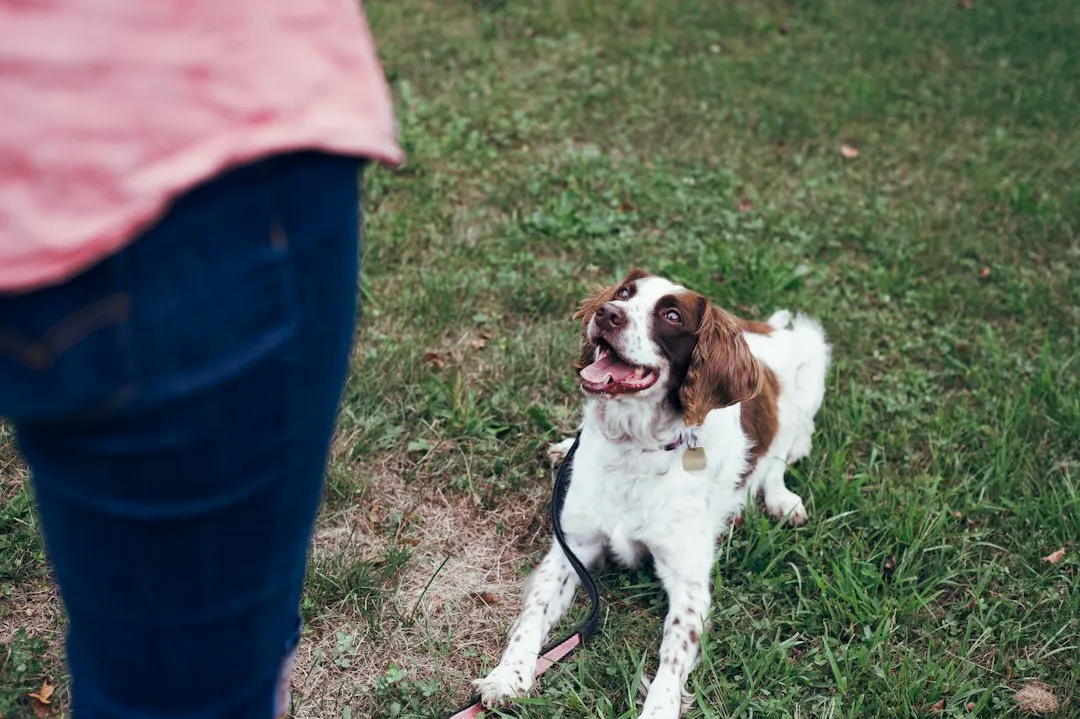
In a 2024 study published in the Journal of Veterinary Behavior, researchers conducted a literature review of observational studies on dog emotions and identified nine themes, such as body posture, vocalization behavior, and stress-related behaviors. Confusingly, sighing is a behavior that appears in more than one theme.
Multiple meanings stemming from the same behavior are one reason why the study of animal emotions has been challenging for researchers. Researchers are limited to observation techniques because their study subjects cannot confirm their feelings. Dogs can’t tell us what they mean, so context always does the heavy lifting.
It’s easy to misinterpret the reason for sighing in dogs, especially since we tend to attribute human emotions to dog behaviors. As Dr. Spano puts it, “As every behavior is a function of the environment, no matter the species, I recommend assessing the context of the situation with which the body language, such as sighing, is occurring to infer the meaning.”
What to Take From All of This
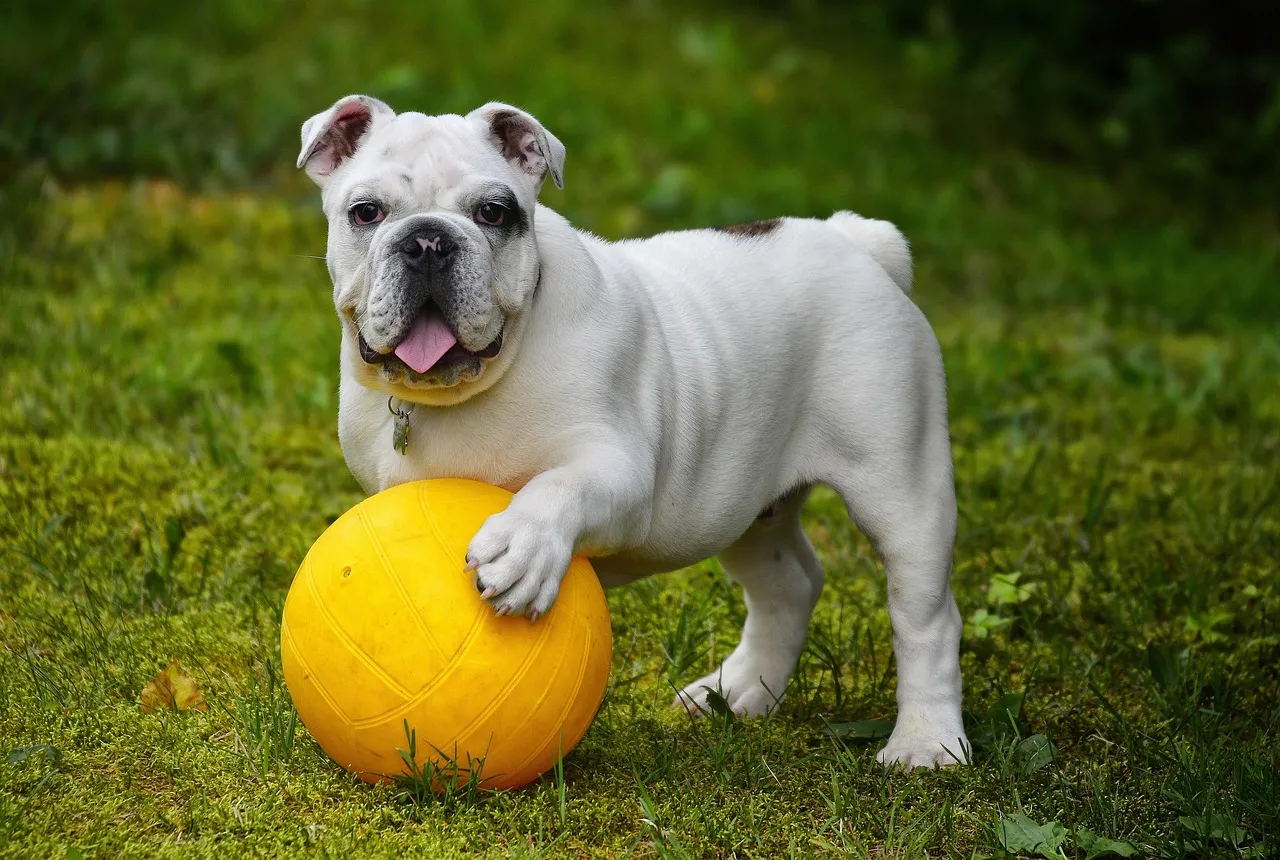
That loud, theatrical exhale your dog lets out when they finally settle down is rarely a single thing. It’s a reflex, a release, a signal, and sometimes a habit – all wrapped into one breath. Most of the time, it simply means your dog is comfortable and safe where they are.
After living and evolving among humans for millennia, dogs share many of our behaviors, including sighing when winding down. When the body hits the bed, a deep exhale is a natural response shared by both species, and one that both indicates and promotes relaxation. There’s something quietly reassuring about that shared instinct.
Pay attention to what surrounds the sigh. A relaxed body, soft eyes, and a slow drift toward sleep tells you everything is fine. A tense posture, wide eyes, and other distress signals ask for a different response. The sigh itself is just the starting point.
AI Disclaimer: This article was created with the assistance of AI tools and reviewed by a human editor.