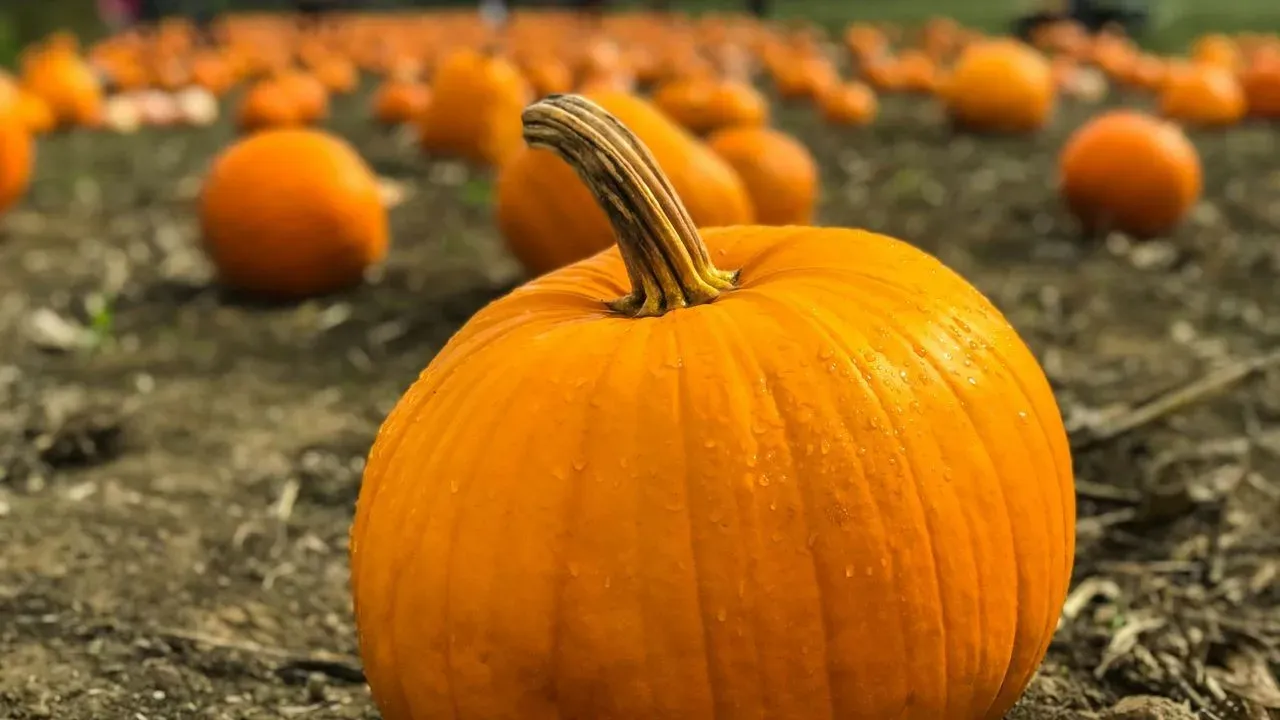

Gardeners who planted pumpkins in spring often face a narrow window for harvest. Picking too soon leaves the fruit bland and watery, while waiting too long can turn the flesh mealy. The difference matters for flavor, storage life, and the effort invested over a 90- to 120-day growing season. The source material for this guidance comes from established gardening advice on vine-ripened winter squash.
Why Timing Matters for Harvest Success
Pumpkins and other winter squashes continue to develop sugars and density while attached to the vine. Early removal interrupts that process and produces inferior results in both taste and texture. Leaving fruit on the plant past maturity also carries risks, as overripe pumpkins lose quality quickly once the plant begins to decline. Gardeners who track variety-specific timelines and observe plant changes reduce waste and improve their yields. The practical outcome is clearer when the crop is intended for storage through winter or for immediate use in cooking and carving.
The Fingernail Test as a Primary Check
A hardened rind offers one of the most consistent indicators that a pumpkin has reached maturity. Press a thumbnail firmly into the skin near the stem. Resistance without penetration signals that the outer layer has toughened enough to protect the interior. A slight dent may appear, yet the nail should not break through. This method works across many varieties and gives growers a direct, repeatable way to confirm readiness before cutting the fruit free.
Stem, Tendril, and Plant Changes
As pumpkins mature, the stem attached to the fruit turns woody and brittle. It loses flexibility and often shifts from green to brown. Nearby tendrils also dry and yellow, showing that the plant has stopped supplying nutrients to that particular fruit. When the overall plant begins to yellow and die back in early fall, the remaining pumpkins usually align with the expected maturity window. These visible shifts in the vine provide multiple confirmation points before harvest.
Color Shifts and Variety Differences
Many pumpkins deepen from bright orange to a richer tone or lose their glossy surface as they ripen. Heirloom types follow different patterns, such as turning tan, sage green, or peach. Some specialty varieties develop pronounced bumps or warts only at full maturity. Knowing the expected final appearance for a given cultivar prevents premature picking based on size alone. Texture changes, including a shift to a duller finish, often accompany these color developments.
Limits of the Popular Knock Test
Many gardeners tap the rind and listen for a hollow sound. While this can offer a rough clue, rind thickness and internal structure vary widely between varieties. A thin-skinned carving pumpkin produces a different tone than a thicker pie type, even when both are ripe. Smaller seed cavities or minor internal issues can further distort the sound. The test works best as a secondary check rather than the main decision tool. Growers who combine the fingernail test with stem and plant observations achieve more reliable results and protect their harvest from common timing errors.
AI Disclaimer: This article was created with the assistance of AI tools and reviewed by a human editor.