
1. The Curb in Front of Your House Is Not Yours
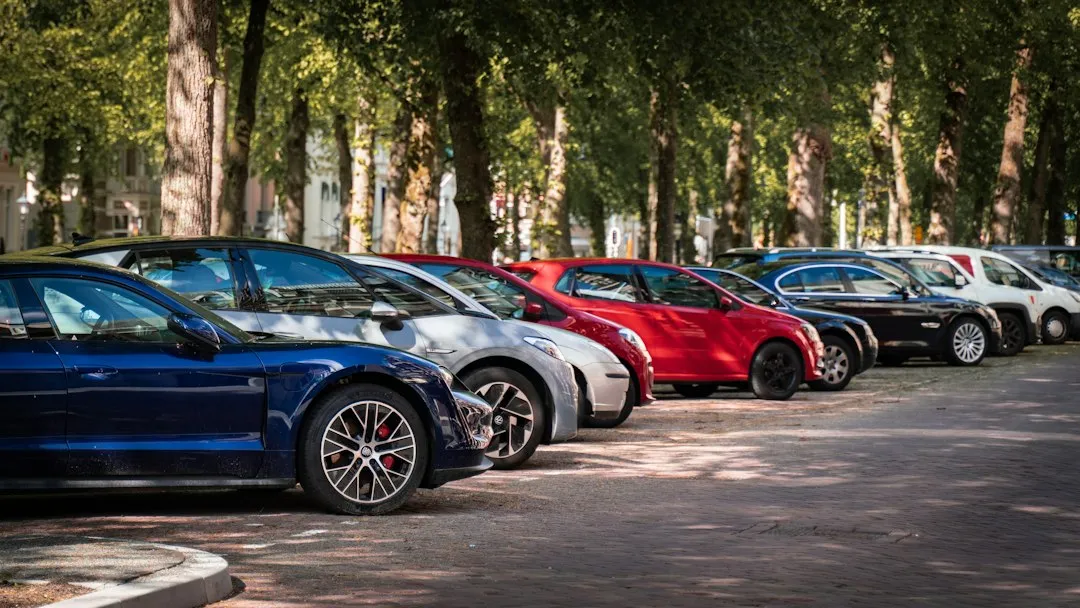
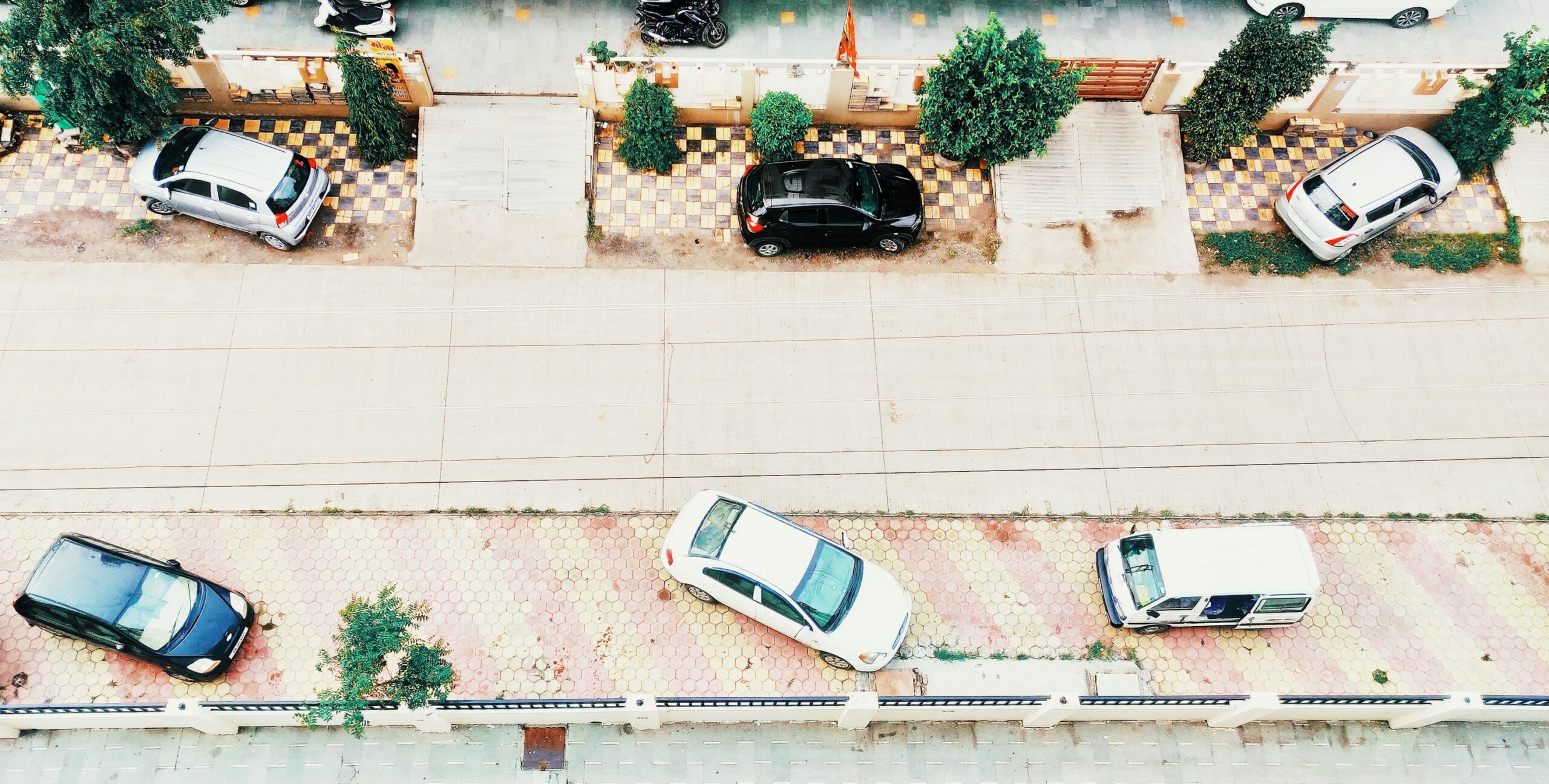
This is probably the most common misunderstanding on residential streets everywhere. One of the most widespread misconceptions in neighborhood parking is the belief that residents have a right to the parking spaces directly in front of their homes. If you live on a public street, you do not own any particular stretch of curb.
Generally, your municipality or state owns public roads, and specific individuals don’t have property rights in public streets, such as reserved parking spots. You can park anywhere you want if it doesn’t violate local parking ordinances. That said, knowing your rights and exercising them loudly in front of your neighbors are two very different things.
This misconception fuels a lot of neighbor-to-neighbor conflict. The unspoken rule here is simple: treat the space in front of someone’s house with some consideration, even if you’re legally entitled to it.
2. Never, Ever Block a Driveway

Public streets generally allow parking unless otherwise restricted by signs, which might indicate permit requirements or other limitations. However, it’s illegal to block driveways, mailboxes, fire hydrants, crosswalks, stop signs, and intersections. This isn’t just etiquette. It’s the law in virtually every jurisdiction.
California’s Vehicle Code prohibits parking in front of any public or private driveway. New York’s traffic regulations contain similar prohibitions. Cities like Philadelphia specifically list driveway blockage as a ticketable offense, even if you block your own driveway from the street side.
Driveway disputes are incredibly common, but that doesn’t make them any less maddening. A survey for Churchill Motor Insurance found that nearly half of homeowners have had issues with neighbors blocking access to their driveway, garage, or allocated parking space. Blocking a driveway is the fastest way to turn a quiet neighbor into an angry one.
3. Parking Disputes Are More Common Than You Think
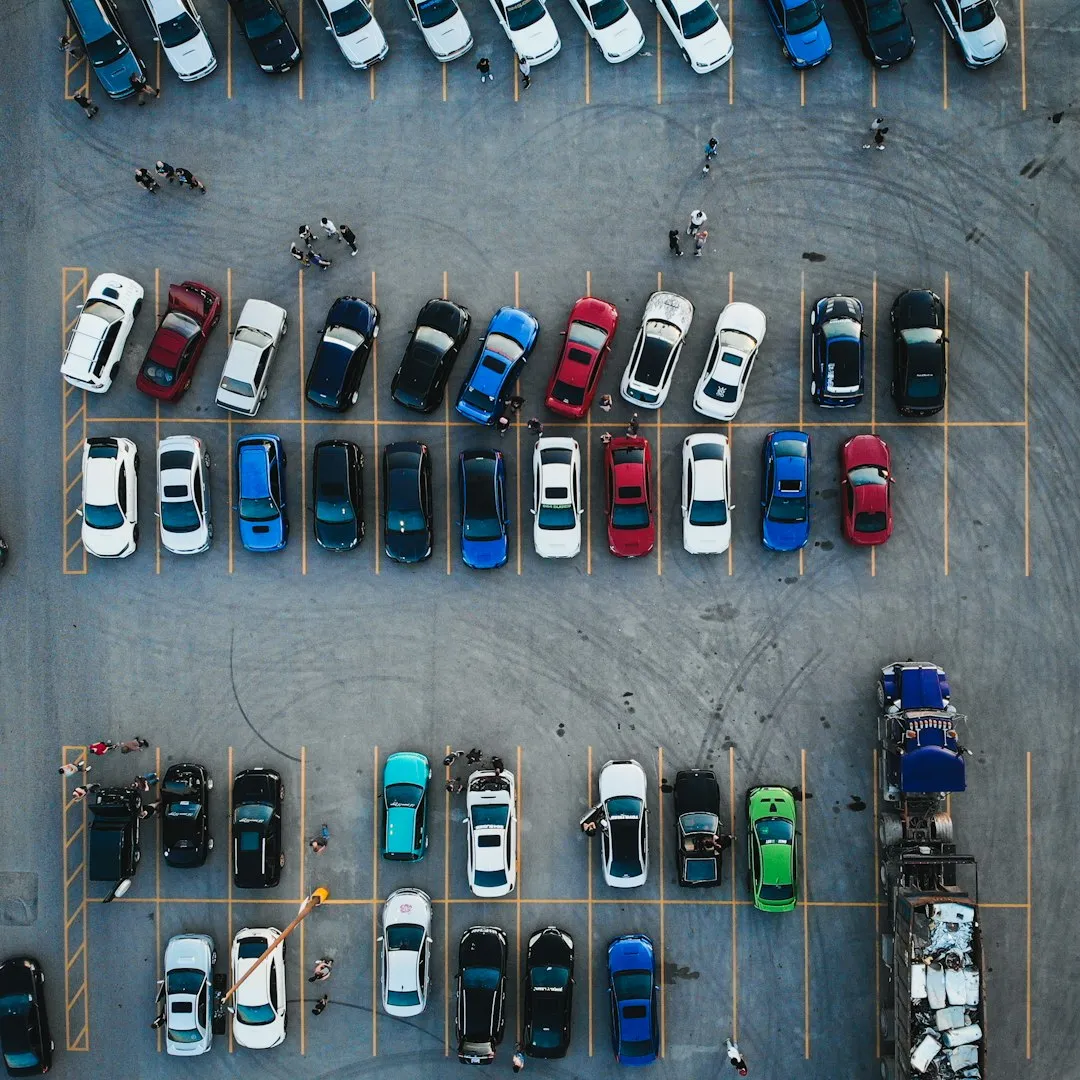
Street parking conflict is not a fringe problem. Approximately roughly two in five neighborhood conflicts stem from parking-related issues, according to community surveys. That’s a significant share of everyday friction between people who otherwise have to share a street, a block, and a wave hello every morning.
One in six homeowners admits they’ve argued with a neighbor over parking. Arguments like these rarely stay contained. They spread into the way people greet each other, or don’t, and into how communities feel over time.
The rise of multi-car households and smaller living spaces has created a parking crunch. According to a survey by the AA, roughly a third of people now own more than one car. More cars, same amount of curb. The math doesn’t work in anyone’s favor.
4. Oversized Vehicles Require Extra Awareness
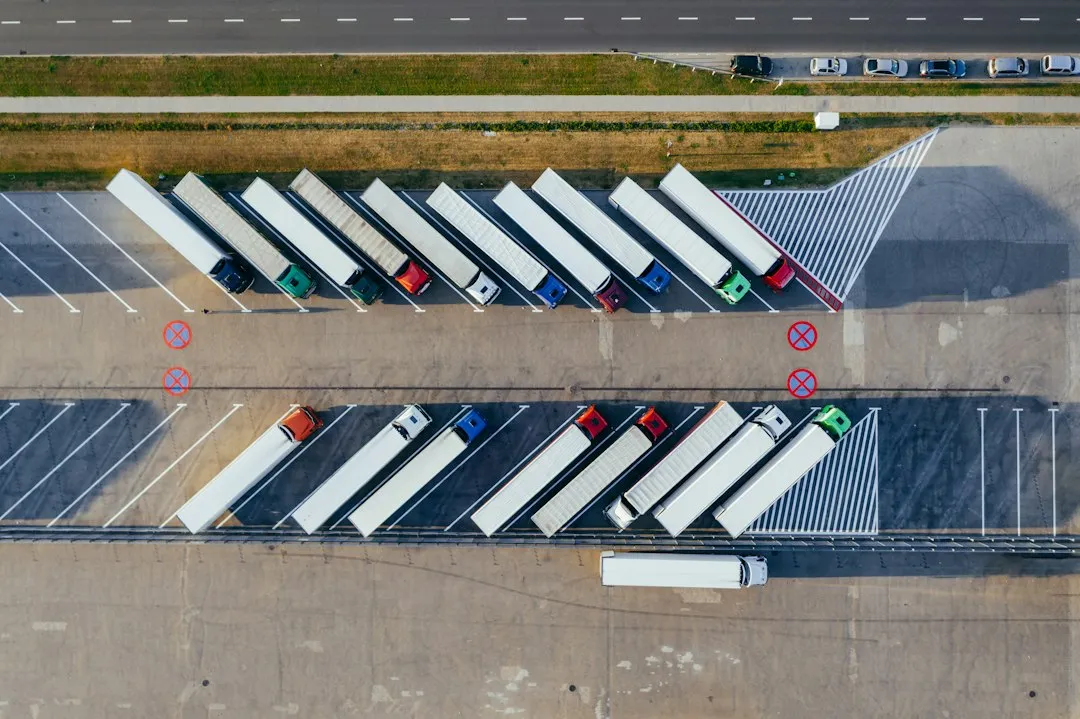
Large SUVs, pickup trucks, vans, and trailers take up space in ways that compress the available parking for everyone else. Nextdoor parking disputes often involve issues such as blocking driveways, using designated spaces improperly, or parking oversized vehicles in residential areas. Squeezing a full-size truck into a spot that technically fits it but leaves no room for anyone on either side is the kind of move that gets remembered.
Rules about parking work trucks, vans, and other commercial vehicles in residential neighborhoods often include weight and size limits. Even where a large vehicle is technically permitted, the unspoken expectation is that you park it where it causes the least disruption to the people around you.
5. Overnight Parking Has Its Own Set of Rules
Leaving a car on a shared street overnight isn’t always as simple as pulling up and walking inside. Many cities enforce overnight parking bans between certain hours, typically 2 AM to 6 AM, especially during street sweeping schedules. Vehicles parked in violation may be ticketed or towed at the owner’s expense.
Parking rules vary widely between cities and counties. What is permitted in one jurisdiction may carry fines or require permits in another. Overnight parking permits, rotating-side systems, and seasonal bans all exist in various cities, and ignoring them is a reliable way to find a ticket on your windshield.
Some cities are fairly flexible, while others are strict. In New York City, fines for parking violations can range from $35 up to $515. In Chicago, parking without a residential parking permit results in a $75 fine. Checking your local ordinances before assuming overnight parking is fine is not paranoia. It’s just practical.
6. Pavement and Footpath Parking Creates Real Hazards
Parking partly up on a curb or footpath might seem harmless, especially on a narrow street. It rarely is. Parking on the pavement is the most commonly committed offense in some jurisdictions. It exposes pedestrians to the danger of injury and collision, particularly for vulnerable individuals like those with disabilities or mobility issues. Pavement parking causes obstruction and forces individuals onto the carriageway, exposing them to the danger of oncoming vehicles.
In many narrow streets, there has been a long-standing practice of drivers parking partly on the footpath due to limited on-site parking. This practice restricts access to driveways, the footpath, and for emergency vehicles. What feels like a minor compromise on a tight street can have serious consequences for people with prams, wheelchairs, or limited mobility.
7. You Don’t Own the Space You Shoveled
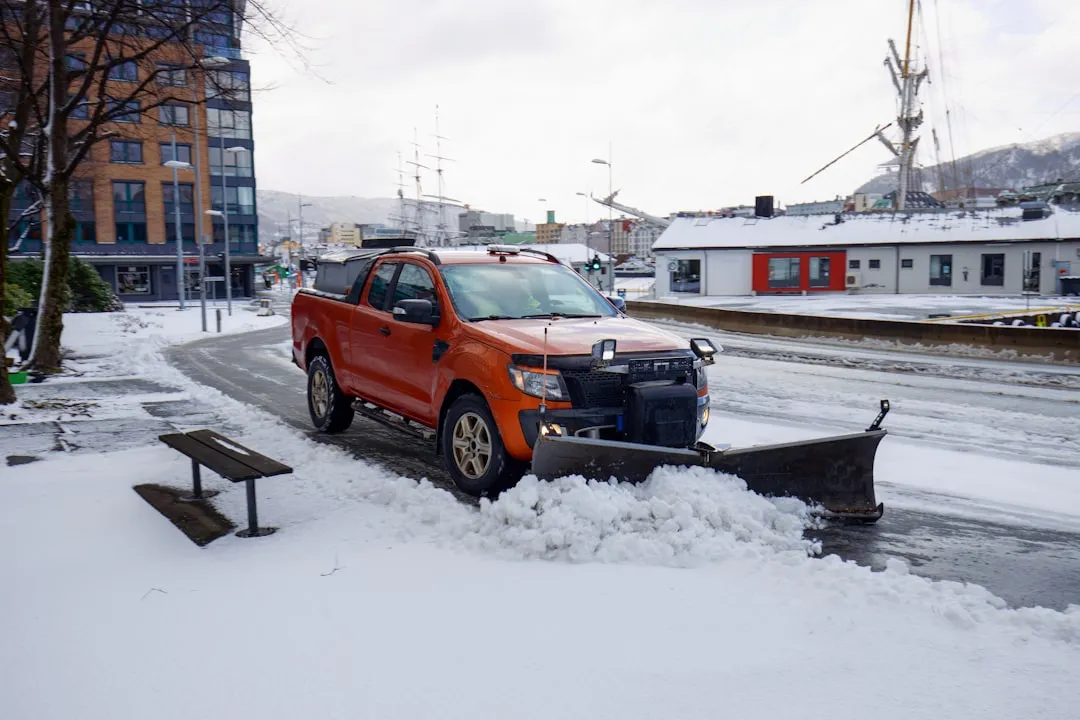
In cities that get significant snowfall, the “space saving” tradition is one of the most emotionally charged unspoken rules on any block. After digging a car out of packed snow, many residents place chairs, cones, or bins in the spot to hold it. Whether this is acceptable, and for how long, varies enormously.
Rules about saving shoveled-out parking spots with chairs, cones, or other objects after snowfall vary by city, including enforcement and removal timelines. Some municipalities officially allow it for a set number of hours. Others treat it as illegal obstruction the moment it happens. Either way, removing someone’s space-saver chair without warning is considered, in most neighborhoods, a serious breach of local etiquette, regardless of your legal right to do so.
The unspoken logic here is proportionality: if you did real work to clear a spot, neighbors generally respect a short grace period. Holding it for three days, though, is pushing it in any community.
8. Talking to Your Neighbor Works Better Than You’d Expect

When parking problems arise, the instinct is often to go straight for official channels. A note on the car, a call to the council, a post on a neighborhood app. In reality, direct conversation resolves things more reliably. Clear communication can resolve the vast majority of disputes. A simple face-to-face conversation may lead to a mutual understanding.
In a FindLaw survey, nearly half of people who had a neighbor dispute found that talking about it in person was the most common action taken. Most of the time, the other person didn’t realize the impact their parking choices were having. Assuming bad intent is the fastest way to make a manageable problem into a lasting grievance.
The first step is the simplest: ask the driver to move. If you know whose car it is, a polite knock on the door often resolves the issue in minutes. Most driveway blockages are not intentional. The same logic applies to most street parking friction. Start soft.
9. Permit Zones Change the Rules Entirely
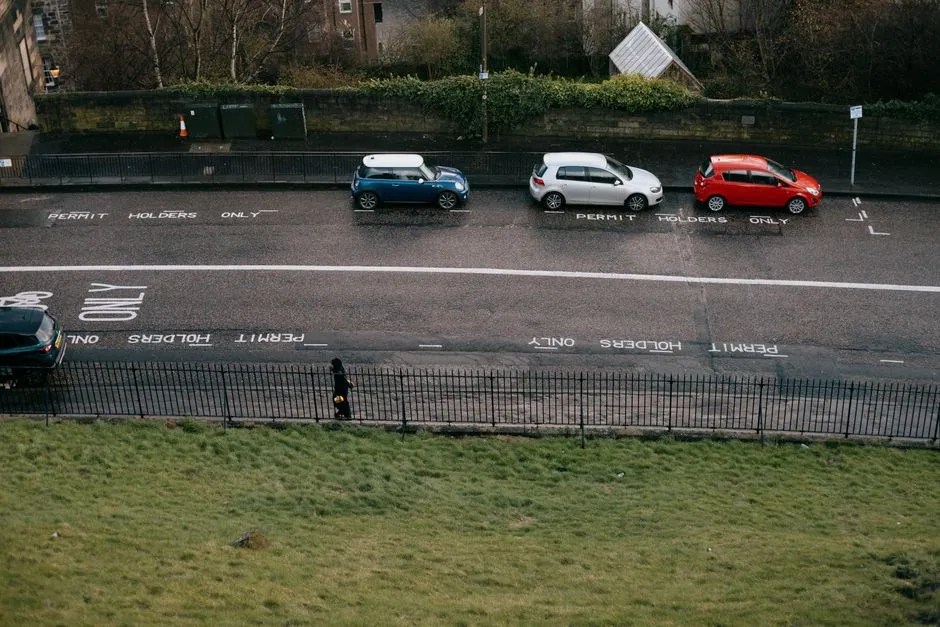
In many urban and dense suburban neighborhoods, permit parking systems exist precisely because street space can’t accommodate everyone who wants it. The policy balances the need for longer-stay parking with the need for turnover through time limits for on-street parking and a permit system for residents, visitors, businesses, carers, and support workers.
If you live in a private neighborhood with a homeowners association, you likely have another source of parking rules. HOA Covenants, Conditions, and Restrictions cover rules about assigned parking spots, allowed vehicles, and other parking and traffic matters. The HOA enforces these rules. Ignoring them, even once, can trigger formal complaints that escalate quickly.
Parking rules can be stricter on private streets, including those governed by a homeowners association. If you’re visiting someone in a permit zone, check before you park. A ticket or a tow doesn’t care that you were just dropping something off.
10. Shared Streets Only Work With a Bit of Give
The deeper reality of shared street parking is that no regulation fully captures what it takes to make it work day to day. Rules set minimums. Etiquette fills in everything else. Parking is not just a matter of convenience. It involves sharing limited resources, respecting boundaries, and navigating local ordinances.
While parking-related problems are often relatively minor compared to many property disputes, they can occasionally escalate and become more serious, especially if persistent. The cumulative effect of small, repeated inconsiderations is what turns a livable street into a tense one. People remember parking grudges longer than almost any other minor conflict.
Though it is the responsibility of both motorists and pedestrians to drive and park defensively to avoid the occasional mishap, the system works best when all involved are courteous and attentive. On a shared street, that means leaving a little more room than strictly required, thinking about the people on either side of you, and recognizing that everyone is working with the same finite stretch of curb.
The Takeaway
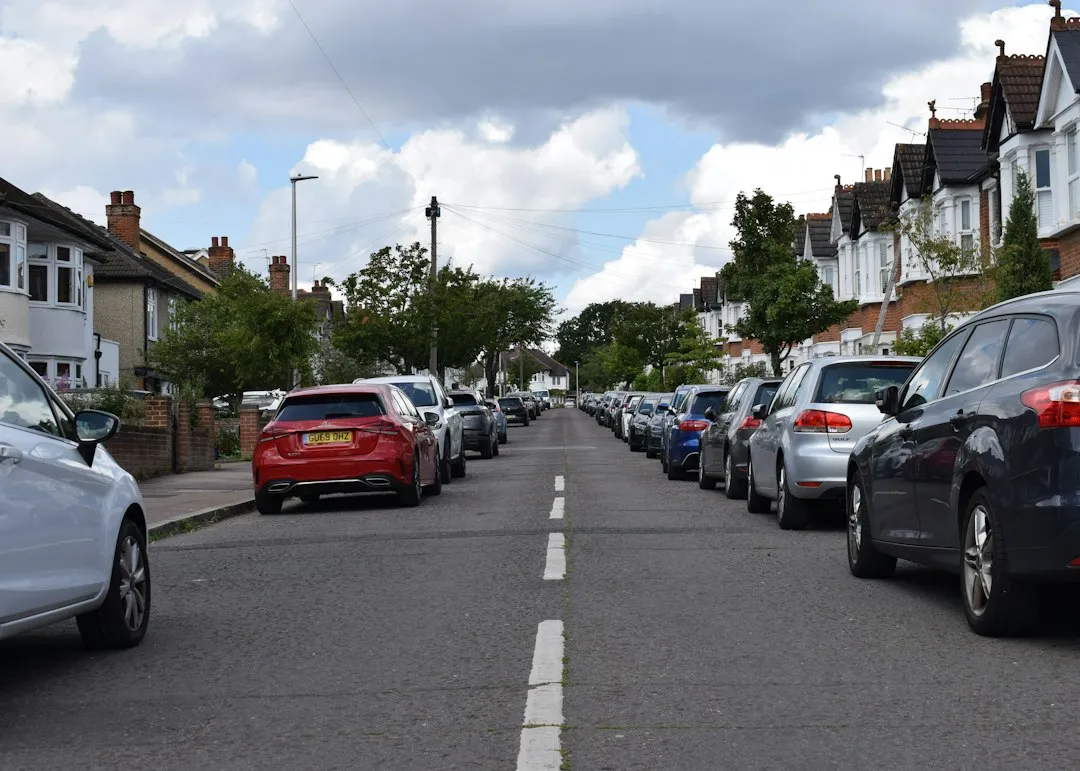
Shared street parking sits at an interesting intersection of law, habit, and social trust. The rules that are written down cover the basics. The ones that aren’t written down determine whether a street feels like a community or a competition.
Most conflicts come down to a simple gap: one person’s assumption about what’s acceptable doesn’t match their neighbor’s. Closing that gap doesn’t require a lawyer or a city council meeting. It usually just requires a moment of consideration before pulling in, and occasionally, a knock on a door.
Streets are shared by design. Getting the parking right, in spirit as much as in law, is what makes that design actually work.
AI Disclaimer: This article was created with the assistance of AI tools and reviewed by a human editor.