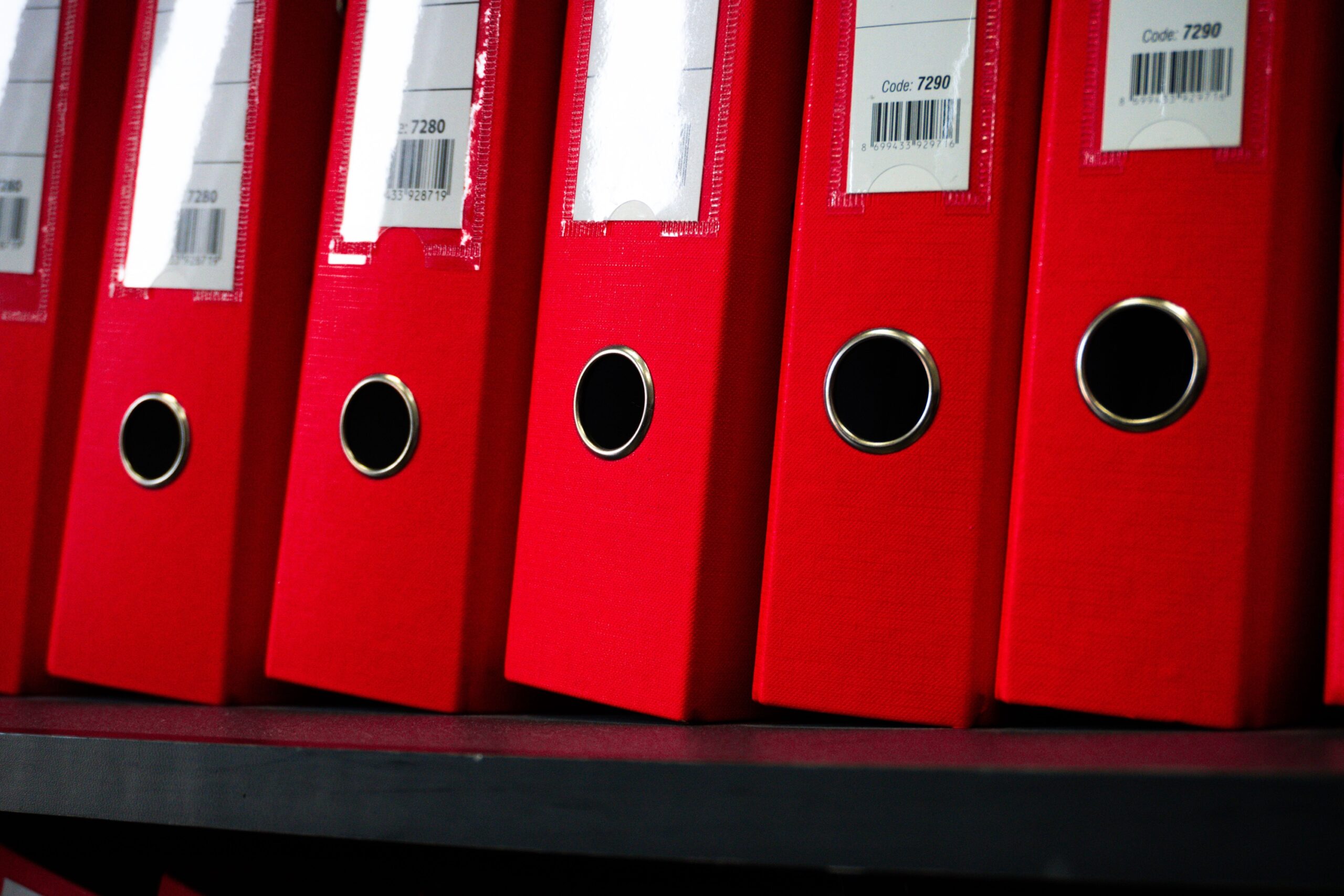

Why the Emergency Document Binder Tops the List
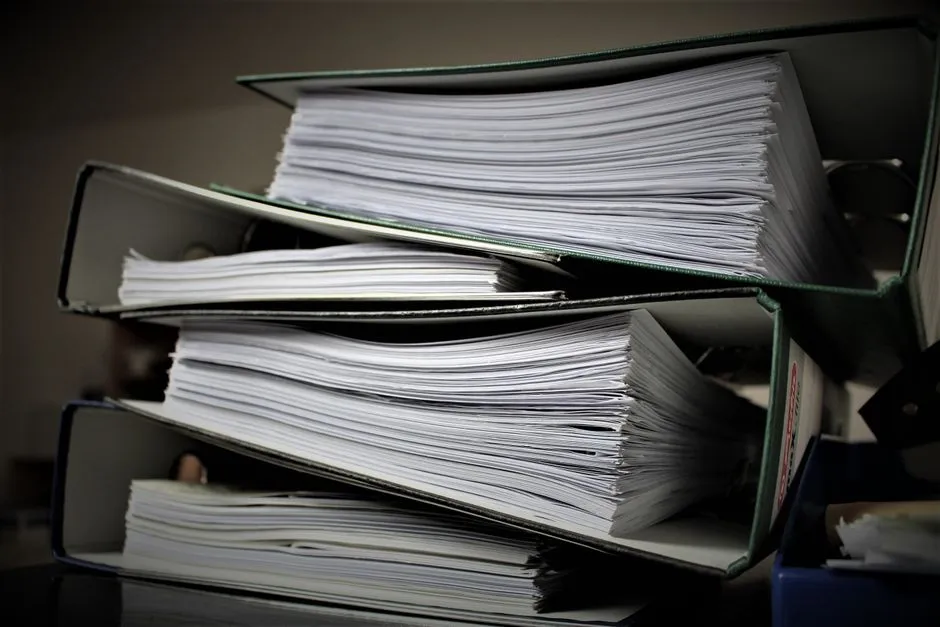
When disaster professionals talk about the one thing most households get wrong, it’s this: they keep their most important records in the very place most likely to be destroyed. Many people store documents in a filing cabinet or their home office, but in an emergency, you’ll need to be able to grab your documents when you have just minutes to spare. A binder stored in a vehicle, a trusted neighbor’s home, or a waterproof bag near the front door changes that equation entirely.
An emergency document binder is a collection of all your important personal, financial, and medical documents, and it should include copies of essential documents that can help you get assistance or rebuild your life in case of disaster or emergency. This is not a redundant filing system. It’s a purpose-built lifeline.
The Scale of the Problem: Who Actually Has One?
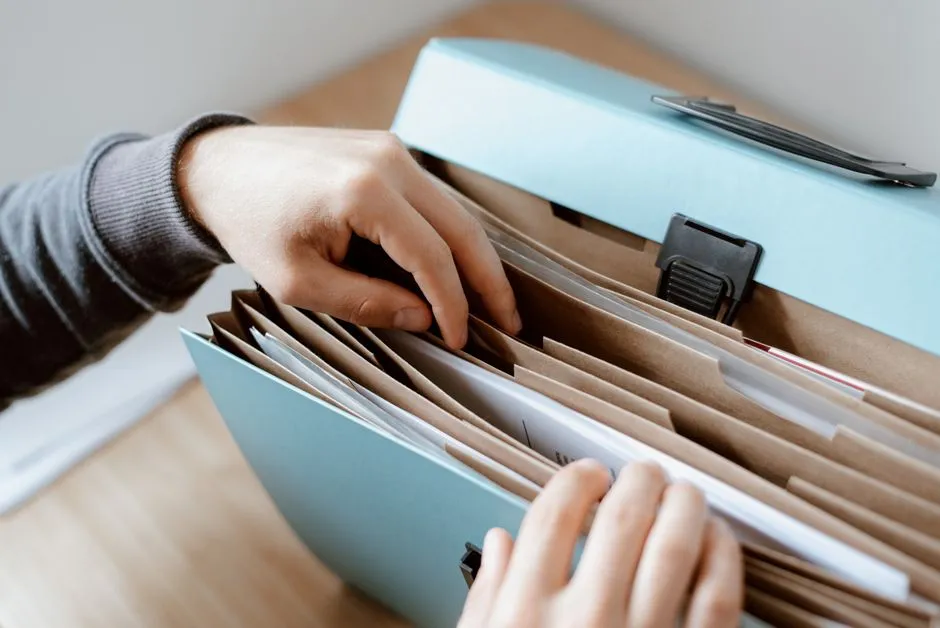
FEMA data shows over half of households lack an emergency go bag. That figure alone reflects just how unprepared most families are when it comes to organized documentation. Emergencies can strike at any time, often with little warning, and in recent years families are facing a rapidly changing world where the unexpected has become the norm, from wildfires and hurricanes to data breaches and medical emergencies.
Natural disasters caused over $112 billion in insured losses in the U.S. during 2024 alone. A well-organized document binder won’t stop the disaster, but it can significantly reduce the financial and logistical chaos that follows. The households that recover faster are typically the ones that can prove who they are, what they own, and what coverage they have.
Identification Documents: The Foundation
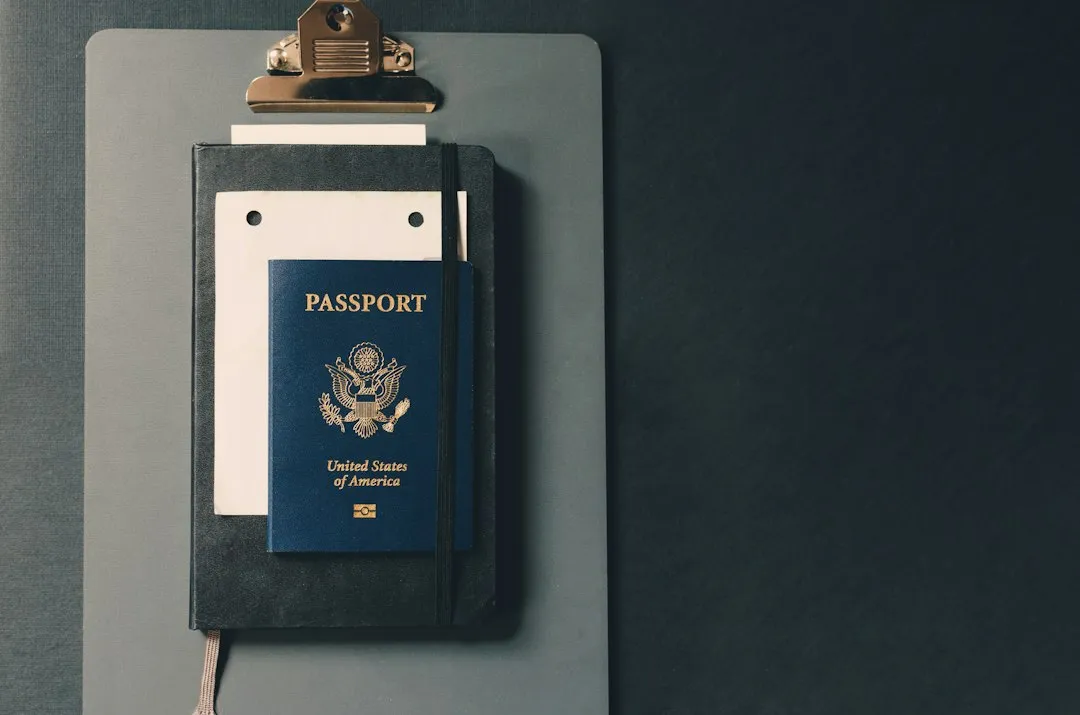
Among the most important documents to keep in your emergency binder are identification documents, which should include copies of driver’s licenses, passports, social security cards, and birth certificates for all family members. These are the records that practically every government agency, insurer, and healthcare provider will ask for first. Without them, the recovery process slows dramatically.
These documents are vital for identification purposes during emergencies and can be necessary when dealing with insurance claims, government agencies, or legal matters. It’s also worth adding recent family photos, since they can assist in identification if family members are separated during a large-scale evacuation. Include copies of driver’s licenses, passports, military IDs, student IDs, work IDs, and any other form of identification.
Medical Records: A Category People Routinely Skip
In addition to identification documents, medical information is also vital to have on hand during and after emergencies, including each family member’s medical history, allergies, medications, dosages, ongoing medical conditions, immunization records, and pertinent test results. This section of the binder can, in a genuine medical emergency, be the difference between fast and effective treatment.
If you end up in a hospital, having a binder that contains your medical records, health insurance information, and emergency contacts will help you deal with healthcare providers and claims. Many people assume they’ll remember their medications under stress, but that assumption falls apart quickly in a crisis. Start with copies of health insurance cards and a list of primary care physicians for each household member, then record all medications, dosages, allergies, chronic conditions, and immunization histories.
Insurance Policies: The Documents That Unlock Recovery
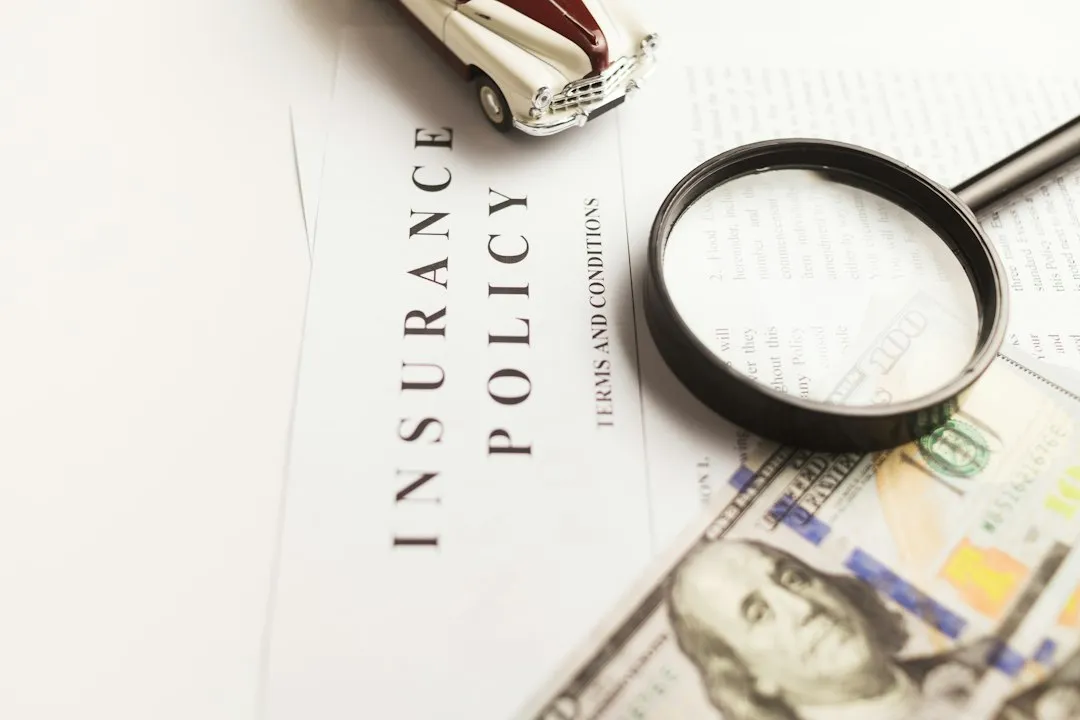
A home binder can help you locate key paperwork quickly, such as policies and contact information for your insurer or mortgage provider. Without your policy numbers and insurer contact details, filing a claim after a major loss becomes unnecessarily slow and complicated. This is especially true for homeowners who’ve experienced total property destruction.
You should also include household information in your emergency binder, including a comprehensive inventory of valuable possessions for your records and for insurance purposes in case of natural disasters, complete with photographs, descriptions, and any available receipts or appraisals, as this inventory will be instrumental in filing insurance claims whether due to theft, damage, or loss. Most insurance adjusters will tell you that thorough documentation speeds up claim settlements considerably.
Financial Records and Bank Information
A home binder can also contain copies of essential financial records such as bank account information and your last tax return. After a disaster, ATMs may be offline and card networks may be disrupted. Copies of identification, insurance information, a list of emergency contacts, and some cash in case ATMs or card networks fail go a long way.
Knowing your account numbers and having your bank’s direct contact details gives you options when digital systems are unavailable. Emergency planners also recommend including at least a moderate amount of cash in small bills alongside the binder, since electronic payment systems can become unreliable in the immediate aftermath of a disaster.
Legal Documents: The Category That’s Hardest to Replace
It’s a good idea to have backup copies of your legal documents, such as wills, power of attorney forms, and titles, which are often irreplaceable, and storing copies of these documents in an emergency binder ensures you can act quickly if legal action is needed in case you are incapacitated or unavailable. These are the records that often take months to reconstruct if lost, and in some cases require court proceedings to restore.
A comprehensive emergency binder should include sections for personal identification, medical information, financial and legal documents, insurance policies, and property records to ensure preparedness. Deeds, vehicle titles, and lease agreements also belong here. They’re the paperwork that proves what you own and where you live, which matters enormously during disaster relief applications.
Evacuation Plans and Emergency Contacts
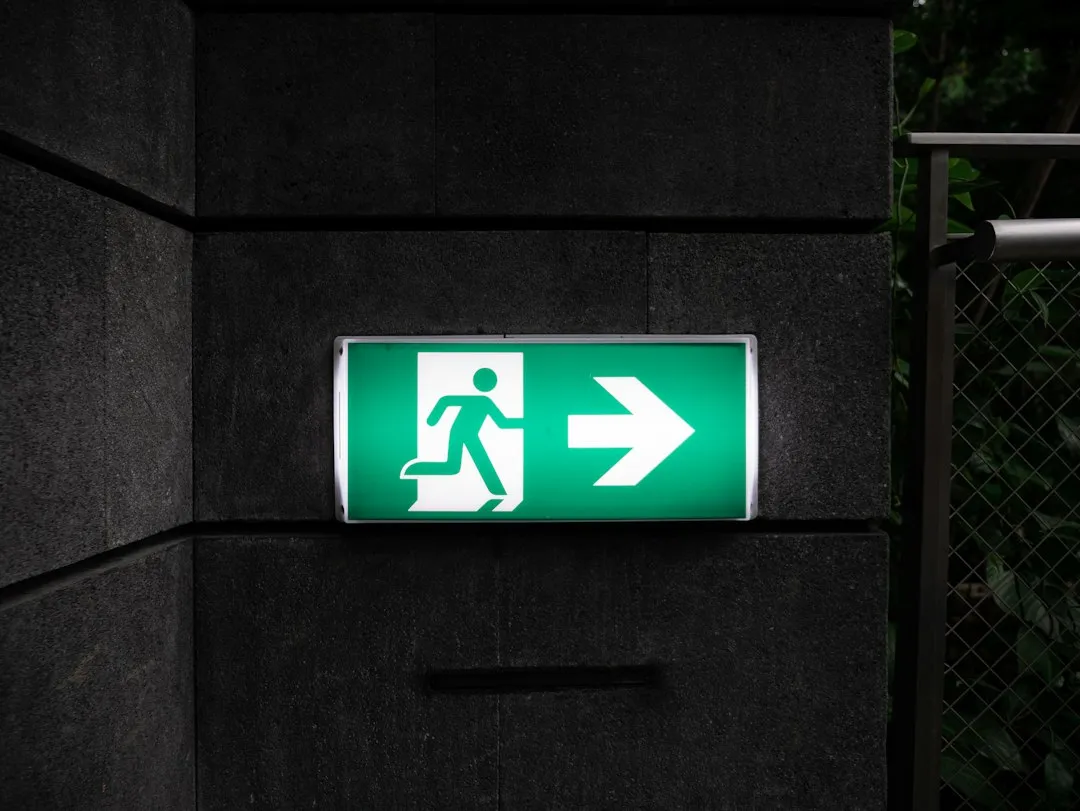
One of the most vital but easily skipped aspects of your emergency binder is emergency plans and procedures, including evacuation routes, communication protocols, and designated meeting places, which can provide guidance during the panic of an emergency and keep family members on the same page to prevent breakdowns in communication. A written plan is far more reliable than memory when adrenaline is high and time is short.
It is important to make a plan as a family and have it written down, including sheltering-at-home plans and evacuation plans, along with addresses of family emergency meeting places for reunification and emergency contact information for communicating with family. Store this section at the very front of the binder so it’s accessible within seconds of opening it.
How to Store the Binder Safely Outside the Home

Store your original important documents in a waterproof and fireproof safe to protect from house fire, flood, or water leak, and in addition to safeguarding the originals, you should have copies of those documents in your disaster supply kit. The binder itself, containing those copies, should be kept somewhere accessible but away from the home.
Documents can also be included digitally on an encrypted flash drive that contains additional important documentation and pictures, and all documents and flash drives should be stored in waterproof bags, with double bagging as a good option for added protection. A vehicle’s trunk, a trusted family member’s home, or a fireproof safe deposit box at a bank are all solid locations. Scanning everything, including IDs, insurance policies, deeds, and medical records, and storing copies on an encrypted USB drive plus a secure cloud account is also a recommended upgrade.
The Wildfire Wake-Up Call: Lessons from Recent Disasters

The January 2025 wildfires in Southern California, including the Altadena Eaton Canyon fire and the Pacific Palisades fire, forced thousands of residents to evacuate and caused extensive damage to homes and businesses. Many evacuees reported leaving with almost nothing, often because they had no pre-organized documents ready to grab. These events served as a stark and repeated reminder that evacuation windows can close within minutes.
Emergency experts recommend taking timestamped photos or video of your home and valuables and saving copies to cloud storage for smoother insurance claims. The broader lesson from recent disasters is consistent: the households that cope best in the immediate aftermath are the ones that prepared for documentation, not just supplies. According to FEMA’s 2024 National Household Survey, more families are recognizing the value of organized emergency documentation, since response times for disasters can be unpredictable and having an emergency binder at the ready means you can quickly provide identification, medical records, and insurance details when every second counts.
Keeping It Current: The Annual Review That Matters
Review and update your binder whenever life changes occur, updating medical records when health or medications change, identification documents when renewed, insurance policies during renewals, and financial and legal documents when accounts or agreements change, and make it a habit to revisit your binder at least once a year. An outdated binder is better than nothing, but an accurate one is far more useful in a real crisis.
Think of the annual review as a small investment of an hour or two each year. Set a recurring calendar reminder, tie it to a date you’ll remember, such as your birthday or the start of a new year, and treat it as a non-negotiable household task. Getting yourself, your family, and your home ready for emergencies means you’re more prepared for disasters like wildfires, flash flooding, and hurricanes.
Final Thoughts
The emergency document binder isn’t a dramatic piece of survival gear. It’s a quiet, practical act of foresight. The people who’ve had to evacuate with minutes to spare, or who’ve tried to navigate insurance claims after losing everything, tend to say the same thing: they wish they’d organized their documents sooner.
The good news is that assembling one is genuinely straightforward. A few hours, a waterproof binder, some labeled sleeves, and a secure location outside your home. That’s it. The hard part isn’t the doing. It’s the getting-around-to-it that trips most people up. Don’t let that be the thing standing between you and a far smoother recovery when the unexpected arrives.
AI Disclaimer: This article was created with the assistance of AI tools and reviewed by a human editor.