
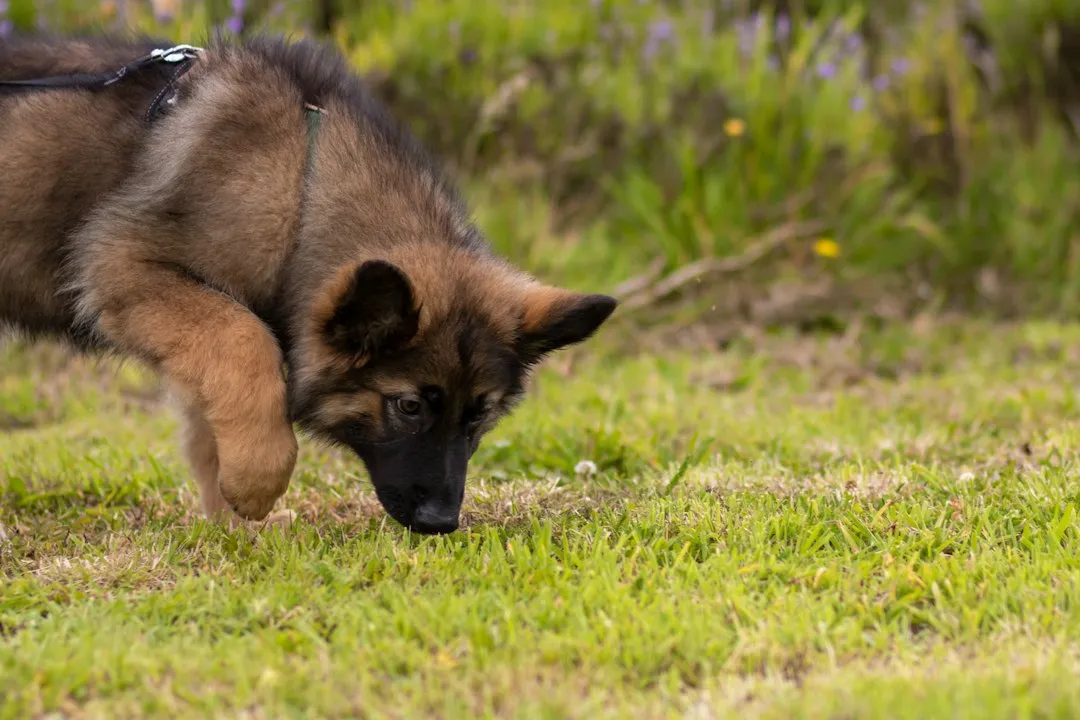
Watch any dog on a walk and you’ll notice the same pattern almost immediately. They stop, nose down, seemingly frozen in place, inhaling one small patch of pavement or grass with complete dedication. To us, it looks odd. To them, it’s essential.
This behavior is not a quirk or a delay tactic. It’s the product of a sensory system so sophisticated it makes our own noses look almost laughably basic. Understanding what’s actually happening during those long, lingering sniff sessions changes how you see your dog entirely.
A Nose Built for Something Entirely Different
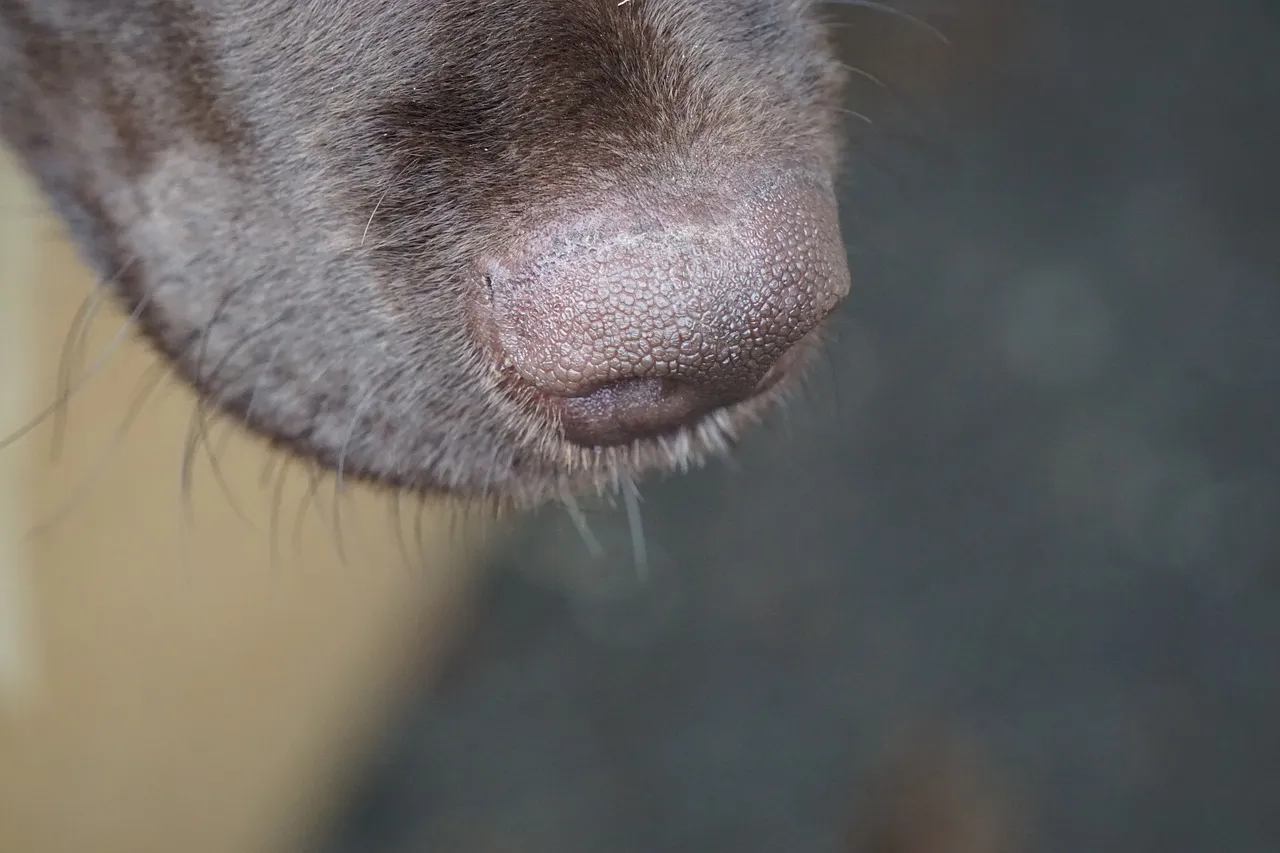
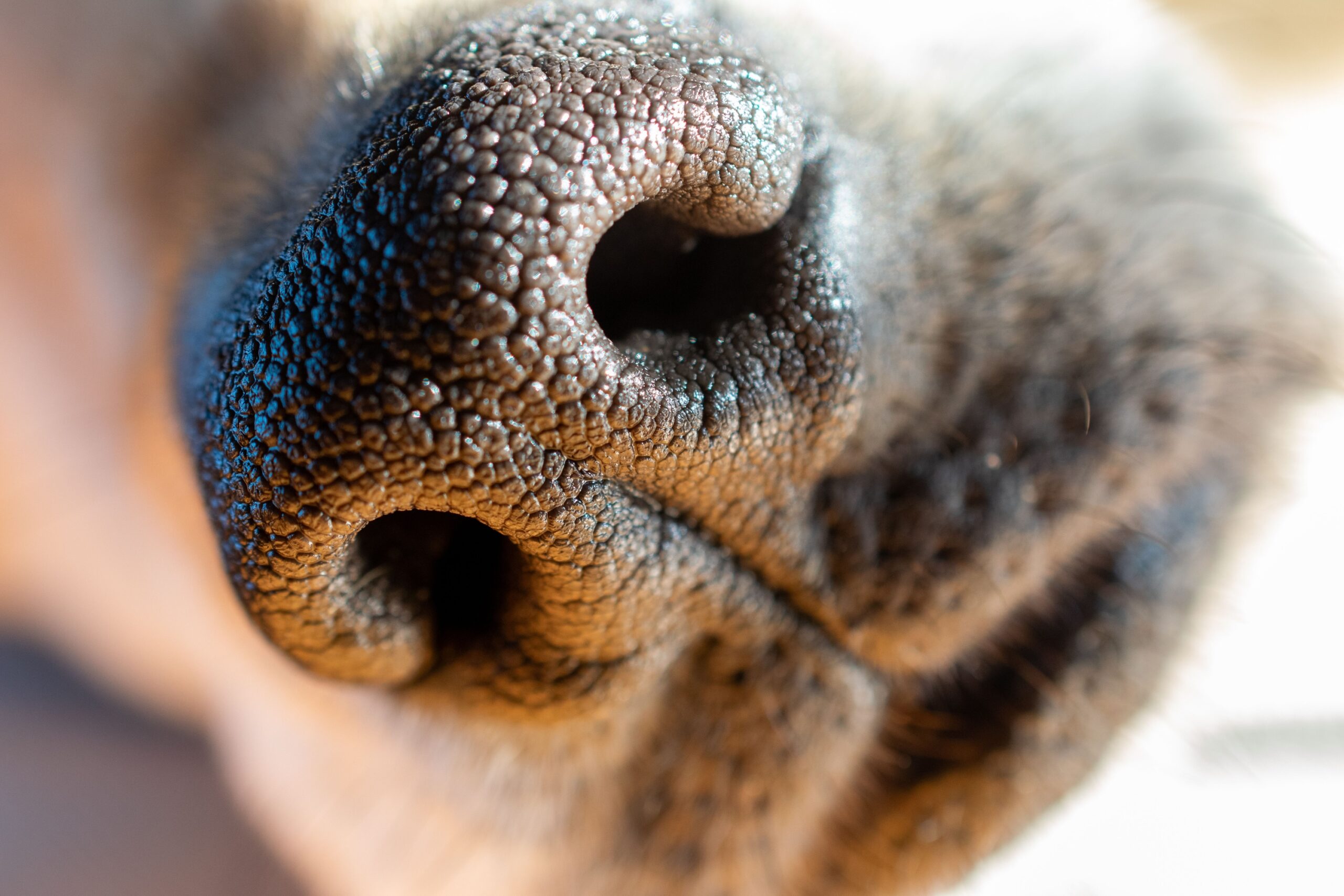
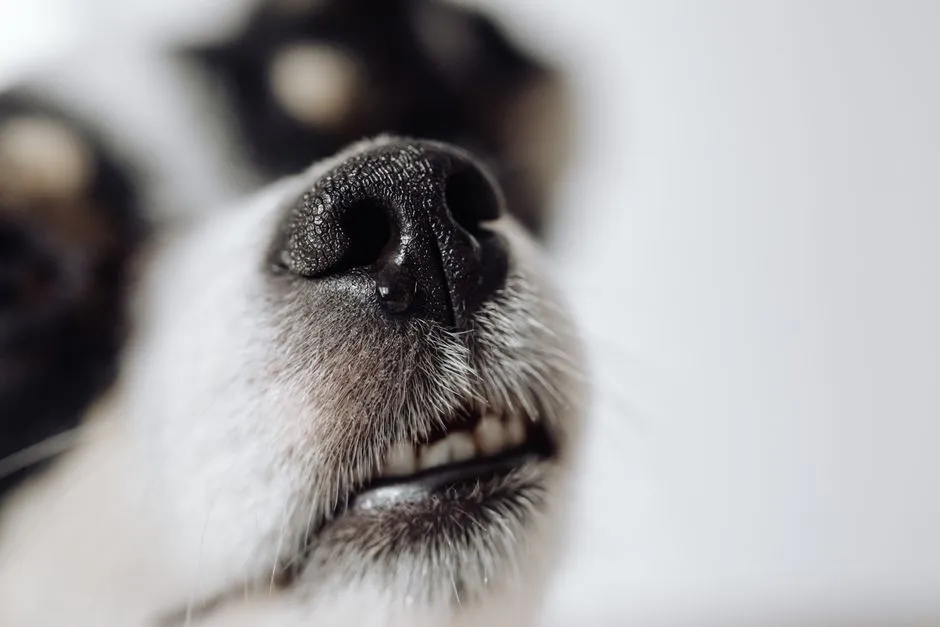
Dogs have an ability to smell between ten thousand and one hundred thousand times better than people, and can detect odors in parts per trillion. That kind of sensitivity isn’t just a bigger version of what we have. It works on a fundamentally different architecture. When a dog breathes in a scent, the inhaled air flows into two distinct chambers: the olfactory area and the lungs, where the smaller portion of air goes to the olfactory center, a section filled with turbinates, bony structures that work like a scent strainer causing the olfactory receptors to connect with the brain and classify each scent.
When people breathe through their noses, they smell and inhale through the same airways, but dogs have a small area of tissue in the nostril that allows them to perform these functions separately, and slits on the sides of their noses that help them experience new odors even as they’re exhaling. That means dogs are continuously sampling the air in both directions, which is why a good sniff session takes time.
The Staggering Scale of Their Scent Receptors
Dogs have approximately three hundred million receptors in their noses, compared to just six million in humans, and the section of a dog’s brain that processes those scents is roughly forty times greater than ours. That proportion matters. A bigger processing center means more nuance, more layers of chemical information being decoded with every sniff. The human genome contains an estimated six hundred fifty to nine hundred olfactory receptor genes, while the canine genome contains an estimated thirteen hundred, and as a result the canine nose is thought to contain in excess of forty times more olfactory receptors than the human nose.
These aren’t just extra copies of the same receptors. They detect a wider range of molecules, including some that humans can’t sense at all. That richness of chemical perception is a big reason why a single patch of ground can hold a dog’s attention far longer than any screen holds ours.
Reading “Pee Mail”: What Scent Marks Actually Contain
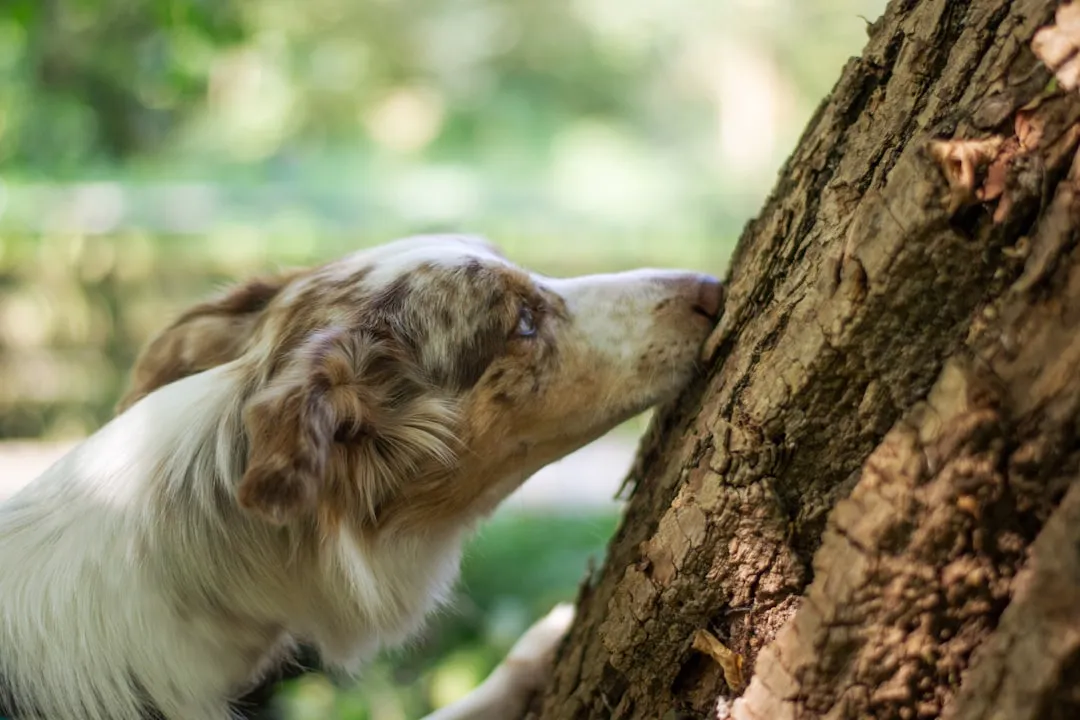
Every surface a dog stops to sniff is essentially a scent record left by other animals, people, and environmental changes over time, and in neighborhoods with many dogs, these scent marks act as a social bulletin board communicating about territory, reproductive status, and social rank. That’s a remarkable amount of information compressed into trace chemical compounds. Dogs can detect how recently another animal passed through an area, the sex and reproductive status of that animal, and whether it was stressed or healthy, all from trace chemical compounds in urine, secretions, or even paw prints.
This is why the behavior takes so long. It’s not that the dog is confused or distracted. They’re reading a layered chemical message that takes time to fully decode, much like reading several pages of text compressed into a small physical space.
The Vomeronasal Organ: A Second Nose Inside the First
The vomeronasal organ, often referred to as Jacobson’s organ, is located inside a dog’s nasal cavity and opens into the roof of the mouth, and its nerves connect directly to the brain, uniquely designed to detect pheromones, communicating with the part of the brain that deals with mating. This is essentially a second, entirely separate olfactory system layered on top of the first. Unlike the main olfactory system, which processes everyday smells such as food or household scents, this organ is designed to detect pheromones and other chemical signals that carry biological meaning, communicating information related to social presence, reproductive status, stress levels, and territorial markers.
The nerves from Jacobson’s organ lead directly to the brain and are different from other nerves in the nose in that they do not respond to ordinary smells, but to a range of substances that often have no odor at all, effectively detecting what we might call “undetectable” odors. This dual system is part of why a single scent spot can hold so much information worth lingering over.
Sniffing Frequency: A Precise and Rapid Process
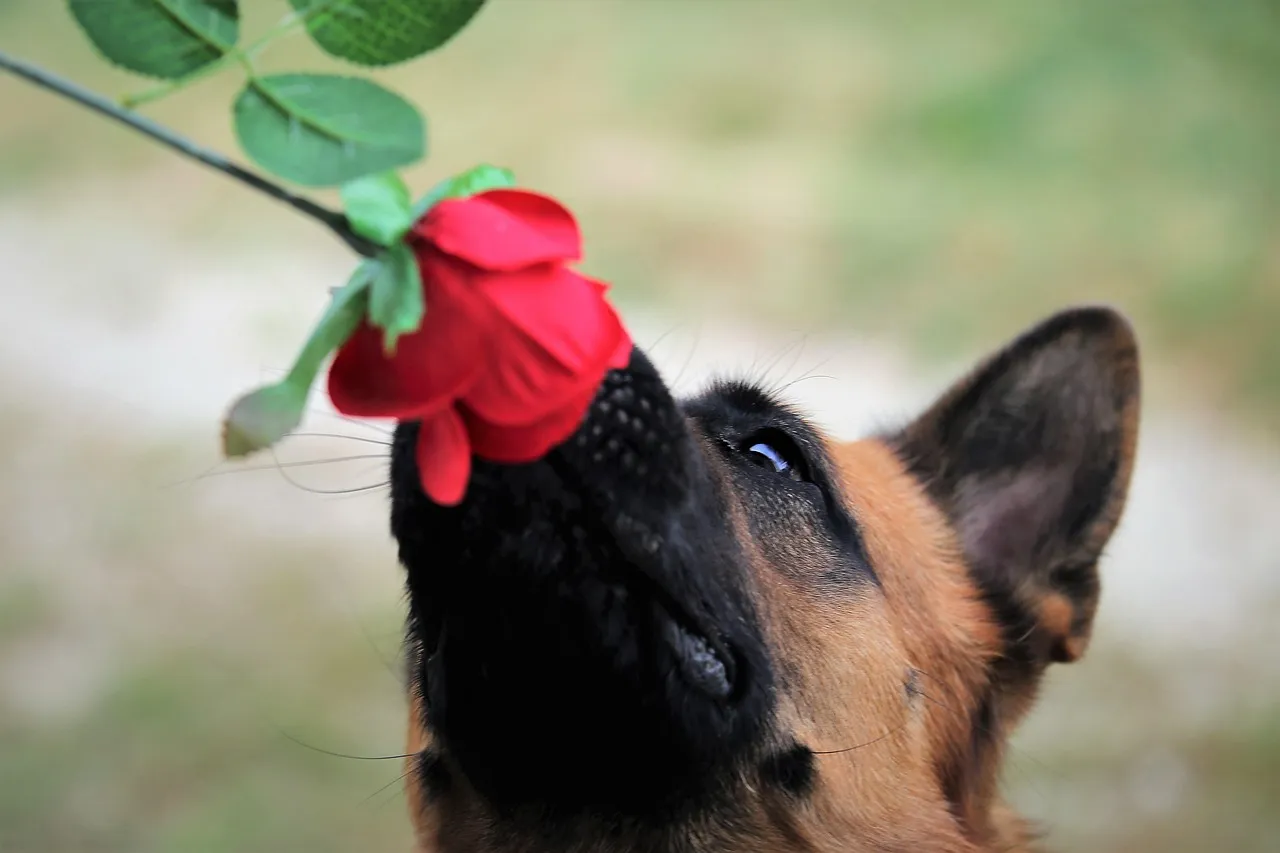
Despite the wide range of dog sizes and weights, all dogs sniff at about the same frequency, roughly five times per second, which is the same rate at which they pant. That rhythm isn’t random. It’s precisely tuned to keep fresh scent molecules flowing across the olfactory epithelium without overloading it. Research has shown that when a dog sniffs, each nostril pulls in a separate odor sample, allowing the dog to tell which nostril is pulling in the scent and therefore which direction to go when tracking.
This directional sniffing is part of what makes dogs so precise in their investigations. A stationary dog sniffing one patch of ground isn’t just smelling. They’re triangulating, cross-referencing, and building a spatial and chemical picture of what happened there and when.
What the Brain Is Doing During a Long Sniff
Investigation of a dog’s brain activity related to their olfactory capabilities has been an active topic of research, with scientists identifying three areas of the brain relevant during scent discrimination in dogs: the olfactory bulb, the hippocampus, and the amygdala. A 2025 study published in the Journal of Biophotonics used laser speckle pattern analysis to study these regions in real time. The analysis revealed that the amygdala plays a crucial role in scent differentiation.
The involvement of the hippocampus suggests that dogs aren’t just detecting odors in the moment. They’re actively comparing what they smell now against scent memories stored from previous encounters. That comparison process alone could account for much of the time they spend anchored to a single spot.
The Emotional and Stress-Regulating Function of Sniffing
When a dog engages their nose, it triggers the parasympathetic nervous system, which is responsible for rest, digestion, and relaxation, helping to lower heart rate and reduce stress levels and promoting overall well-being. This is a real physiological shift, not just a behavioral one. A field study on canine sniffing behavior found that dogs engaging in extended sniffing sessions exhibited reduced signs of stress and arousal, suggesting that sniffing plays a key role in emotional regulation and relaxation.
Reduced access to sniffing is consistently associated with higher rates of boredom-driven behaviors including destructiveness and excessive vocalization. In other words, cutting a dog’s sniff session short isn’t just mildly frustrating for them. Over time, it can contribute to behavioral problems that owners often struggle to explain.
Scent Work and Improved Self-Control
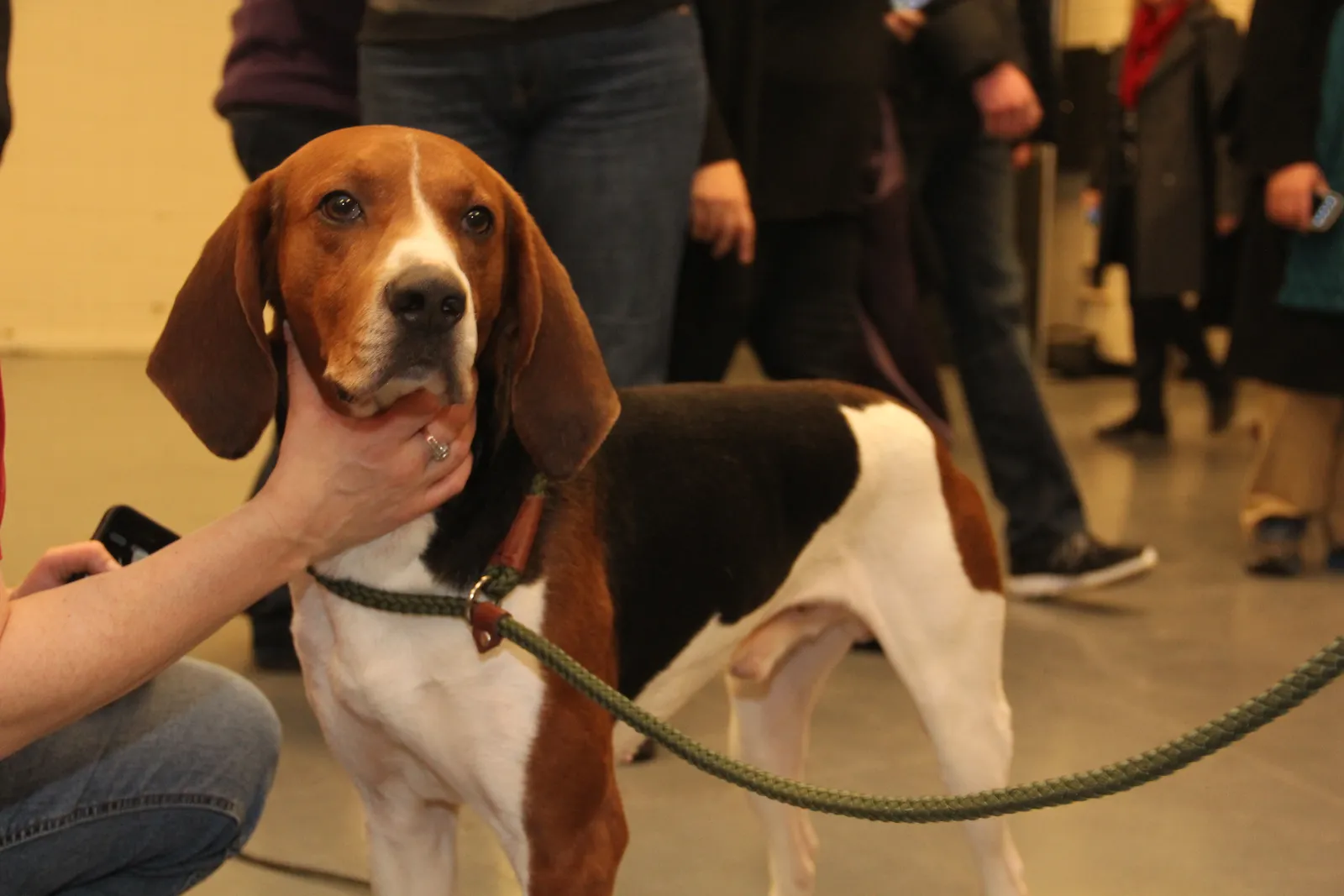
A 2024 study published in the journal Animals found that dogs trained in scent work displayed improved inhibitory control, meaning they were better able to stay calm and assess situations rationally instead of reacting impulsively. This connection between sniffing and self-regulation makes practical sense. A dog that regularly engages its nose in a focused, deliberate way is exercising a form of cognitive discipline with each session. While scent work may seem like just fun and games, it actually helps build focus, self-regulation, and resilience, and engaging a reactive dog’s nose can create a meaningful shift in their emotional state.
For owners dealing with anxious or reactive dogs, this finding has direct implications. Structured sniffing, whether through formal nosework or simply allowing more time on walks, may be one of the more effective tools available, and it requires no special equipment.
Sniff-Focused Walks as Genuine Enrichment
There has been recent growth in recreational, sport, and competition scent activities for companion dogs, with an increasing focus on sniffing as a therapeutic or enriching function. Researchers and behavior professionals have started studying this more formally. Behavior professionals propose that nosework, scent work, sniff-focused walks sometimes called “sniffaris,” and directed searches for food might enhance dog welfare and provide meaningful mental stimulation.
Pet owners who incorporate intentional sniffing time into daily walks not only support their dogs’ mental stimulation but also foster emotional well-being for their pets. The shift in framing is worth noting. A sniff walk is not a walk that lacks structure. It’s a different kind of structure, one calibrated for the dog’s sensory world rather than the owner’s schedule.
Detection Dogs and What They Reveal About All Dogs
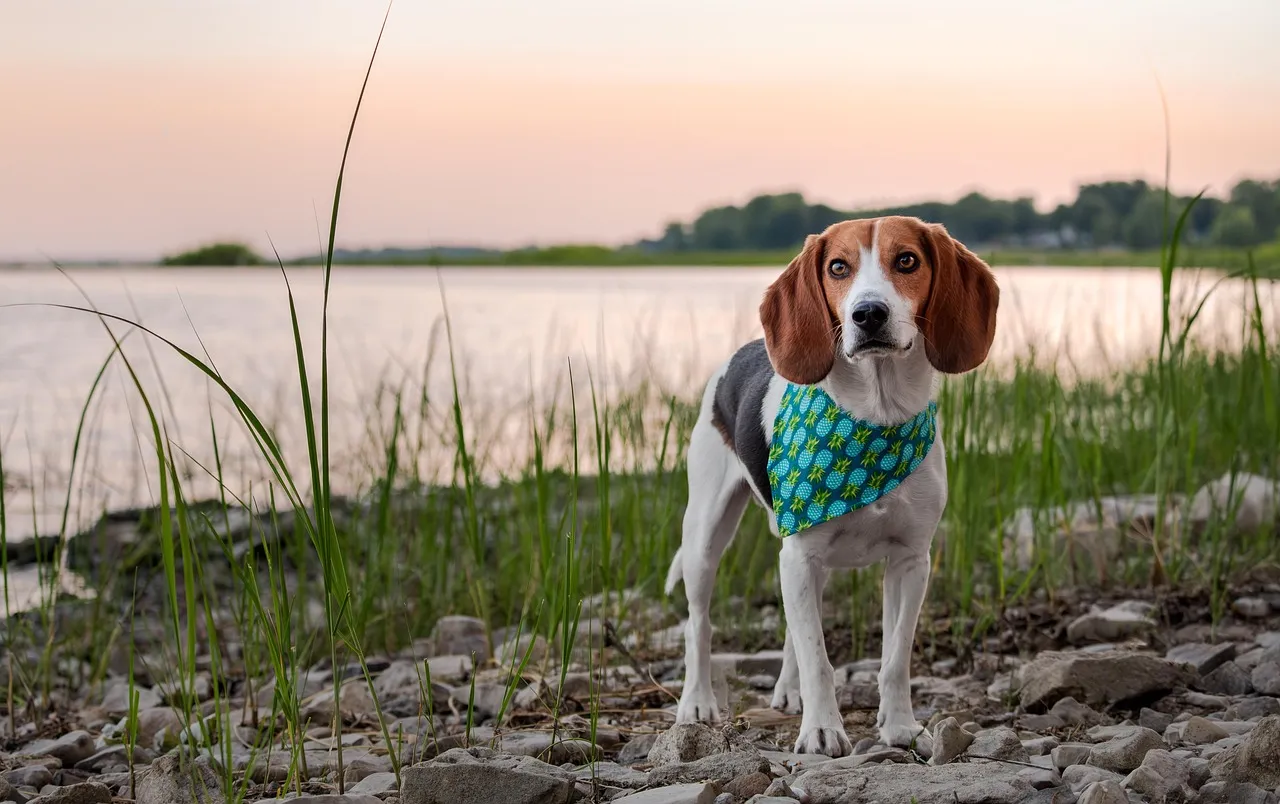
Law enforcement detection dogs have been shown to take in significantly higher volumes of air during scent work, and dogs are utilized in forensic science for their extensive scent-detection capabilities, often considered the “gold standard” in field detection for targets such as illicit drugs and explosives. The performance of trained detection dogs offers a useful window into what ordinary pet dogs are doing in miniature every day. Research has also shown that sniffing frequency increases significantly with increased training time, suggesting that dogs can improve and refine their olfactory behavior through practice.
Dogs are increasingly used in a wide range of detection tasks including explosives, narcotics, medical, and wildlife detection, and research on detection dog performance is important to understand olfactory capabilities and behavioral characteristics. The same nose pausing over a lamppost on your street is, structurally and physiologically, the same instrument used to find missing persons or detect diseases. Scale and training differ. The hardware does not.
The Takeaway
That long pause at the fire hydrant, the patch of dead grass, or the base of a tree isn’t your dog being stubborn or slow. It’s your dog doing the thing they’re biologically built to do at the highest level of precision their body allows. Whether outside or inside the house, when dogs sniff things, they are gathering essential information and mentally stimulating themselves, and a single sniff stop is the equivalent of your dog reading a detailed report on everything that has happened in that spot.
The next time you feel the urge to tug the leash and move on, consider what you’d be interrupting. Not a distraction. A conversation. One that matters deeply to the creature on the other end of the lead, written in a language we simply don’t have the senses to read.
AI Disclaimer: This article was created with the assistance of AI tools and reviewed by a human editor.