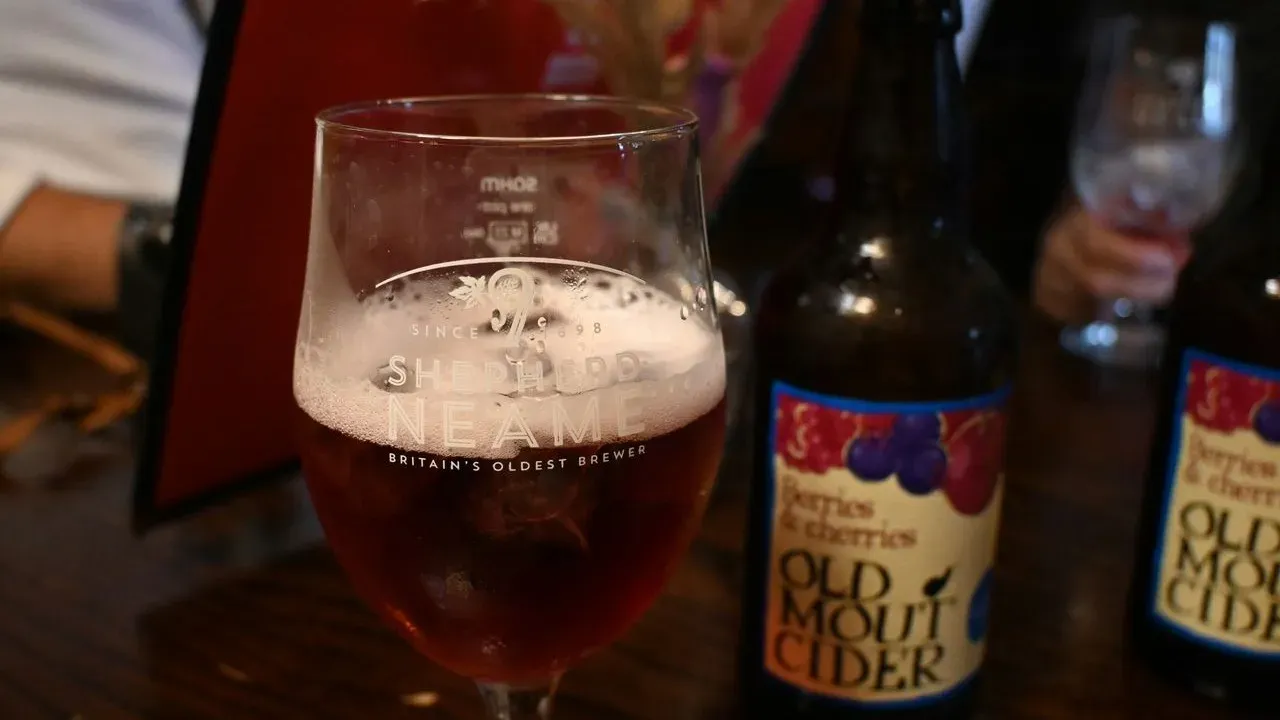

Mead making stretches back thousands of years, yet it remains one of the simplest ways to transform a surplus garden harvest into something distinctive. Fruit and flowers gathered from backyard plots or nearby wild spaces supply the sugars and aromas that turn basic honey and water into layered, aromatic brews. The process draws on both wild fermentation and careful additions, rewarding patience with a drink suited to any season.
Understanding the Core Styles
A melomel is mead fermented with fruit, while specific names apply to certain bases. Apples produce cyser, a drink close to cider yet enriched by honey. Grapes yield pyment when honey supplies the fermentable sugars instead of or alongside grape sugars. These distinctions matter less than the shared technique: fruit or petals are added to a honey-water must, where fermentation extracts flavor without needing to juice everything first. The amount of fruit can vary widely. Excess rarely harms the final taste the way too many spices might. A higher fruit load reduces the honey required, since the produce itself contributes sugars. Ratios often start around one part honey to six or eight parts water when fruit dominates, then adjust based on desired strength and sweetness.
Working With Berries and Other Fruits
Summer brings abundant options for berry melomels. Mild to sweet varieties work best, and combinations create pleasing medleys. Tart berries add brightness but require restraint to avoid an overly sharp result. Elderberries stand out for depth of flavor. Freezing small berries first makes de-stemming easier and helps separate unwanted material when they are later placed in water. For a five-gallon batch, berries fill a fermenter to one-quarter or three-quarters capacity depending on how much fruit character is wanted. A light or medium honey preserves the berry notes. Orange juice supplies extra acid, and a handful of raisins supports wild yeast activity. Stirring and light mashing start the process, with the vessel placed to catch any vigorous overflow. After two or three weeks, racking moves the liquid off the solids, and additional berries can be added for stronger flavor during secondary stages.
Creating a Classic Cyser
Cyser combines apple juice with honey for a farmhouse-style drink that once appeared regularly on tables in agrarian communities. Late-season apples with balanced sugar and acid give the best results. Blending sweet and tart varieties produces complexity, and allowing fruit to sweat in a cool place softens it for easier juicing. Freezing whole apples offers another practical route when harvest time is rushed. A basic five-gallon recipe calls for roughly three bushels of apples to yield four gallons of juice, plus six to eight pounds of honey. Raisins and yeast nutrient aid fermentation, whether wild or with a commercial strain such as Lalvin D-47. Headspace is essential because cyser foams vigorously. Multiple rackings clear sediment, and the finished drink can be bottled young for light carbonation or aged longer for smoothness.
Exploring Flower-Based Variations
Flower meads follow similar steps yet highlight delicate, seasonal aromas. Only edible petals are used, gathered away from roadsides or sprayed areas. Dandelion, elderflower, wild violet, rose of Sharon, and lavender each bring distinct profiles. Quantities range from a pint or two for stronger flowers up to several quarts for milder ones per gallon batch. Petals are added during primary fermentation for subtle effect or in secondary stages for clearer flavor. A cup of orange or lemon juice per gallon and a few raisins help the yeast work. Combining petals with fruit or floral honey intensifies the summery character. The result is a lighter mead that captures the essence of spring and early summer gardens. Mead making turns overlooked garden abundance into a living connection with older traditions. A single successful batch often leads to further experiments with whatever ripens next.
AI Disclaimer: This article was created with the assistance of AI tools and reviewed by a human editor.