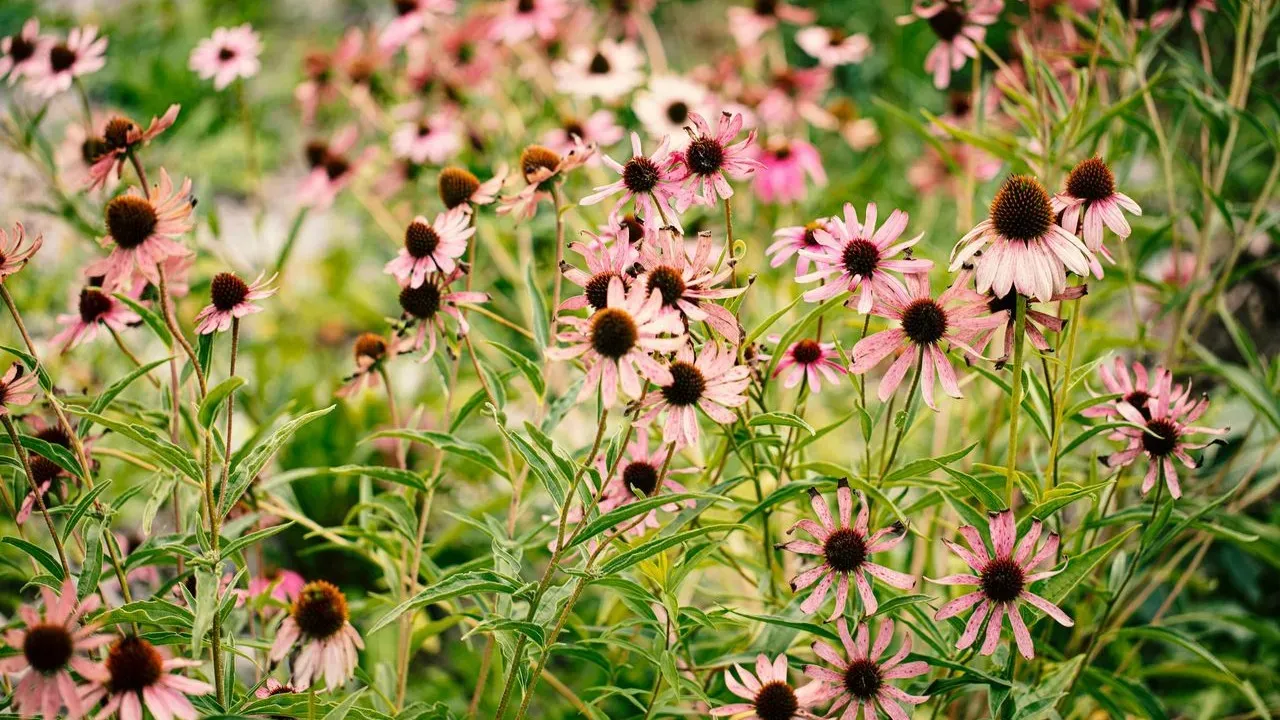

September brings a quiet window for gardeners who want to refresh tired beds without spending a cent at the nursery. Overcrowded perennials that have lost their vigor can be lifted, split, and replanted now, giving each new section time to settle roots before winter. The result is a fuller garden next spring and a stack of healthy plants that cost nothing beyond a few hours of work.
Why September Timing Matters
Cooler soil temperatures and milder days reduce transplant shock, allowing divided plants to focus energy on root growth rather than fighting heat or drought. Many perennials enter a slower growth phase in early fall, which makes them more forgiving when their root systems are disturbed. Waiting much longer risks frozen ground that prevents new roots from establishing. Gardeners who act now also avoid the rush of spring chores when every task competes for attention. The practice aligns with the natural cycle of many popular perennials that benefit from periodic renewal.
The Real Savings Behind Free Plants
Dividing existing clumps multiplies what a gardener already owns, turning a single mature plant into several vigorous ones ready for new spots or to share with neighbors. This approach sidesteps the cost of buying replacements while improving air circulation and light penetration in crowded beds. Healthier spacing often reduces disease pressure and encourages stronger blooms the following season. Over time the habit compounds: each successful division adds to the garden’s inventory without additional purchases. Many experienced gardeners trace entire borders back to a handful of original plants that were repeatedly split and moved.
How the Process Works in Practice
Begin by choosing a mild day and watering the target plants thoroughly the evening before. Use a sharp spade or garden fork to lift the entire clump, keeping as much soil around the roots as possible. Shake or rinse away excess soil to reveal natural division points where stems and roots form distinct sections. Cut or pull the clump apart into smaller pieces, each with several healthy shoots and a good root mass. Replant the divisions at the same depth they grew before, spacing them according to their mature size. Water well and apply a light layer of mulch to retain moisture during the transition.
What to Watch for After Dividing
Newly planted sections may look sparse at first, yet steady moisture and protection from early frosts usually bring visible new growth within weeks. Mark the locations clearly so they are not accidentally disturbed during fall cleanup. Monitor for signs of stress such as wilting and provide extra water if rainfall is scarce. By spring the divided plants typically fill in quickly, often blooming on schedule or even earlier because the roots had an undisturbed winter to expand. The original bed also benefits from the reduced competition, producing stronger stems and more flowers. The quiet satisfaction of watching one plant become several without opening a wallet is one of the simplest rewards in home gardening.
AI Disclaimer: This article was created with the assistance of AI tools and reviewed by a human editor.