
The Chemical That Actually Makes You Cry
The culprit behind onion-related tears is a compound called syn-propanethial-S-oxide. Cutting an onion releases this gas, which irritates the nerves in your eyes and triggers reflex tears. It belongs to a class of compounds known as lachrymators, from the Latin word for tears.
You’re essentially dealing with an airborne sulfur-containing organic chemical that is similar in some ways to tear gas. That comparison alone explains why even brief exposure can feel intense. When propanethial-S-oxide comes into contact with the surface of the eye, it reacts with water to create an acid that stimulates a nervous response, triggering tears to wash the irritant away.
How the Onion Builds Its Chemical Defense
Before it found its way into your kitchen, the onion plant was absorbing sulfur from the soil, using it in a number of amino acids. This sulfur accumulation is central to everything that happens next. Syn-propanethial-S-oxide is produced by onion plants as a protection mechanism. As it grows underground, the onion needs some defense against hungry creatures looking for a snack.
Cutting an onion ruptures its cells, releasing the enzyme alliinase. A second enzyme then rearranges the products into a volatile gas, syn-propanethial-S-oxide. The whole process happens almost instantly. The presence of the second enzyme, lachrymatory-factor synthase (LFS), makes the onion’s reaction unique. LFS acts immediately on the unstable sulfenic acids, rearranging their structure into the highly volatile gas.
What the Gas Does to Your Eyes
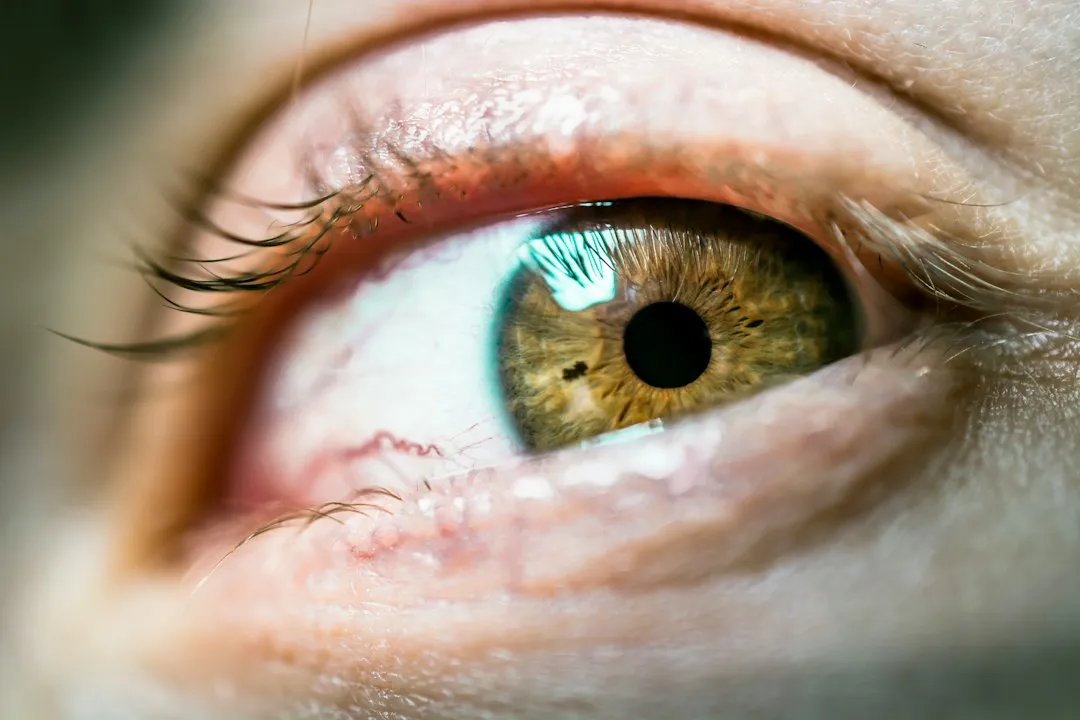
Because syn-propanethial-S-oxide is a volatile gas, it quickly vaporizes and travels upward. When it reaches the eye, it dissolves in the thin, watery film covering the eyeball, converting into a dilute solution of sulfuric acid. This acid immediately irritates the sensory nerve endings in the cornea, signaling a threat to the brain.
The irritation caused by this compound stimulates sensory neurons in the cornea. These neurons send signals through the trigeminal nerve to the brainstem, which then activates the tear glands around the eyes. In response to this chemical signal, the lacrimal glands are stimulated to flush the irritant away. The resulting flood of tears is a protective reflex intended to dilute and wash the sulfuric acid off the eye’s surface.
Trigeminal Sensitivity: The Key Difference Between People

One of the most compelling explanations for why people react so differently comes from a large study published in 2026. A total of 1,001 participants completed four subjective ratings of nasal function, three psychophysical tests, and answered questions about the severity of their tearing while cutting onions. The findings were striking.
Results revealed that higher levels of onion tearing were associated with better self-rated olfactory ability, nasal breathing, and higher sensitivity to nasal stinging and burning. In other words, people who cry more from onions tend to have a more responsive chemosensory system overall. The findings indicate that greater self-reported tearing experienced when cutting onions is related to measures of chemosensory function, especially those related to trigeminal sensitivity.
The Role of Genetics

Your DNA plays a measurable role in how your eyes respond to onion gas. Research indicates that a person’s ability to produce tears in response to the lachrymatory factor is influenced by their genetic makeup. The ALDH1A1 gene plays a role in the metabolism and breakdown of onion lachrymatory factor. Individuals with a particular genetic variant of this gene tend to be less prone to tearing when cutting onions.
Conversely, those without this variant may experience greater sensitivity to the lachrymatory factor. These differences in inherent sensitivity explain why some people are less affected by onion fumes. This genetic angle is still being explored, but it offers a solid biological foundation for what most people just chalk up to personal quirk.
Age Changes How Your Eyes React

Younger people tend to cry more from onions, and research backs this up. A study measuring the effects of synthesized onion lachrymatory factor across age groups found clear differences in reflex tear secretion. 91 healthy volunteers were separated into four groups by age, and one eye of each subject was exposed to the lachrymatory factor to measure their tolerance time and tear response.
The tolerance time before irritation became unbearable was significantly shorter in the youngest group (age 20 to 29) than in all other groups. This suggests that younger eyes are actually more sensitive to the compound, not less. As people age, corneal sensitivity tends to diminish, and the reflex tear response becomes somewhat less vigorous.
Not All Onions Are Equally Punishing

White, yellow, and red onions all have higher concentrations of the onion enzyme necessary to create syn-propanethial-S-oxide, while sweet onions, green onions, and scallions have fewer of the necessary enzymes. So the variety in your shopping basket matters more than most people realize.
Yellow onions are frequently cited as being among the worst culprits for causing tears due to their robust sulfur levels. Beyond variety, the age and storage of an onion can also play a role. Older onions or those that have been stored for extended periods may have higher concentrations of the enzymes and precursor compounds, leading to a more potent tear-inducing effect when cut. So a long-stored yellow onion is about the most challenging scenario you can face at a cutting board.
How Cutting Technique Affects the Tears
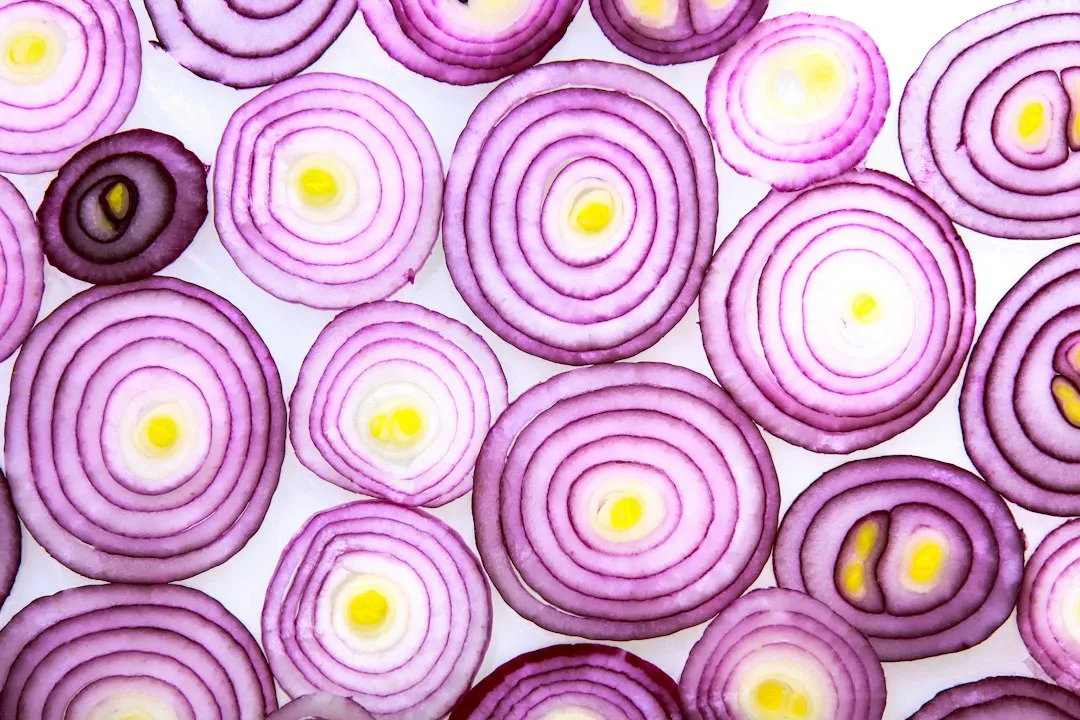
The way you cut an onion isn’t just a matter of culinary style. It directly affects how much lachrymatory factor gets released. The experience of chopping onions through a haze of prickling tears is a common annoyance, but recent research indicates that the amount of gas released from piercing the onion’s skin can be reduced by using a sharper knife. A duller blade crushes more cells rather than slicing cleanly through them, releasing more of the irritating compound.
The proximity of your face to the cutting surface also matters considerably. One method focuses on the volatility of the gas by using air movement to direct it away from the face. Cutting the onion near an open window, a running kitchen exhaust fan, or a small personal fan physically disperses the gas. Even a slight breeze between your face and the onion changes the equation meaningfully.
Temperature Affects the Chemical Reaction
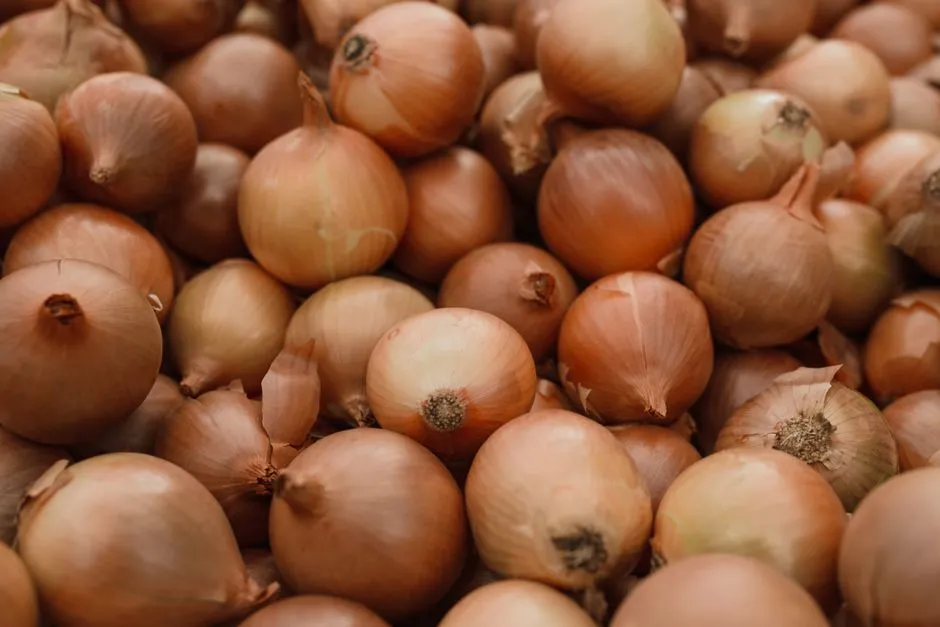
Chilling your onion before cutting is one of the most practical strategies supported by science. One strategy involves lowering the temperature of the onion by chilling it in a refrigerator before cutting. Enzymes are biological catalysts whose activity slows down significantly at colder temperatures. A cold onion reduces the speed at which alliinase and LFS can produce the lachrymatory factor gas.
The gas still forms, but more slowly and in smaller quantities. This gives the volatile compound less time to accumulate and drift toward your eyes before you finish the cut. It’s a simple trick, though not a perfect one, especially if you’re working with a large quantity of strongly sulfured onions.
Contact Lens Wearers and Corneal Sensitivity

People who wear contact lenses often report that onions bother them differently than they do eyeglass wearers. Part of this comes down to how lenses interact with the cornea over time. Contact lens wear can contribute to dry eye. A contact lens can disrupt the natural tear film and can reduce corneal sensitivity over time, which can cause a reduction in tear film production.
Reduced corneal sensitivity means the nerves that would normally fire strongly in response to irritants like syn-propanethial-S-oxide may respond less dramatically. On the other hand, people with dry eye conditions that are not lens-related may find the already-irritated surface of their eyes reacts more intensely to the onion gas. The interaction between pre-existing eye health and onion sensitivity is genuinely individual.
The Takeaway
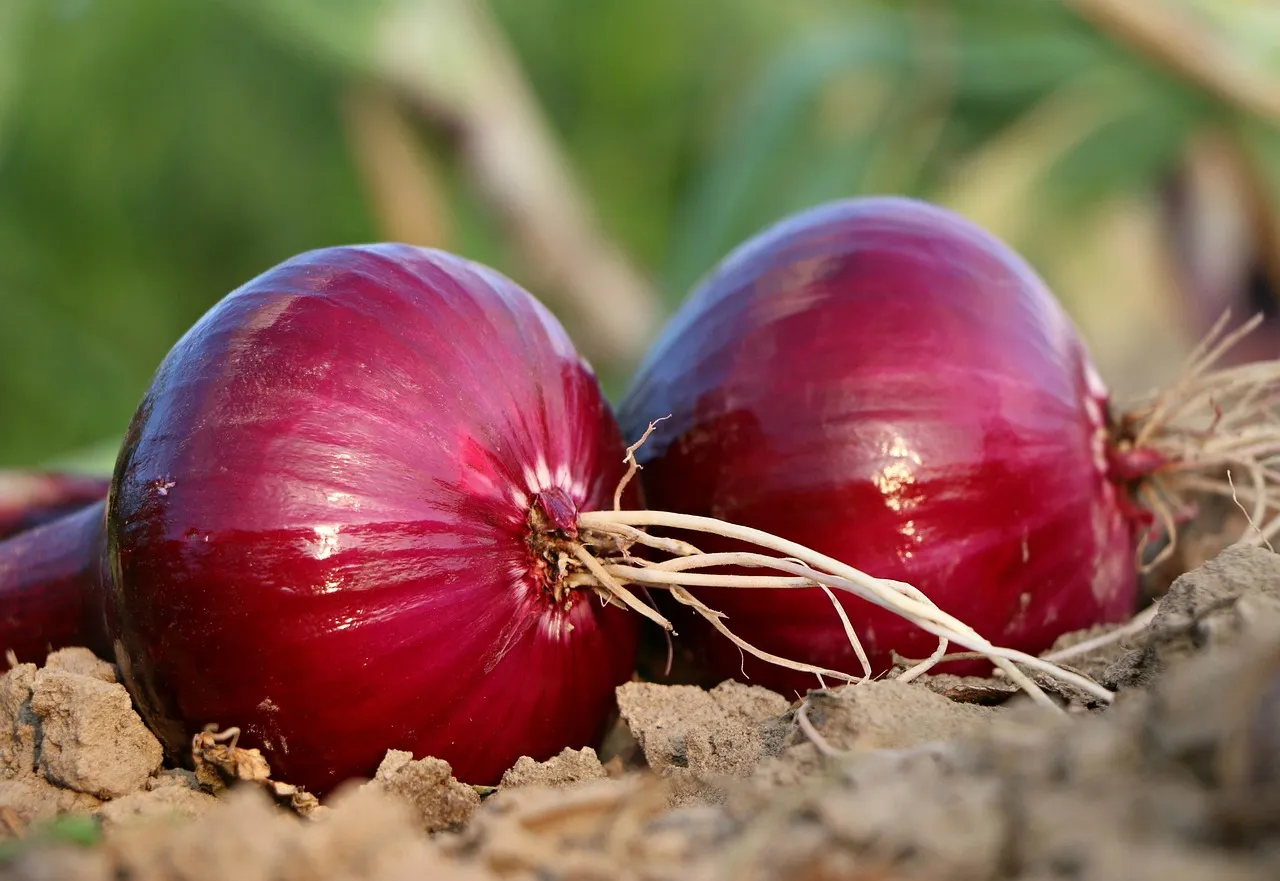
Whether you sail through chopping an onion or have to take a break to clear your vision, your reaction is shaped by a specific and well-documented set of factors. Genetics, age, corneal sensitivity, trigeminal nerve responsiveness, onion variety, knife sharpness, and even kitchen ventilation all play a part. Research has shown for the first time that higher levels of self-reported onion tearing are associated with significantly higher scores on self-rated tests of chemosensory function.
The person in the kitchen who never cries isn’t tougher. They may simply have a less reactive trigeminal system, an older or chilled onion, or a lucky genetic variant. Personal sensitivity to the gas varies among individuals, meaning some people are simply more susceptible to onion-induced tearing than others. Knowing that makes the waterworks feel a lot less embarrassing and a lot more like the interesting biology that it actually is.
AI Disclaimer: This article was created with the assistance of AI tools and reviewed by a human editor.