
Keeping Too Much Creates Too Many Choices
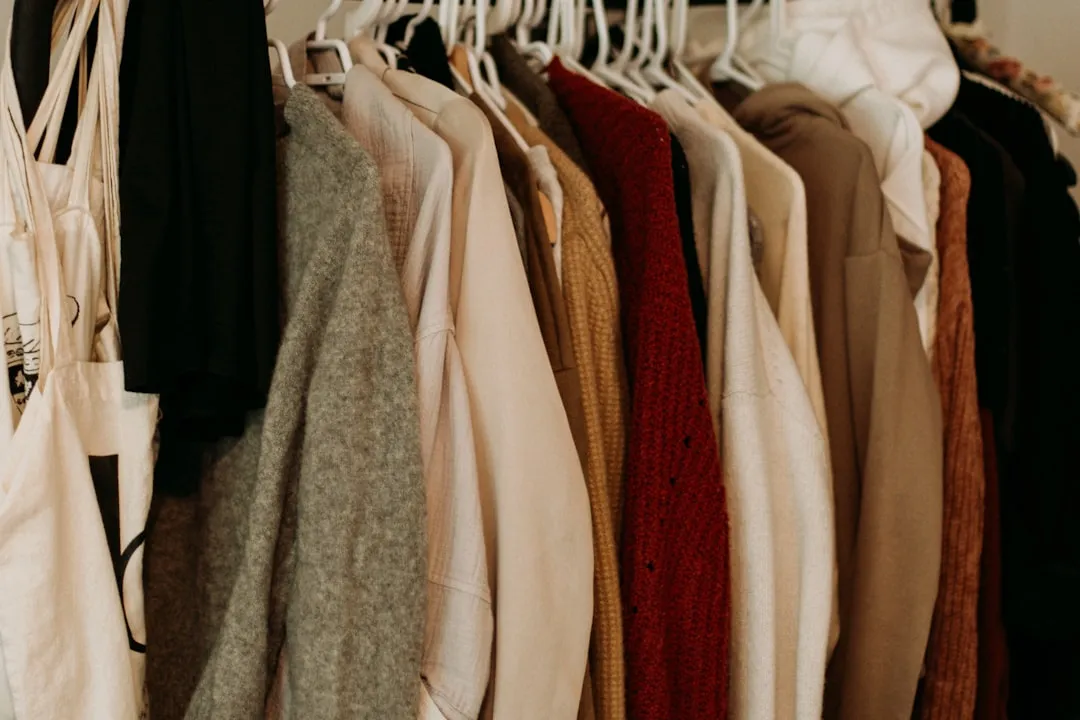
Most people wear only about 20% of their wardrobe 80% of the time. That statistic alone should reframe how we think about closet organization. Decision fatigue is a real thing. Too many choices can be overwhelming, leading us to stick with what we know works.
According to a 2024 report by at-home styling service Stitch Fix, over half of their clients said they felt “mentally overwhelmed or stressed when deciding what to wear.” That’s not a personality flaw. That’s the direct result of confronting too many options before the brain is fully awake.
The human brain is not wired to process an infinite number of choices efficiently. When confronted with hundreds of garments and thousands of potential combinations, it defaults to what is easy and familiar. Organizing more clothes neatly doesn’t fix that. It just makes the avalanche look tidier.
Organizing Without Decluttering First
Disorganization, not lack of space, causes roughly four out of five instances of household clutter. Yet most people skip past this and jump straight to buying organizers, hooks, or drawer dividers. Before buying bins, hangers, or shelves, start by taking everything out. It’s much easier to organize a closet when you can actually see what you own.
Wardrobe decluttering is about identifying what is no longer working and clearing space so getting dressed feels easier. Skipping that step means you’re essentially filing chaos into a prettier folder. Be honest about what you wear, what still fits, and what has been sitting untouched for years. There is little reason to find a storage solution for clothes you don’t want anymore.
Storing Clothes in Stacked Piles
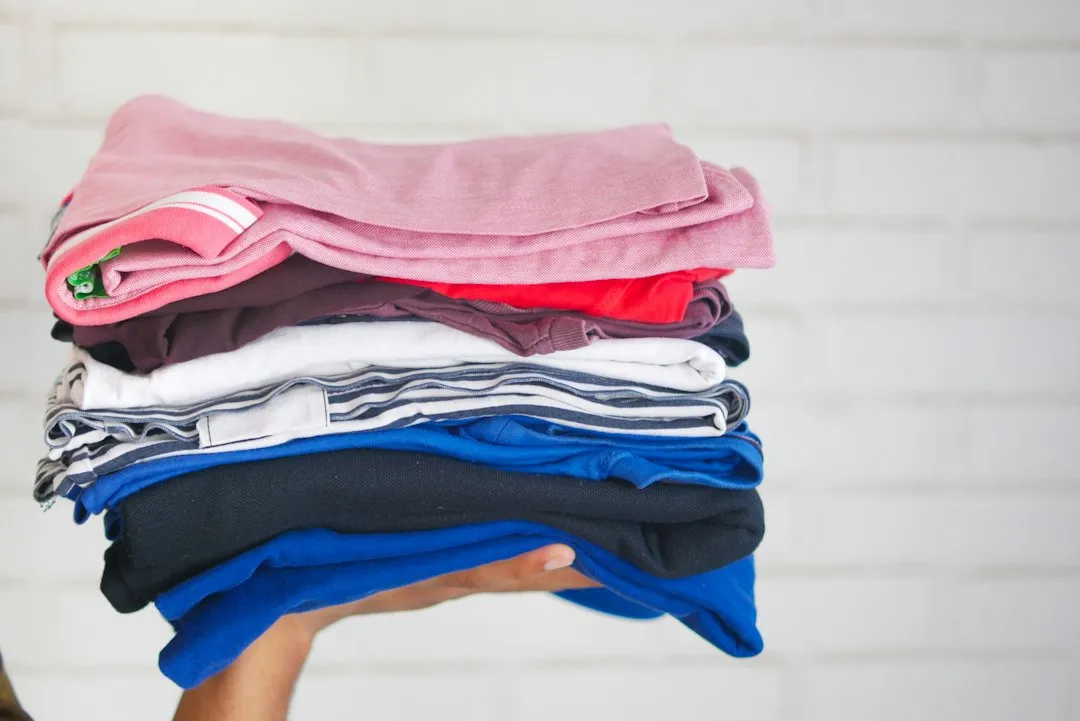
Storing clothes in piles where the items at the bottom can’t easily be seen is a common organizing mistake. Beyond making clothes harder to find, stacked piles tend to become messy the moment you start digging through them. It’s a system that defeats itself within a week.
Instead, try a file fold, which involves folding clothes and storing them vertically rather than stacking them. Not only does it save space, but it also lets you see everything at a glance. For even easier outfit selection, fold items so any identifying logo, graphic, or pattern remains visible.
Ignoring the 80/20 Rule of Your Wardrobe
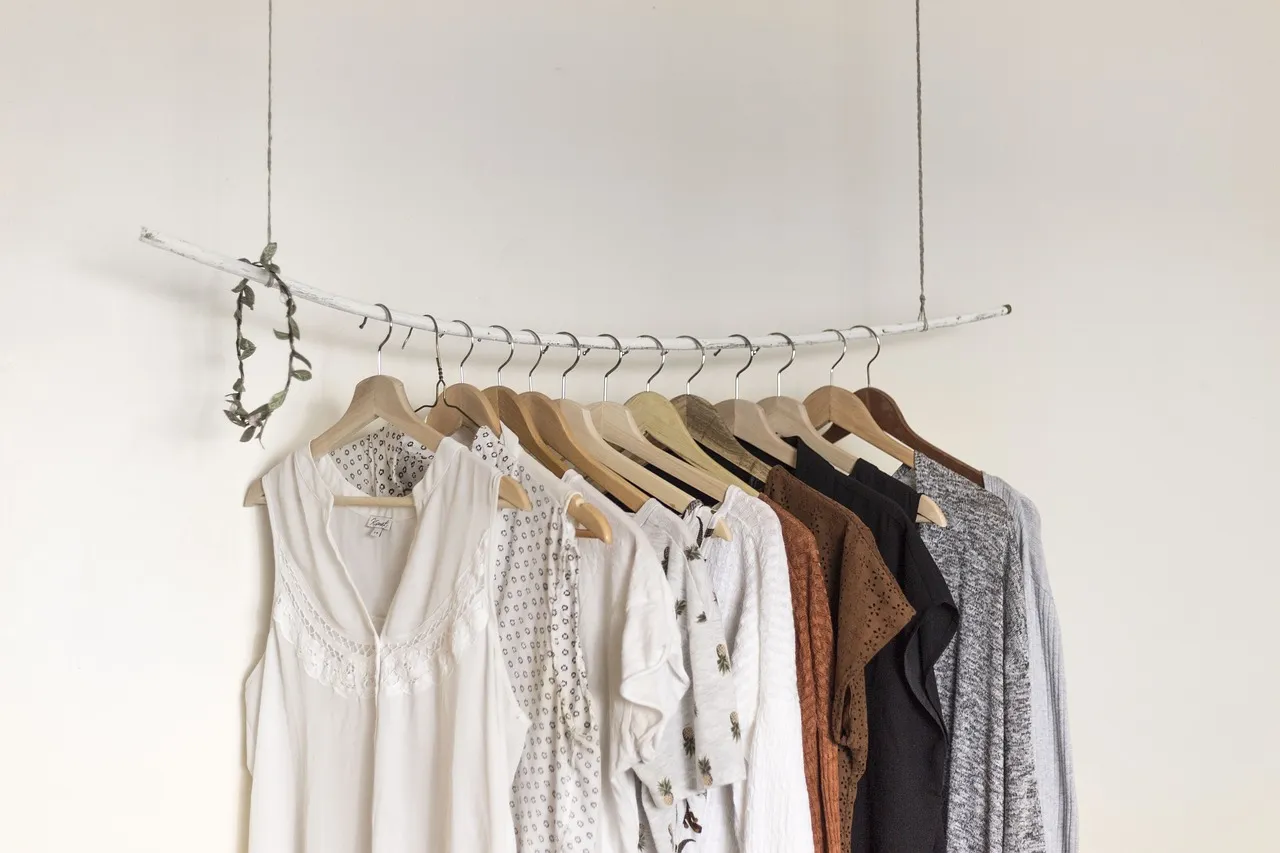
That feeling of having nothing to wear usually comes from accumulation, not a lack of organization. Too many clothes that no longer fit well, support your current lifestyle, or reflect who you are now. The closet feels full, but functionally it’s broken.
A study of over 2,000 American women revealed that their closets had an average of $550 worth of unworn clothing. Those items aren’t helping anyone get dressed faster. They’re actually slowing the process down by adding visual noise and unnecessary decisions to every morning.
Starting your day with a sense of frustration and stress fosters a feeling of dissatisfaction, making you believe the problem is a lack of clothes rather than a lack of organization. This often triggers a destructive cycle: you feel you have nothing to wear, so you buy more clothes to fill the gap.
Flat Surfaces Attract Piles and Kill Visibility
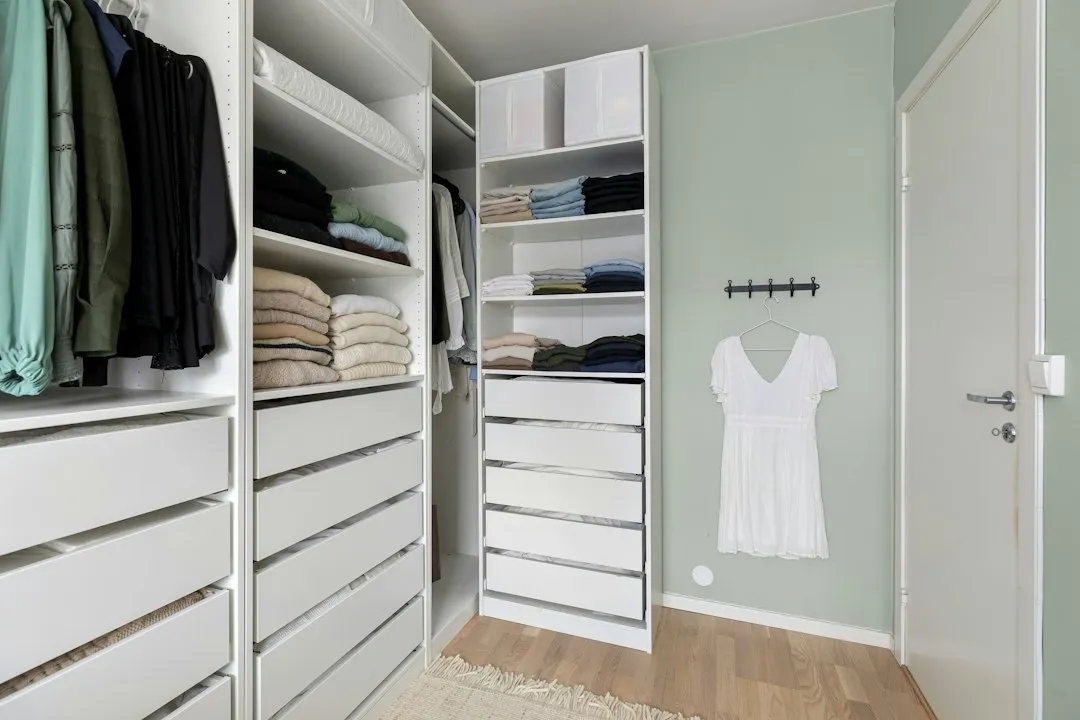
According to Mindy Godding, certified professional organizer and president of the National Association of Productivity and Organizing Professionals, flat surfaces can pose a challenge in wardrobes because they attract piles, making items harder to see and access. A shelf that looks fine on Monday is often a heap by Thursday.
Small items can turn a perfectly tidy drawer into a mess surprisingly quickly. Socks, underwear, belts, scarves, and other accessories are much easier to manage when they have their own sections. Drawer dividers are inexpensive and come in different sizes, so you can find options that fit most drawers.
Not Grouping Clothes by Category or Color
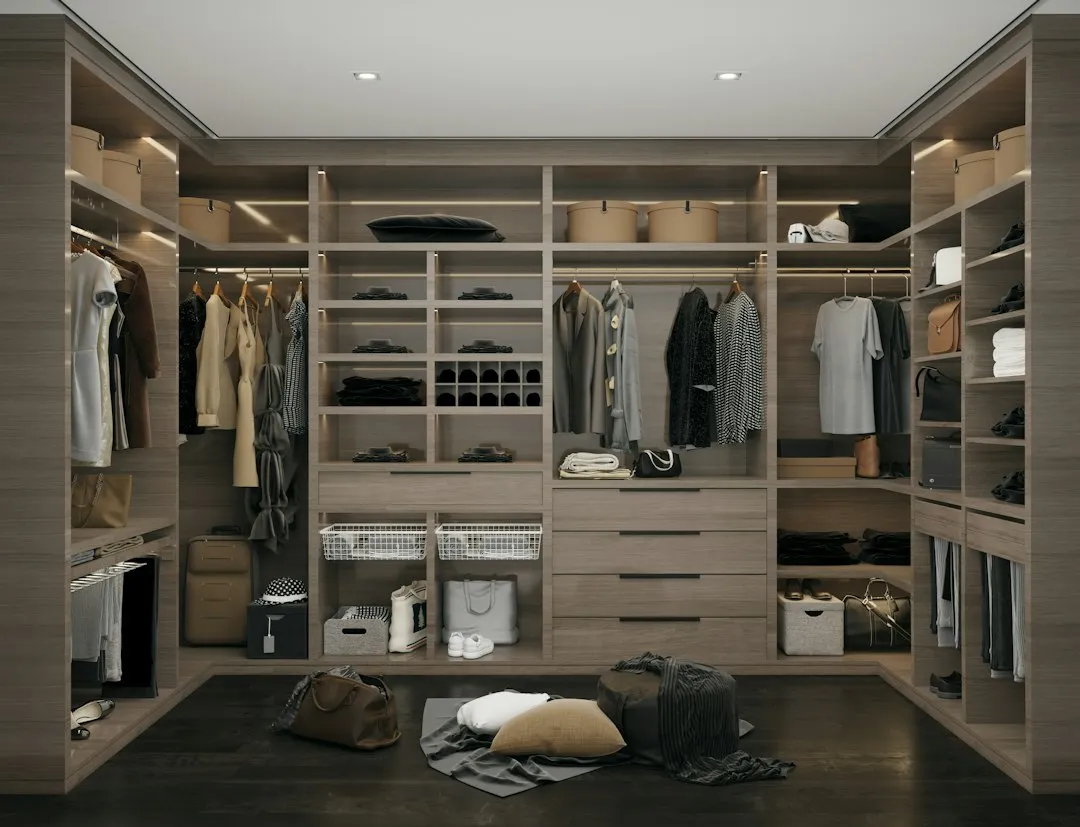
Once you’ve decided what stays, put similar clothing together. Keep shirts with shirts, pants with pants, dresses with dresses, and jackets with jackets. You can take it one step further by arranging each category by color. This makes it easier to find a particular piece and gives the closet a much cleaner appearance.
It also makes it easier to see where you have too much of one type of clothing. If you have a dozen nearly identical black tops, your closet will make that pretty obvious. That kind of visibility is genuinely useful. It stops redundant purchases and helps you identify real gaps instead of imagined ones.
Mixing Seasonal Items With Everyday Clothes
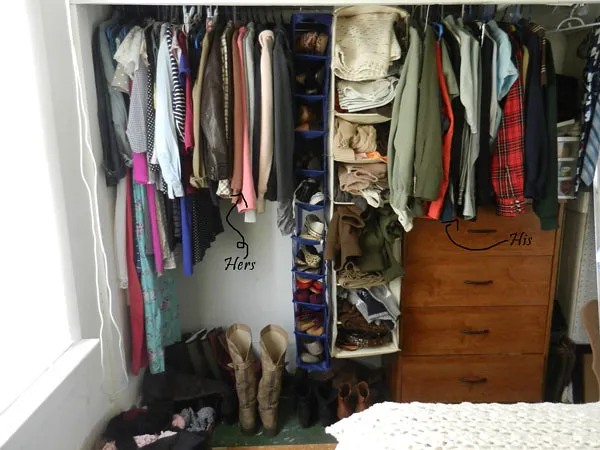
For those with seasonal wardrobes, a closet organization system can include adjustable shelving to store off-season items while keeping the current season’s wardrobe easily accessible. Without that separation, a winter coat hanging next to a summer dress adds friction to every decision you make.
Aside from the occasional sentimental piece, freebie clothing doesn’t belong in your everyday wardrobe. Sentimental pieces deserve care, but they don’t need to create daily visual noise. Off-season and sentimental items are best stored separately, with proper protection, and kept completely out of the active rotation.
Letting Clutter Create Mental Chaos

Research from the Princeton University Neuroscience Institute revealed that physical clutter in your environment competes for attention, reducing performance and heightening stress levels. The closet is no exception. What you see when you open those doors in the morning sets the tone before you’ve even picked an outfit.
Research has shown that cluttered environments are linked to increased levels of stress and anxiety. A study published in Personality and Social Psychology Bulletin found that individuals who described their homes as “cluttered” experienced higher levels of the stress hormone cortisol. That’s not a metaphor. That’s a measurable physiological response to visual disorder.
Living with clutter often results in emotional fatigue. People may feel shame about their messy spaces or worry about spending money on unused items. These negative emotions can build up over time.
Underestimating the Real Cost of a Disorganized Closet
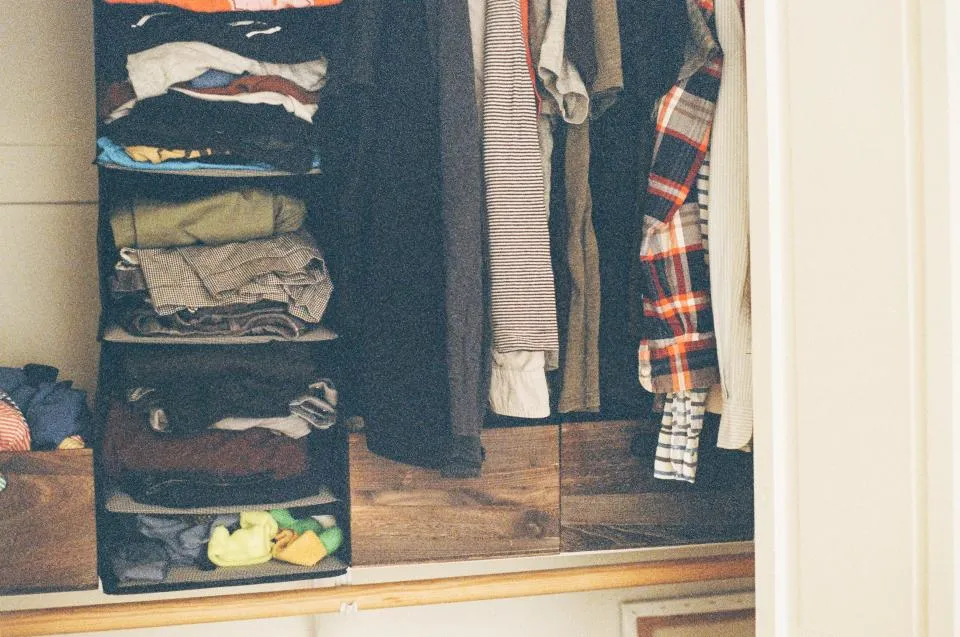
One in nine women has been late for work because she was unable to find some part of her outfit to wear. That’s a significant consequence for something that feels like a minor inconvenience. Additionally, nearly two thirds of women who have a hard time finding anything in their closet end up buying new clothes, spending money on items they likely already own somewhere in the pile.
It’s estimated that people spend roughly 3,680 hours over a lifetime searching for misplaced items. Clothing and accessories make up a meaningful portion of that lost time. The problem isn’t dramatic or unusual. It’s just chronic and quiet, the kind of friction that drains energy without ever announcing itself.
Skipping Maintenance After Organizing
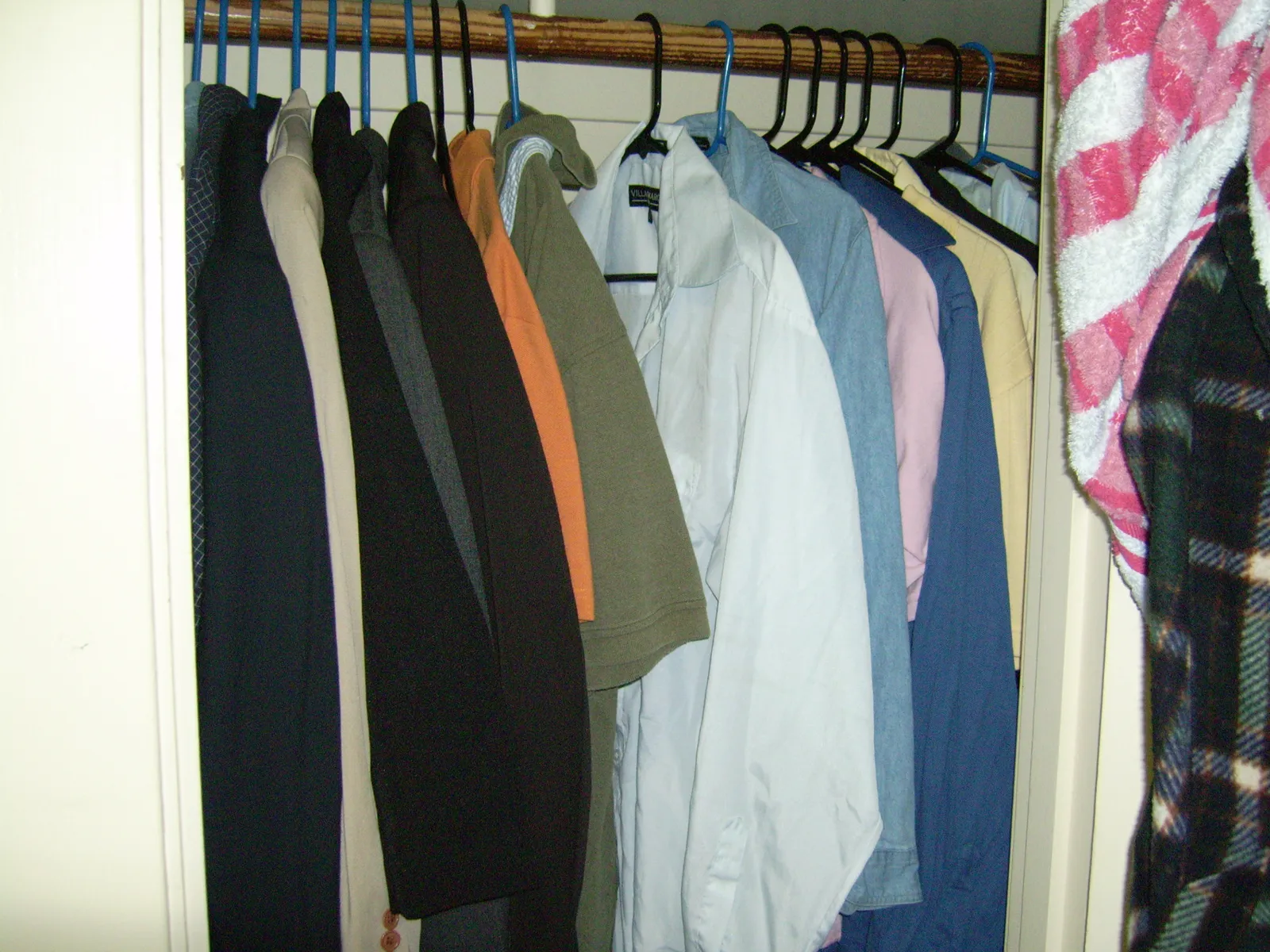
The most important habit is putting items back where they belong immediately. In other words: no more tossing clothes onto the nearest available surface and promising yourself you’ll deal with them later. That single habit, maintained consistently, is what separates a closet that stays functional from one that reverts to chaos within a month.
Research by the National Association of Professional Organizers found that roughly three quarters of participants reported lower anxiety after organizing their homes, with closets being a key focus area. The benefit only holds if the system is maintained. It is about reducing friction. When your wardrobe supports your real life, getting dressed stops feeling like work.
A calm, clutter-free environment helps you start the day on the right foot. By streamlining your routine, you gain a few extra minutes each day to focus on what truly matters. That’s a small return per morning, but compounded across a year, it adds up to something real.
The Real Fix Starts Before You Buy a Single Bin
AI Disclaimer: This article was created with the assistance of AI tools and reviewed by a human editor.