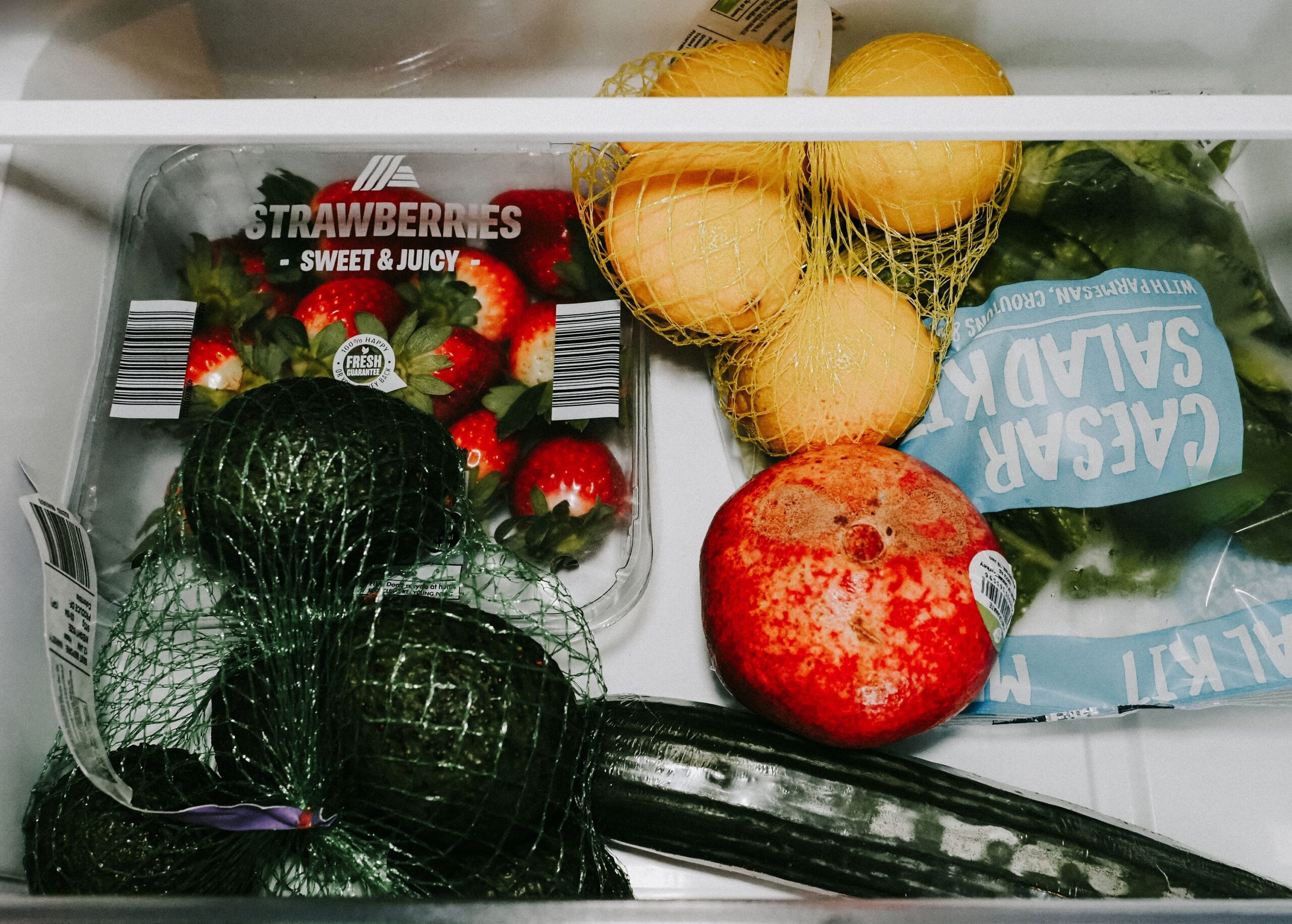

Ethylene Gas: The Invisible Trigger
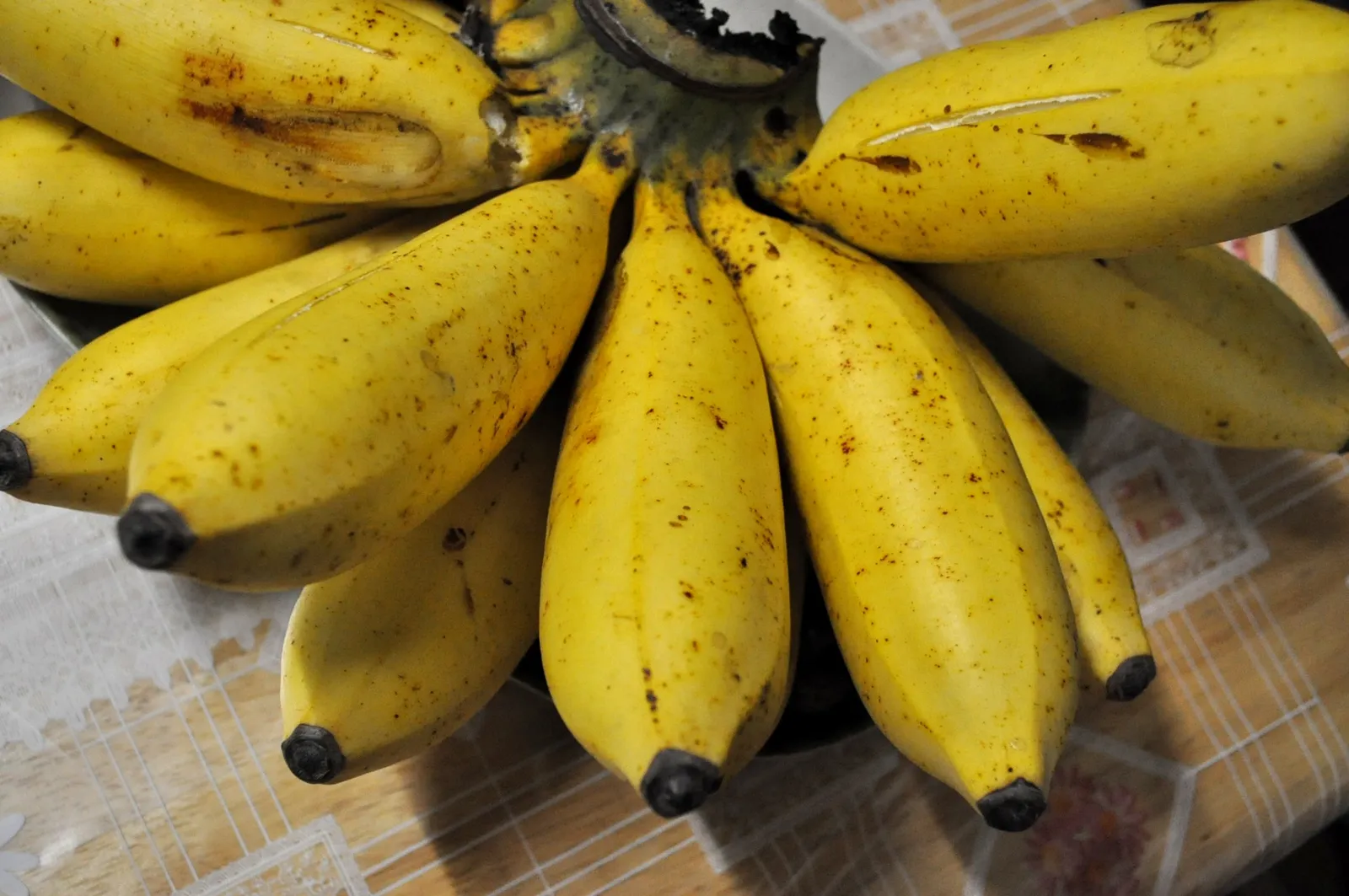
The process starts with a naturally occurring plant hormone released into the air, one that signals fruit to transition from maturation to ripening. The key compound is ethylene gas, a simple hydrocarbon produced by many fruits as they mature. It’s colorless, odorless, and completely invisible to us, yet it’s responsible for some of the most noticeable changes we see in our kitchens.
Ethylene is an important phytohormone that orchestrates a multitude of physiological and biochemical processes regulating fruit ripening, from early maturation to post-harvest. Scientists have studied this compound for more than a century, and its role is now well understood at both the molecular and practical level.
What Makes Bananas Climacteric Fruit

Bananas are classified as climacteric fruit, meaning they experience a surge in respiration and ethylene production during ripening. Once that surge begins, the fruit not only responds to ethylene, it generates more of it. This self-amplifying cycle is part of what makes bananas ripen so quickly once the process kicks off.
The banana is a typical climacteric fruit that produces a significant burst of autocatalytic ethylene and respiration at the onset of ripening, followed by changes in color, firmness, and flavor. That transformation from green and firm to yellow and soft is, essentially, the banana flooding itself with its own ripening signal.
How Apples Amplify the Effect
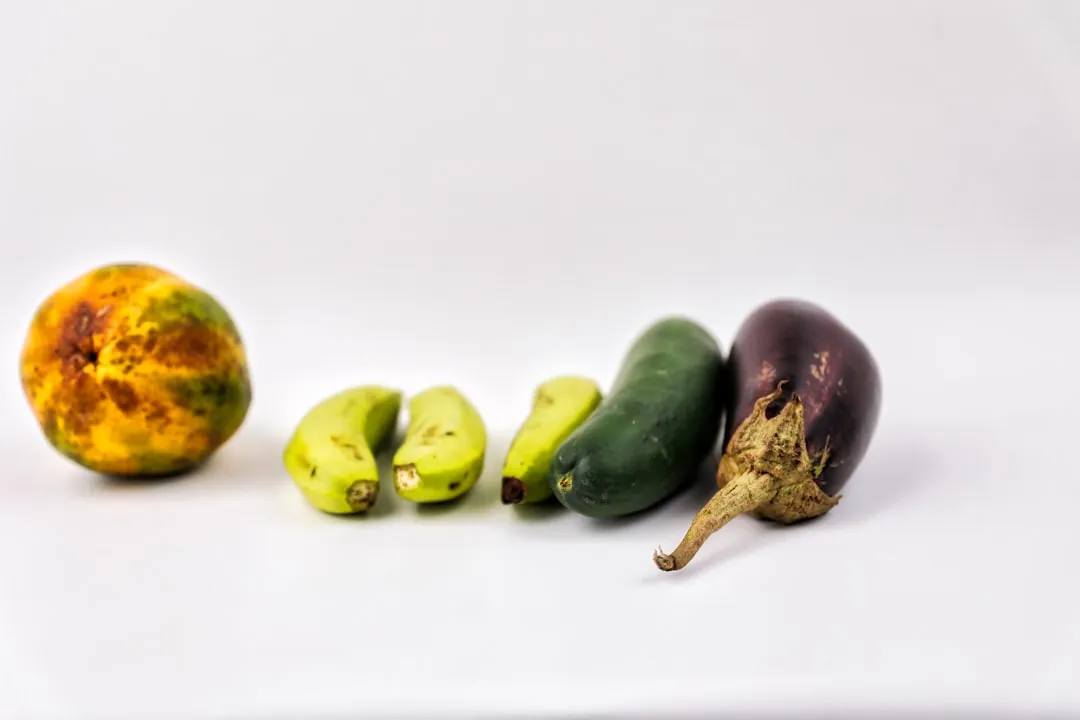
Apples and avocados are both producers and responders, amplifying the effect when grouped together. When a banana and an apple share space in a bowl, both are simultaneously releasing ethylene and responding to the other’s output. The combined gas concentration builds up faster than either fruit would produce alone.
Bananas actually only produce moderate levels of ethylene, but apples, pears, and melons are so sensitive to the hormone that it has a powerful effect on their ripening. This sensitivity cuts both ways. Apples don’t just benefit from banana ethylene – they contribute meaningfully to the shared atmosphere of the bowl.
The Autocatalytic Loop Explained
In climacteric fruit, ethylene production is autocatalytic. This means the initial production of small amounts of ethylene leads to an increase in production at a steady rate. Think of it like a feedback loop where the more ethylene present, the faster the fruit makes even more ethylene.
The positive correlation between ripening rates and ethylene gas is well known for bananas and many other fruit. Because bananas produce a large amount of ethylene gas as they ripen, the effect is autocatalytic, and thus by ripening, the bananas increase their own ripening rate. Sitting next to apples simply adds more fuel to that fire.
The Molecular Switch Inside the Fruit
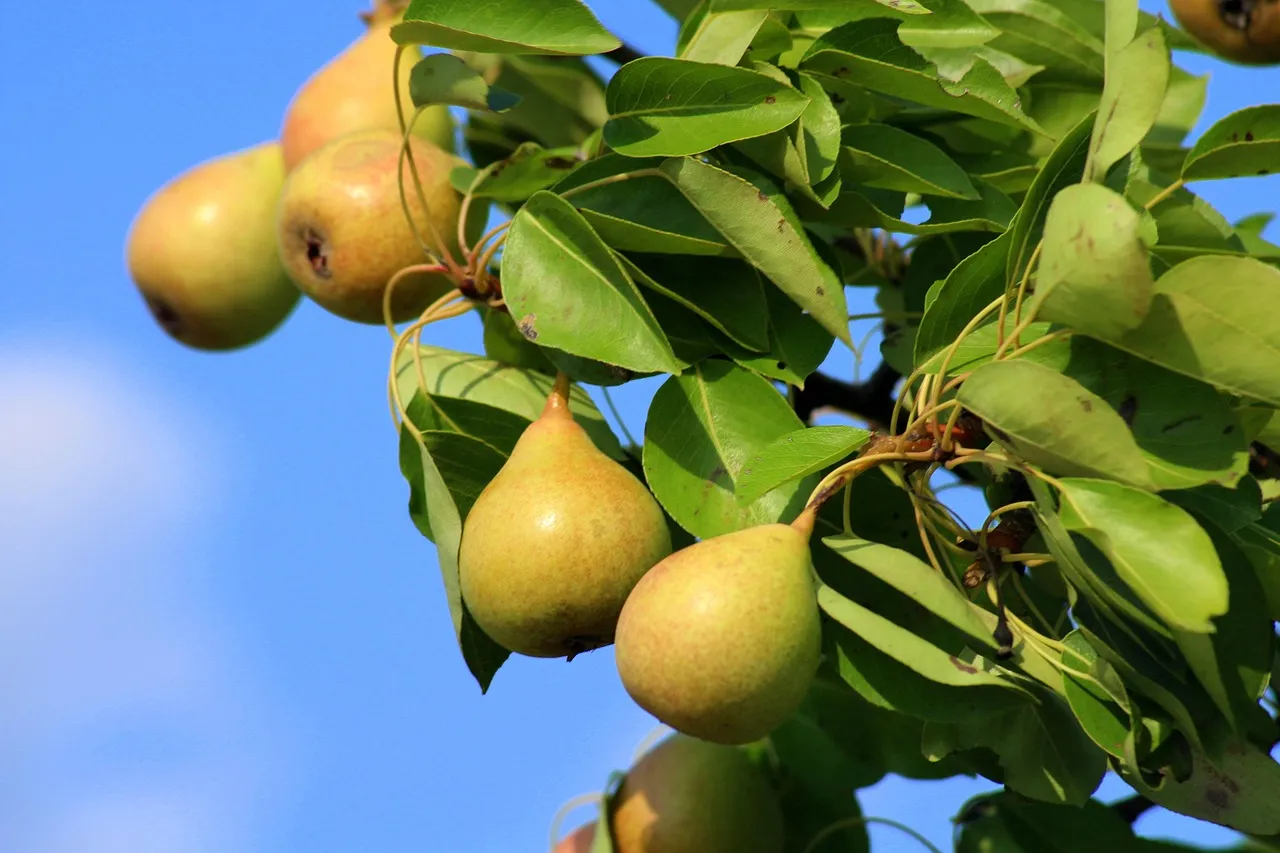
Plants have genes called ETR1 and CTR1 that regulate lots of other genes involved with growth, aging, and cell death. When ethylene gas is present, ETR1 and CTR1 are shut off, which allows the other genes to swing into action. Some fruit plants use this mechanism to control the sequence of cellular changes in their ripening process.
Scientists have found a master switch that leads the plant to crank up ethylene production when the time is ripe. Research published in Nature Plants found that before a fruit is ready to ripen, this master switch prevents ripening-related genes from being turned on before that moment. Once that switch flips, there’s no going back.
Not All Fruits Respond the Same Way
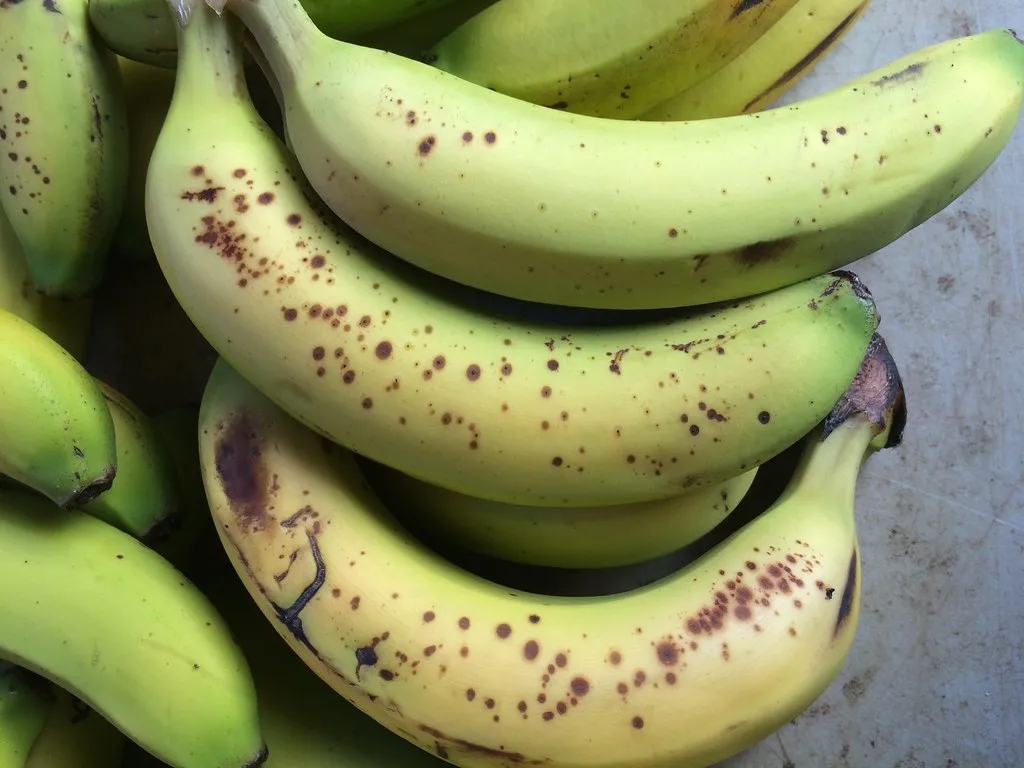
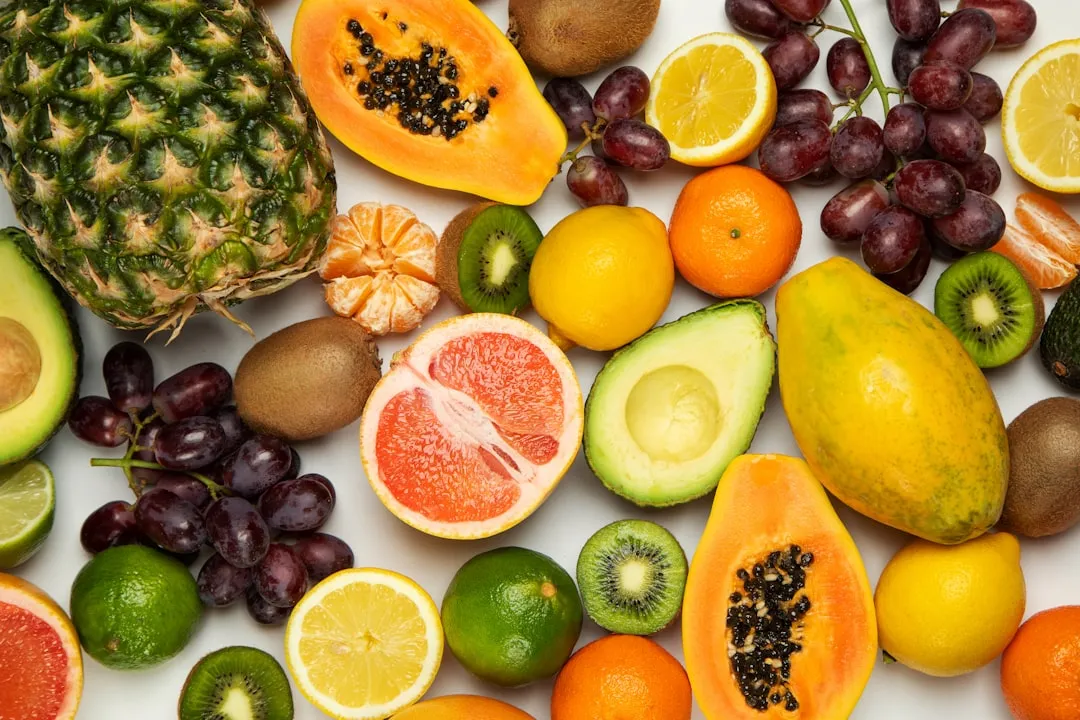
Fruits like apples, bananas, peaches, mangoes, pears, and tomatoes respond to ethylene once a certain window opens. For fruits that ignore ethylene, like grapes, pineapples, and many berries, the bag trick won’t work. This distinction matters a lot in practice, both at home and in large-scale food handling.
Non-climacteric fruits such as citrus respond less dramatically, but they may still exhibit minor changes in quality when exposed for extended periods. So while your oranges won’t suddenly ripen overnight next to a browning banana, long-term proximity can still cause subtle quality shifts.
The Role of Proximity and Enclosed Spaces
In a confined space such as a countertop bowl, ethylene gas accumulates. Ethylene acts as a chemical messenger. When neighboring fruit detects its presence, specific genes activate inside their cells. The bowl or bag essentially traps the gas, creating a higher concentration than would exist in open air.
The presence of multiple ethylene sources compounds the concentration in the surrounding air. This is why a bowl packed with several fruits ripens its contents far more quickly than a bowl holding just one or two pieces. The chemistry scales up with what’s inside.
How Temperature Changes Everything
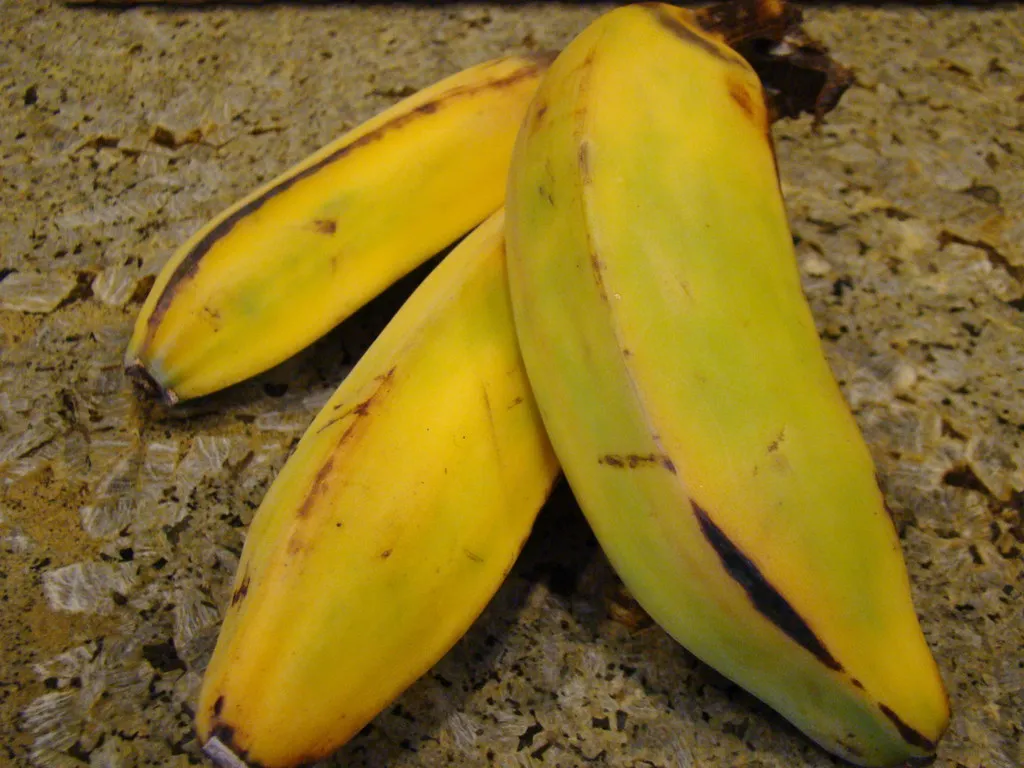
Temperature influences the process as well. Warmer environments accelerate ethylene production and the metabolic reactions it triggers. Refrigeration slows enzyme activity and reduces gas diffusion, delaying ripening. That is why separating bananas from other fruit or storing them in cooler conditions can extend shelf life.
Bananas are optimally stored at a humidity between 90 to 95 percent and at warmer temperatures of 13 to 15 degrees Celsius. In these conditions, storage life will be between seven and 28 days. Move them to a warmer counter next to a pile of apples, and that window shrinks considerably.
How the Food Industry Uses This Knowledge
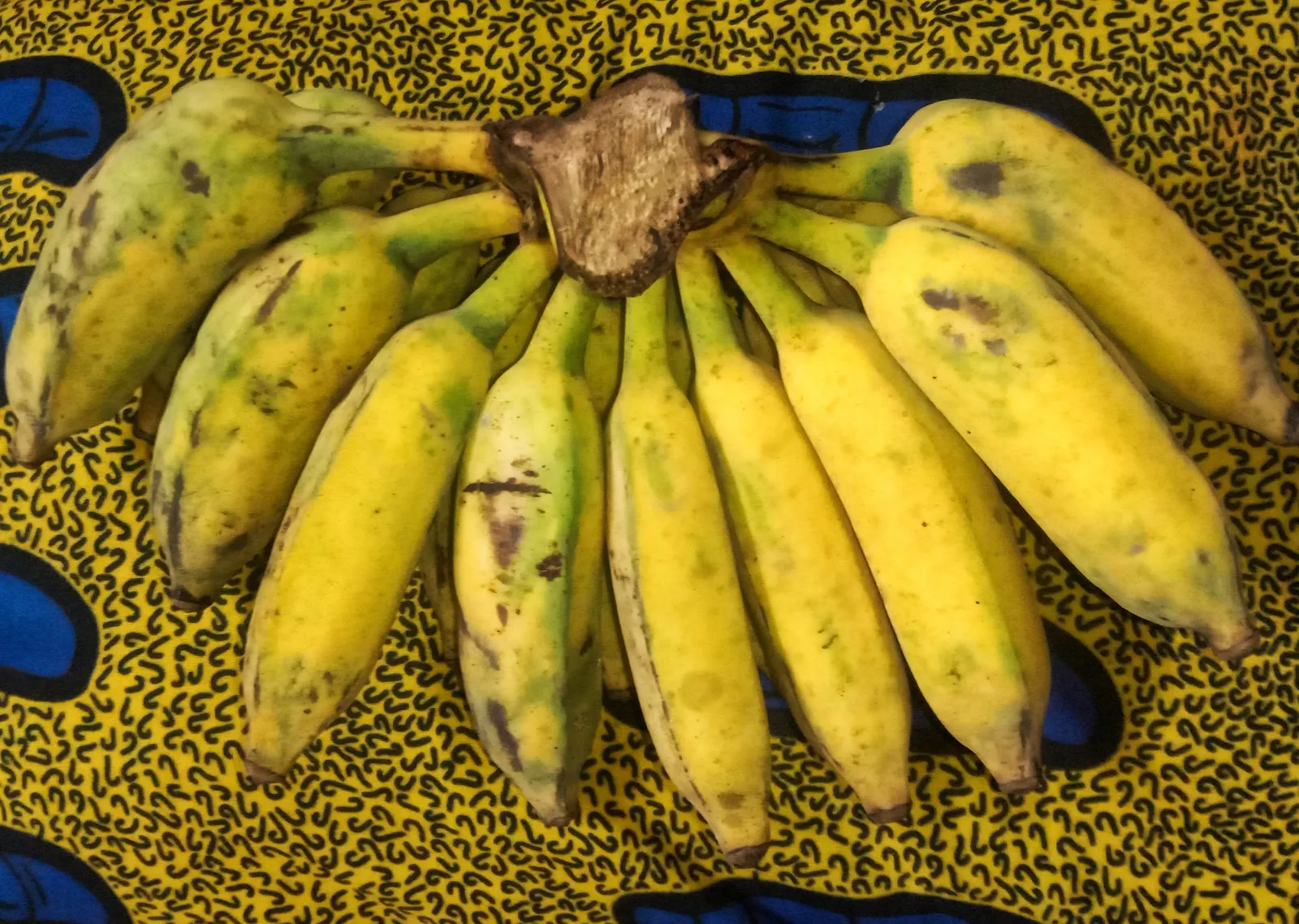
Bananas arrive in many countries in a green state and are then treated with ethylene so that they ripen quickly and turn yellow. The ethylene then sticks to the skin so that even unripe bananas will give off ethylene gas to other fruit in the bowl. This industrial application is a direct extension of the same natural chemistry happening in your kitchen.
Controlling fruit ripening through ethylene regulation is one of the most important strategies for providing high-quality fruits. Research continues to highlight the potential for applying ethylene-related knowledge in commercial contexts to enhance fruit quality, control pre-harvest drop, and extend shelf life. The science is increasingly precise, and 2024 and 2025 research from institutions like Virginia Tech and Frontiers in Plant Science has deepened understanding of how ethylene interacts with other plant hormones throughout the ripening cycle.
Practical Tips: Using or Avoiding the Effect
The release of ethylene can be used to speed up the ripening of an unripe fruit. For example, a peach will ripen faster if placed in a paper bag with a ripe banana. The same logic applies to avocados, pears, and mangoes – any climacteric fruit that feels too hard when you bring it home.
To prolong shelf life and delay ripening, keep ripening fruit away from fruit you are trying to keep from ripening. When you are ready for stored fruit to ripen, you can bring it into a warmer location and put it into a bag or with other ripening climacteric fruit to hasten the process. Climacteric fruits should be allowed to ripen at room temperature and then refrigerated to extend their life. Even in storage, they continue to release ethylene gas, so keep them separate from ethylene-sensitive produce to prevent premature spoilage.
The Takeaway
The relationship between bananas and apples is really a story about chemistry that evolution built into plants long before we started buying fruit at supermarkets. What looks like a simple fruit bowl is, in molecular terms, a small and very busy gas exchange happening in real time.
Knowing the mechanism gives you genuine control. Want ripe fruit faster? Put a browning banana in the bag. Want your fruit to last longer? Keep the apples and bananas apart, and store them somewhere cool. The science is old, the research is ongoing, and the practical upside sits right on your kitchen counter.
AI Disclaimer: This article was created with the assistance of AI tools and reviewed by a human editor.