
Most households own at least one flashlight. It’s sitting somewhere in a kitchen drawer, maybe a utility closet, possibly still in the box it came in years ago. That simple fact creates a false sense of comfort, the quiet assumption that when the lights go out, you’re covered.
The reality is more complicated. Owning a flashlight and being genuinely prepared for a blackout are two very different things, and the gap between them is exactly where families get caught off guard.
Outages Are Getting Longer and More Frequent
Major power outages cost U.S. residential and business customers an estimated average of over $67 billion a year between 2018 and 2024, with those costs reaching $121 billion in 2024 alone, according to researchers at the Department of Energy’s Oak Ridge National Laboratory. That figure isn’t just an economic headline, it reflects real disruption in real homes.
Americans experienced an average of 11 hours without power in 2024, nearly double the figure from the decade before. The number of major outages nationwide also grew by 29% over a seven-year period, rising from 4,666 to 6,533 events. A single flashlight with aging batteries wasn’t designed for that kind of extended stress.
The Single-Flashlight Problem
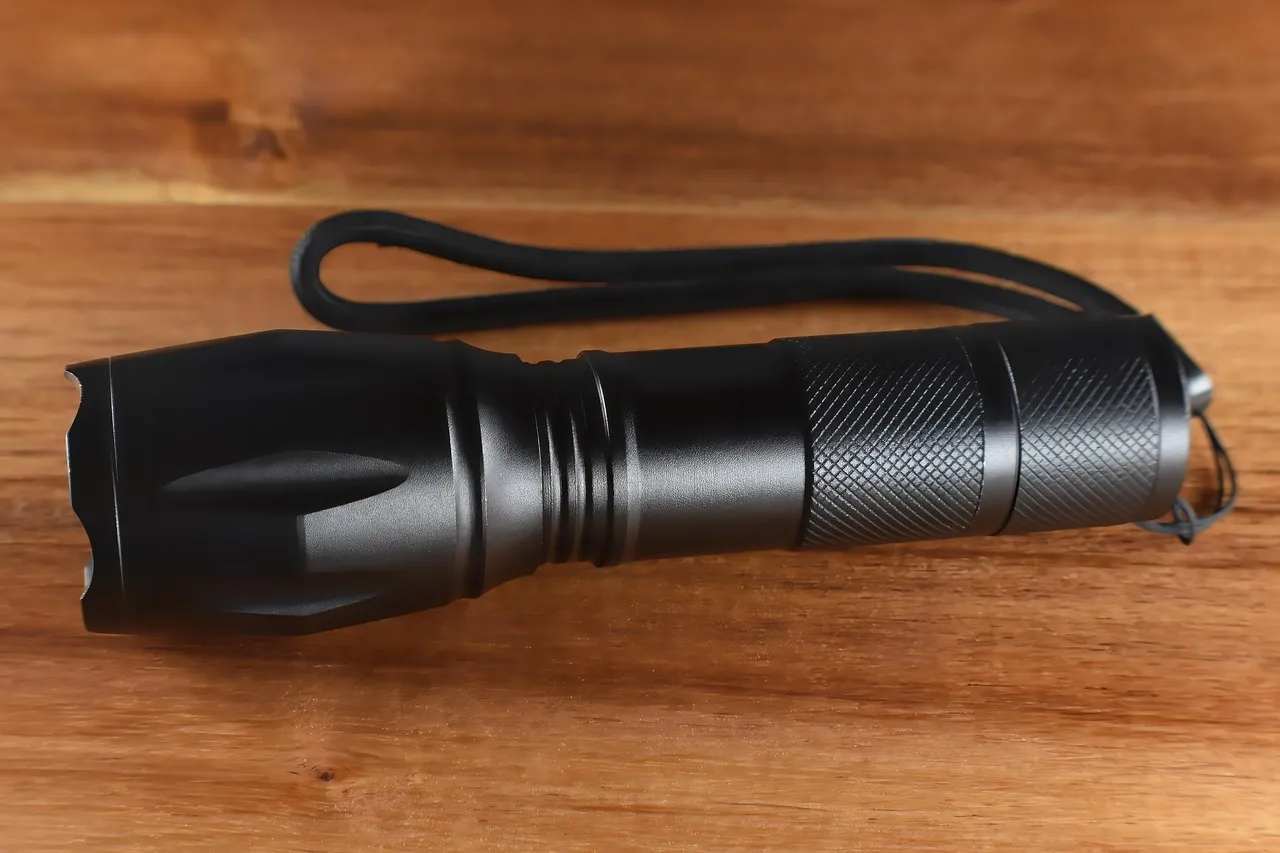
One of the most common preparedness mistakes is relying on only one flashlight, without any backups, and neglecting to check whether the batteries are still functional. When a storm knocks out power, that single device gets passed from room to room, used by multiple family members at once, and quickly becomes the household’s only point of light.
Preparedness guides recommend having multiple flashlights or battery-operated lanterns readily available, with enough extra batteries to last several days. One flashlight for a household of four people is a starting point, not a plan.
Dead Batteries Are the Real Culprit
The common advice to “store extra batteries” is deceptively simple. Alkaline batteries degrade after five to ten years, and heat accelerates that decline significantly. Batteries stored in a warm garage or packed into an emergency kit years ago may already be at a fraction of their rated capacity by the time you reach for them.
Experts recommend regularly checking battery levels in flashlights and emergency kits and replacing batteries as needed to guarantee functionality when they’re most needed. That maintenance step is one most households skip entirely, often until it’s too late.
LED Flashlights Create a False Sense of Security
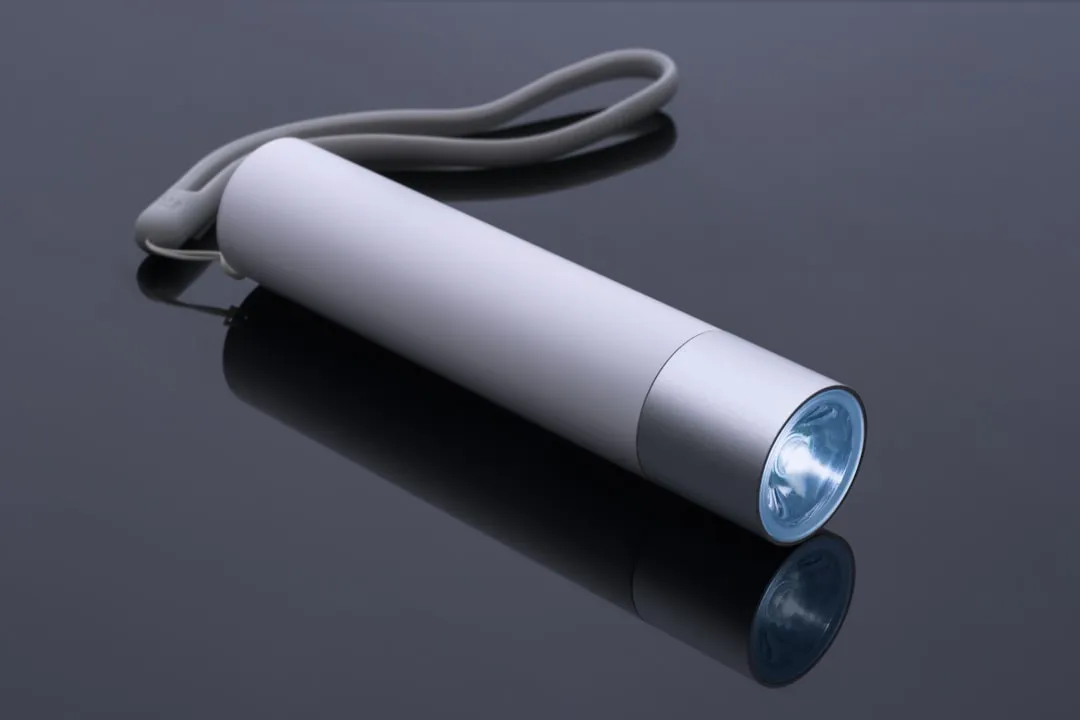
A battery-powered flashlight harbors its own set of failures. While LED technology produces brilliant light with minimal energy, it has created a false sense of security, and a family depending on a collection of high-lumen LED flashlights will watch their stockpile of batteries evaporate in a matter of days during a prolonged outage.
The average length of the longest power outage people experienced jumped from 8.1 hours in 2022 to an expected 12.8 hours by mid-2025, a startling 58% increase in just three years. That shift means an old flashlight with questionable batteries just doesn’t cut it anymore.
One Flashlight Is Not Enough for the Whole House

Think about what actually happens when the power cuts out at home. One person grabs the flashlight to navigate to the fuse box. Another needs it to reach the bathroom safely. A child wants it because they’re frightened. A single handheld device simply cannot be in four places at once.
Preparedness recommendations specifically call for a flashlight for every household member, not just one per home. Headlamps are worth particular consideration because they allow hands-free operation, which is especially useful when performing tasks in the dark. That practical detail gets overlooked surprisingly often.
Candles Are Not a Safe Fallback
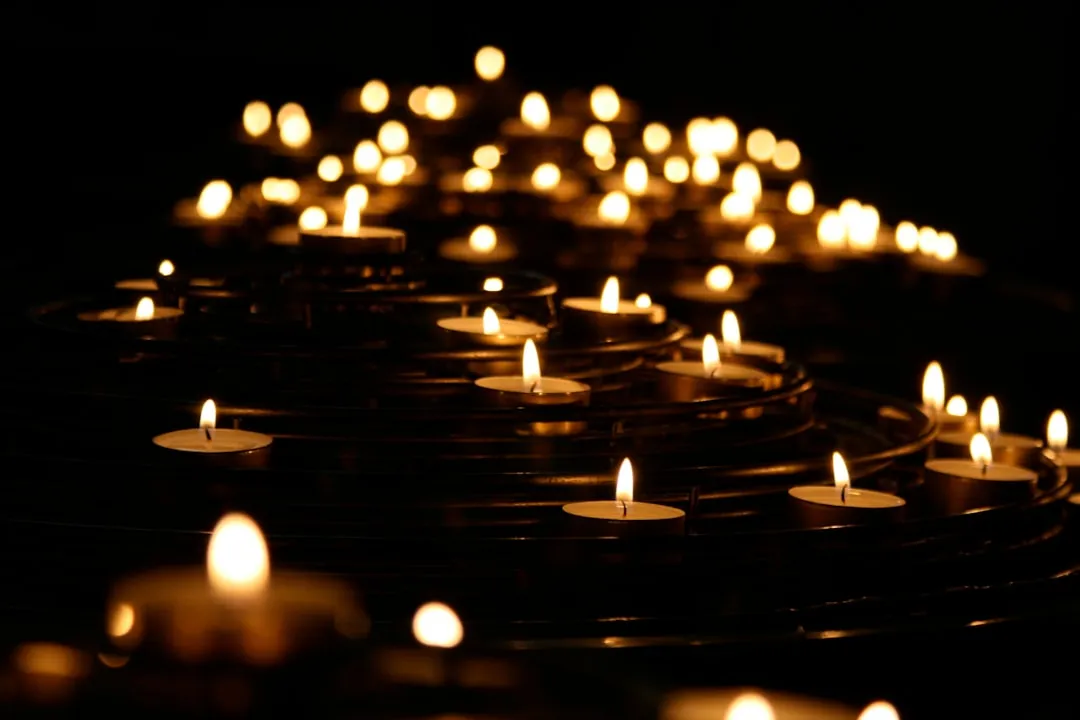
When the flashlight fails, many families reach for candles. It feels natural, almost cozy. The reality is considerably less reassuring. According to the National Fire Protection Association, candles are responsible for an average of 8,700 home fires per year in the United States.
The 2025 Iberian Peninsula blackout, a total system failure lasting about ten hours, led to at least eight deaths from outage-related incidents, including fires from candles and toxic fumes from generators. A candle’s soft glow also produces very little usable light, often as low as 13 lumens, and emits carbon monoxide. It’s a poor substitute and a genuine risk.
Households Underestimate How Long Outages Last
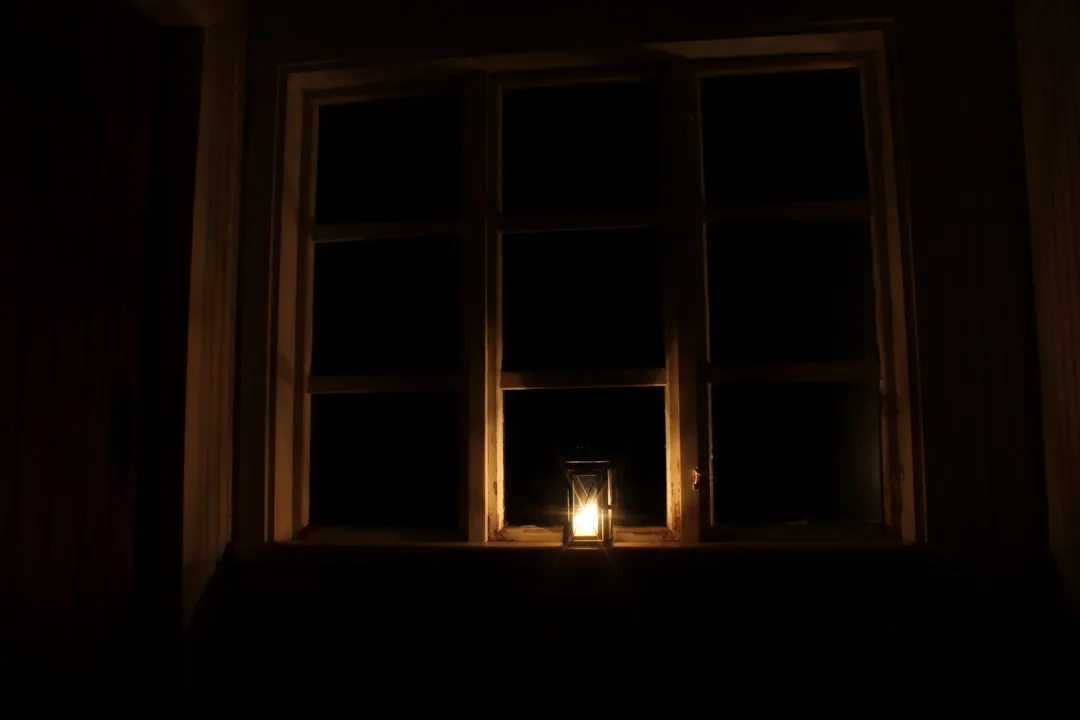
Grid failure, whether from storms, equipment problems, or infrastructure issues, doesn’t usually announce how long it’ll last. That uncertainty is what makes shallow preparation so dangerous. Families tend to mentally prepare for an hour or two, not for multi-day disruptions.
During the January 2026 North American winter storm, the PowerOutage.us platform tracked over a million customers without power at its peak, and some households went more than six days without electricity. Power interruptions can extend for several days during extreme weather events, as millions of Texans experienced both after Winter Storm Uri in 2021 and Hurricane Beryl in 2024.
Most Americans Are Not Actually Prepared
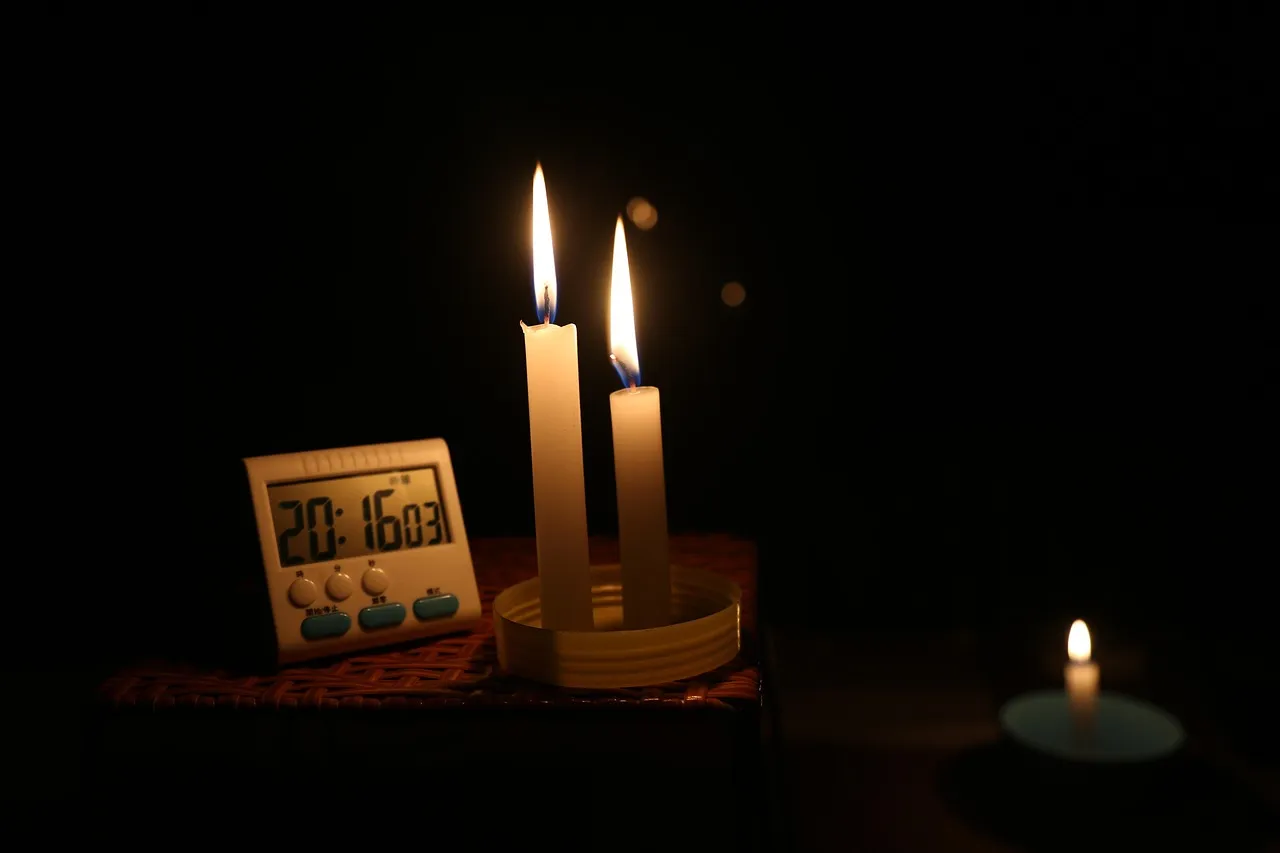
According to FEMA’s National Household Survey on Disaster Preparedness, only about half of Americans have emergency supplies set aside for use in a disaster. Only 26% of Americans feel “very” or “extremely” confident they know what to do in a major disaster. Those numbers have not moved dramatically despite years of public awareness efforts.
A survey of 1,200 U.S. adults found that while many Americans have started to gather basic supplies, most emergency kits remain incomplete. Modern preparedness requires more than just a flashlight and canned goods. The gap between what people own and what they actually need in a sustained outage is wider than most realize.
Lanterns Solve What Flashlights Can’t
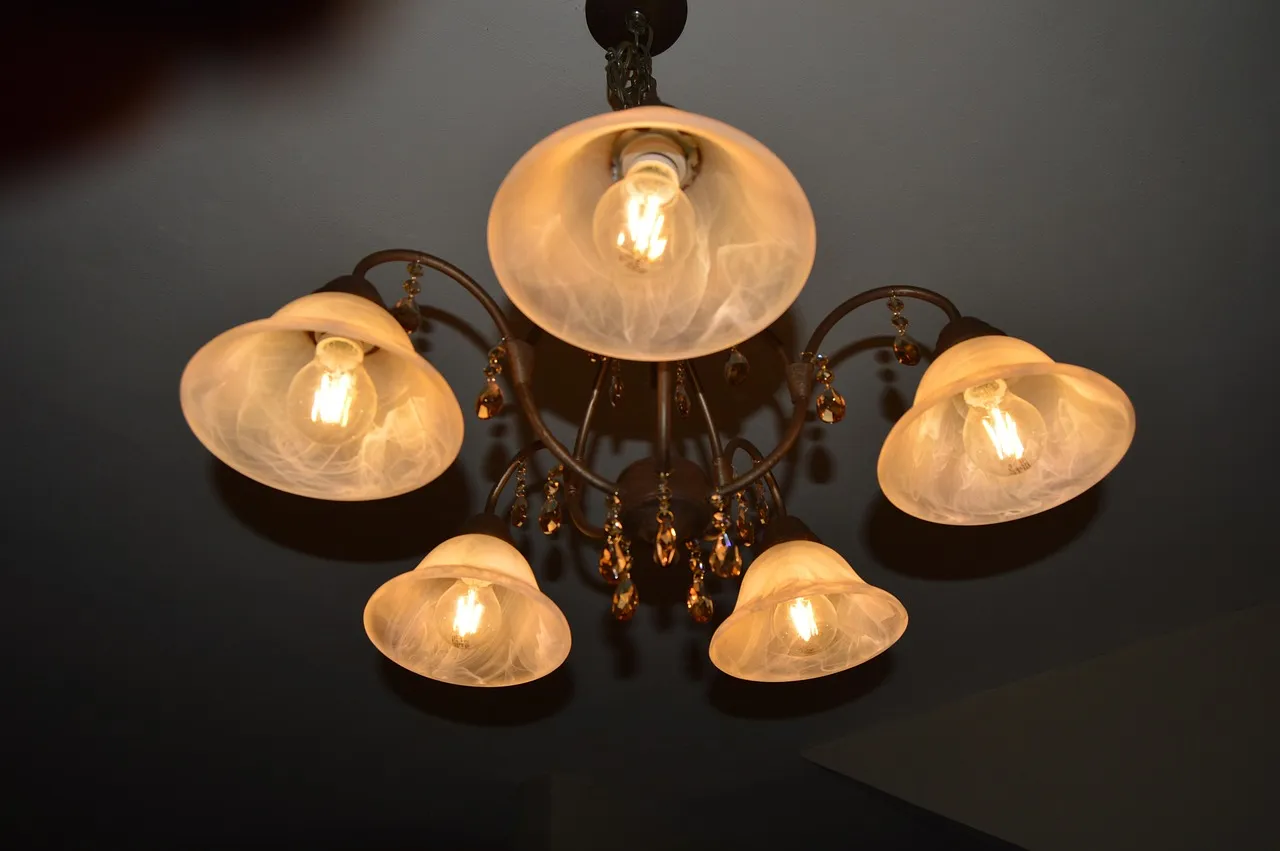
A flashlight is directional by design. It lights the path directly in front of you, not the kitchen table where you’re trying to prepare food, or the living room floor where your kids are sitting. That’s not a flaw, it’s just not the right tool for every task.
Battery-powered or rechargeable LED lanterns can illuminate larger areas, making them ideal for common spaces within the home during a blackout. Lanterns are particularly well-suited for rooms where families gather during extended outages. Pairing a lantern with individual flashlights gives households coverage for both ambient light and directed tasks.
The Fix Is Simpler Than Most People Think
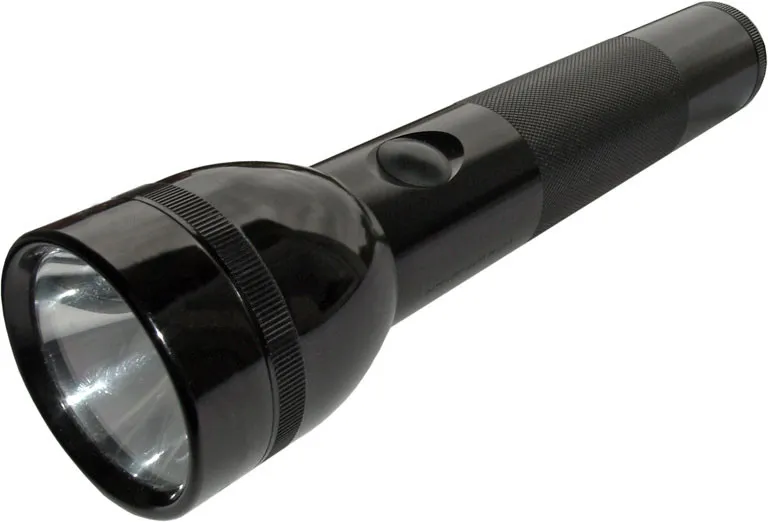
Preparing for power outages doesn’t require extreme survival gear. Most readiness comes from simple planning and reliable tools. The changes that actually matter are unglamorous: fresh batteries rotated on a schedule, a flashlight per person, a lantern for shared spaces, and a stored set of backups in an accessible location.
FEMA’s baseline recommendation is that every household should be self-sufficient for at least 72 hours, and roughly 83% of all power cuts in the U.S. are triggered by weather events. Stocking high-quality batteries and storing them in a cool, dry place, while also considering rechargeable options, helps ensure your lighting system actually works when called upon. Small adjustments in how a household maintains its emergency supplies make an outsized difference when the moment arrives.
The Takeaway
The flashlight mistake isn’t really about flashlights. It’s about the broader assumption that owning something is the same as being ready. Power outages evolve from minor inconveniences into significant challenges based on how prepared a home actually is, and most people think they’re more ready than they are.
What gets families through a long outage isn’t the single flashlight sitting in the junk drawer. It’s the extra batteries that were actually checked last month, the lantern kept somewhere accessible, and the awareness that a storm doesn’t schedule itself around your preparedness gaps. That kind of readiness takes about twenty minutes to build, but the window to build it closes the moment the lights go out.
AI Disclaimer: This article was created with the assistance of AI tools and reviewed by a human editor.